
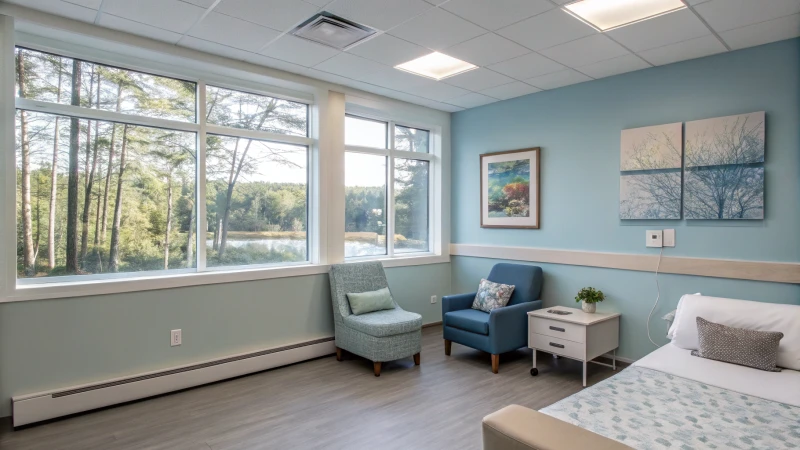
Hospitals paint rooms in a calming blue color for a reason. Blue often feels peaceful and helps reduce stress. It probably creates a serene atmosphere. The color blue often feels cool and quiet. Hospital rooms frequently have this hue. This calming shade really helps patients feel relaxed.
Hospital patient rooms are often painted blue because the color calms people and helps them relax. This color might lower stress, assisting patients in recovery. Blue also represents cleanliness and professionalism. For these reasons, healthcare spaces choose this color often.
I remember walking into a hospital room for the first time. I felt a bit nervous about everything. But the soft blue walls brought a little peace. Later, I understood why. Blue colors calm nerves and soothe the soul. This is important when feeling many emotions during a hospital visit. Blue is more than just pretty. It supports patient care by creating calm and a sense of cleanliness. This can really help recovery. It really helps! These color choices impact everyone in the hospital. Let's explore this further.
Blue rooms reduce patient stress levels significantly.True
Blue's calming effect is well-documented in color psychology studies.
Hospital rooms painted blue increase infection rates.False
Blue is associated with cleanliness, not higher infection rates.
What Psychological Benefits Does Blue Offer in Healthcare?
A splash of blue quickly brings calm to a room. Blue has a soothing effect that transforms the space. Some people probably find that blue changes their mood to peacefulness.
The color blue in healthcare settings helps people feel less stressed and anxious. It creates a calm place for patients. Hospitals use this calming effect to help patients relax. This relaxation supports faster healing and better mental health. Blue really works wonders.
The Science Behind Blue's Calming Effect
Entering a hospital waiting room, anxiety filled me over some test results. Soft blue walls calmed my nerves instantly. Science explains this feeling. Blue light lowers cortisol levels, which cuts down stress. Studies reveal it reduces heart rates and blood pressure. It suits medical places1 aiming for calmness.
Blue in Hospital Design
In my work, creating peaceful spaces is essential. Imagine a busy hospital - pretty stressful. Soft blue tones in waiting areas or patient rooms flip the switch to calmness. Designers often pick these colors to make places inviting and calm.
| Room Type | Ideal Color Choice |
|---|---|
| Operating Rooms | Blue |
| Patient Rooms | Soft White |
| Public Areas | Neutral with Blue Accents |
Impact on Patient Experience
I've watched patients react when surrounded by blue tones. Their shoulders drop a couple of inches. Blue suggests tranquility and trust, aiding mental health2 recovery and satisfaction. Color is an unexpectedly powerful tool.
Blue Light Therapy
Too much blue light isn't ideal, yet controlled blue light therapy holds benefits. It treats conditions like SAD (Seasonal Affective Disorder), helping regulate sleep and lifting moods. Imagine this - a color that decorates and heals.
Practical Applications in Healthcare
Using blue goes beyond just painting. Screens emitting blue light and smart lighting systems are shaping how we use this color in healthcare.
Smart lighting solutions3 adjust hues to create good healing spaces while saving energy too.
Learning the mental benefits of blue helps us create nurturing spaces. With this understanding, healthcare can improve patient experiences and outcomes. Every color choice really matters.
Blue light reduces cortisol levels.True
Studies show blue light lowers stress hormone cortisol, aiding relaxation.
Blue is ideal for operating rooms.True
Blue promotes calmness and focus, beneficial in high-stress environments.
How Does Color Influence Patient Recovery in Hospitals?
I recall entering a hospital room. My mood gently changed as the warm yellow walls surrounded me. The color felt like a comforting hug. The walls seemed to whisper, "Everything is okay."
Colors in hospitals influence feelings, stress and healing speed. Warm shades such as gentle yellows bring comfort. Cool tones like blue encourage calmness. Right color selection really helps patient health. Colors really matter.

The Psychological Impact of Colors
Colors always interest me. Even simple colors change feelings. Walking into a blue room can ease stress quickly. In hospitals, colors matter a lot. Blue often appears in surgery rooms due to its calming effect and ability to reduce anxiety, aiding doctors to stay focused and calm. Soft yellow in patient rooms feels warm and pleasant, enhancing comfort and optimism by boosting happiness and hope.
Color and Light Interaction
Light adds another level to design. I read how room light temperature, similar to natural daylight, brings balance. Usually, it’s around 5500K, which mimics daylight creating a balanced ambiance. Rooms use this light for natural circadian rhythm regulation4. Feels like a piece of sunny day indoors—really uplifting.
| Color | Typical Use | Effect |
|---|---|---|
| Blue | Operating rooms | Calms nerves, reduces stress |
| Yellow | Patient rooms | Comforts, instills optimism |
Intelligent Lighting Systems
Smart lighting systems intrigue me; they’re like design heroes. With a screen touch, they change light and color, matching patient needs dynamically—optimizing patient experiences. It's not just about looks; it shows care with new technology by combining tech and empathy in hospitals.
Practical Applications in Healthcare Design
To me, balance is key. Every hospital space serves a purpose and needs its own color scheme carefully considered for each space's function. Blue suits surgery for precision where focus is essential while waiting rooms might use warm colors for comfort to create a welcoming atmosphere. Using color psychology5 turns scary spaces into healing places.
In short, choosing hospital colors carefully can transform patient recovery environments significantly more than wall paint—it's about building a healing environment that feels like true support.
Blue in hospitals reduces patient stress.True
Blue is calming and often used in operating rooms to reduce anxiety.
Yellow lighting disrupts circadian rhythms.False
Yellow is comforting; circadian disruption is more about light temperature.
Are There Other Colors Used in Hospitals for Healing?
Have you ever thought about whether the colors we see might really help us feel better?
Hospitals use many colors besides white. Blue, green and pink appear in hospital rooms. These colors help people feel calm. They soothe patients and lessen stress. A soothing space is important for healing.

Understanding Color Psychology in Healthcare
Color influences us in surprising ways. Imagine a room with soft blues or greens - it often brings calmness. In healthcare, knowing about color psychology6 is not just for looks; it impacts how patients heal.
Commonly Used Colors in Hospitals
Colors truly change how a space feels:
- Blue: Known for its calming effect, blue doesn't just look nice; it soothes. Operating rooms often feature blue walls to help doctors remain calm and focused during operations. Once, a surgeon mentioned how blue walls kept her centered during long surgeries.
- Green: Brings peace, like a quiet walk in a park. Hospitals often choose green to calm people, especially in stressful waiting areas.
- Pink: Adds a touch of joy in maternity wards, where warmth and nurturing feelings matter most. It reminds me of the joy when holding my niece for the very first time.
| Color | Purpose | Location |
|---|---|---|
| Blue | Calming | Operating Rooms |
| Green | Tranquil | Waiting Areas |
| Pink | Nurturing | Maternity Wards |
Innovative Use of Colors with Technology
Technology has revolutionized our spaces. New smart lighting7 systems in hospitals adjust colors to fit different times and patient needs. These lights conserve energy and foster a healing environment, a concept that fascinates me deeply.
Cultural Considerations in Color Choice
Culture deeply impacts how we see color. Different societies give different meanings to colors. This cultural insight is important in hospitals, helping color choices connect positively with various patient cultures.
Future Trends in Hospital Color Usage
Trends promise exciting futures. Biophilic design blends natural elements like water and greenery. These designs involve more than color; they include textures and nature-like patterns to create spaces of true restoration. Technology and nature, a combination I adore, unite to support patient health.
For professionals involved in hospital design or management, keeping updated on trends and innovations helps build better healing spaces. It’s not merely following trends but genuinely crafting places that uplift health.
Blue reduces anxiety in operating rooms.True
Blue is calming and often used in operating rooms to reduce anxiety.
Red is commonly used in hospital waiting areas.False
Red is rarely used in hospitals due to its stimulating nature.
How Do Smart Lighting Systems Enhance Hospital Environments?
Picture entering a hospital. The lights not only brighten the rooms but also actively help patients feel better and assist staff to work more efficiently.
Smart lighting systems improve hospital environments by using less energy. These systems support patients' health with lights that match natural daylight patterns. They adapt to different areas in hospitals. This adaptability lets hospitals save money and work better. Smart lighting is very efficient.

Energy Efficiency and Cost Savings
I often think about how something as simple as light truly affects a hospital's bills. Smart lighting systems really cut down those costs. LED lights consume less energy, saving up to 80%. Occupancy sensors and daylight harvesting work together. They adjust the lights so they are on only when necessary. Efficiency is their strength.
| Feature | Benefit |
|---|---|
| LED Technology | Reduced energy consumption by up to 80% |
| Occupancy Sensors | Lights operate only when needed |
| Daylight Harvesting | Maximizes use of natural light |
Patient Well-being
I recall entering a hospital room where smart lighting mimicked sunlight. The effect was calming, like a gentle embrace from the sun. This experience highlighted the importance of lighting for patient recovery. Smart lights support natural body rhythms, improving sleep and lowering stress, especially important in intensive care units.
By adjusting light intensity and color temperature, these systems can create a calming atmosphere8 in patient rooms, promoting relaxation and comfort.
Adaptability for Different Hospital Needs
Hospitals buzz with diverse lighting requirements. In my work with various setups, I discovered the incredible flexibility of smart lighting systems. High-intensity lights suit surgery rooms, while soft lighting fits waiting areas.
For instance, surgical suites may require high-intensity, focused lighting, while waiting areas benefit from softer ambient light. These smart controls allow quick adjustments, fitting each area's needs seamlessly. It's true adaptability.
Operational Efficiency Through Automation
Automated systems provide great relief in hospitals. Managing all lights through a central panel or app saves immense time for facility managers—less manual labor.
Centralized control panels or apps allow facility managers to monitor and manage the entire lighting system remotely without constant manual adjustments9. This level of automation supports maintenance teams in preemptively addressing issues before they escalate into larger problems.
Color Temperature and Design
Choosing the right color temperature for each space is an art. Once, a designer explained how blue lights in surgery keep surgeons alert while warm colors in patient rooms calm them.
The choice of color temperature must align with the function of the space. For example, blue lighting in operating rooms helps maintain alertness among surgeons, while warmer tones foster a soothing environment in patient rooms.
These choices align with the space’s purpose, improving the overall visual experience and reflecting the hospital's professionalism.
Smart lighting reduces hospital energy costs by 80%.True
LED technology and sensors cut energy use significantly, saving costs.
Circadian lighting disrupts patients' sleep cycles.False
Circadian lighting supports natural sleep cycles, improving patient rest.
Conclusion
Hospitals often paint patient rooms blue to create a calming atmosphere, reduce stress, and promote healing, leveraging color psychology for improved patient experiences and recovery outcomes.
Discover how different colors influence hospital environments and the reasons behind choosing specific hues for various areas. ↩
Explore the role of color therapy in mental health treatment and how specific colors aid in recovery. ↩
Learn about innovative smart lighting systems that enhance hospital environments and patient experiences. ↩
Learn how light temperature affects natural circadian rhythms, which play a crucial role in patient recovery and overall well-being. ↩
Understand how incorporating color psychology into healthcare design choices can enhance patient comfort and facilitate faster recovery. ↩
Explore how different colors can influence emotions and behaviors, especially in healthcare settings. ↩
Discover how intelligent lighting systems enhance patient experience by adapting to various needs efficiently. ↩
Learn how lighting can enhance patient recovery through improved sleep quality and mood stabilization. ↩
Discover how automation in smart lighting systems enhances operational efficiency in healthcare facilities. ↩