I see buyers overpay or buy the wrong way. I know factory-direct sounds simple. I also know hidden costs, MOQ, and compliance mistakes can erase the savings.
You can buy LED lights directly from manufacturers through factory-owned brand websites, Alibaba, trade shows, and direct factory sales teams. It works best for wholesale orders. Small projects usually fit distributors or stocked factory-direct brands better.
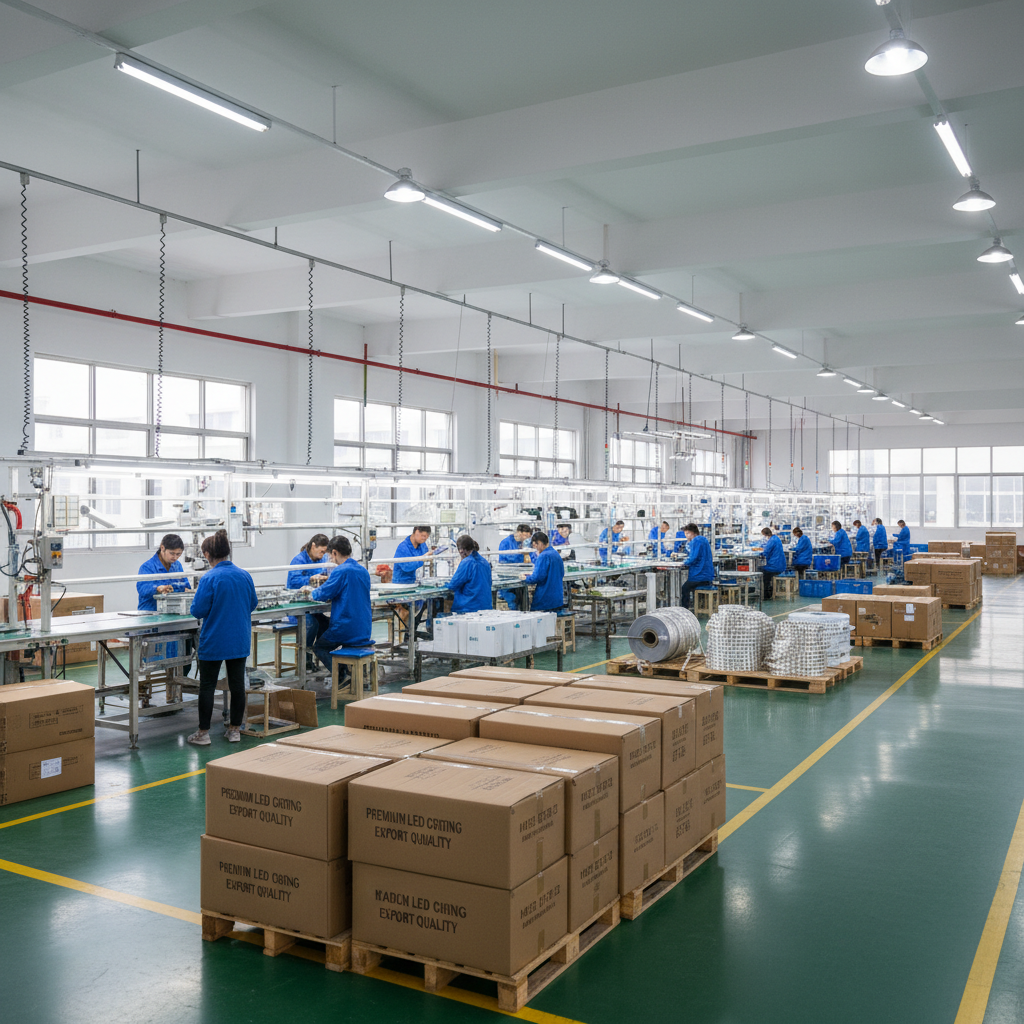
I work with importers, distributors, and project buyers every week. I will show where to buy, when direct sourcing helps, and when it creates more risk than value.
1:Is Buying LED Lights Directly from Manufacturers Really Cheaper? (With Numbers)
I meet buyers chasing the lowest ex-factory price. I also see freight, duty, and failed compliance turn cheap quotes into expensive mistakes.
Yes, buying direct can be cheaper, but mainly on larger orders. I usually see meaningful savings when buyers meet MOQ, consolidate shipping, and avoid rework from poor quality or missing certifications.
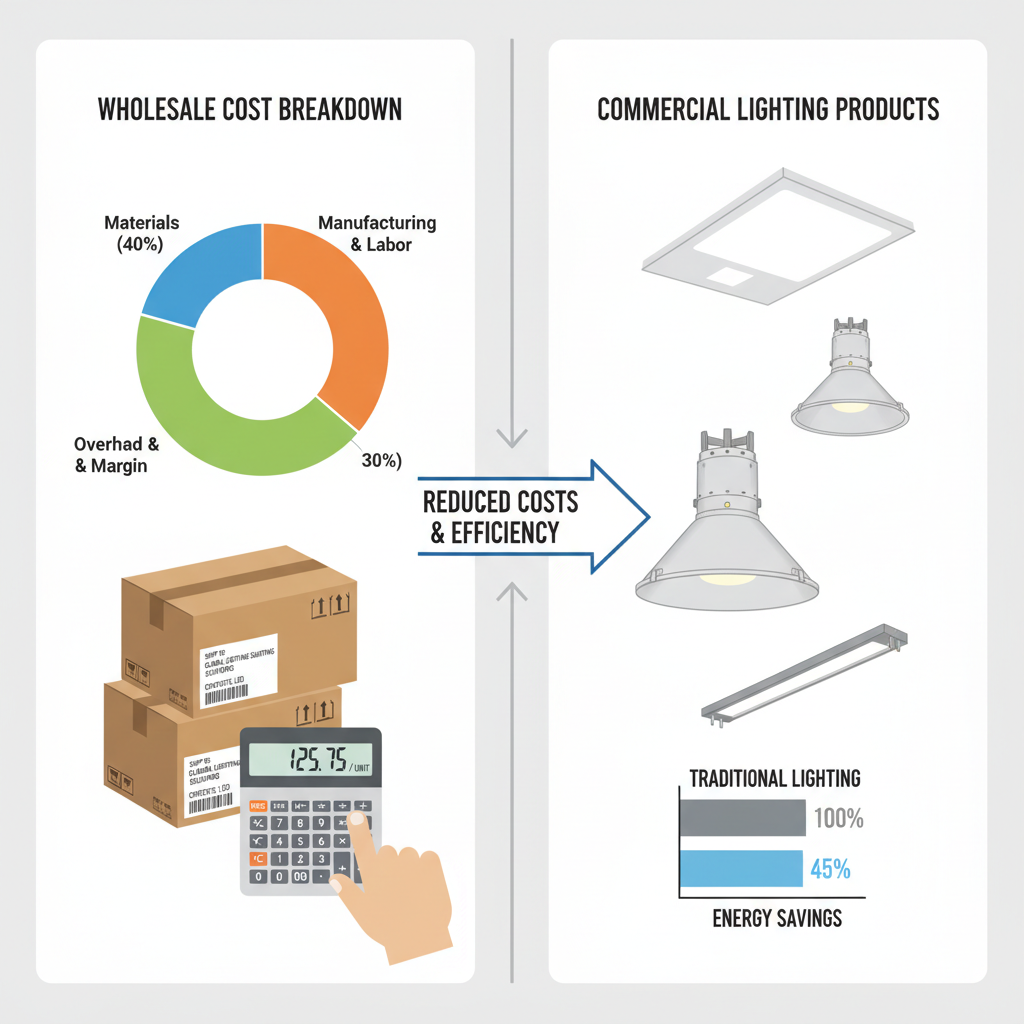
What the real cost looks like
I compare factory-direct pricing with distributor pricing by using total landed cost, not unit price alone. Many buyers only look at the quote line. I look at freight, customs, packaging, testing, warranty risk, and cash tied up in inventory.
The U.S. Department of Energy notes LED products save energy and last much longer than older lighting technologies, but product quality still varies across the market.1 That gap matters because the cheapest lamp or fixture can create replacement labor, claim handling, and reputation damage.
Here is a simple example for a commercial order:
| Item | Factory direct | Distributor stock |
|---|---|---|
| Unit price | $18 | $26 |
| Order quantity | 1,000 pcs | 200 pcs |
| Product subtotal | $18,000 | $5,200 |
| Ocean freight + local charges | $2,400 | Included or low parcel cost |
| Duty/customs/brokerage | $1,200 | Usually included upstream |
| Compliance verification | $300 | Usually already handled |
| Warranty handling reserve | $500 | Lower buyer burden |
| Landed unit cost | about $22.40 | about $26.00 |
I often see direct sourcing save 10% to 25% on real wholesale orders. I also see direct sourcing lose money on small orders. A buyer ordering 100 pieces may pay more after freight and import fees.
When the savings become real
I look for three signals. First, the MOQ fits your turnover. Second, the spec is stable. Third, the market requires exact compliance, such as UL listed or DLC models for North America.23
For example, if I buy a 500-piece LED linear light run with one body size, one driver family, and one color temperature, the factory can optimize materials and labor. That lowers cost. If I split the same order into five low-volume variants, the savings shrink fast.
I also check technical value. A fixture with higher luminous efficacy in lm/W can reduce operating cost over years.1 A higher CRI can matter in retail and hospitality. A low price means little if the light quality hurts the space.
2:LED Manufacturer vs Supplier vs Lighting Solutions Company: Which Channel Fits You?
I see buyers use the wrong buying channel. I know the result is slow projects, wrong specs, and extra cost.
A manufacturer fits wholesale and customization. A supplier fits smaller, faster orders. A lighting solutions company fits complex projects needing design, controls, and multi-brand coordination.
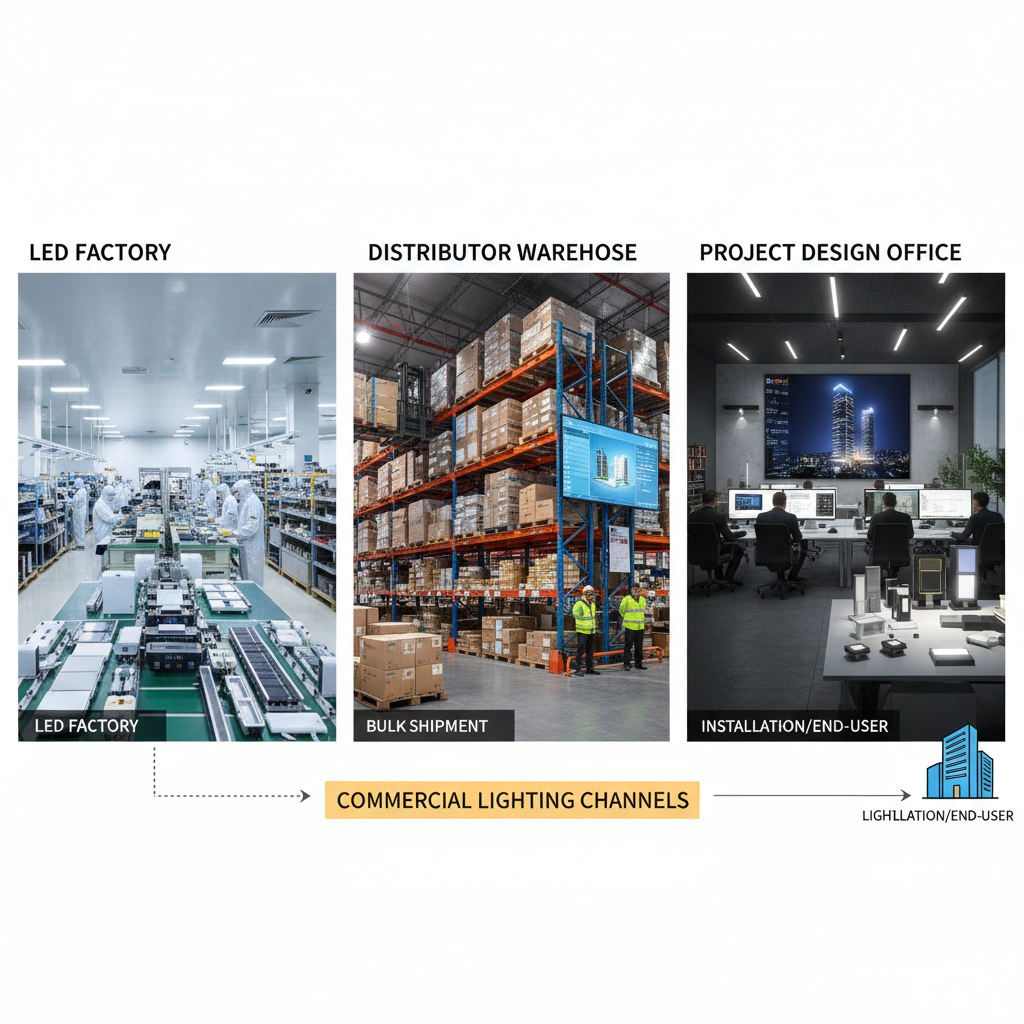
Which model solves which problem
I separate channels by risk, volume, and service depth. A real manufacturer owns production or tightly controls it. That usually means better OEM, ODM, and repeat consistency. A supplier may stock several brands and help with lower MOQ. A lighting solutions company often handles design, controls, and project coordination.
| Channel | Best for | Strength | Weakness |
|---|---|---|---|
| Manufacturer | Importers, wholesalers, OEM brands | Lower ex-factory price, customization, scale | MOQ, longer planning, import handling |
| Supplier/distributor | Small business, urgent replacement | Local stock, small quantities, faster delivery | Less customization, higher unit cost |
| Lighting solutions company | Contractors, developers, multi-area projects | Layout, controls, mixed products, support | Highest service cost |
I use manufacturers when I need branded logo, custom housing, custom CCT, packaging, or a long-term private label plan. At Besenled, we do this with LED strip light, linear light, commercial lighting, and solar light. Our five production lines help us support both ongoing wholesale business and project runs.
I use suppliers when I need 20 to 100 pieces quickly. I do not want customs paperwork for a small refill order. I also use suppliers when I need local warranty exchange.
I use a lighting solutions company when a project has controls, photometric layouts, multiple fixture families, and site coordination. That matters in offices, retail chains, warehouses, parking lots, and hospitality. The Illuminating Engineering Society has long emphasized proper lighting design and application standards in real environments.4
If you are like Jose in Mexico, I would choose a manufacturer for rebranding and repeat distribution. I would choose a supplier for trial sales or seasonal top-up stock.
3:Step‑by‑Step: How to Find and Vet a Reliable LED Manufacturer (Especially Overseas)
I know overseas sourcing feels risky. I also know fake factories, copied certificates, and weak quality control can cost months.
I find reliable LED manufacturers through factory websites, Alibaba, exhibitions, and referrals. I then verify factory identity, certifications, QC process, export history, and communication speed before paying.
My vetting checklist
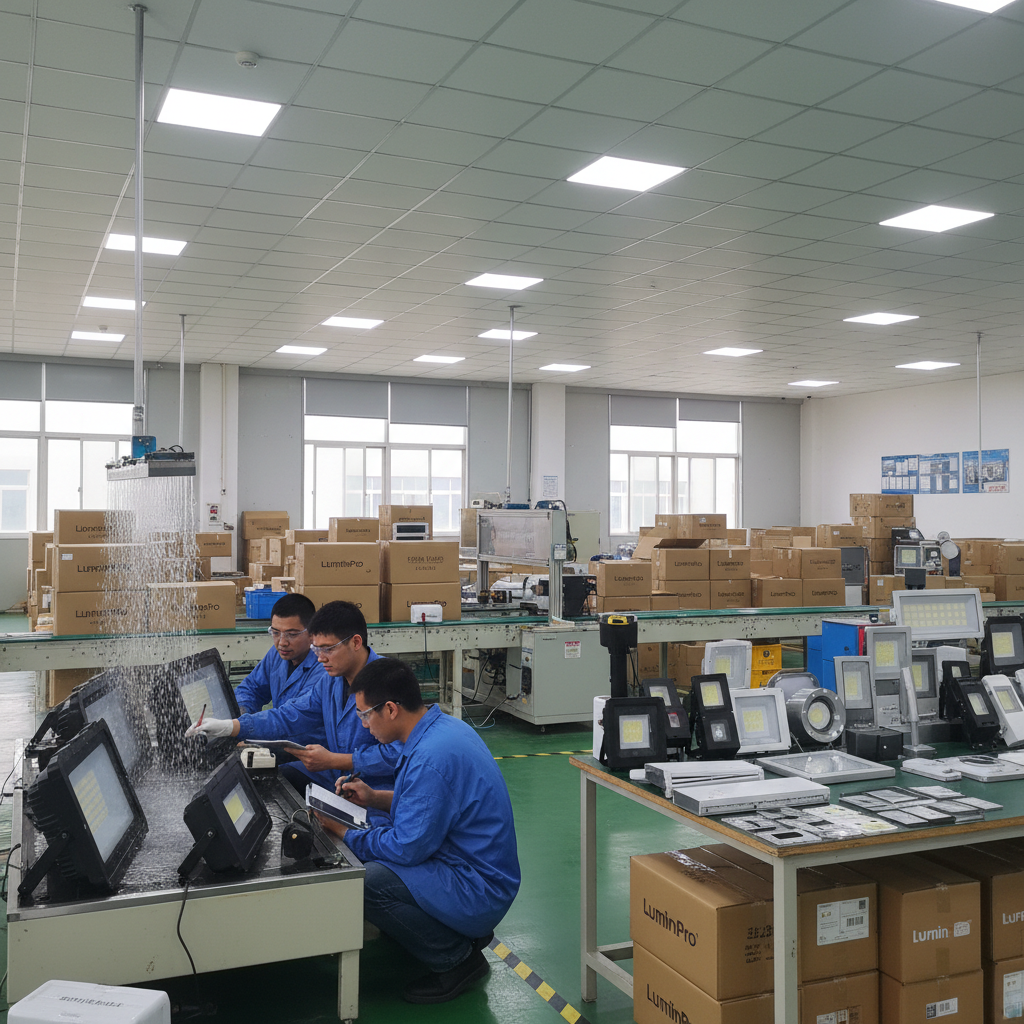
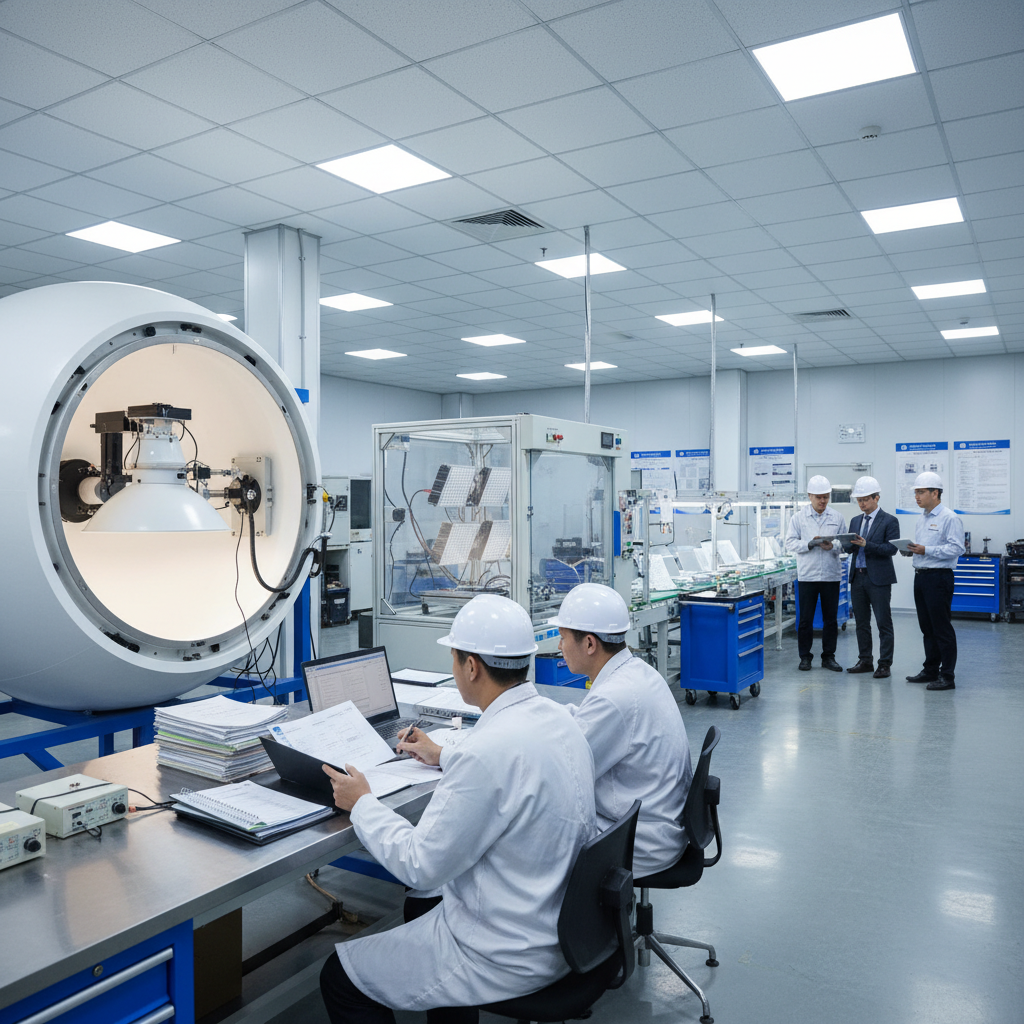
I start with four simple checks. I confirm the legal company name. I ask for factory video and production line photos. I request certification numbers. I test response speed. If sales replies take two days before payment, support will likely be worse after payment.
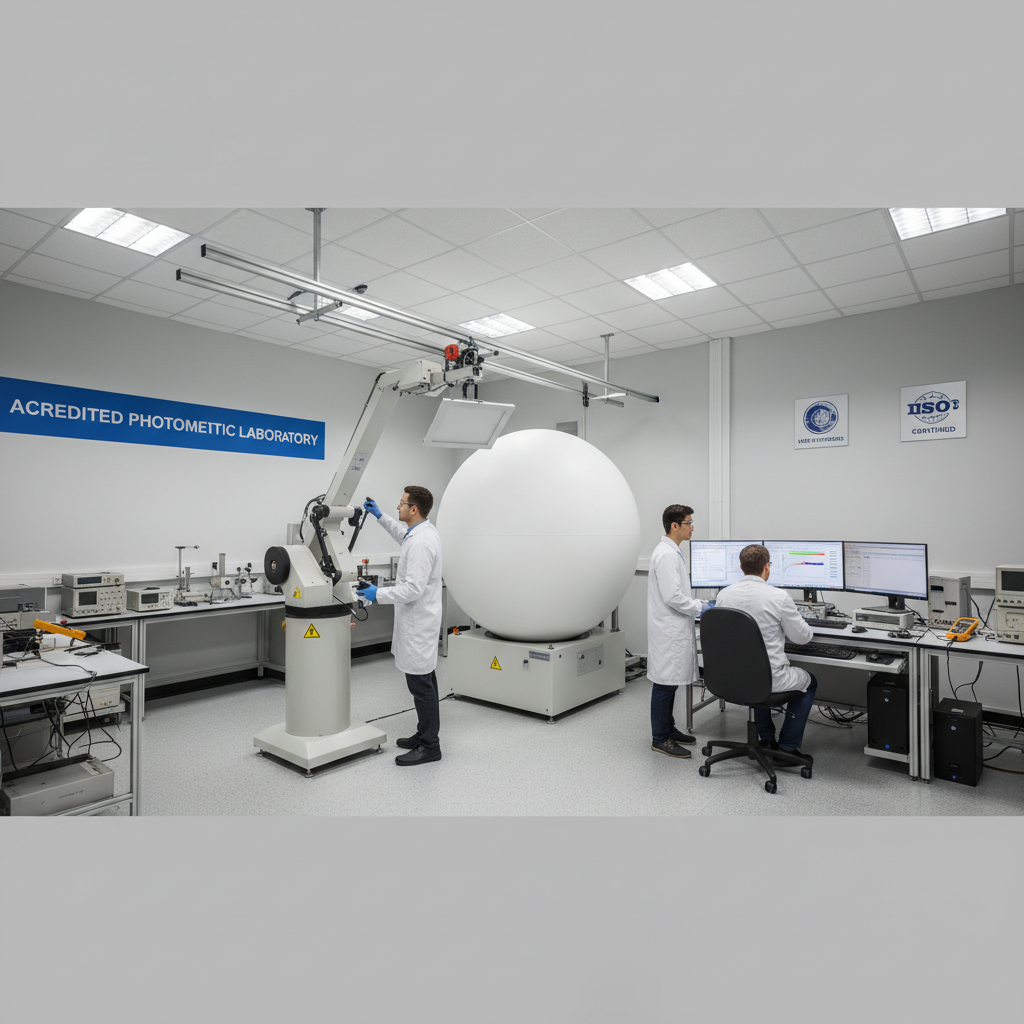
I also verify certifications on official databases when possible. For North America, I check UL listed status and whether the model number matches the quoted product.2 For commercial rebates, I verify DLC listing by exact model family.3 For electrical safety standards, IEC frameworks matter for many markets.5
| Vetting item | What I ask for | What I verify |
|---|---|---|
| Company identity | Business license, export license | Name consistency on invoice and website |
| Factory proof | Workshop video, line photos, live call | Real production activity, not office-only |
| Certifications | UL, CE, RoHS, FCC, DLC reports | Exact model and issue date |
| QC system | IQC, aging test, final inspection sheet | Written process and sample records |
| Lead time | Normal and peak season schedule | Honest capacity versus promise |
| Warranty | Terms, claim flow, spare ratio | Practical replacement process |
What I ask before I place an order
I ask for BOM summary, driver brand, LED chip brand, housing material, IP65 level if outdoor, target lumen, and testing method. I ask about flicker performance for offices and retail.6 I ask for photometric files if the project needs lighting design.
I also ask for sample policy. A paid sample is normal. A supplier refusing samples for a new product line raises risk. I ask for shipping terms, spare parts policy, and whether packaging is export tested.
At trade shows, I look beyond the booth. I ask where the factory is, how many lines they run, and which markets they already ship to. A real exporter should answer clearly. Besenled exports to North America, Europe, the Middle East, South Asia, Central Asia, and Latin America, and we typically quote short production windows for standard products.
4:When You Should Avoid Manufacturer‑Direct LED Purchases (and What to Do Instead)
I know direct factory pricing sounds attractive. I also know many buyers should not use it for small or urgent jobs.
You should avoid manufacturer-direct buying when order volume is low, delivery is urgent, compliance is unclear, or you cannot manage customs and after-sales. In those cases, I recommend local distributors or stocked factory-owned brands.

Cases where factory-direct is the wrong tool
I avoid direct imports for replacement jobs needing 10 pieces next week. I also avoid direct buying when the buyer has no import process, no broker, and no one to inspect incoming goods. One delayed shipment can wipe out the apparent savings.
I also avoid it when certification rules are strict and the factory cannot show matching documents. ENERGY STAR explains that certification and performance claims matter because buyers need confidence in efficiency and product qualification.7 In commercial projects, one wrong model can fail inspection or lose rebate eligibility.
Here are common no-go signals:
| Situation | Better option |
|---|---|
| 20 to 100 pieces only | Local distributor or online stocked brand |
| Need delivery in days | Domestic inventory source |
| One-off replacement model | Original brand supplier |
| No customs experience | Import agent plus distributor |
| Unverified certifications | Approved local supplier only |
| Complex design project | Lighting solutions company |
I also tell buyers to avoid direct purchases when the product is highly application-sensitive. A parking lot, warehouse, or hazardous area needs the right beam angle, driver, ingress protection, and controls. A cheap fixture with the wrong spec can create dark spots, glare, or early failures.
For small businesses and homeowners, the best path is often a reputable LED distributor or a factory-owned retail brand that already imports and stocks product. You pay a little more per unit. You often save more in time, returns, and peace of mind.
5.faq:
I hear the same questions from buyers every week. I know most of them want clear rules, not vague sales talk.
Yes, the details matter. The right answer depends on order size, certifications, shipping method, and whether you need stock, customization, or project support.
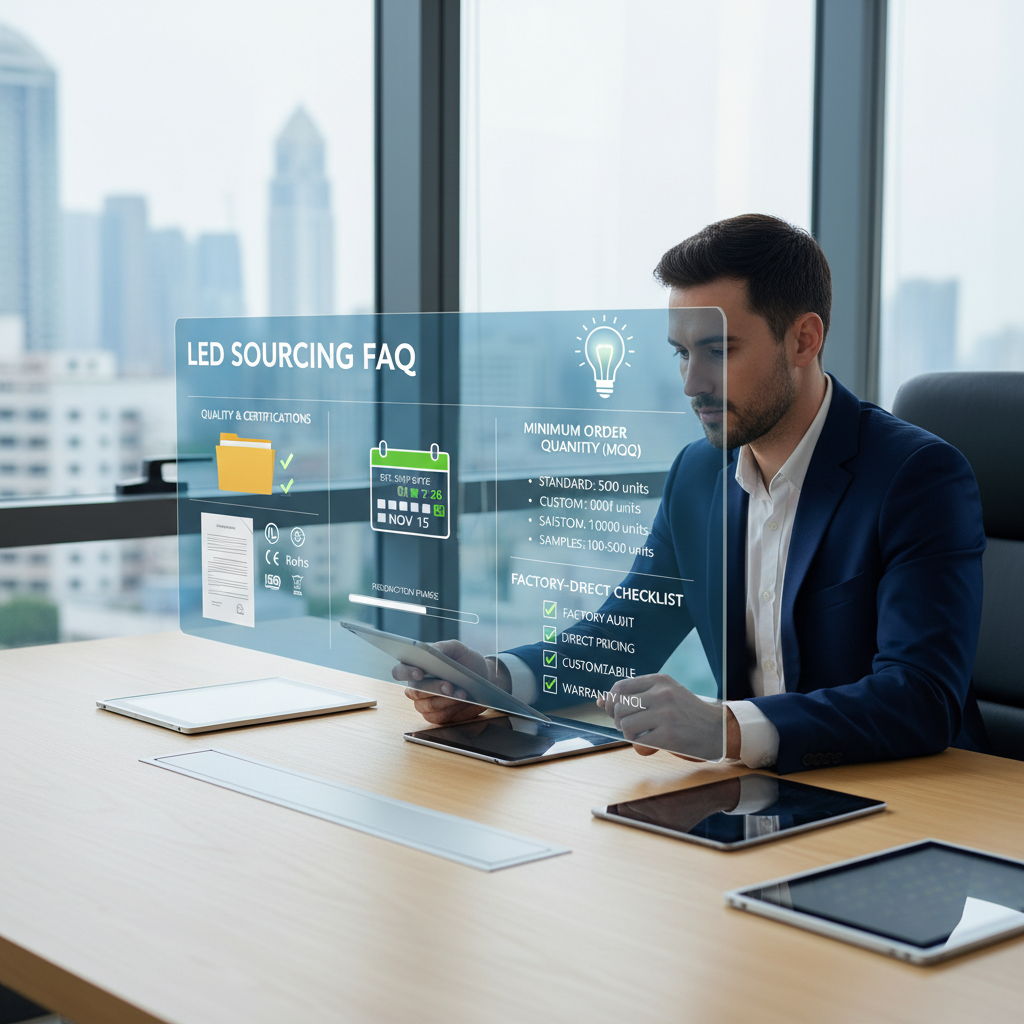
Quick buyer notes
I keep my advice simple. Factory-direct is a wholesale tool. It is not always the cheapest path for small orders. Certification matching matters more than broad claims. Lead time must include production and shipping. Warranty handling must be written before payment.
I also suggest asking each seller the same five questions. Are you the manufacturer? Which exact certifications match this model? What is your MOQ? What is your standard lead time? How do you handle failures? These answers reveal the real supply model quickly.
1. Is it cheaper to buy LED lights directly from manufacturers?
I see buyers focus on the quote only. I know landed cost decides the real answer.
Yes, it is often cheaper for larger wholesale orders. It is usually not cheaper for small quantities after freight, customs, and warranty handling are added.
Cost rule I use
If I can meet MOQ and keep one stable specification, I usually compare factory-direct seriously. If I need only small quantities or fast replenishment, I buy from stock channels. The bigger the order, the easier it is to spread freight and testing cost across each unit.
2. Can homeowners or small businesses buy LED lights directly from manufacturers
I know many small buyers want factory pricing. I also know most factories are built for volume, not one-room orders.
Yes, they can sometimes buy direct, but it is rarely the best option. I usually recommend a distributor or stocked brand for smaller projects.
Small-order reality
Many factories set MOQs by model, color, voltage, or packaging. A homeowner may not reach those levels. A small business may also prefer local returns, faster delivery, and easier support over a slightly lower unit price.
3. What certifications should I check before buying LED lights from a manufacturer?
I know certificates are easy to mention in sales emails. I also know buyers need proof tied to the exact model.
I usually check UL or ETL for North America, CE and RoHS for Europe, and DLC for many commercial projects. I verify model numbers, issue dates, and test reports.
Certification basics
I also check application-specific items such as IP65 for outdoor fixtures and driver compliance for the target market. I never accept a generic certificate without matching product details.
4. What is the difference between an LED manufacturer and an LED supplier?
I see these terms mixed up often. I know the difference affects price, MOQ, and customization.
A manufacturer produces or controls production. A supplier may resell products from one or many factories and often offers lower MOQ and local stock.
Buying impact
If I need private label packaging, custom lengths, branded logo, or stable repeat production, I prefer a manufacturer. If I need small mixed quantities fast, I often prefer a supplier.
5. When should I use a lighting solutions company instead of buying direct?
I know some projects fail because the buyer only purchased fixtures. I also know the real need was system design.
I use a lighting solutions company for projects needing layout design, controls, multiple fixture families, and coordination. The added service often reduces project risk.
Good fit projects
I choose this route for offices, warehouses, retail chains, facades, and mixed indoor-outdoor sites. It is also useful when smart controls and building management integration are required.
6. How do I know if a “factory‑direct” website is really a manufacturer?
I know many websites say factory-direct. I also know some are only traders with strong branding.
I verify legal company name, production videos, factory address, certification ownership, and live calls from the workshop. I also ask technical questions that traders often cannot answer deeply.
Fast checks
I look for consistent company details across the website, invoice, certificates, and export documents. I also ask if they can support OEM or ODM changes, because true factories usually can.
7. What are typical lead times for manufacturer‑direct LED orders?
I know buyers often hear only the production time. I also know shipping time changes the real plan.
Typical production lead times are about 3 to 15 days for standard orders and longer for custom runs. Total delivery depends on shipping mode, customs, and destination.
Time planning
I separate lead time into sample time, production time, and transit time. A fast factory quote means little if customs paperwork or peak-season freight adds two extra weeks.
Frequently Asked Questions
What MOQ should I expect from a real LED factory?
I usually see MOQ set by model, voltage, and finish. Standard products may start low, but custom packaging, custom logo, and custom size often increase MOQ.
How do I reduce quality risk on my first order?
I start with samples, a written specification sheet, and a pre-shipment inspection plan. I also keep the first order simple and avoid too many custom changes.
Which certifications matter most for North America?
I focus on UL listed or equivalent safety compliance first, then DLC when rebates or commercial qualification matter. I also confirm the exact model is listed.
How long should warranty support last?
I usually expect at least 3 years for many commercial LED products. I also ask how claims are handled, what failure evidence is needed, and whether spares are included.
Can I customize logo, packaging, or product specs?
Yes, many direct manufacturers support OEM and ODM work. I still confirm artwork approval time, MOQ, tooling cost, and how customization affects lead time.
Conclusion
I buy LED lights direct only when volume, compliance, and logistics make sense. For small or urgent jobs, I choose stocked channels and lower risk.
Ready to Source? Let's Talk.
Want samples, catalogs, or a project quotation?
Contact Rain Cai: sales10@besenled.com | www.besenledlight.com
Sources
- Energy Saver: LED Lighting — https://www.energy.gov/energysaver/led-lighting ↩ ↩
- UL Certification Marks — https://www.ul.com/resources/ul-certification-marks ↩ ↩
- DesignLights Consortium — https://www.designlights.org/ ↩ ↩
- Illuminating Engineering Society — https://www.ies.org/ ↩
- International Electrotechnical Commission — https://www.iec.ch/homepage ↩
- LED Lighting Flicker — https://www.energy.gov/eere/ssl/led-lighting-flicker ↩
- ENERGY STAR Light Bulbs — https://www.energystar.gov/products/light_bulbs ↩
Topic cluster context
Where can I buy LED lights directly from manufacturers?
This guide supports the End-to-End Project Support hub. Product, protocol, certification, ranking and performance claims remain subject to the evidence and compatibility checks stated in the article governance record.