
When prices rise in China, people wonder if it’s time to explore other places for LED lights. Vietnam and India seem like good options. I thought about this myself.
Due to the recent increase in raw material costs in China, buyers probably find it beneficial to look at getting LED lights from Vietnam or India. These two countries provide competitive prices. Manufacturing capabilities are strong. However, differences in quality and supply chain logistics require attention.
I always believe that when one opportunity ends, another begins - or maybe even two! With rising raw material prices in China, I started looking at Vietnam and India for sourcing LED lights. Many entrepreneurs I know faced the same issues and succeeded by finding new supply chains. These countries not only provided good prices but also showed strong manufacturing strengths. Yet, I knew I had to look closely at quality and logistics before deciding.
Weighing pros and cons is really important. For example, Vietnam might be cheaper, but India could probably deliver on time. Timely delivery is very important for projects where delays cost a lot. My journey taught me that understanding every detail of each market helps in making smart business choices. It's crucial.
Vietnam offers lower LED light prices than India.False
Both countries offer competitive pricing; no definitive price advantage.
India has more robust LED manufacturing capabilities than Vietnam.True
India's manufacturing sector is more developed, offering varied capabilities.
Why Source LED Lights from Vietnam?
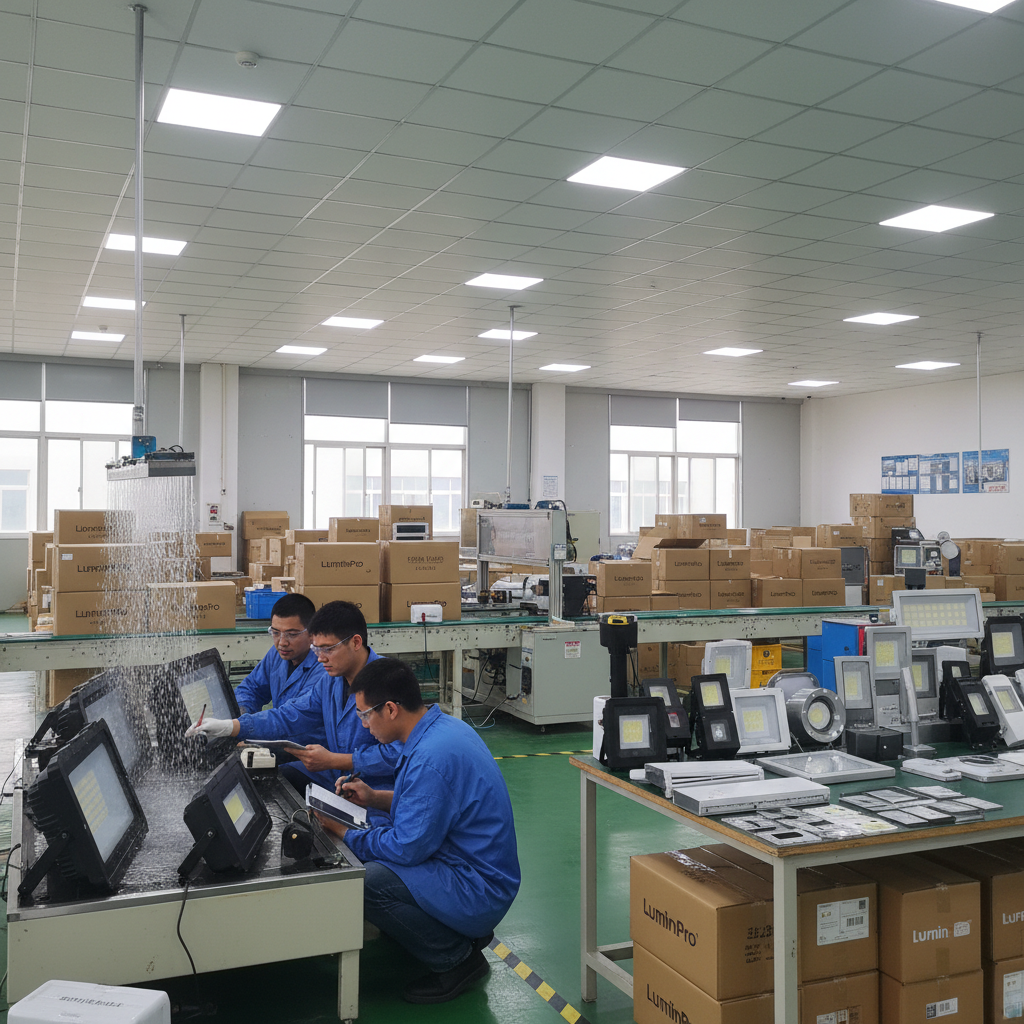
Imagine this꞉ you stand in a busy Vietnamese factory, observing workers crafting LEDs with skill and attention.
Vietnam's LED industry enjoys lower labor costs. Strategic trade agreements also help the industry. Increasing technological skills play a very important role too. These factors lead to competitive pricing and better quality. Vietnam is a really attractive spot for sourcing LED lights.

Cost Efficiency and Competitive Pricing
I first thought about getting LED lights from Vietnam and felt like I found something special, almost like a hidden treasure. Costs there are really low. Labor costs are less compared to China, which helps save money without losing quality. The trade benefits from the Vietnamese government helped cut costs even more. This was a nice surprise.
Strategic Trade Agreements
I enjoy finding new ways to grow my business. Learning about Vietnam's trade agreements changed everything for me. Vietnam is part of big trade deals like CPTPP1 and EVFTA2. These deals open doors to big markets with lower taxes. It's not only about saving money; it gives Vietnamese makers chances to stand out worldwide.
Technological Advancements
I visited a Vietnamese manufacturer and was really impressed by their technology use. They use advanced techniques and strict quality checks. Seeing them meet global standards is inspiring. Vietnam now looks like a strong option compared to old markets. This fact is important. It's crucial.
| Advantages | Details |
|---|---|
| Cost Efficiency | Lower labor costs and governmental incentives |
| Trade Agreements | Access to major markets with reduced tariffs |
| Technological Growth | Investment in advanced production technologies |
Strategic Location and Supply Chain Efficiency
Vietnam's location is a big plus. It is near main shipping routes, which means faster deliveries—important for my tight schedules. It's also close to China, making it easy to get raw materials.
The world cares more about being green, and Vietnam keeps up by using eco-friendly ways to manufacture. The LED industry in Vietnam is moving towards using energy-efficient tech, attracting buyers who care about the environment, like me—very appealing.
Emerging Market Opportunities
The market in Vietnam is growing fast with a growing middle class and quick urban development driving this growth. This leads to more demand for creative lighting solutions, meaning not just sourcing but maybe collaborating and partnering in a lively market.
Vietnam offers lower labor costs for LED manufacturing.True
Vietnam's labor costs are lower than neighboring countries, reducing expenses.
Vietnam lacks strategic trade agreements for LED exports.False
Vietnam is part of major FTAs like CPTPP and EVFTA, aiding exports.
How Does India's LED Manufacturing Compare to China's?
I often wonder how India's new LED industry compares to China's large and established one. Let's explore this bright comparison.
India's LED manufacturing industry is growing with a lot of promise. It focuses on domestic needs and government programs. On the other hand, China's LED sector is already very advanced. It leads the world with huge production capabilities and strong export systems.
Production Capacity and Scale
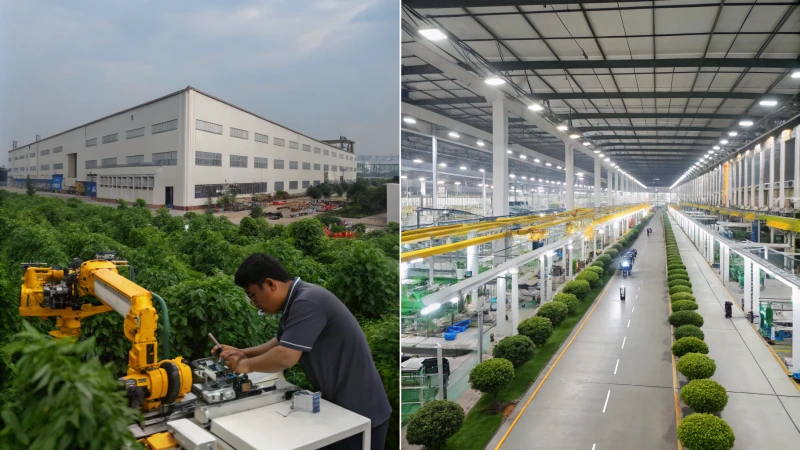
I recall walking through a busy factory in Shenzhen, seeing China's huge LED production with my own eyes. It's clear why they create over 60% of the world's LEDs. Their large size lets them reduce costs through scale, increasing their competitive advantage3. On the other hand, during my last trip to an Indian factory, I felt the quick growth there, driven by rising home demand and government efforts. Smaller but full of energy and ambition.
Cost Factors and Economic Policies
In China, the big size and help from the government have kept costs low for a long time. Changes like fewer tax breaks and higher tariffs are now causing some disruption. A conversation with a Chinese supplier made this clear when they complained about these shifts affecting their prices. In India, the high cost of importing raw materials is still tough. Yet, projects like "Make in India" are slowly gaining ground, promoting local production and cutting import needs.
| Factor | China | India |
|---|---|---|
| Scale | Large-scale | Growing |
| Cost Structure | Economies of scale | Import dependency |
| Government Aid | Subsidies | "Make in India" |
Technological Advancements and Innovation
China's strong emphasis on R&D keeps them advanced in technology. I’ve met many smart engineers there who constantly explore new ideas. Things are changing in India too; more companies invest now in energy-saving solutions4 for global markets. I find it thrilling to witness this push for technological progress.
Market Dynamics and Export Potential
China's proven market position labels them as a global LED export leader with broad networks. I’ve often admired their skill in international trade. India mostly serves its own needs but is eagerly widening its export plans.
Both countries have distinct strengths and hurdles in LED production. Grasping these details allows businesses like mine to choose better sourcing plans and project actions.
India's LED production is larger than China's.False
China produces over 60% of the world's LED products, leading globally.
China's LED industry benefits from government subsidies.True
Chinese manufacturers enjoy lower costs due to government subsidies.
What Are the Quality Concerns When Buying LEDs from These Regions?
Have you ever thought about diving into the sea of LED choices from countries such as China and India?
Buying LEDs from places like China and India comes with some concerns. Manufacturing standards often vary, which can really impact the quality. Sometimes, there may be no proper certifications. Raw material prices might change a lot. This affects how consistent and long-lasting the products are. Consistency is key here.

Understanding Manufacturing Standards
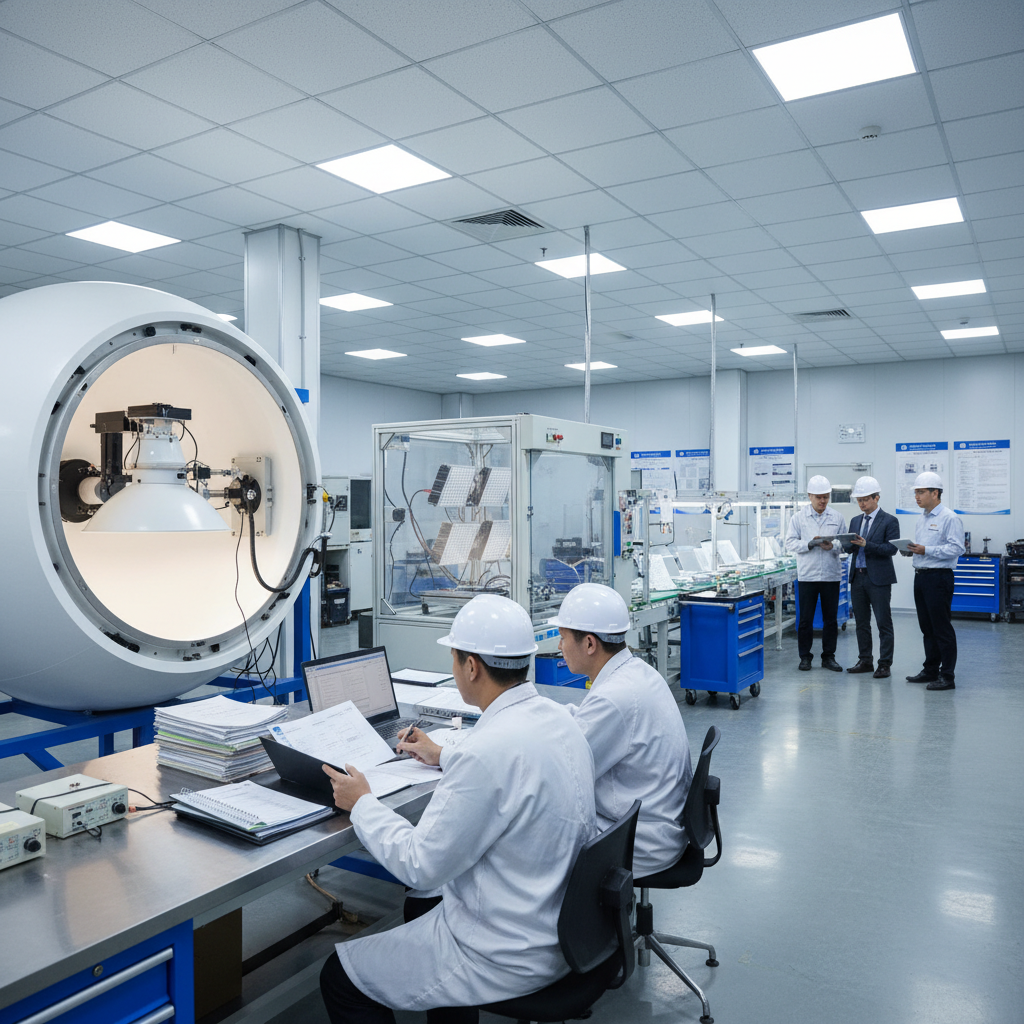
I recall the first time I tried to figure out buying LEDs from other countries. It felt like searching for the perfect avocado - sometimes you find a great one and other times, not really. In places like China and India, manufacturing standards vary a lot. Some factories follow strict quality control5 protocols, while others might not meet global expectations. It's like finding a needle in a haystack. However, knowing certifications such as CE, RoHS or UL helps you feel safer about safety and dependability.
Economic Factors Affecting Quality
Economic changes are like a rollercoaster. They are exciting but also a bit scary when trying to control expenses. China's changes in tax rebates on raw materials are raising prices, affecting the cost of those LEDs. The weaker yuan feels like a tug-of-war with your wallet - sometimes it saves money but maybe impacts quality over time.
Table: Economic Influences on LED Quality
| Factor | Impact on Quality |
|---|---|
| Tariffs | Increased costs leading to potential quality cuts |
| Raw Material Costs | Price hikes could affect consistency |
| Currency Fluctuations | May balance or exacerbate price changes |
Certification and Compliance Concerns
Certifications can seem like a tough puzzle. LEDs must go through all necessary tests. Checking these issues is crucial for products to meet safety standards and deliver what they promise. Buyers must verify if the products have undergone necessary testing by researching compliance issues6. Very crucial.
Impact of Production Capacity and Power Supply
China's large aluminium production supports its LED business; it feels like a big engine powering the LED industry. However, India sometimes struggles with power supply, affecting production quality—it's like baking a cake without enough ingredients; results may not be consistent. Checking reliability of supply chains7 from these regions is really important.
Markdown formatting, such as tables and links, helps understand quality challenges when buying LEDs from various places. Factors such as economic impacts and certification needs are crucial for wise decisions.
China's tax rebates on raw materials increase LED quality.False
Tax rebate changes may increase costs, potentially affecting quality negatively.
CE, RoHS, UL labels ensure LED safety and reliability.True
These certifications confirm compliance with international safety and quality standards.
How Can Rising Raw Material Prices Affect Your Business Decisions?
Understanding the ups and downs of raw material prices often feels like a risky challenge.
High raw material prices greatly affect your business. They raise production costs. This shift influences pricing strategies and sourcing choices. Businesses need to adapt. Adapting is essential. Profits depend on it. Competitiveness also depends on it.

Influence on Production Costs
I remember the first time I faced soaring raw material prices. It felt like trying to keep a sinking boat afloat in a storm. Suddenly, the budget tightened more than ever. When raw material prices rise, it's like a warning, pushing us to rethink our spending and costs. I got creative, searching for ways to save money and considering investing in better technology to survive.
| Raw Material | Cost Impact | Potential Response |
|---|---|---|
| Steel | High | Invest in recycling technologies |
| Aluminum | Moderate | Optimize supply chain management |
| Copper | Low | Adjust inventory levels |
Pricing Strategy Adjustments
Changing material costs disrupted my pricing plans more than I liked. It's like walking a tightrope, trying not to upset customers while keeping profits. Trying new pricing models, like dynamic pricing or value-based options8, became vital to maintain balance.
Sourcing and Supplier Relationships
When prices went up, I found myself reevaluating my supplier choices. Finding different suppliers or negotiating better terms became crucial. Building strong supplier connections not only softened the impact but provided market insights, helping me stay ahead.
Impact on Profitability and Competitive Positioning
Higher costs forced me to make tough choices to protect profitability. Using cost-saving steps and improving operations were essential. Improving product uniqueness9 became my main strategy to stay competitive, even as costs increased around me.
Strategic Planning and Risk Management
Facing these price hikes felt overwhelming at first, but it highlighted the importance of solid risk management. Creating backup plans and using financial tricks gave some much-needed protection against price changes. Regularly checking market conditions and tweaking plans became a part of my strategy for long-term strength.
Rising raw material prices increase production costs.True
Higher raw material prices lead to increased expenses for businesses.
Dynamic pricing is ineffective against rising material costs.False
Dynamic pricing helps adjust prices to maintain margins amidst cost changes.
Conclusion
With rising raw material prices in China, sourcing LED lights from Vietnam or India offers competitive pricing and strong manufacturing capabilities, but quality and logistics must be carefully considered.
- Learn about Vietnam's trade incentives that reduce manufacturing costs, offering a competitive edge. ↩
- Explore how Vietnam's trade agreements provide access to global markets with reduced tariffs. ↩
- Discover how China's vast production scale enhances its competitiveness in the global LED market. ↩
- Explore how Indian companies are innovating energy-efficient LED solutions for global markets. ↩
- Explores how different manufacturers implement quality control measures, helping you identify trustworthy suppliers. ↩
- Provides insights into frequent compliance pitfalls that could affect LED performance and legality. ↩
- Discover how supply chain dynamics impact product consistency, aiding in selecting stable suppliers. ↩
- Explore how value-based pricing can enhance profit margins and customer satisfaction in fluctuating market conditions. ↩
- Learn how differentiating your products can maintain competitiveness even when facing rising raw material costs. ↩