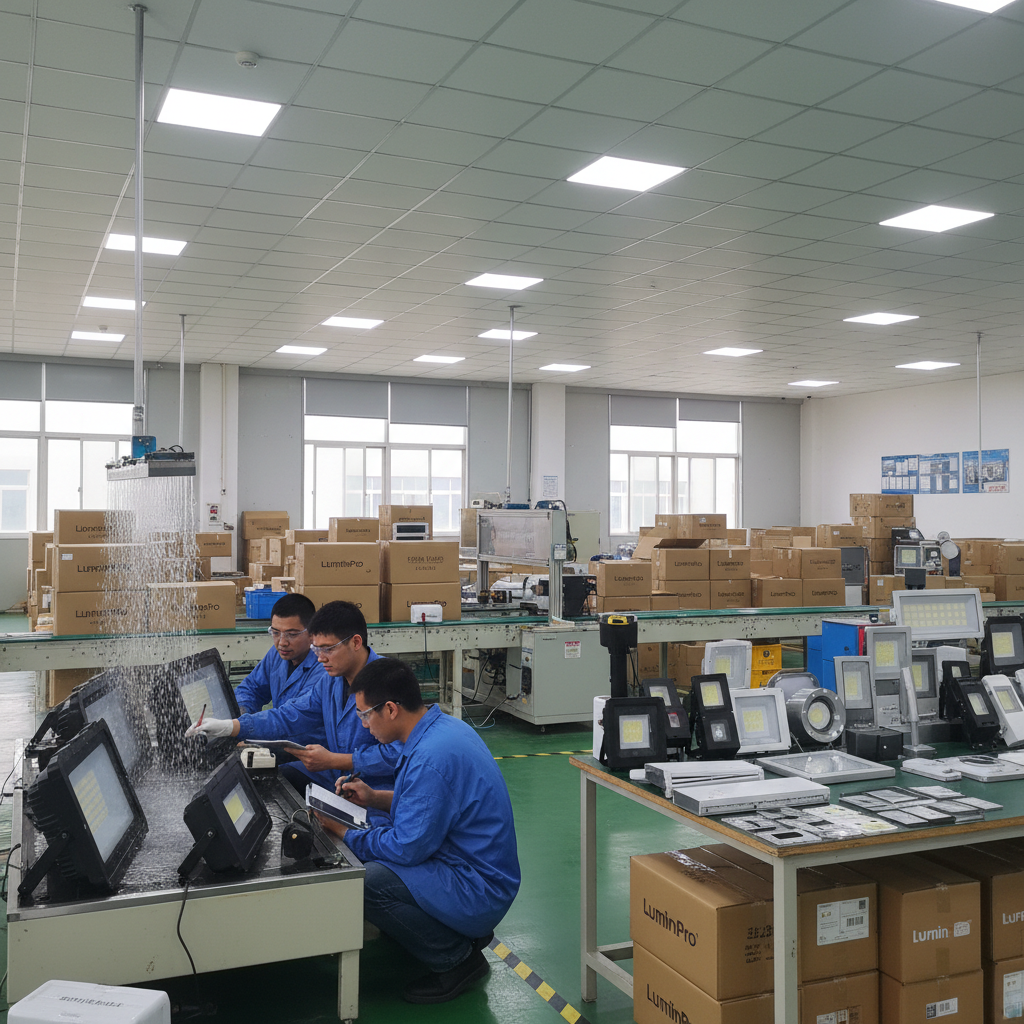

Picture hospital operations changing by using the sun's power. It's not only about saving money. It's also about being reliable and sustainable.
Hospitals should look at using solar-powered lights because they possibly lower electricity bills a lot. This lighting reduces the need for grid power during outages, making services more dependable. Very helpful. By choosing this, hospitals promote eco-friendly actions and direct more funds to patient care and modern medical services.
I walked through a hospital late at night. The halls were dim and machines hummed softly in the background. Energy flowed through the building, keeping important systems running. At that moment, I thought about solar-powered lighting. It could save money and provide a stronger power source. This is especially important during surprise power cuts.
Cost savings and sustainability offer clear benefits. But hospitals need to know how solar lighting fits into their systems. Choosing the right technology is a first step. Getting past any challenges is also important. This guide looks into how hospitals switch to solar power effectively.
Solar lighting reduces hospital electricity costs by 30%.False
The exact percentage of cost reduction can vary based on several factors.
Solar-powered systems enhance reliability during power outages.True
Solar systems provide backup power, ensuring continuous operation in outages.
How Can Hospitals Benefit from Solar Energy?
Picture a hospital that not only saves money but also looks after the environment and provides dependable patient care.
Hospitals use solar energy and enjoy lower electricity bills. They depend less on grid power. Solar systems bring dependable operations. This shift helps create sustainable healthcare. Carbon emissions drop. Running costs go down too.

Financial Benefits of Solar Energy in Hospitals
I once visited a hospital with a friend who worked there. He kept talking about how switching to solar energy changed everything. The hospital dramatically reduced its electricity bills1. This is significant since hospitals operate 24/7. It's like finding extra money you can now use to care for patients or improve hospital facilities. Imagine improving patient services thanks to savings from sunlight!
Here's a simple breakdown:
| Cost Element | Traditional Energy | Solar Energy |
|---|---|---|
| Monthly Expenses | High | Lower |
| Long-term Savings | Minimal | Significant |
Reliability and Energy Independence
In areas where power cuts happen often, hospitals need power without breaks for essential functions. I heard about a hospital that continued to work smoothly during a big power outage. Solar panels and battery storage helped them. It's reassuring to know that life-saving machines won't stop during grid failures. Hospitals with solar power systems and emergency backup systems2 can continue all vital services.
Environmental Impact and Public Health
Using solar energy doesn't only save money; it also benefits the planet. By cutting greenhouse gas emissions, hospitals help public health. Clean air helps everyone, especially patients and staff who spend much time inside the hospital. Studies show solar panels can greatly lower a hospital's carbon footprint, creating a healthier world.
Improved Image and Community Relations
Hospitals that use solar energy often gain a reputation for being advanced and eco-friendly. It's like when you choose to be sustainable personally and people view you as caring about the future. This dedication not only draws in eco-aware patients but also establishes a leading role in healthcare sustainability.
Such practices might lead to government incentives3, making solar panel investments even more attractive. These steps align with global efforts to support renewable energy in hospitals, ensuring sustainability for the future.
Solar energy use in hospitals offers many benefits beyond saving money. By creating an eco-friendly environment, hospitals can keep critical services running even during blackouts.
Solar energy reduces hospital electricity costs.True
Hospitals save on electricity bills by using solar power, reducing expenses.
Solar panels increase hospitals' carbon footprint.False
Solar panels reduce greenhouse gas emissions, lowering the carbon footprint.
How Can Solar Lighting Ensure Reliable Power in Hospitals?
Ever thought about how crucial steady power is in hospitals? Solar lighting could be the solution!
Solar lighting offers dependable power for hospitals. It provides a sustainable and independent energy source. Hospitals rely less on the grid. This lighting works during power cuts. Continuous operation is critical for patient care. Medical equipment needs it, too.

The Role of Solar Energy in Healthcare
One stormy night, the lights went out and I started worrying about hospitals in such times. Hospitals in areas with many power cuts find hope in solar energy. By using photovoltaic panels, they can generate their own electricity to maintain essential services, even during grid failures. This autonomy allows for consistent operation of life-support systems and other vital equipment.
Financial Benefits of Solar Lighting
Watching electricity bills get smaller feels almost magical. Hospitals installing solar systems save lots of money. Saved funds then improve patient care or buy new medical equipment. For instance, a hospital administrator once told me they saved thousands each year with a 100 kW solar system, making it a cost-effective4 choice.
| Solar System Size | Annual Savings |
|---|---|
| 50 kW | $15,000 |
| 100 kW | $30,000 |
| 250 kW | $75,000 |
Environmental Impact
Using solar energy is not only smart financially but also wise for the environment. It significantly lowers carbon emissions by reducing reliance on fossil fuels. This aligns hospitals with global sustainability goals and enhances their public image as environmentally responsible institutions. Moreover, solar systems contribute to long-term environmental benefits5, preserving resources for future generations.
Choosing the Right Solar Products
The right solar product plays a big role. Efficient and trustworthy solar items prove essential for hospitals. Trustworthy suppliers understand healthcare needs, keeping everything running well. Collaborating with experienced suppliers ensures compliance with healthcare standards and guarantees timely delivery. Partnering with manufacturers who offer complete solutions simplifies integrating solar energy; it feels strategic rather than overwhelming.
Case Studies: Solar Success in Hospitals
In India, a hospital cut energy costs by 40% using solar panels and battery systems. Reliable power supply during frequent grid issues showed me the strength of solar energy. Such stories reveal the impact of solar lighting6 in healthcare settings.
Overcoming Challenges in Solar Implementation
Challenges are part of progress. Initial costs and space needs may feel big; however, exploring options like government help or partnering with renewable energy firms opens doors to solar energy solutions to offset costs. Checking available rooftops or nearby land is important for placing solar panels well—turning challenges into chances for new ideas and growth.
Solar panels reduce hospital electricity bills by 50%.False
Solar panels can significantly reduce bills, but typically not by 50%.
Hospitals with solar panels have lower carbon emissions.True
Solar energy reduces reliance on fossil fuels, lowering carbon emissions.
What should hospitals consider when choosing solar solutions?
Choosing solar energy for a hospital is a major step. It offers savings and supports the planet. What needs checking before diving in?
Hospitals probably need to look at energy requirements, financing choices and solar provider trustworthiness. They should also consider how solar solutions fit with current systems. These thoughts result in very good performance and lower costs.

Assessing Energy Needs
Imagine a busy Monday morning at the hospital. Every medical tool runs smoothly, all thanks to stable energy. Studying how much energy is used is important. We studied peak times when energy use is highest and the overall energy needs. It felt like solving a puzzle. This helps solar power work with or replace usual energy sources. A thorough study supports building a system that fits exact needs. Very precise.
Evaluate peak demand times, the total energy required, and how solar can supplement or replace conventional sources. A detailed analysis helps in designing a system7 that meets your specific needs.
Financing Options
Solar power costs can seem like a large step. When I first explored this, I was surprised by many payment options - agreements, leases, loans - each with benefits and downsides. I spent time comparing these to find the best choice that helps with owning and saving money correctly. Really, no one option suits everyone.
Explore various financing avenues like power purchase agreements, leases, or loans. Each option has its pros and cons, affecting ownership and financial savings. Hospitals must compare these options8 to find the most viable solution.
Reliability of Solar Providers
Choosing a solar provider is like picking a trustworthy partner. I investigated providers’ histories and client opinions, similar to checking a business partner. Provider certifications were significant in my choice. This decides if the system and parts are reliable for a long time. Long-lasting results depend on this.
Partnering with a reliable provider ensures quality installation and maintenance services. Assess the provider's track record, client reviews, and any certifications they hold to ensure long-term reliability9 of the system and its components.
Integration with Existing Systems
I remember how smooth we wanted the change when adding solar to hospital systems. We didn't want disruptions. It was key to see how solar would connect with backup generators or the power grid. Using mixed systems appeared as a smart solution to handle energy use better, especially during busy times.
Consider how solar will integrate with existing hospital systems like backup generators or grid connections without disrupting operations using hybrid systems10.
Environmental Impact
Sustainability matters greatly to me. Choosing solar went beyond cutting down carbon emissions; it was also about thoughtful choices in creating and removing solar panels.
My study on environmentally-friendly solar items led us to green choices that matched our hospital's goals.
Maybe even influenced future actions.
Hospitals have a responsibility towards sustainability; opting for solar reduces carbon footprint but also consider manufacturing impacts by researching eco-friendly solar products11.
Cost-Benefit Analysis
Doing a full cost-benefit study felt like drawing our financial future.We weighed start-up costs against savings on energy bills over time including possible government perks for using renewable energy.This helped judge if project was financially sound.Very crucial step.Conduct comprehensive cost-benefit analysis weighing initial investment against long-term savings factoring potential incentives aiding evaluation of project's viability.
| Consideration | Importance |
|---|---|
| Energy Needs | Tailors the system to specific consumption patterns |
| Financing Options | Affects initial costs and long-term savings |
| Provider Reliability | Ensures quality and consistent service |
| System Integration | Guarantees uninterrupted hospital operations |
| Environmental Impact | Aligns with sustainability goals |
| Cost-Benefit Analysis | Determines financial feasibility and returns on investment |
Hospitals must assess peak energy demand for solar planning.True
Understanding peak demand helps tailor solar systems to meet specific needs.
Solar solutions always reduce a hospital's carbon footprint.False
Manufacturing and disposal of panels can also impact the environment.
Besen led is a leader of Solar light manufacturer
At Besenled, we specialize in delivering top-tier LED lighting solutions, including LED strip lights, linear lights, neon lights, and innovative mosquito killer lights. With our cutting-edge factory featuring 5 advanced production lines, we ensure high-quality products tailored to meet your unique needs.
As a trusted B2B wholesale supplier, we proudly serve clients across Central Asia, North America, South America, Europe, and beyond. Our dedication to custom design, quality assurance, and brand identity makes us the go-to partner for large corporate buyers, construction firms, and LED distributors.


With Besenled, you’re not just getting superior lighting products—you’re gaining a reliable partner that values efficiency, transparency, and customer satisfaction.
Ready to transform your lighting projects?
Click Here Today! To discover how Besenled can illuminate your busines success!
Conclusion
Hospitals can significantly reduce costs and enhance reliability by adopting solar-powered lighting, ensuring uninterrupted operations during outages while promoting sustainability and reallocating funds to patient care.
Explore how solar energy reduces electricity costs for hospitals, allowing funds to be redirected toward patient care. ↩
Learn about integrating solar power with emergency backup systems to ensure continuous hospital operations. ↩
Find out about financial incentives for hospitals adopting solar energy, easing installation costs. ↩
Exploring cost benefits helps readers appreciate the financial advantages of adopting solar lighting. ↩
Learning about environmental impacts underscores the sustainability benefits of using solar power. ↩
Discovering examples of reliability showcases real-world success stories of solar energy implementation. ↩
Learn about creating tailored solar solutions for hospital energy needs. ↩
Explore different financing models and their benefits for hospitals. ↩
Find top-rated solar providers known for quality and reliability. ↩
Understand the integration of hybrid systems for efficient energy management. ↩
Discover sustainable solar products with reduced environmental impact. ↩