I see buyers pay for LEDs that look efficient on paper but waste power on site. I solve this by checking design, testing, and production control.
LED light manufacturers ensure product energy efficiency by optimizing chips, optics, drivers, and heat control, then proving results with LM-79, LM-80, third-party labs, and certification programs like ENERGY STAR and DLC.
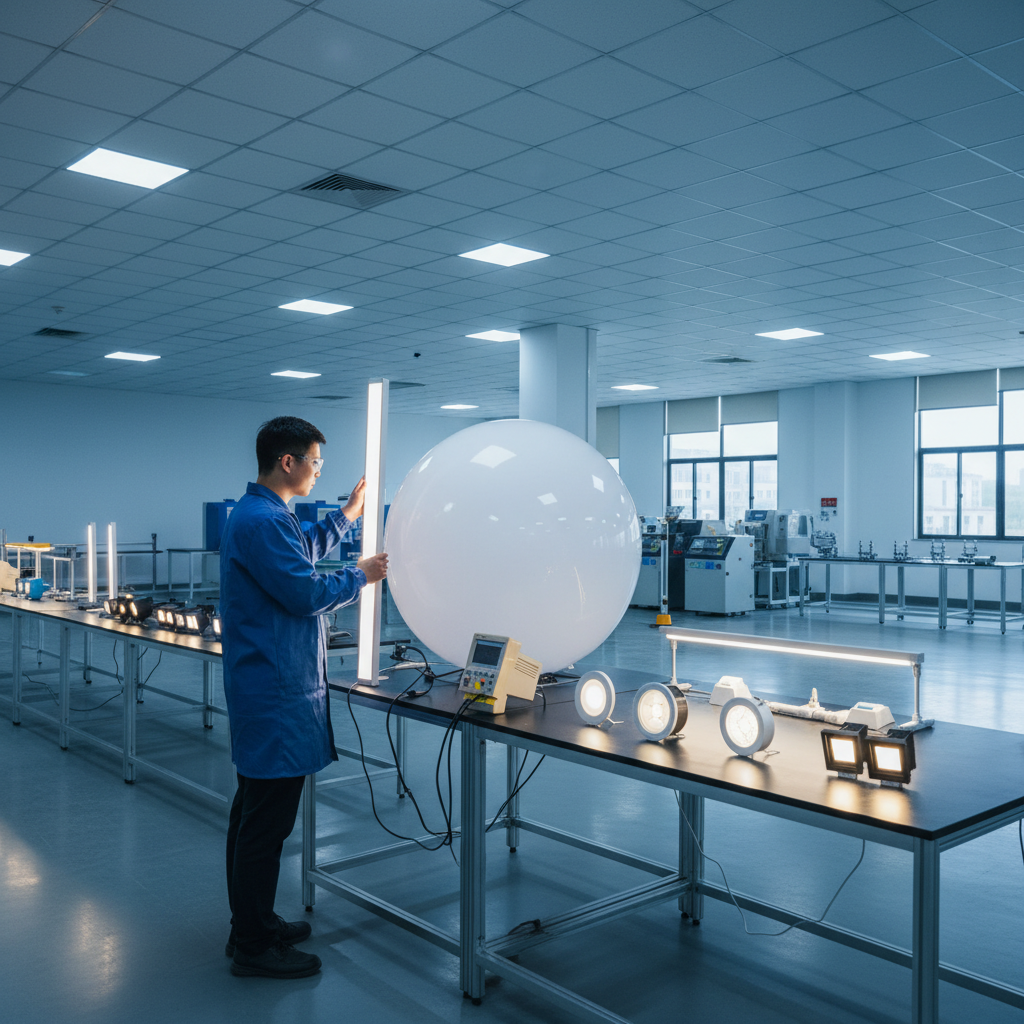
I focus on the full fixture, not only the chip. That is what separates a low-bill lighting system from a cheap product that disappoints after installation.
1. From Chip to Fixture: How LED Design Choices Make or Break Energy Efficiency
I often see buyers compare only wattage. That creates expensive mistakes. I avoid this by designing the whole fixture for usable light, not lab numbers.
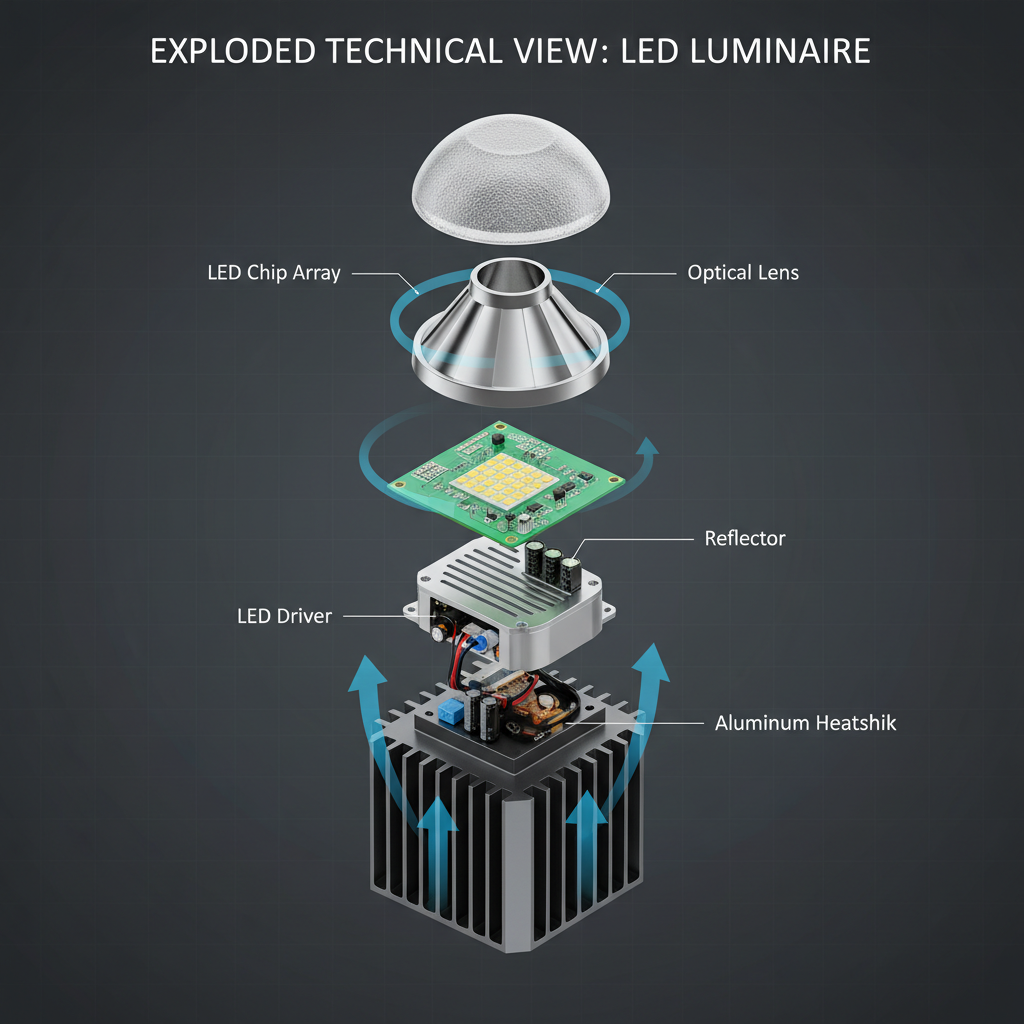
Manufacturers ensure efficiency by selecting strong LED chips and matching them with efficient drivers, optics, and thermal paths so the finished luminaire delivers more useful light per watt.
The chip is only the starting point
I start with LED packages that offer high luminous efficacy, stable output, and good bin consistency. A chip may look excellent in a datasheet at 25°C. Real fixtures run hotter. Real output changes with current and temperature. That is why I care about the full system.
I look at drive current first. Overdriving raises initial brightness but lowers efficacy and raises heat. Heat then reduces light output and shortens life. The U.S. Department of Energy has long noted that thermal management is critical to LED performance and reliability.1 I use aluminum housings, proper PCB layout, and enough surface area to move heat away from the junction.
Optics matter too. A bare chip can produce strong raw output, but a poor diffuser or lens wastes light. I want the highest useful lumen level on the target surface, not only a high source number. Driver efficiency also affects total system results. A 94% efficient driver wastes much less power than an 85% unit. Across large projects, that gap turns into real utility cost.
| Design element | What I check | Impact on energy efficiency |
|---|---|---|
| LED chip | Bin consistency, efficacy, current range | Higher base light output per watt |
| Driver | PF, THD, efficiency, dimming | Less power loss in conversion |
| Optics | Lens transmission, beam angle | More useful light reaches the task area |
| Thermal path | Heatsink size, MCPCB, housing design | Protects output and life over time |
| Fixture layout | LED spacing, diffuser, reflector | Reduces waste and hot spots |
I also review CRI, color temperature, and CCT. Higher CRI can reduce efficacy in some product designs. I balance visual quality and energy targets based on the project. A warehouse high bay has different needs than a retail linear light.
When I develop products at Besenled, I do not treat strip lights, linear lights, and commercial fixtures the same way. Each application needs its own optical and thermal strategy. That is how a serious factory protects actual efficiency, not just brochure efficiency.
2. Beyond the Spec Sheet: How Leading LED Manufacturers Test and Prove Energy Performance
I know spec sheets can be copied. That creates risk for buyers. I reduce that risk by asking for accredited test data and matching reports.
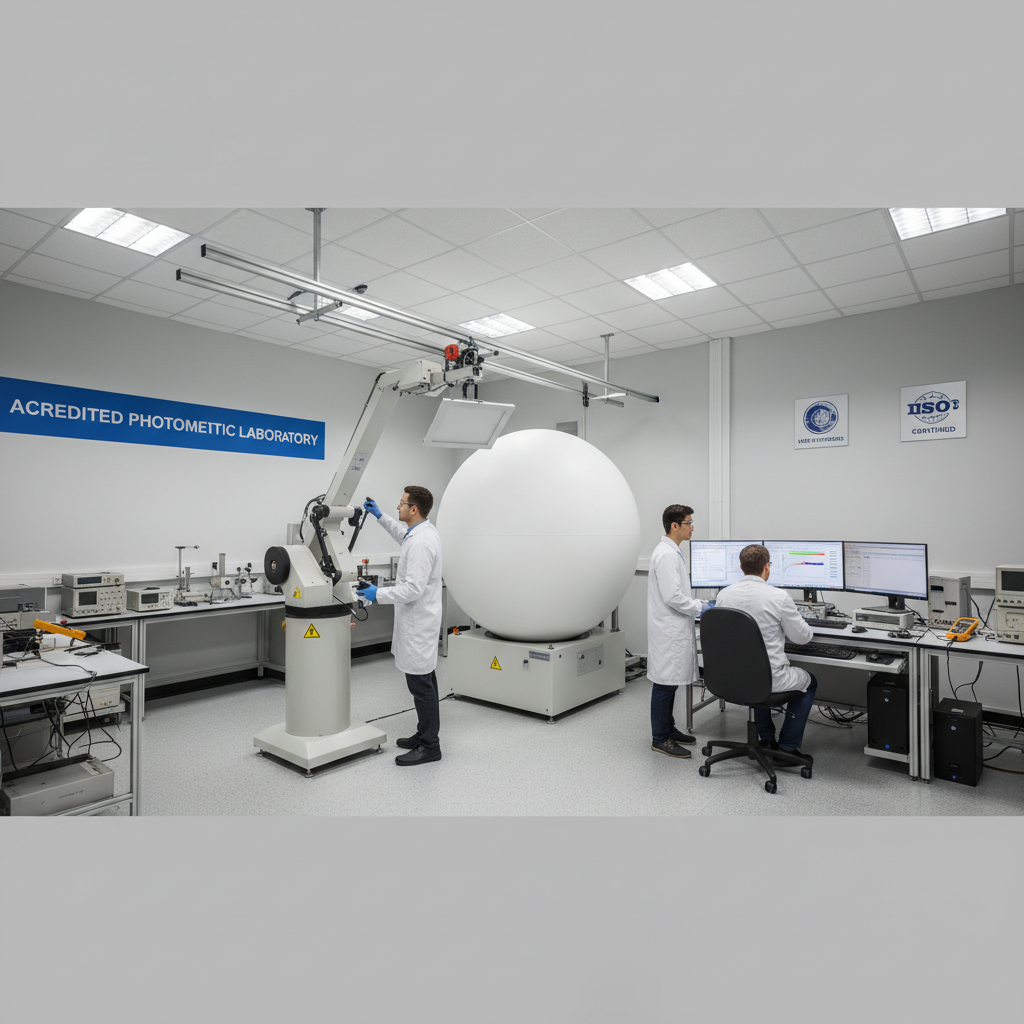
Leading LED manufacturers prove efficiency by testing finished luminaires to LM-79, checking component life data with LM-80, and using independent lab reports and certification listings.23
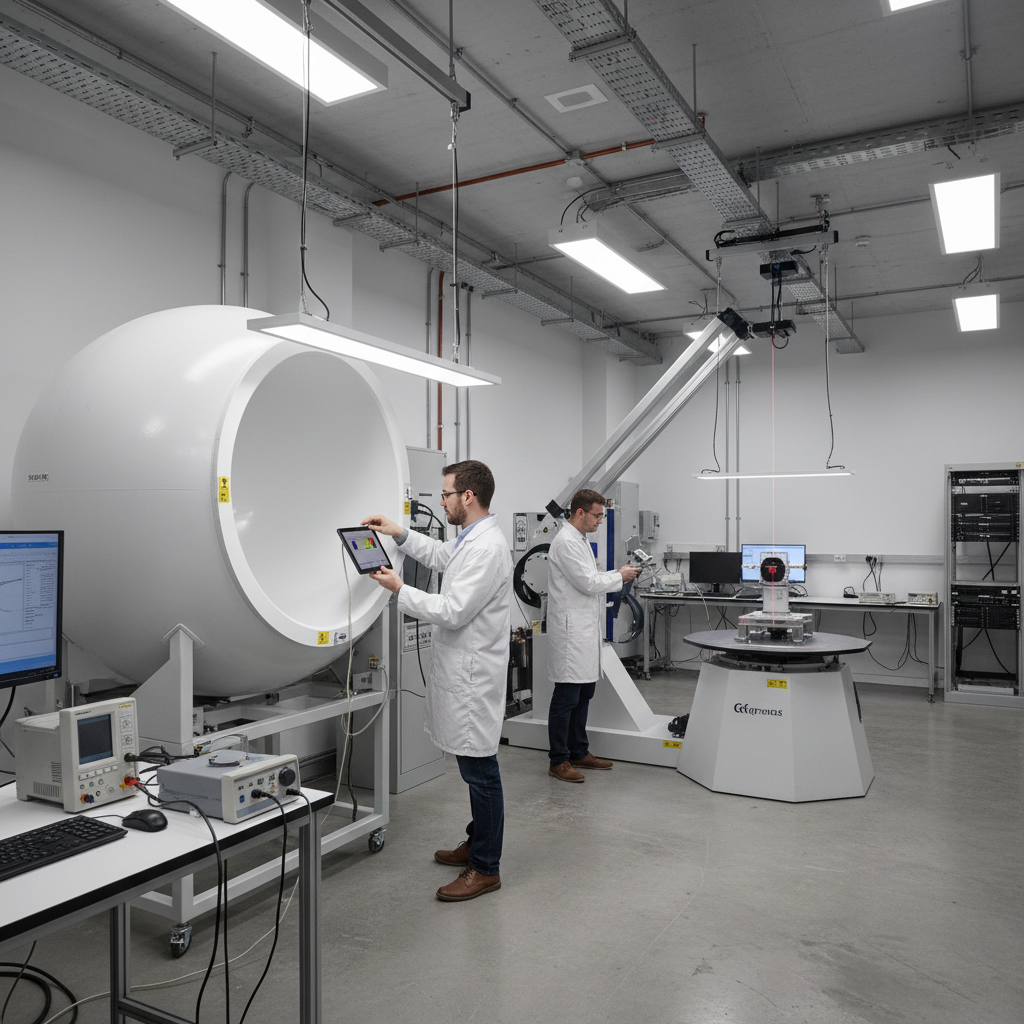
Lab data should describe the complete fixture
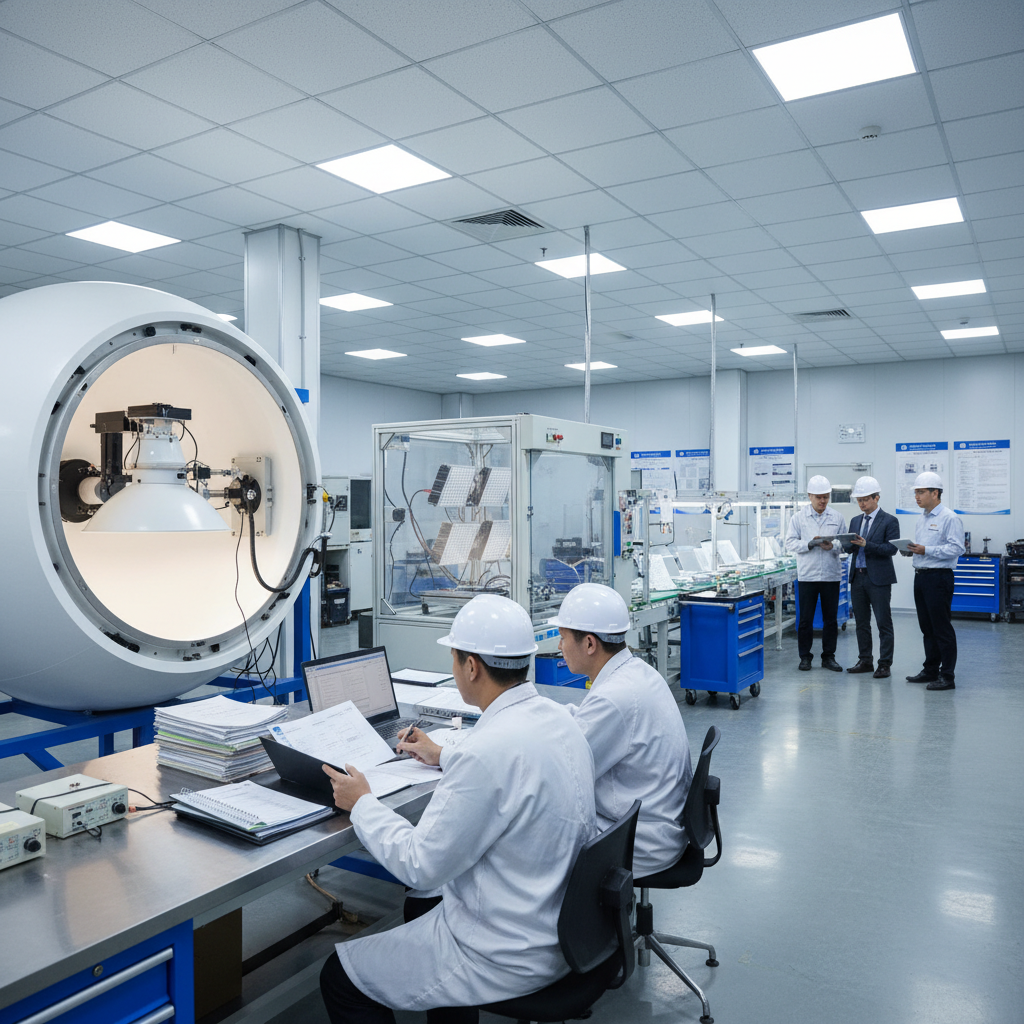
I trust measured luminaire data more than chip claims. LM-79 is the key test for complete LED product performance. It measures electrical power, photometric output, and efficacy of the finished fixture, not only the LED package.2 That matters because the fixture includes optical losses, thermal effects, and driver losses.
LM-80 is different. It tracks lumen maintenance of LED packages, arrays, or modules over time.3 It does not test the full fixture. I use it to understand long-term behavior of the light source. For life claims, manufacturers often combine LM-80 data with TM-21 projections. Buyers should know these terms because many low-cost suppliers misuse them.
Third-party certification adds another layer. ENERGY STAR and DLC programs set efficacy and performance thresholds for many lighting categories.45 These programs do not replace engineering review, but they help buyers filter weak products fast.
| Test or program | What it covers | Why I ask for it |
|---|---|---|
| LM-79 | Full luminaire electrical and photometric performance | Confirms actual fixture efficacy |
| LM-80 | LED source lumen maintenance over time | Supports durability and life review |
| TM-21 | Projection method using LM-80 data | Helps assess long-term output claims |
| ENERGY STAR | Qualified product criteria | Shows verified efficiency for eligible categories |
| DLC | Commercial lighting qualification | Useful for rebate-driven and commercial projects |
I also review power factor, total harmonic distortion, and driver flicker behavior. A product can be efficient and still perform poorly in sensitive spaces if the driver is weak. In offices, schools, and retail areas, that detail matters.
At Besenled, we support B2B buyers with report review, certification files, and batch-level QC records. I know many distributors worry about fake certificates. I always recommend verifying the report number, lab name, and certification listing, not only the PDF image.
3. Smarter Systems, Lower Bills: How Controls and System Design Multiply LED Energy Savings
I often see efficient fixtures installed in inefficient systems. That leaves savings on the table. I solve this by pairing LED hardware with controls.
Manufacturers and project teams multiply LED savings by adding dimming, occupancy sensors, daylight harvesting, scheduling, and networked controls that cut runtime and unnecessary output.6
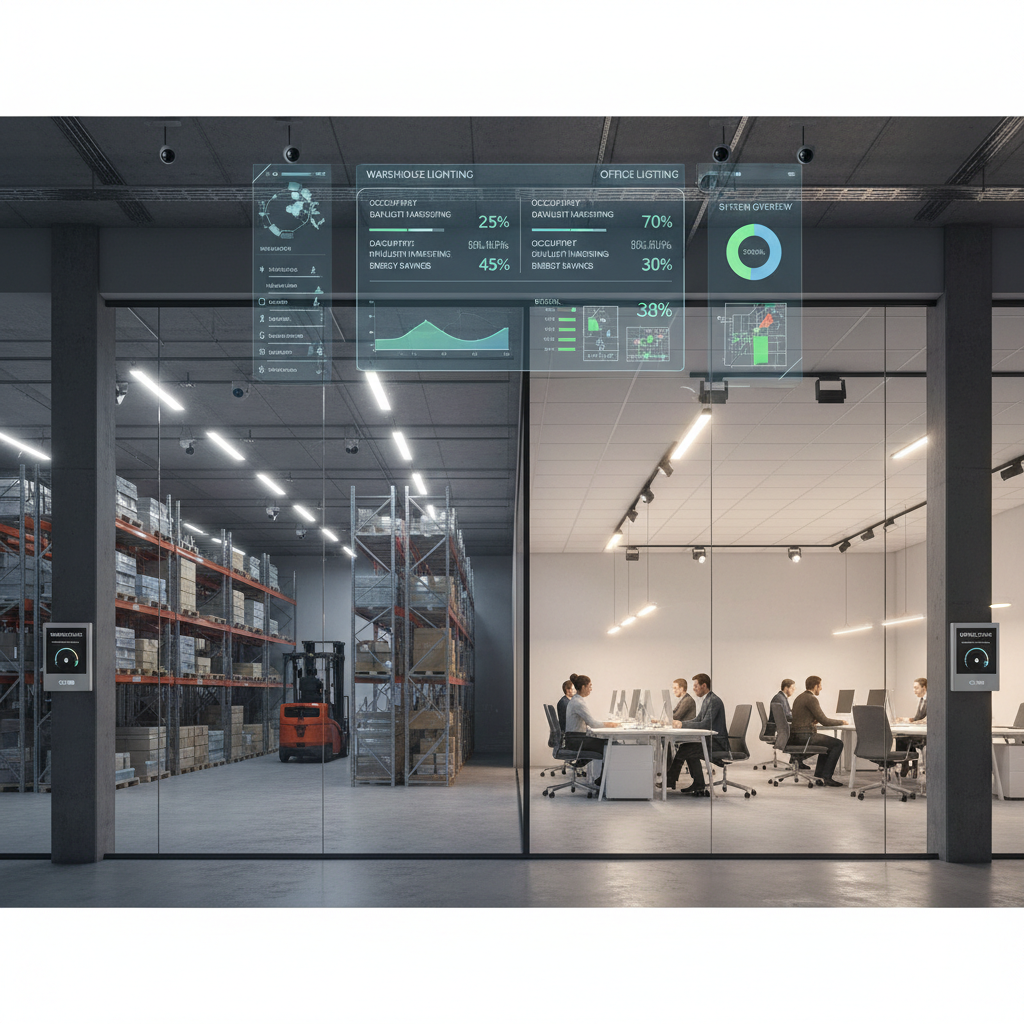
Fixture efficiency and system efficiency are not the same
I separate product efficacy from system savings. A fixture may deliver 140 lm/W. If it runs at full output all day in empty spaces, the project still wastes energy. Controls address that gap.
Occupancy sensors help in warehouses, corridors, parking areas, and storage rooms. Daylight harvesting works well near windows, skylights, and open industrial zones. Scheduling reduces overnight waste in offices and retail sites. Networked systems add zone control, demand response, and energy monitoring.
The U.S. Department of Energy highlights controls as a major path to extra savings in connected lighting systems.6 In many projects, I see LED conversion save 50% or more compared with fluorescent or HID. Controls can push total savings further when the site has variable occupancy or natural light.7
I also check fixture compatibility with 0-10V, DALI, or wireless protocols. A dimmable driver is not enough. The control logic, sensor placement, and commissioning quality all matter. Poor setup can cause user complaints or reduced savings.
| System feature | Best use case | Energy-saving effect |
|---|---|---|
| Occupancy sensor | Warehouses, parking, toilets | Cuts idle runtime |
| Daylight harvesting | Offices, schools, retail fronts | Lowers output when sunlight is present |
| Scheduling | Chains, campuses, signage | Prevents after-hours waste |
| Zoning | Large commercial buildings | Matches light levels to actual use |
| Dimming scenes | Retail, hospitality, meeting rooms | Reduces power during lower-demand periods |
For outdoor projects, I also review IP65 requirements and control strategy together. A smart floodlight that fails outdoors is not efficient over its life. Product protection and system intelligence must work together.
4. A Buyer’s Checklist: How to Verify an LED Manufacturer’s Energy Efficiency Claims
I know many buyers get polished quotes but weak products. That gets costly fast. I avoid this by using a strict verification checklist before ordering.
To verify LED efficiency claims, I check third-party reports, certification listings, driver specs, thermal design, production QC, and consistency between tested samples and shipped batches.

What I ask before I approve a supplier
I start with the full product file. I ask for LM-79 reports, certification numbers, datasheets, driver brand details, and housing material information. If the supplier cannot provide matching files, I slow down.
I compare rated wattage, efficacy, and output across all documents. Numbers should align. If the report says 132 lm/W and the catalog says 160 lm/W for the same SKU, I ask why. A trustworthy manufacturer explains test conditions clearly.
I also check whether the product is truly UL listed or just uses a UL-recognized component. That difference matters in North America. For Europe and many other markets, I review CE and RoHS compliance and ask who issued the supporting reports.
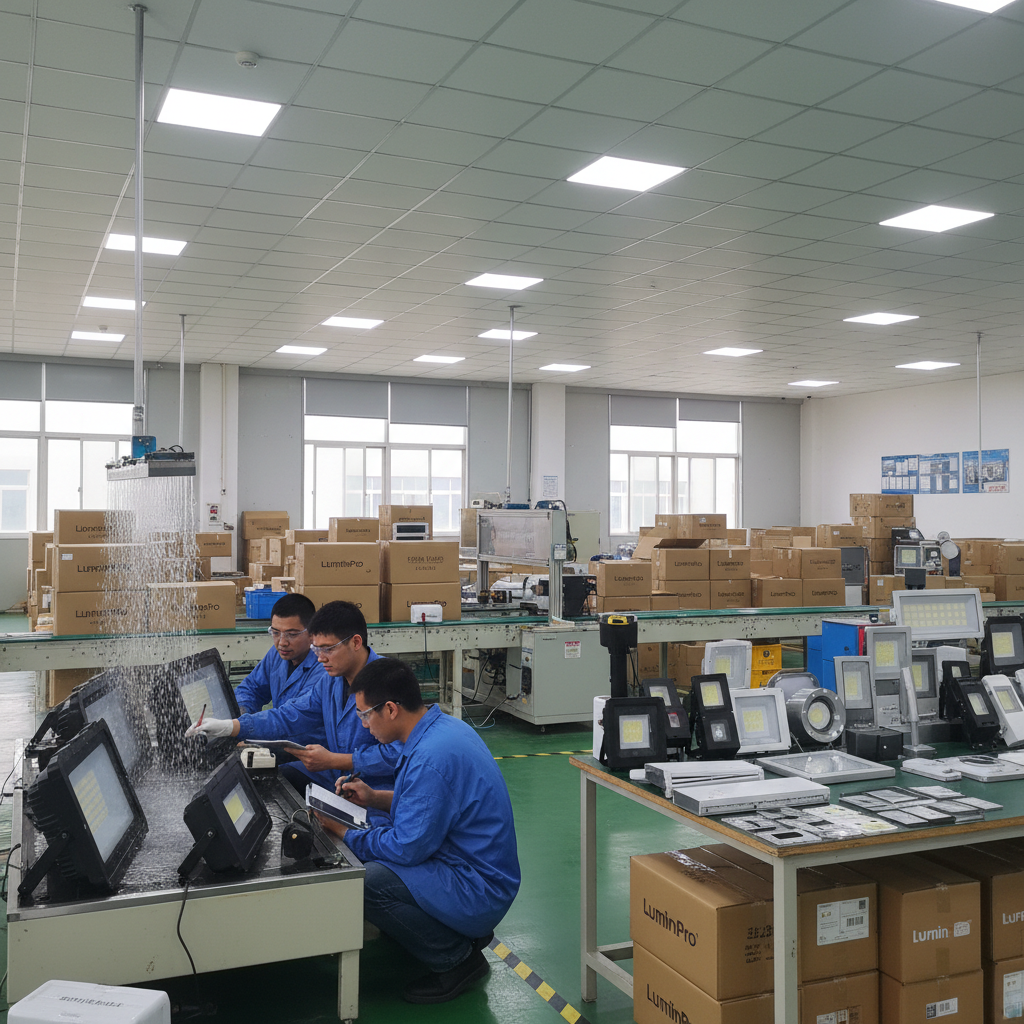
Mass production control is the last filter. Serious factories use IQC, in-process inspection, aging tests, and batch sampling. ISO9001 helps, but I still ask how they control bin changes, driver substitutions, and assembly variation. That is how manufacturers keep field performance close to tested performance.
| Buyer checkpoint | What I ask for | Red flag |
|---|---|---|
| LM-79 report | Full lab report with SKU match | Only summary screenshot |
| Certification | Public listing or verifiable number | Untraceable PDF only |
| Driver data | Efficiency, PF, dimming, brand | “Equivalent” driver with no model |
| Thermal design | Heatsink details, temp data | No mention of thermal path |
| QC process | IQC, aging, sampling records | No batch traceability |
| Production capacity | Lines, lead time, MOQ | Unrealistic promises |
As a direct factory in Zhongshan, Besenled supports wholesale buyers, OEM partners, and project contractors with these records because I know cautious buyers need proof. Jose in Mexico, for example, may want rebranding, fast delivery, and price control. He still needs reliable data before he commits. I respect that buying process.
5.faq:
I know buyers still have practical concerns after technical reviews. I answer those directly because certification, MOQ, and delivery often decide the order.
The most common questions are about proof, standards, product differences, operating cost, and what to ask a manufacturer before placing a B2B order.

Quick buyer answers before you request a quote
I hear the same concerns from distributors, contractors, and developers. They want lower bills, but they also want stable supply, honest documents, and products that perform the same in every batch. That is reasonable.
I answer those concerns with a practical method. I review the tested efficacy of the full luminaire. I confirm whether the product is listed under ENERGY STAR or DLC when relevant. I compare wattage, light output, beam control, and driver efficiency. I check production controls because the tested sample means little if the delivered goods change.
For project buyers, I also look at application fit. Two products can be efficient on paper and still create different energy bills if one sends light in the wrong direction or runs hotter on site. That is why optical design, housing quality, and controls matter.
If I am sourcing from a new factory, I ask for a sample, a recent test report, a certification listing, and a lead-time plan. A good supplier can answer clearly. A weak supplier usually hides behind generic catalogs.
1. How do I know if an LED light is truly energy efficient?
I check the tested luminaire efficacy, not only wattage. I ask for LM-79 results, full light output, and driver data. I also compare the fixture to the application, because useful delivered light matters more than marketing claims.
2. What standards or certifications prove LED energy efficiency?
I look first at LM-79 for complete fixture performance and LM-80 for LED source maintenance data. For market recognition, I review ENERGY STAR and DLC listings when the product category applies.
3. Do all LED manufacturers design products the same way?
No. I see major differences in chip binning, driver choice, thermal design, optics, and quality control. Two products can look similar outside and perform very differently over time.
4. Why can two LED products with the same wattage give different brightness and bills?
Wattage only shows power input. It does not show optical loss, driver efficiency, beam control, or thermal stability. A better fixture turns more input power into useful light and may need fewer units in the project.
5. How much more efficient are LEDs than traditional lighting?
In many applications, I see LEDs reduce lighting energy use by about 50% to 80% compared with older fluorescent, halogen, or HID systems, depending on the baseline and controls.7 The exact result depends on hours, layout, and product quality.
6. Does adding smart controls really save extra energy if I already use LEDs?
Yes. LEDs cut fixture power. Controls cut wasted runtime and output. In spaces with irregular occupancy or strong daylight, the extra savings can be significant.6
7. What questions should I ask an LED manufacturer about efficiency?
I ask for LM-79 reports, driver efficiency, thermal design details, control compatibility, certification listings, and batch QC methods. I also ask whether the shipped product will match the tested SKU exactly.
Frequently Asked Questions
Can you provide samples before a bulk order?
Yes. I recommend samples for new SKUs, private-label projects, and large tenders. A sample lets me verify build quality, light output, finish, and installation fit before mass production.
What certifications should a B2B buyer request first?
I usually request LM-79 data, CE or UL documents based on the market, and RoHS files. For commercial rebate or specification projects, I also check DLC or ENERGY STAR eligibility if relevant.
How do you control quality consistency in factory production?
I look for IQC, in-process QC, aging tests, and batch sampling. A reliable factory should track key parts like LED bins, drivers, and housings so the shipped batch matches the approved sample.
Do you support OEM or customized branding?
Yes. Many distributors want logo printing, custom packaging, or tuned specifications. I treat customization as part of the project plan, not as an afterthought, because branding and compliance must still match the tested product.
What about MOQ and delivery time?
MOQ depends on the product type and customization level. For a factory with stable production lines, standard models can move fast, while OEM orders need time for artwork, sample approval, and batch scheduling.
How do I avoid fake certificates from suppliers?
I verify certificate numbers on official platforms or ask the lab for confirmation. I never rely only on a PDF sent in email because edited files are common in low-trust sourcing situations.
Conclusion
I ensure LED energy efficiency by checking full-system design, real testing, smart controls, and production consistency before I trust any supplier claim.

Ready to Source? Let's Talk.
Want samples, catalogs, or a project quotation?
Contact Rain Cai: sales10@besenled.com | www.besenledlight.com
Sources
- DOE Solid-State Lighting Technology Fact Sheet: Thermal Management of LEDs — https://www.energy.gov/eere/ssl/thermal-management-leds ↩
- LM-79 Approved Method Overview — https://www.ies.org/standards/committee-materials/approved-method-ies-lm-79-19/ ↩ ↩
- LM-80 Approved Method Overview — https://www.ies.org/standards/committee-materials/approved-method-ies-lm-80-21/ ↩ ↩
- ENERGY STAR Light Bulbs — https://www.energystar.gov/products/light_bulbs ↩
- DesignLights Consortium Qualified Products Lists — https://www.designlights.org/ ↩
- Connected Lighting Systems and Controls — https://www.energy.gov/eere/ssl/connected-lighting-systems ↩ ↩ ↩
- Saving Energy with LED Lighting — https://www.energy.gov/energysaver/led-lighting ↩ ↩
Topic cluster context
How do LED light manufacturers ensure product energy efficiency?
This guide supports the Certification & Trust hub. Product, protocol, certification, ranking and performance claims remain subject to the evidence and compatibility checks stated in the article governance record.