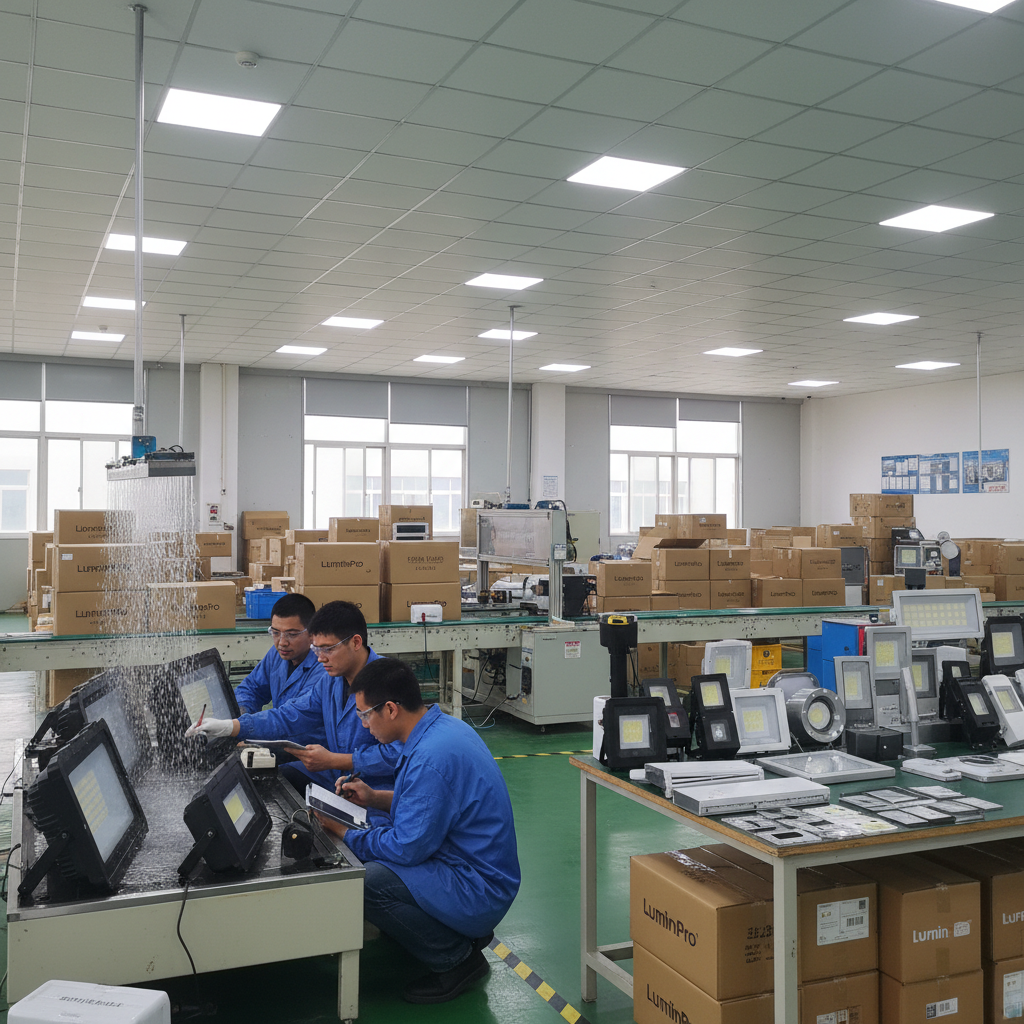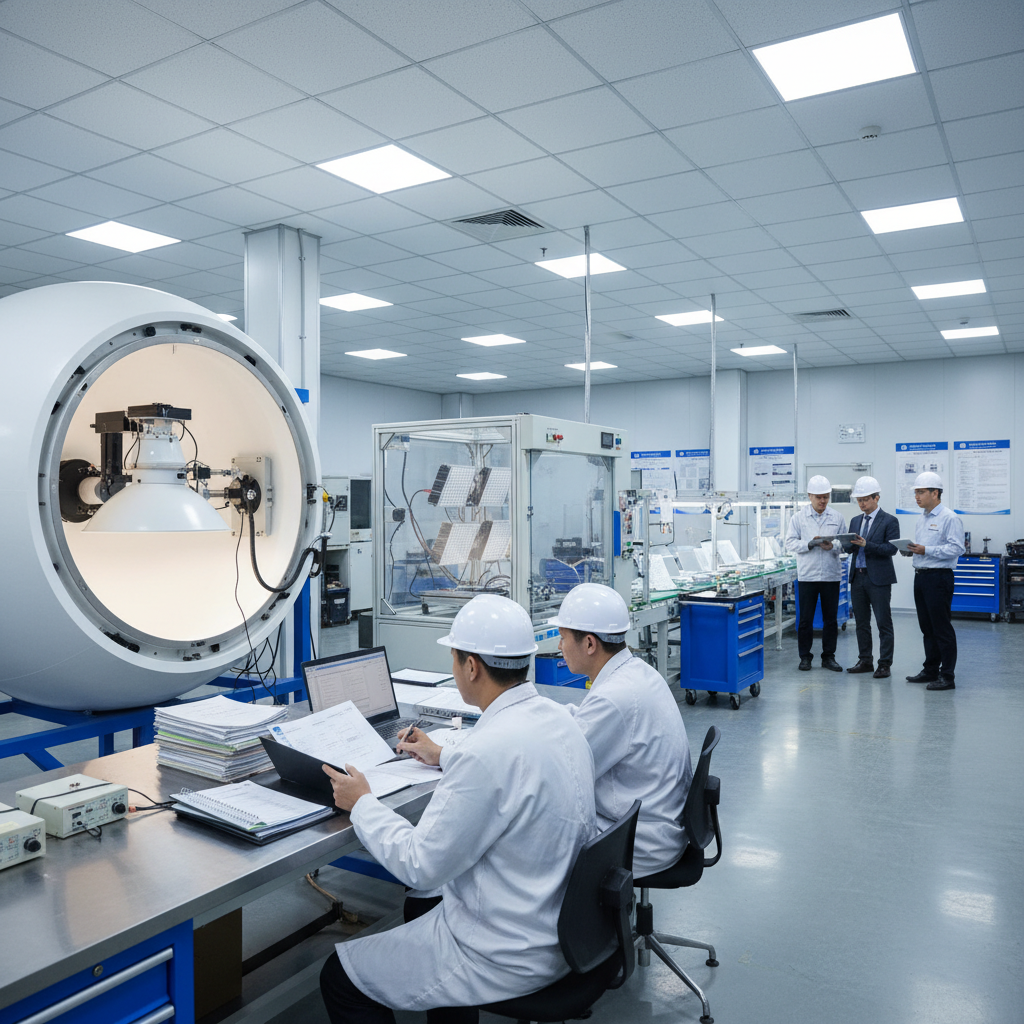

Imagine walking by a building, and the floodlights make it look like a piece of art under the night sky.
When integrating floodlights into building design, factors like lighting purpose, energy efficiency, aesthetics, and positioning must be carefully considered. Proper floodlight selection ensures optimal illumination for safety, security, and visual appeal, while balancing power consumption and maintenance needs..
Picture this: you're designing a building's exterior lighting, and it feels like painting with light. I remember when I first tackled a similar project. It was about more than just picking a light; it was about creating a mood, ensuring safety, and being eco-friendly. The choice of floodlight can transform a space. Dive into this guide, where I'll share insights on how to select the perfect floodlight that aligns with your vision and meets practical needs.
LED floodlights are more energy-efficient than halogen ones.True
LEDs consume less power and have a longer lifespan than halogens.
Floodlights should be placed randomly for optimal effect.False
Strategic placement prevents light pollution and enhances aesthetics.
How Do You Choose the Right Floodlight for Your Needs?
Ever stood in a store, staring at a wall of floodlights, feeling utterly lost? I’ve been there too, and it’s more than just picking a light. It’s about finding the perfect glow for your world.
Start by considering what you need the floodlight for, whether it's security or aesthetics. Opt for LED floodlights for energy efficiency and adjust the beam angle based on the area you want to illuminate.

Understanding Your Lighting Purpose
The journey to finding the perfect floodlight begins with asking yourself: what’s the main goal here? I remember when I was setting up lights around my own home. I stood there, contemplating whether I wanted to feel safer or just wow my neighbors with some killer landscape lighting.
- Security: If peace of mind is your goal, think about those high-lumen LED lights. I installed them around my garage and felt an immediate sense of security.
- Aesthetic: For showing off my newly painted house facade, I went with lower wattage lights that highlighted just the right features without overwhelming my senses.
| Purpose | Recommended Features |
|---|---|
| Security | High lumen, wide beam |
| Aesthetic | Lower wattage, adjustable angles |
Evaluating Energy Efficiency
Let's talk energy bills—who wants them sky-high? I sure don’t! So, I dove into LED technology1 because it seemed like the perfect way to keep costs down while keeping the lights on. My 100W LED replaced my old 400W halogen, and wow, what a difference!
- Smart Controls: Adding motion sensors was a game-changer for me. My backyard lights now only turn on when needed, saving energy and money.
- LED Benefits: The long-term savings on maintenance and electricity are real. It’s like having a piggy bank that keeps filling up.
Considering Color Temperature and Aesthetics
Color matters. Trust me, the vibe you get from your lighting can change everything. Cooler whites were perfect for security, but when it came to creating a cozy outdoor dinner space, warmer tones were my go-to.
- Design Integration: Going for slimline designs helped my floodlights blend with my house’s modern look.
-
Temperature Guide:
Application Color Temperature Security 4000K–5000K Aesthetic 3000K
Strategic Placement and Mounting
Placement is key. When I first put up my lights, I had no idea how much height and angle mattered. Mounting them just right transformed my yard from shadowy corners to well-lit paths.
- Light Pollution Prevention: I learned to angle the lights carefully to avoid lighting up my neighbors’ windows.
- IP Rating: Choosing an IP65 rating meant my lights could withstand our unpredictable weather without a hitch.
Finding the right floodlight is like putting together a puzzle—each piece matters. Take your time evaluating each aspect, and soon enough, you'll have the perfect setup that meets all your needs. Explore different options2 and find what fits best for you.
LED floodlights are more energy-efficient than halogen lights.True
LED technology uses less energy, offering long-term savings.
Cool white light is best for aesthetic floodlighting.False
Warm tones (3000K) suit aesthetic applications better.
Why Choose LED Floodlights for Energy Efficiency?
Who knew that something as simple as a floodlight could have such a big impact on energy savings?
LED floodlights are game-changers in energy efficiency because they use less power and last longer than traditional lights. This means lower energy bills, fewer maintenance headaches, and a smaller carbon footprint.

How LED Technology Enhances Efficiency
I remember the first time I switched to LED floodlights. It was like a revelation! I could replace my old 400W halogen lights with just 100W LED ones and still get the same brightness. This is because LEDs convert more electricity into light, unlike those power-hungry traditional bulbs that waste a lot of energy.
Comparative Energy Consumption
To illustrate the efficiency of LED floodlights, let's compare the energy consumption of different lighting technologies:
| Lighting Type | Wattage (W) | Lumens (lm) | Lifespan (hours) |
|---|---|---|---|
| Incandescent | 100 | 1600 | 1,200 |
| Halogen | 72 | 1600 | 2,000 |
| LED | 16 | 1600 | 25,000 |
When I saw this, I couldn't believe how much longer LEDs last. That means fewer replacements and fewer trips up the ladder!
Smart Controls for Maximum Efficiency
Integrating smart controls into your lighting system can take efficiency to the next level. Imagine having lights that only turn on when they detect movement or adjust based on the amount of daylight. I've found that features like these not only save energy but make life a whole lot easier.
Environmental Impact
LED floodlights also offer significant environmental benefits. They don't have harmful substances like mercury, so they're safer for our planet. Plus, their long lifespan means less waste. If you’re like me and care about sustainability, choosing LEDs helps align with those values.
Cost Implications
Initially, I hesitated at the upfront cost of LEDs, but then I did the math. The savings on energy bills and reduced maintenance needs quickly add up, making them a smart financial choice in the long run.
By considering these aspects, it's clear that LED floodlights are a savvy option for anyone looking to boost energy efficiency in their home or business. Explore these lighting solutions3 to see how they can fit into your plans for a brighter, more sustainable future.
LED floodlights use less energy than halogen lights.True
LED floodlights convert more electricity into light, reducing energy waste.
LEDs have a shorter lifespan than incandescent bulbs.False
LEDs last up to 25,000 hours, far exceeding incandescent bulbs' lifespan.
How Can Floodlights Enhance Architectural Aesthetics?
Imagine walking past a building that suddenly captures your attention with its stunning light play, turning it into an architectural work of art.
Floodlights can transform architectural aesthetics by accentuating key features, adding depth, and enhancing visibility. By carefully selecting placement and color temperature, floodlights make buildings stand out while seamlessly blending with their environment.

The Role of Light in Architecture
When I think back to the first time I saw a building beautifully lit by floodlights, it was like seeing a familiar face in a new light—pun intended. It's amazing how lighting can change the way we perceive architecture, turning functional structures into awe-inspiring landmarks. Floodlights are versatile enough to highlight intricate details, emphasize bold shapes, and even create dramatic shadows that play with our perception of depth and space. They bring buildings to life at night, showing off their character in ways that natural daylight sometimes can't.
Strategic Placement and Design
Once I worked on a project where the strategic placement of floodlights was crucial. We positioned lights at ground level to create an upward wash effect that accentuated the vertical lines of the facade. The transformation was astonishing—it added a touch of grandeur and sophistication that was just right for the building’s design. On another occasion, overhead lighting softened harsh lines, giving the structure a cozy and inviting glow. It’s all about understanding what mood you want to set and choosing the right angles to achieve it.
| Feature Highlighting | Effect |
|---|---|
| Columns and Facades | Enhances verticality, adds drama |
| Entrances | Creates inviting spaces |
| Landscapes | Highlights natural beauty |
Color Temperature Considerations
Choosing the right color temperature is like picking out the perfect outfit—it sets the tone for how a building is perceived. I’ve noticed that warmer tones (around 3000K) can give a structure a welcoming, traditional feel, reminiscent of a cozy evening by the fireplace. On the other hand, cooler whites (4000K–5000K) often provide a sleek, modern look that feels crisp and cutting-edge. It’s fascinating how a simple tweak in lighting can completely change the vibe.
Integration with Surroundings
I always stress the importance of integrating floodlights harmoniously with their surroundings. Modern LED floodlights offer sleek designs that fit seamlessly into any architectural style, ensuring they complement rather than clash with existing materials. Incorporating smart controls like dimmers or motion sensors not only enhances functionality but also reduces energy waste and light pollution, which is a win-win for both aesthetics and sustainability.
Case Studies and Examples
I've drawn inspiration from real-world examples where floodlighting has been used to transform ordinary buildings into extraordinary ones. Whether it’s a landmark or a commercial space, studying these implementations offers valuable insights into effective strategies for enhancing architectural aesthetics with floodlights.
For more detailed information on these techniques, visiting resources on architectural lighting techniques4 can be quite enlightening.
Floodlights enhance building aesthetics by highlighting features.True
Floodlights emphasize architectural elements, adding drama and depth.
Cooler white floodlights make buildings appear traditional.False
Cooler whites offer a modern appearance, not traditional.
How Can I Install Floodlights for Maximum Efficiency?
Ever stumbled around in the dark outside your home, feeling a bit like a clumsy ninja?
To install floodlights effectively, focus on strategic placement, select appropriate wattage, and ensure weatherproof fixtures. Using smart controls enhances energy efficiency, while proper angling minimizes light pollution.
Strategic Placement of Floodlights
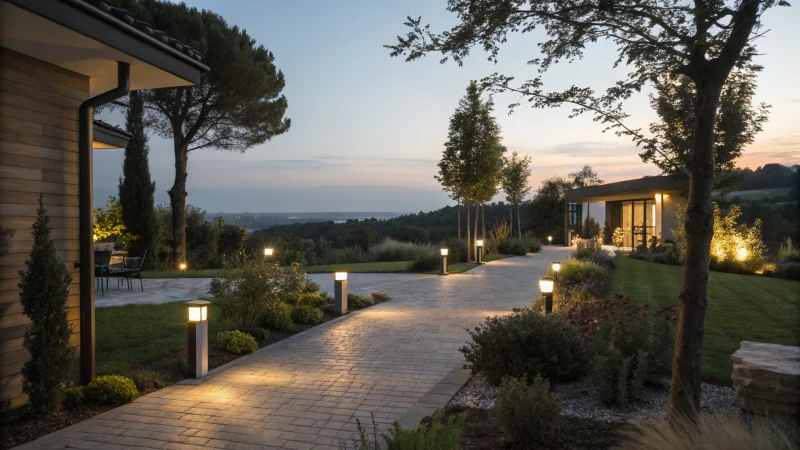
Strategically placing floodlights can transform your outdoor space from mysterious to magically secure. Start by pinpointing the crucial areas: entrances, pathways, and perimeters that demand illumination. Think of these spots as the VIP sections of your property. Positioning floodlights at corners of buildings or near potential entry points is like creating a spotlight on stage to eliminate shadows and boost security.
| Area | Recommended Height |
|---|---|
| Entrances | 3-4 meters |
| Pathways | 2-3 meters |
| Parking Lots | 5-6 meters |
Choosing the Right Wattage and Beam Angle
Choosing the right wattage and beam angle feels like picking the perfect outfit for an occasion—it sets the mood and ensures everything is seen in the best light. For security, go for high-lumen LED floodlights with wide beam angles to cover large areas efficiently. But if you're aiming for aesthetics, imagine lower wattage lights as delicate brush strokes highlighting architectural features.
LED technology5 offers superior energy efficiency, allowing a 100W LED to replace a 400W halogen light, significantly reducing energy costs.
Enhancing Energy Efficiency with Smart Controls
Incorporating smart controls into your floodlight setup is like having a personal assistant who never takes a break. Motion sensors ensure lights only pop on when needed, while daylight sensors adjust brightness based on natural light, making your system smarter and more efficient.
Consider installing smart systems6 that integrate with building management systems for seamless operation.
Minimizing Light Pollution
To keep light pollution at bay, direct your floodlights downward or toward specific areas. It's a simple act that respects both the environment and local regulations—think of it as being a considerate neighbor.
Ensuring Weatherproof Installation
For outdoor setups, picking fixtures with a high IP rating is like choosing the right armor for battle. An IP65 rating or higher guarantees resistance to dust and water, ensuring your lights shine brightly through all weather conditions.
Regular maintenance checks keep everything running smoothly. Opting for fixtures with easily replaceable components is like having a spare tire ready; it ensures that any hiccups are just minor bumps in your lighting journey.
Floodlights should be placed at building corners.True
Placing floodlights at corners helps eliminate shadows, enhancing security.
A 400W LED can replace a 100W halogen light.False
A 100W LED can replace a 400W halogen, reducing energy costs.
Conclusion
Consider purpose, energy efficiency, and aesthetics when using floodlights in building design. LED options enhance safety and visual appeal while minimizing light pollution and maintenance needs.
- Discover floodlights that offer superior coverage for security purposes, ensuring maximum protection. ↩
- Learn about various LED floodlight options to find one that perfectly matches your project's needs. ↩
- Explore top-rated LED floodlight products that offer superior energy efficiency and performance. ↩
- Explore real-world examples of floodlighting in architecture to inspire your projects. ↩
- Explore how LED technology reduces energy costs compared to traditional lighting. ↩
- Discover how smart controls improve efficiency and integrate with management systems. ↩
Topic cluster context
What Should You Consider When Using the Floodlight Technique in Building Design?
This guide supports the Sustainable Architectural Outdoor hub. Product, protocol, certification, ranking and performance claims remain subject to the evidence and compatibility checks stated in the article governance record.