
Ever feel like you're throwing money out the window with those sky-high energy bills? I once did, until I discovered the power of LED flood lights.
LED flood lights can significantly reduce energy bills by using up to 80% less electricity than traditional lighting. Their high efficiency, long lifespan, and low maintenance costs lead to substantial long-term savings, making them an excellent choice for large-scale commercial and industrial lighting projects.
I remember the first time I realized my old lighting setup was costing me more than it should. It was a typical evening, and I was tallying up expenses, noticing how much those monthly bills were eating into my budget. That's when I decided to dive into research about alternatives and stumbled upon LED flood lights.
The switch was like a breath of fresh air, with my bills taking a significant dip almost immediately. But it's not just about the immediate savings; LED flood lights also offer long-term benefits. They last longer, require less maintenance, and are more environmentally friendly, which makes them a smart choice for anyone looking to cut costs while being kind to the planet. So if you're on the fence about making the switch, trust me—it's worth every penny.
LED flood lights use 80% less power than halogen lamps.True
LEDs are more efficient, consuming significantly less energy than halogen lamps.
Switching to LED flood lights increases energy bills.False
LED flood lights are designed to reduce energy consumption and costs.
How Do LED Flood Lights Achieve Energy Efficiency?
Imagine saving on your energy bills while brightening up your space! That's the magic of LED flood lights.
LED flood lights achieve energy efficiency by using advanced technology that reduces power consumption and increases light output. Their design minimizes energy waste, cuts costs, and prolongs lifespan.
Lower Energy Consumption
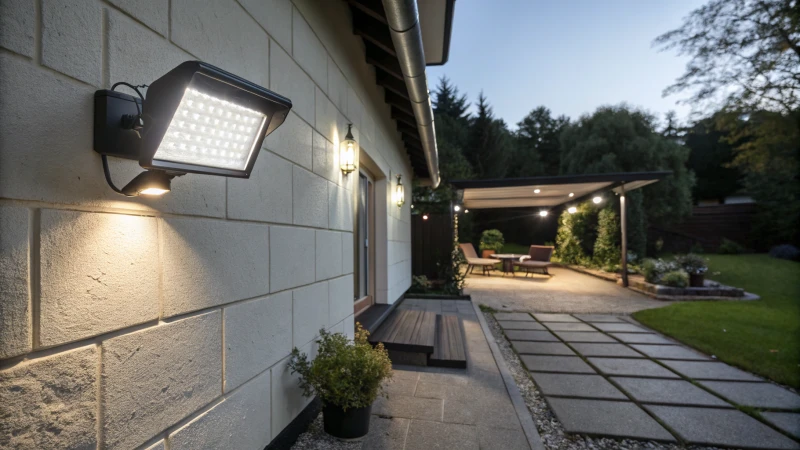
I remember the first time I switched to LED flood lights; I was skeptical about how much energy they would actually save. But seeing the difference on my electricity bill made me a believer. These lights consume significantly less energy compared to traditional options. For example, a 150W LED1 flood light can replace a 500W halogen lamp, offering the same brightness with only a fraction of the energy.
| Type | Power Usage (W) | Lumens |
|---|---|---|
| LED | 150 | 18,000 |
| Halogen | 500 | 8,000 |
Higher Lumens per Watt
When I dove deeper into the tech specs, I found that LEDs have a higher lumens-per-watt ratio. This means they produce more light for each watt consumed—between 120 to 150 lumens per watt, to be exact. It's fascinating how technology has evolved to maximize efficiency without sacrificing brightness.
Reduced Operating Costs
Switching to LEDs was a game-changer for me, especially in reducing monthly energy bills. It's particularly beneficial for large-scale projects where lighting is crucial. Plus, many LEDs come with dimming capabilities, allowing me to adjust lighting levels as needed, further managing energy consumption.
Extended Lifespan and Durability
One of the most impressive features of LED flood lights is their lifespan—up to 50,000 hours! This longevity means fewer replacements and less maintenance, which was a huge relief for me. Plus, they're resistant to shocks and extreme weather conditions, so they last longer in outdoor settings.
Efficient Light Distribution
LEDs are highly directional, focusing light where it's needed most and minimizing spillover. This precision helps in reducing the number of fixtures required and enhances energy efficiency by eliminating wasted light.
Environmental Impact and ROI
Using LEDs not only saves money but also helps in reducing my carbon footprint. They offer a quick payback period; I saw my initial investment recouped within just a couple of years through energy savings alone. It feels great knowing I'm contributing to sustainability while enjoying cost savings.
Incorporating LED flood lights into my projects has been incredibly rewarding. Not only do they offer significant benefits in terms of energy efficiency2 and cost savings, but they also support sustainable practices—something I'm deeply passionate about.
LED flood lights save up to 80% energy compared to halogen.True
LEDs convert more electricity into light, not heat, saving energy.
LED flood lights have a shorter lifespan than traditional bulbs.False
LEDs last up to 50,000 hours, longer than traditional bulbs.
How Much ROI Can I Expect from Switching to LED Lighting?
Ever wondered how something as simple as changing a light bulb could save you a small fortune?
Switching to LED lighting offers a remarkable return on investment (ROI) by cutting down energy use, slashing maintenance expenses, and prolonging lifespan. Most businesses see their initial costs returned within just 2–3 years.
Understanding ROI Basics
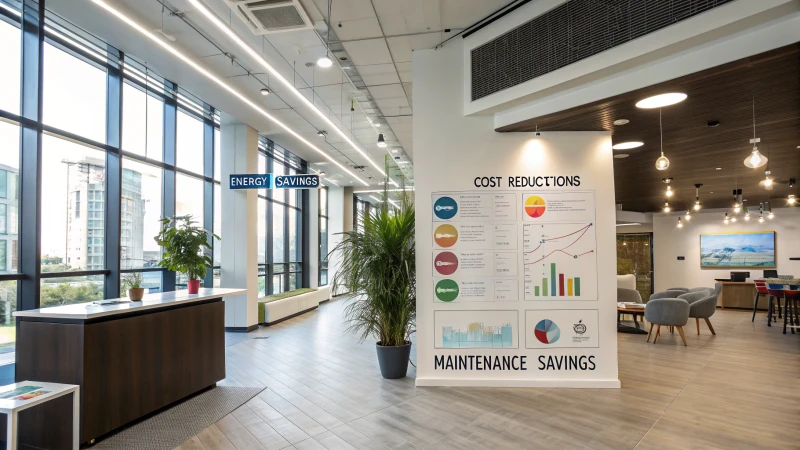
Return on Investment (ROI) is a key metric used to evaluate the profitability of an investment. In the context of LED lighting, ROI is calculated by comparing the cost savings from reduced energy consumption and maintenance against the initial investment.
| Cost Factor | LED Lighting | Traditional Lighting |
|---|---|---|
| Energy Consumption | 150W | 500W |
| Lifespan | 50,000 hours | 10,000 hours |
| Maintenance Frequency | Low | High |
Energy Efficiency Advantages
I remember the first month after switching to LEDs; my electricity bill came in and I couldn't believe the drop. LED lights use up to 80% less energy than those old-school bulbs, which was a real game-changer for my bottom line. Additionally, LEDs provide higher lumens per watt3, meaning they convert more energy into light rather than heat.
Long-Term Cost Savings
One of the most unexpected bonuses was the reduced maintenance. Back in the day, it felt like I was constantly replacing bulbs. But LEDs? They last up to 50,000 hours! That's fewer replacements and lower labor costs. Over time, this durability means substantial savings on repairs and replacements.
Environmental Impact and Sustainability
Besides saving money, switching to LEDs made me feel good about reducing my carbon footprint. Less energy consumption equals fewer greenhouse gases, aligning with many sustainability goals. Knowing that I'm contributing to eco-friendly projects4 makes this investment all the more worthwhile.
Real-World Examples
Let me tell you about a project where we overhauled the lighting system in several facilities. The initial sticker shock was real, but within two years, those savings from lower electricity bills and minimal maintenance had us smiling. The swift payback made it clear that this was a smart choice.
Tools for Calculating ROI
If you're like me and want specifics, online ROI calculators can be your best friend. They consider factors like current energy costs and usage patterns, offering tailored insights into how LEDs could impact your finances.
Investing in LED lighting not only brings immediate financial relief by cutting down on energy costs but also supports long-term goals like sustainability and efficiency. The quick payback period makes it an attractive option for any business looking to upgrade its lighting solutions.
LED lights use 80% less energy than traditional lighting.True
LEDs are designed to be highly energy-efficient, using significantly less electricity.
Businesses see a complete payback from LED switch in 5 years.False
Most businesses recoup their LED investment within 2–3 years, not 5.
How Do LED Lights Contribute to Sustainability Goals?
Ever wondered how a simple switch to LED lights could transform our environmental footprint?
LED lights contribute significantly to sustainability goals by offering dramatic energy savings, reducing carbon emissions, and boasting an extended lifespan. These advantages make LEDs an eco-friendly alternative to traditional lighting, supporting a sustainable future.
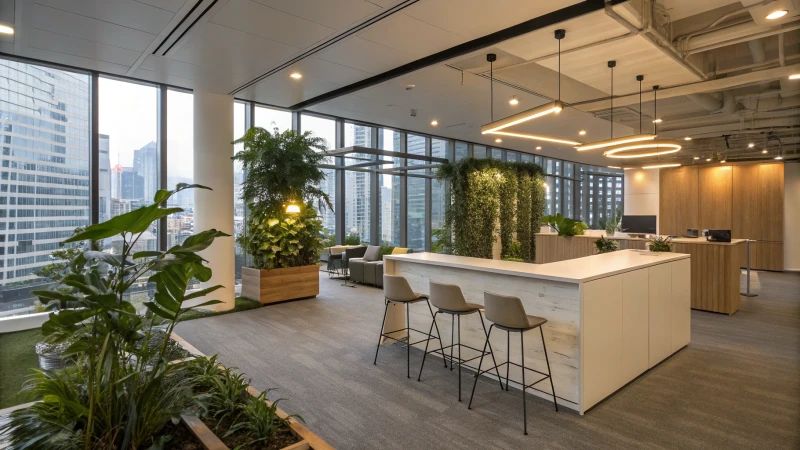
Energy Efficiency and Cost Reduction
I remember the first time I swapped out my old incandescent bulbs for LED lights at home. Initially, it seemed like a small change, but the impact on my electricity bills was immediate and significant. LED lights are incredibly energy-efficient, consuming up to 80% less power than traditional light sources like incandescent or halogen lamps. For example, a standard LED bulb uses around 10 watts compared to the 60 watts of an incandescent bulb. This kind of energy saving translates directly into lower electricity bills, a win-win for both your wallet and the planet. Many LEDs5 even have dimming capabilities, allowing me to adjust the brightness and conserve even more energy when full lighting isn't necessary.
| Lighting Type | Power Consumption | Lifespan |
|---|---|---|
| Incandescent | 60W | 1,200 hrs |
| CFL | 14W | 8,000 hrs |
| LED | 10W | 50,000 hrs |
Longevity and Maintenance Savings
The longevity of LED lights is something I've personally come to appreciate. With a lifespan of up to 50,000 hours, they significantly reduce the need for frequent replacements and maintenance. This durability means fewer trips up the ladder to change bulbs and less waste heading to landfills. In environments subject to vibrations or extreme temperatures—like the garage or outdoor settings—LEDs truly shine, proving to be both resilient and reliable.
Environmental Impact
One of the most compelling reasons I advocate for LED lights is their positive impact on the environment. By using less electricity, LEDs help reduce carbon emissions and our overall carbon footprint. Plus, they don't contain harmful elements like mercury, which some other lighting options do, making them safer and easier to dispose of responsibly.
Improved Light Distribution
LEDs also offer excellent light distribution. Their ability to focus light exactly where needed helps reduce light pollution and energy waste. I found that with LEDs, I needed fewer fixtures in my home projects, which further cuts down on energy use and installation costs.
These features make LEDs a cornerstone in achieving sustainability goals6. By replacing outdated systems with LED technology, businesses and individuals can significantly lower their environmental impact while enjoying substantial savings.
Return on Investment (ROI)
Initially, I was concerned about the higher cost of installing LEDs, but I quickly realized that the return on investment is fast and substantial. Most businesses recover their investment within a few years due to decreased energy bills and maintenance costs. The quick payback period makes it a smart move for anyone looking to optimize their lighting needs7 while contributing positively to the environment.
LED bulbs use 80% less energy than incandescent bulbs.True
LEDs are highly efficient, consuming significantly less power.
LED lights contain harmful mercury like CFLs.False
LEDs do not contain mercury, making them safer for disposal.
What Should You Consider When Upgrading to LED Flood Lights?
Stepping into the world of LED flood lights can illuminate your life in ways you never imagined. But what should you really think about before making the switch?
When you're upgrading to LED flood lights, focus on energy efficiency, lumen output, color temperature, and beam angle. These factors are crucial for achieving the best lighting performance and saving money.
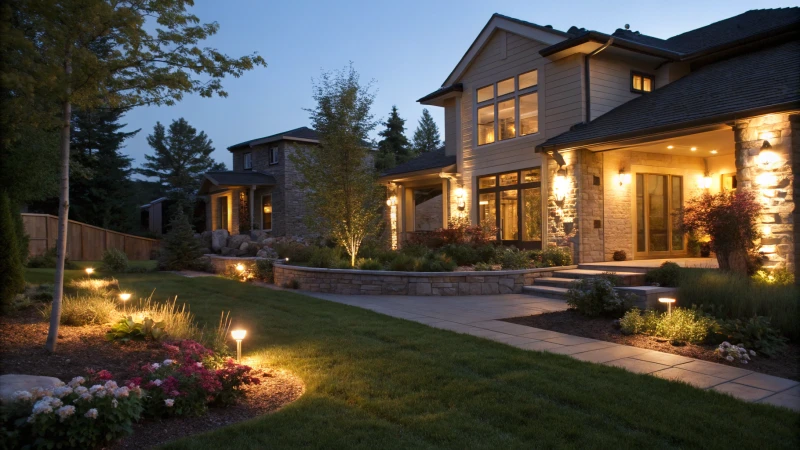
Energy Efficiency and Cost Savings
Let's face it, we're all looking for ways to cut down on those pesky electricity bills. That's where the magic of LED flood lights comes in. They're like the superhero of lighting, using just 150W compared to the hefty 500W of old-school halogens. I remember the first time I saw my electricity bill drop after switching; it felt like winning a mini lottery every month. This significant reduction8 in power consumption translates directly into lower electricity bills.
Lumen Output and Light Quality
If you've ever squinted at a dimly lit room, you know how important good lighting is. Lumens measure how much light you get from a bulb. So, when you're picking out LED flood lights, think about going for a high lumens per watt (lm/W) ratio. Modern LEDs offer between 120-150 lm/W, which means they’re not just bright, but super efficient too.
| Lighting Type | Lumens per Watt |
|---|---|
| LED | 120-150 |
| Halogen | 15-25 |
Color Temperature and Ambiance
I love creating different moods in my spaces. Did you know that color temperature can totally change the vibe? For outdoor areas like stadiums, you'll want cooler tones (4000-5000K) for sharp clarity. Meanwhile, if you're like me and enjoy a cozy nook at home, warmer tones (2700-3000K) are perfect for that welcoming feel. These choices help in creating a welcoming atmosphere9.
Beam Angle and Coverage
Lighting isn't one-size-fits-all. Depending on where you need the light, you'll want to play around with beam angles. A wider angle covers more area but with less intensity, while a narrower one gives you that spotlight effect. It's all about finding what fits your needs best.
| Application | Recommended Beam Angle |
|---|---|
| Security Lighting | 20°-40° |
| Landscape Lighting | 60°-120° |
Durability and Lifespan
I'm all about getting the most bang for my buck, and LEDs deliver just that with their impressive lifespan of up to 50,000 hours. They're tough too—resisting shocks and bad weather like it's no big deal. This means less time changing bulbs and more time enjoying well-lit spaces.
Opting for LEDs can also aid in achieving sustainability goals10 by minimizing waste and conserving resources.
Switching to LED flood lights isn't just about saving money—it's about investing in quality and efficiency that pays off in the long run.
LED flood lights use 150W compared to halogen's 500W.True
LEDs are more energy-efficient, using significantly less wattage than halogens.
Halogen lights deliver 120-150 lumens per watt.False
Halogen lights produce only 15-25 lumens per watt, unlike LEDs.
Conclusion
LED flood lights can reduce energy bills by up to 80%, offering long-term savings, lower maintenance costs, and environmental benefits, making them a smart investment for any lighting project.
- Explore why 150W LED flood lights outperform halogens in energy use and efficiency. ↩
- Discover how LED flood lights enhance energy efficiency and contribute to sustainability. ↩
- Explore how higher lumens per watt increase efficiency, resulting in better lighting performance and energy savings. ↩
- Discover how integrating LED lighting into projects supports sustainability and reduces environmental impact. ↩
- Explore the mechanics behind LED efficiency and how they consume less power while providing ample lighting. ↩
- Understand how LED technology aligns with global sustainability initiatives and environmental conservation efforts. ↩
- Learn about the financial benefits and payback period when transitioning to LED lighting solutions. ↩
- This link explains how LED lights consume less energy compared to halogen lights, helping reduce electricity bills. ↩
- Discover how different color temperatures impact ambiance in various settings. ↩
- Learn how using LEDs contributes to sustainability efforts by reducing waste and conserving energy. ↩