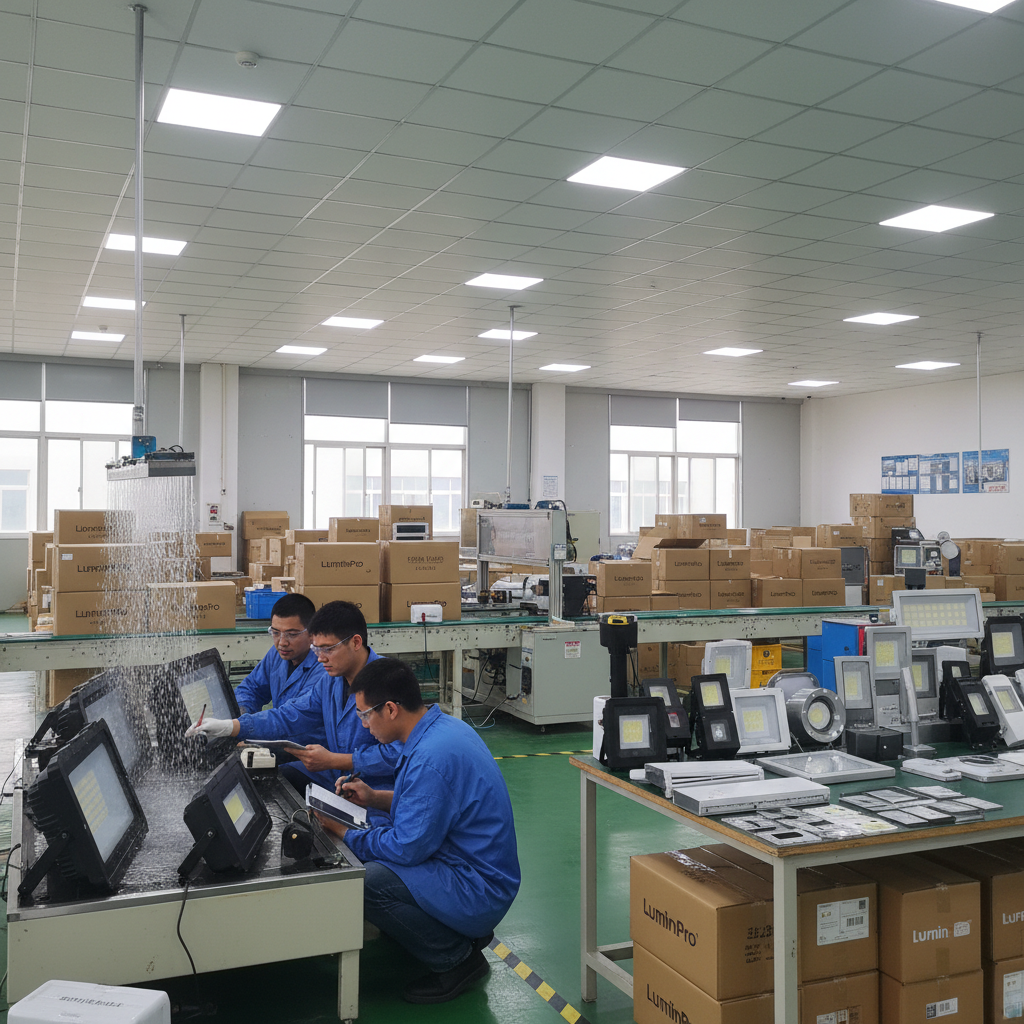

Are you puzzled by waterproof IP ratings? Trust me, you’re not alone in this!
Waterproof IP ratings indicate how well a device is protected against water and dust. By understanding these ratings, you can make informed decisions about your purchases, ensuring durability and functionality in different environments.
I remember the first time I encountered an IP rating while shopping for outdoor lights. I was excited about enhancing my backyard but also worried about how they'd hold up against the rain. Understanding IP ratings helped me feel more confident in my choices. In this blog post, I’ll share everything I’ve learned about IP ratings—how they’re assigned, what those numbers really mean, and why they should matter to you. Let’s dive into the world of waterproofing together!
IP ratings indicate protection against water and dust.True
IP ratings provide a standardized measure of how well a device resists water and dust, ensuring durability in various conditions.
Higher IP ratings guarantee complete waterproofing.False
While higher IP ratings indicate better protection, they do not guarantee complete waterproofing under all conditions.
What Are the Different Levels of IP Ratings?
Have you ever wondered how some electrical equipment seems to stand up against the elements while others don't? Let’s dive into the world of IP ratings and discover how these ratings can protect your investments.
IP ratings measure the protection level of electrical enclosures against solids and liquids, ranging from IP00 (no protection) to IP69K (high pressure and temperature resistance). Understanding these levels is key to ensuring proper equipment selection based on environmental needs.

Understanding IP Ratings
IP ratings, or Ingress Protection ratings, are a standard used to define the levels of sealing effectiveness of electrical enclosures against intrusion from foreign bodies (like dust and water). These ratings are crucial for selecting equipment that will be used in environments exposed to various elements.
The IP rating is usually followed by two digits:
- The first digit indicates the level of protection against solid objects.
- The second digit indicates the level of protection against liquids.
The First Digit: Solid Object Protection
The first digit in an IP rating ranges from 0 to 6, where:
| Digit | Protection Level | Description |
|---|---|---|
| 0 | No protection | No protection against contact |
| 1 | Protection against | Large objects greater than 50mm |
| 2 | Protection against | Objects larger than 12.5mm |
| 3 | Protection against | Objects larger than 2.5mm |
| 4 | Protection against | Objects larger than 1mm |
| 5 | Dust protected | Limited ingress of dust |
| 6 | Dust-tight | No ingress of dust |
This classification helps users understand how well their devices can withstand dust and other solid particles in their environment. For example, an IP rating of IP54 indicates that the equipment is protected from limited dust ingress and splashing water. For deeper insights, check out this resource on solid object protection1.
The Second Digit: Liquid Protection
The second digit in an IP rating also ranges from 0 to 9, defining the level of moisture protection:
| Digit | Protection Level | Description |
|---|---|---|
| 0 | No protection | No protection against water |
| 1 | Dripping water | Vertically falling drops of water |
| 2 | Dripping water at an angle | Water falling at up to 15 degrees from vertical |
| 3 | Spraying water | Water sprayed at an angle up to 60 degrees |
| 4 | Splashing water | Water splashed from any direction |
| 5 | Water jets | Water projected in jets |
| 6 | Powerful water jets | High-pressure water jets |
| 7 | Immersion up to 1m | Immersion for a short period |
| 8 | Immersion beyond 1m | Continuous immersion in water |
| 9 | High temperature | High-pressure, high-temperature water |
This classification is essential for understanding how well your electrical devices can handle exposure to moisture. For example, an IP rating of IP67 signifies that the device is fully protected against dust and can withstand immersion in water up to one meter. To learn more about liquid protection, visit this page on liquid protection levels2.
Conclusion: Why IP Ratings Matter
Knowing the different levels of IP ratings allows users to make informed decisions about the products they choose, particularly in environments where equipment may face exposure to dust and moisture. This understanding is vital for maintaining the functionality and longevity of electrical installations in various settings. For further exploration, you can consult resources on IP ratings in practical applications3 or comparison charts4 for better decision-making.
IP ratings range from IP00 to IP69K for protection levels.True
IP ratings indicate the effectiveness of enclosures against dust and water, ranging from no protection (IP00) to high resistance (IP69K).
The first digit in an IP rating indicates liquid protection.False
In an IP rating, the first digit denotes protection against solid objects, while the second digit indicates liquid protection levels.
How Are Waterproof IP Ratings Tested and Assigned?
Have you ever wondered how manufacturers ensure that your favorite gadgets can brave the elements? Let me take you behind the scenes of waterproof IP ratings, where durability meets innovation.
Waterproof IP ratings are tested according to IEC standards, evaluating devices for their resistance to dust and water ingress before assigning ratings like IP67 or IP68.

Main Content:
Waterproof IP ratings are tested according to IEC standards, evaluating devices for their resistance to dust and water ingress before assigning ratings like IP67 or IP68. It’s fascinating to think about the rigorous procedures that go into making sure our devices can survive everything from a sudden rainstorm to a dusty construction site. I still remember the first time I dropped my smartphone into a puddle, praying it would come out unscathed. Thankfully, I’d chosen one with a solid IP rating!
Understanding IP Ratings
Ingress Protection (IP) ratings are crucial for determining the resilience of devices against dust and water ingress. Each rating consists of two digits, where the first indicates protection against solid objects and the second against liquids. For instance, an IP67 rating means the device is dust-tight and can withstand immersion in water up to 1 meter for a specific time. It’s like a safety net for your tech!
Testing Process of IP Ratings
The testing of waterproof IP ratings involves standardized procedures to ensure consistency and reliability. Manufacturers must adhere to the International Electrotechnical Commission (IEC) standards, specifically IEC 60529, which outlines the testing methods. The following table summarizes the key testing methods:
| Test | Description |
|---|---|
| Dust Ingress Test | Devices are subjected to a dust chamber to assess their resistance to dust particles. |
| Water Ingress Test | Devices are exposed to water under specific conditions, such as immersion or spraying, to check for leaks. |
| Pressure Test | Tests assess how well a device can handle pressure variations during exposure to water. |
Assigning IP Ratings
Once a product has undergone testing, an independent body or the manufacturer assigns an IP rating based on the results. The assignment process includes evaluating the extent of water and dust ingress observed during testing. If a device passes both tests, it receives its corresponding IP rating—a badge of honor in the tech world! This process is essential for ensuring that products marketed as waterproof truly meet consumer expectations and can withstand environmental challenges. For example, products designed for outdoor use may need higher ratings to ensure durability in harsh conditions.
I often think about this when I see products designed for outdoor use; they need higher ratings to endure tough conditions. It gives me peace of mind knowing my gear is up for any adventure I throw at it.
Importance of IP Ratings for Consumers
Understanding IP ratings empowers consumers to make informed decisions when purchasing electronic devices. For instance, if I’m considering a smartphone, I’ll lean towards one with an IP68 rating rather than an IP54 rating because I know it can withstand harsher conditions. This information is vital for users who require devices that can endure exposure to water, such as in outdoor or industrial environments.
Additional Resources
To dive deeper into IP ratings and their implications, consider exploring detailed standards5 and testing methodologies6. These resources can provide you with comprehensive insights into how waterproof claims are verified by manufacturers.
IP67 devices can withstand immersion in water up to 1 meter.True
IP67 rating indicates a device is dust-tight and can handle immersion in water for a limited time, confirming its waterproof capabilities.
IP ratings are assigned without any testing requirements.False
Contrary to this claim, IP ratings require rigorous testing according to IEC standards before they can be assigned to devices.
Why Should Consumers Care About IP Ratings?
Have you ever bought an electronic device only to find it struggles against the elements? Trust me, I’ve been there! Let’s dive into why understanding IP ratings can save you from those frustrating experiences.
Understanding IP ratings is essential for consumers because they offer insight into product durability and suitability for different environments. A higher rating means better protection against dust and water, which is key for ensuring longevity and optimal performance.

Understanding IP Ratings
Understanding IP ratings is like having a secret weapon in your shopping arsenal. These ratings help us figure out how tough and reliable our gadgets really are, especially when they’re up against dust and water. The first digit of the IP rating tells us how well the device can fend off solid particles, while the second digit reveals its resistance to liquids. For example, when I discovered that a speaker I loved had an IP67 rating, I felt a wave of relief knowing it could handle my outdoor parties without a hitch!
What Are IP Ratings?
IP ratings, or Ingress Protection ratings, indicate how well a device is protected against the intrusion of solid objects and liquids. The ratings consist of two digits; the first digit rates protection against solids, while the second digit rates protection against liquids. For example, an IP67 rating means complete dust protection and can withstand immersion in water up to 1 meter deep for 30 minutes.
Understanding these ratings helps consumers select products based on their intended use. For instance, if you're looking for outdoor lighting solutions, knowing that a product has a high IP rating ensures its durability against harsh weather.
Why Should Consumers Care About IP Ratings?
Consumers should prioritize IP ratings when purchasing electronic devices, especially those used in challenging environments. Products with higher IP ratings tend to have longer lifespans and require less maintenance. Here’s a quick comparison:
| IP Rating | Dust Protection | Water Protection |
|---|---|---|
| IP54 | Limited | Splash-proof |
| IP65 | Total | Low-pressure water jets |
| IP68 | Total | Continuous immersion |
For example, if you are sourcing smart lighting systems for outdoor areas, look for options with an IP68 rating7 to ensure they can withstand rain and dust without compromising performance.
How Do IP Ratings Impact Product Performance?
Understanding the implications of IP ratings can lead to smarter purchasing decisions. For instance, a lighting fixture rated IP65 is ideal for outdoor use, as it protects against both dust and water jets. On the other hand, an IP20 rating indicates limited dust protection and no liquid resistance, making it unsuitable for external applications.
Choosing the right IP rating is essential for maintaining product functionality over time. A product with inadequate protection may fail prematurely when exposed to environmental factors, leading to unexpected costs for repairs or replacements.
Making Informed Purchasing Decisions
When selecting products based on their IP ratings, consider your specific needs:
- Indoor vs. Outdoor Use: For indoor applications, lower IP ratings may suffice, while outdoor products should have higher ratings.
- Environmental Challenges: Assess potential exposure to dust or water in the intended location.
- Long-term Cost Efficiency: Investing in products with higher IP ratings may save money in the long run due to reduced maintenance needs.
Utilizing this knowledge empowers consumers to make choices that align with their requirements. To learn more about how to interpret IP ratings8, check out additional resources that provide deeper insights into selecting the right products for various applications.
IP ratings indicate a device's resistance to dust and water.True
IP ratings provide essential information about how well a device can withstand dust and water, guiding consumer choices effectively.
Higher IP ratings guarantee longer product lifespans.True
Products with higher IP ratings typically last longer due to better protection against environmental factors, reducing maintenance needs.
Can Devices with High IP Ratings Really Handle Any Environment?
Let me share my thoughts on the fascinating world of Ingress Protection (IP) ratings. Understanding these ratings is key to making smart choices about using devices in various environments—and I've got some insights that might just surprise you!
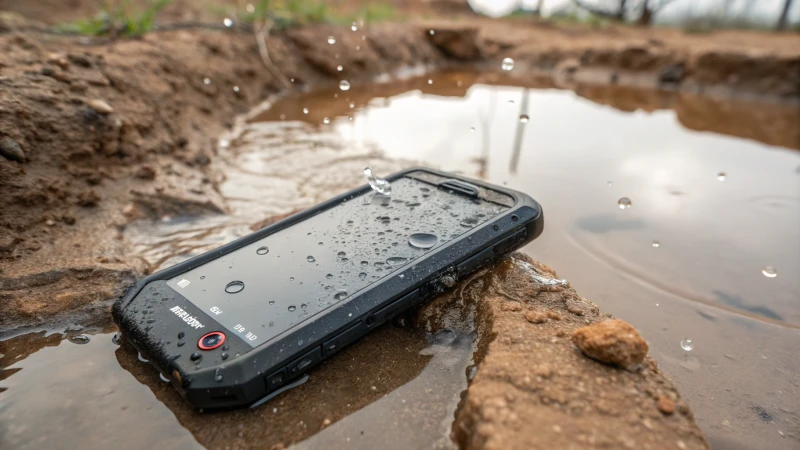
Devices with high IP ratings, such as IP67 or IP68, are versatile but not invincible. While they can handle many environments, keep in mind their limitations regarding exposure duration, environmental conditions, and mechanical stress.
Understanding IP Ratings
You might have heard about Ingress Protection (IP) ratings, but what do they really mean? I remember when I first encountered these ratings while sourcing lighting systems for a challenging project. It felt like deciphering a secret code! Simply put, IP ratings tell us how well a device can withstand the elements—like dust and water.
The IP rating consists of two digits:
- First Digit: Represents the level of protection against solid particles (0-6).
- Second Digit: Indicates the protection against liquids (0-8).
For example, an IP67 rating means the device is completely dust-tight and can withstand immersion in water up to 1 meter deep for 30 minutes.
Limitations of High IP Ratings
Now, before you think you can throw your high IP rated device into any situation without a care, let me share a crucial insight. While these devices are built tough, they do have their limits. Trust me, I’ve learned this the hard way. Here are a few factors to keep in mind:
- Environmental Conditions: Extreme temperatures or high humidity can still throw a wrench in the works, even for devices with impressive ratings.
- Duration of Exposure: Take it from someone who’s faced unexpected challenges—prolonged exposure to water or dust can wear down even an IP68 rated device over time.
- Mechanical Stress: Just because a device is rated for high protection doesn’t mean it can handle physical impacts. I've seen devices take a fall and suffer damage that wasn't covered by their IP rating.
| IP Rating | Protection Against Solids | Protection Against Liquids |
|---|---|---|
| IP65 | Dust tight | Low pressure water jets |
| IP67 | Dust tight | Immersion up to 1 meter |
| IP68 | Dust tight | Continuous immersion |
Appropriate Usage Scenarios
So where can you really use devices with high IP ratings? Well, I've found that they excel in certain environments:
- Outdoor Installations: Think of lighting for parks or construction sites where durability is key.
- Industrial Settings: These devices shine in places where dust and moisture are commonplace.
- Marine Applications: Devices used on ships or near bodies of water benefit immensely from high protection.
However, matching the device's capabilities with the specific conditions is essential. I always make it a point to thoroughly evaluate the environment before making a decision.
Conclusion on Applicability
In summary, while devices with high IP ratings are engineered to tackle tough environments, they aren’t invincible. It’s vital to consider factors like temperature and exposure duration before choosing your equipment. If you're looking for more guidance on selecting the right gear, check out this resource9 that breaks down different IP ratings and their applications.
And if you want to dive deeper into environmental impacts10 on device performance, you’ll find valuable insights to help you make informed purchasing decisions. I know how important it is to get this right, and I hope my experiences can help guide you on your journey too!
High IP-rated devices can withstand all environmental conditions.False
This claim is false as high IP ratings do not guarantee performance in extreme conditions like humidity or temperature.
IP68 devices are immune to damage from prolonged water exposure.False
This claim is false; even IP68 devices can suffer damage from extended water exposure over time.
Conclusion
Learn about waterproof IP ratings, their significance in product selection, and how they ensure durability against dust and water exposure in various environments.
- This link offers a comprehensive guide on understanding IP ratings and their implications, essential for making informed purchasing decisions. ↩
- This link offers a comprehensive guide on understanding IP ratings and their implications, essential for making informed purchasing decisions. ↩
- This link offers a comprehensive guide on understanding IP ratings and their implications, essential for making informed purchasing decisions. ↩
- This link offers a comprehensive guide on understanding IP ratings and their implications, essential for making informed purchasing decisions. ↩
- Explore more about the rigorous testing processes for waterproof IP ratings and their importance in product design. ↩
- Find in-depth information on various methods used for testing and assigning waterproof IP ratings. ↩
- Learn how IP ratings impact your purchases and ensure the durability of your electronic devices against environmental factors. ↩
- Discover how to read and interpret IP ratings effectively to make informed buying decisions. ↩
- Explore detailed guides on IP ratings to ensure your devices meet the environmental demands you require. ↩
- Understanding how environmental factors affect device performance is crucial for effective usage. ↩