Wonder which industries are very eager to welcome LED lighting? Let me guide you through the exciting world of LED use.
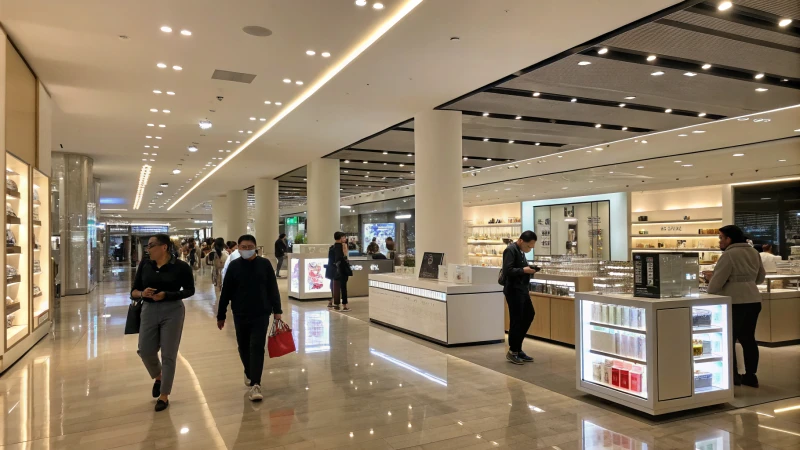
Industries adopting LED lighting the fastest include retail, hospitality, office buildings, healthcare, and manufacturing. LEDs offer energy savings of up to 75%, lower maintenance costs, and improved lighting quality. Retailers use LEDs to boost sales, while hospitals report up to 80% energy savings. LEDs are also transforming outdoor lighting and agriculture with better illumination, reduced costs, and higher efficiency.
I noticed during my years in this field that many industries are switching to LED lighting. These lights interest them due to energy efficiency and cost savings. The changes they bring to environments are truly amazing. Bright lights bring bustling retail spaces to life. Restaurants become cozy and create the perfect atmosphere. The shift is really remarkable. Industries like healthcare and manufacturing not only save money but also provide better experiences. Both customers and employees benefit from these improvements. It is fascinating to watch this technology shape our daily lives!
Retail is one of the fastest industries adopting LED lighting.True
Retail businesses are switching to LED lighting for its energy efficiency and cost savings, enhancing customer experience and reducing operational costs.
Healthcare is not adopting LED lighting rapidly.False
Contrary to this claim, healthcare facilities are increasingly using LED lighting to improve patient care and reduce energy costs.
What Are the Key Benefits of LED Lighting for Businesses?
Do you ever think about how changing lights might transform your business? Let's discover the surprising benefits of LED lighting. This technology helps you save money. It also improves the work environment for everyone on your team. LED lighting brings many advantages.
LED lighting offers many benefits for businesses. Companies usually see great energy savings with LEDs. Businesses also experience lower maintenance expenses. Employee productivity often increases. LEDs have a positive effect on the environment. Switching to LEDs probably increases operational efficiency. A more sustainable workplace emerges with LED use.
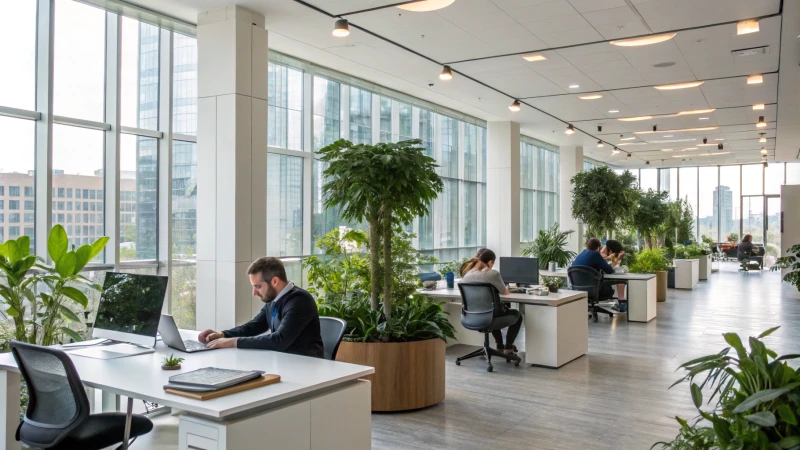
Energy Efficiency
LED lighting truly excels in energy efficiency. I remember switching my office to LED bulbs and it amazed me. They use up to 75% less energy than old incandescent bulbs, leading to substantial savings on electricity bills. The first electricity bill surprised me like a pleasant gift. Saving money over time feels wonderful.
Imagine a retail store choosing LED lights. This change means potential savings of thousands of dollars every year on energy bills. Energy efficiency insights1 highlight how businesses can achieve up to 50% savings by making the switch.
Cost Savings on Maintenance
LED lighting greatly reduces maintenance costs. I used to change old bulbs all the time; it was endless. LEDs last an impressive 25,000 to 50,000 hours, compared to only 1,000 hours for traditional bulbs. Fewer replacements needed mean less hassle overall.
| Type of Lighting | Lifespan (Hours) | Energy Consumption (W) | Replacement Frequency |
|---|---|---|---|
| Incandescent | 1,000 | 60 | Every year |
| CFL | 10,000 | 15 | Every 5 years |
| LED | 25,000 - 50,000 | 10 | Every 10+ years |
Switching to LEDs reduces replacements and prevents constant maintenance struggles. Curious about more details? Look here for more maintenance benefits2.
Enhanced Workplace Productivity
LED lighting can really improve employee morale and productivity. Studies show higher satisfaction levels due to better visibility and less eye strain. After upgrading our lights, my colleagues appeared more focused.
In offices, LED light color can imitate natural daylight. It's impressive; it lifts mood and energy levels. Want to know more about productivity improvements3? Check it out.
Customizable and Versatile Lighting Solutions
LED technology's versatility truly fascinates me. Variety in color temperatures and intensities allows for the ideal ambiance. Restaurants use warm tones for coziness, while stores choose bright lights to highlight products.
Smart LED systems change everything; programmable settings adjust with time or occupancy. This saves more energy and simplifies life. Interested in customizable options4? Explore further here.
Environmental Impact
Switching to LED lighting benefits both your wallet and sustainability goals. LEDs contain no toxic materials and they are fully recyclable, reducing waste in landfills while saving money.
Government initiatives now urge businesses to switch for sustainability purposes. Curious about the environmental advantages5 of LEDs? I suggest checking it out!
LEDs use 75% less energy than incandescent bulbs.True
This claim highlights the significant energy savings LEDs provide compared to traditional lighting, which is crucial for businesses looking to reduce costs.
LED lights have a lifespan of 1,000 hours.False
This statement is false; LED lights last between 25,000 to 50,000 hours, far exceeding traditional bulbs' lifespan.
How Does LED Adoption Impact Energy Consumption and Costs?
Have you ever wondered how much energy people waste on lighting? I discovered the world of LED technology. It amazed me with its deep impact on energy use and costs. Let's explore this change together!
Switching to LED technology reduces energy use and costs a lot. Savings probably reach up to 80% in many areas. The change helps businesses and households lower electricity bills. It also benefits environmental sustainability in a very positive way.

Switching to LED lighting is not just a technical upgrade. It’s a heartfelt choice for sustainability that really helps both our budgets and the Earth. I remember my first time switching at home. My electricity bill went down and I was thrilled! The benefits of LEDs go beyond numbers. They tell a story of less waste, money saved and a brighter future.
Understanding LED Technology
LEDs, or Light Emitting Diodes, are small wonders that convert electricity into light far better than any other bulb. For example, while incandescent bulbs convert only about 10% of energy into light, LEDs convert up to 80%, resulting in substantial energy savings. This efficiency translates directly into lower electricity bills and reduced carbon footprints.
Energy Consumption Comparison
To understand how LED adoption impacts energy consumption, let’s compare the typical energy usage of different lighting technologies:
| Lighting Type | Energy Consumption (Watts) | Lifespan (Hours) |
|---|---|---|
| Incandescent Bulb | 60 | 1,000 |
| CFL | 13-15 | 10,000 |
| LED | 8-12 | 25,000-50,000 |
As shown in the table above, LEDs not only consume less energy but also have a much longer lifespan, leading to less frequent replacements and further cost savings over time. Explore more about LED lifespan6.
Cost Savings in Various Sectors
Realizing the financial impact of LEDs felt like finding hidden treasure across different sectors:
- Retail: Retailers can save up to 50% on energy costs by transitioning to LEDs. The enhanced display quality can boost sales by improving product visibility.
- Hospitality: Hotels report energy savings of over 40%, utilizing LEDs for both cost and ambiance.
- Healthcare: Hospitals can reduce lighting-related energy costs by up to 80%, leading to significant operational savings that can be redirected toward patient care.
- Industrial: Factories adopting LED systems can experience reductions in energy consumption by as much as 70%, alongside lower maintenance costs due to LED durability.
Environmental Impact
LED lighting also benefits our planet. Choosing it means saving money and helping the environment. By reducing energy consumption, LEDs help decrease greenhouse gas emissions associated with electricity production. In fact, cities switching to LED streetlights are projected to save $6 billion annually in energy costs globally, alongside significant reductions in carbon emissions!
Smart Lighting Systems
Smart control systems with LEDs really help energy efficiency. These systems allow for features such as:
- Dimming capabilities
- Scheduling
- Motion detection
Using smart technology lets us optimize lighting based on presence and natural light availability, adding to additional savings. Learn about smart lighting solutions7.
Conclusion
Exploring LED lighting taught me that it’s more than a switch; it’s a big chance to cut energy use and costs across sectors. Using this technology means immediate savings while helping the planet. Let’s keep lighting our spaces wisely and sustainably!
LEDs convert up to 80% of energy into light.True
This claim highlights the efficiency of LEDs compared to incandescent bulbs, confirming their superior energy conversion rate.
Switching to LEDs can save hospitals up to 80% on lighting costs.True
Hospitals adopting LED technology can significantly reduce their energy expenses, enhancing financial resources for patient care.
What Trends Are Driving the Shift Towards LED Lighting?
Have you ever thought about how lights have changed over time? Let's explore exciting trends that lead us to LED lighting. LEDs are really changing many industries.
The shift to LED lighting comes from trends in energy efficiency, cost savings and new technology. Environmental concerns and government regulations also push this change. Many sectors now prefer LED lighting.

Energy Efficiency: A Key Driver
Energy efficiency is really important. I remember realizing how much energy old lighting used. I worked on a project in a big commercial building and the utility bills were huge! Switching to LED lighting felt refreshing. LEDs use up to 75% less energy than traditional lights, translating into substantial savings for businesses.
For instance, commercial buildings switching to LED lighting systems can save over 75% in energy consumption. This not only reduces utility bills but also decreases carbon footprints.
Consider the impact on large retail spaces; for example, they can save thousands annually just by transitioning to LEDs.
This trend highlights the importance of energy-saving solutions8 in today’s market.
Cost Savings and Return on Investment
Cost savings are significant! I recall talking to a colleague who switched his office to LEDs. He said his energy bills dropped by about 50%! LED lights last up to 25,000 hours versus 1,000 hours for incandescent bulbs. Fewer replacements mean less maintenance cost.
According to a study by Energy Star, companies that switch to LEDs can expect savings of up to 50% on their energy bills.
Here’s a comparison table demonstrating potential savings:
| Type of Lighting | Average Lifespan | Energy Cost Savings | Maintenance Cost Savings |
|---|---|---|---|
| Incandescent Bulb | 1,000 hours | - | High |
| Fluorescent Bulb | 7,000 hours | Moderate | Moderate |
| LED | 25,000 hours | Up to 50% | Low |
This cost-effective nature of LEDs is compelling businesses to invest in cost-efficient lighting solutions9.
Technological Advancements
Technology affects our daily life, including lighting. I was amazed by smart lighting systems integrating with building systems. These systems adjust lighting based on presence and natural light. It is very convenient! Smart systems improve user experiences and maximize energy efficiency.
Imagine entering a room where lights adjust for you; it is like having your personal lighting helper! This move towards intelligent lighting ecosystems will change our thoughts about lighting as we transition towards intelligent lighting ecosystems.
Environmental Considerations
The environment is very important too. I feel proud every time I see industries using LEDs because they lack toxic elements like mercury found in fluorescent lights and are also recyclable.
For example, the healthcare sector is making strides in adopting LEDs as part of their sustainability initiatives while enhancing patient care environments. The love for environmentally responsible practices is clear among sectors choosing sustainable lighting options10.
Regulatory Support
Regulations have helped shift to LED technology as governments set firm energy standards traditional lighting cannot meet. There are rebates and tax benefits for changers.
These rules encourage businesses to follow energy efficiency regulations, ensuring a faster transition to LED technologies across different sectors.
LEDs use up to 75% less energy than traditional bulbs.True
LED lighting is significantly more energy-efficient, resulting in lower operational costs compared to traditional lighting options.
Switching to LEDs can save businesses over 50% on energy bills.True
Businesses that transition to LED lighting systems often experience substantial cost savings on their energy expenses, enhancing ROI.
Which Emerging Markets Are Embracing LED Technology?
Have you ever thought about how much LED technology has changed emerging markets? LED lighting now does more than just save energy. It helps create brighter futures for people. Many regions play a key role in this exciting change.
Emerging markets such as India, China, South Africa and Brazil are quickly using LED technology. This change happens because LED lights are cheap and save energy. Various industries like retail, agriculture and infrastructure adopt this technology. This shift probably benefits these countries significantly.

The Growth of LED Adoption in Emerging Markets
In my journey through the world of LED technology, I've seen the deep effect these advancements have in growing markets. The growth in using LED technology happens because of its energy efficiency and money-saving potential. But this is not the whole story. It's also about communities, sustainability and the hope for a brighter future.
Asia: A Leader in LED Adoption
I see various countries starting to use LED technology and it's inspiring. Regions in Asia take the lead, driven by their unique challenges and hopes. India, for example, is impressive. The Street Light National Programme plans to replace over 30 million street lights with LEDs. Incredible! This effort saves about 9 billion kWh of electricity yearly, providing financial relief to municipalities while significantly reducing carbon footprints.
Farmers in India also use LED grow lights11 for crops. This is a game changer for agriculture, especially in controlled settings. LEDs not only brighten streets but also help grow the food that feeds us.
Africa: Harnessing LEDs for Development
The story in Africa is equally captivating. Nations like South Africa and Kenya use solar-powered LED lights to tackle energy shortages. I read about a solar LED street lighting project in South Africa that improved safety and cut down crime rates.
| Country | Initiative | Impact |
|---|---|---|
| South Africa | Solar LED street lighting project | Improved safety and reduced crime rates |
| Kenya | LED solar lantern distribution | Enhanced access to electricity at night |
These stories touch me; they show how simple lighting solutions encourage economic activities and enrich lives after sunset.
Latin America: Sustainable Lighting Solutions
Latin America follows this light-friendly path. Brazil is converting public lighting to LEDs, which is transformative with energy savings reaching up to 60%. This change is vital for cities dealing with fast urban growth and rising energy needs. These innovations probably excite people as they will shape urban life in the future.
Challenges in Adopting LED Technology
While excitement about LED technology is strong, challenges exist:
- High Initial Costs: High initial costs often prevent adoption, especially in poorer areas where many people are not aware of the long-term benefits of LEDs.
- Supply Chain Issues: Other issues involve inconsistent product quality and delays within the supply chain.
However, each challenge opens doors for innovation and teamwork.
Conclusion: A Bright Future Ahead?
Thinking about the future of LED technology in rising markets fills me with hope. Many opportunities for investment and green development exist as these areas continue to embrace eco-friendly options. I am really excited to be part of this thrilling journey. If you're curious about these trends and economic effects, check out emerging market trends12 for more insights and investment ideas. Together, we can light the way to a more sustainable future.
India plans to replace 30 million street lights with LEDs.True
The Street Light National Programme in India aims to replace millions of street lights, enhancing energy efficiency and saving costs.
LED technology is not popular in rural Africa.False
Contrary to this claim, rural areas in Africa are increasingly adopting solar-powered LED lights for reliable energy access.
Conclusion
Industries like retail, hospitality, healthcare, and manufacturing are quickly adopting LED lighting for its energy efficiency and cost-saving benefits while enhancing environments and sustainability.
- Explore how LED lighting can cut costs and improve workplace conditions for your business. ↩
- Learn how customizable LED solutions can meet diverse business needs and enhance environments. ↩
- Understand how LED lighting contributes to employee productivity and well-being in the workplace. ↩
- Find out how businesses are contributing to sustainability by switching to LED lighting. ↩
- Discover the long-term savings associated with switching from traditional to LED lighting. ↩
- Clicking this link will provide you with in-depth research and data on energy efficiency trends related to LED adoption. ↩
- This link offers insights into smart lighting systems that complement LED technology for even greater efficiency. ↩
- Explore this link to find in-depth analysis and statistics on the energy efficiency benefits of LED lighting. ↩
- Click here to discover how technological advancements are transforming the lighting industry. ↩
- This link provides insights into sustainable practices in the lighting sector. ↩
- Discover how emerging markets are incorporating LED technology and what it means for future growth. ↩
- Gain insights into the economic impacts of LED technology in developing countries. ↩