
Have you ever thought about how lighting technology is changing and influencing our surroundings? Here are some thrilling developments that might really change your experience!
Advanced lighting in buildings includes smart systems that optimize energy use through automation, human-centric lighting that improves productivity and well-being, and cutting-edge LED and OLED technologies offering energy efficiency and flexibility. Dimmable and tunable lighting enhance adaptability, while IoT integration provides real-time control and data insights. These innovations reduce energy costs, enhance occupant comfort, and extend lighting system lifespans.
In my journey through the world of lighting, I’ve witnessed incredible innovations that transform our environments. These changes not only beautify spaces but also improve efficiency. Imagine entering a room where lights change according to your mood or the time of day. Smart lighting systems work this magic. Human-centric lighting (HCL) achieves similar effects. These advancements focus on people's needs. They increase comfort and boost productivity. They also deeply resonate with my commitment to sustainable solutions. Sustainable solutions are very important to me.
Smart lighting systems enhance user experience in buildings.True
Smart lighting systems adapt to user needs, improving comfort and efficiency in building environments.
Human-centric lighting does not affect energy efficiency.False
Human-centric lighting aims to improve well-being while also being energy-efficient, contradicting the claim.
How Can Smart Lighting Systems Make Your Home More Energy Efficient?
Have you ever pondered how proper lighting could lower your expenses and protect the environment? Smart lighting systems stand not just as a trend but as a revolutionary change for energy efficiency. These systems truly transform how we use energy.
Smart lighting systems use LED technology. These bulbs use up to 80% less energy than traditional ones. Automatic adjustments also help save energy. Sensors detect when people are in the room or how much daylight is available. IoT integration allows for regular maintenance. This combination reduces energy consumption effectively.

The Impact of Smart Lighting on Energy Consumption
I remember when I first installed smart lighting at home. At first, I doubted if these devices would truly help. After a few months, the results amazed me. LED lights used up to 80% less energy than the old incandescent bulbs. My electricity bill showed a shocking drop! I saved money and felt proud of reducing my carbon footprint, helping sustainability goals.
Smart lighting also adjusts automatically based on occupancy and daylight levels. For example, when I enter a room, the lights switch on; when I leave, they dim or turn off. This change led to huge energy savings of up to 30% in my home. I believe commercial spaces could benefit too.
Discover more about energy-efficient lighting1 to learn its benefits better.
Human-Centric Lighting and Productivity
Human-Centric Lighting (HCL) relates to my workspace experiences. Research shows HCL can raise productivity by about 20%. In one office with harsh lighting, my focus and energy suffered. Smart systems that copy natural light cycles improved my mood and efficiency.
Adjusting the color and brightness throughout the day is like having a personal sun! This change doesn’t just help one person; it makes a better work environment for everyone. When HCL merges with smart lighting, the solutions offer big energy savings and better well-being.
Learn more about the benefits of human-centric lighting2.
Dimmable and Tunable Lighting Solutions
Finding dimmable and tunable lighting felt like discovering a hidden treasure. These systems let people change light intensity and color based on needs - amazing, right? Buildings equipped with such systems can achieve up to 40% more energy savings compared to standard lighting options.
For example, a simple table below illustrates potential savings across different settings:
| Setting | Traditional Usage (kWh) | Smart Lighting Usage (kWh) | Energy Savings (%) |
|---|---|---|---|
| Office (1000 sq ft) | 400 | 240 | 40% |
| Retail Store (2000 sq ft) | 800 | 480 | 40% |
| Warehouse (5000 sq ft) | 1200 | 720 | 40% |
This flexibility improves user satisfaction while fitting well with energy-saving plans. Explore more about tunable lighting3.
Integration with IoT for Enhanced Efficiency
The Internet of Things (IoT) adds magic to smart lighting systems. IoT-connected lights offer real-time energy use data, which amazed me! It’s like having a personal helper keeping everything in check.
For instance, smart sensors alert when maintenance is needed before equipment fails, preventing equipment failure. This forward-thinking approach prolongs the life of lighting fixtures and lowers replacement costs. Recent studies show these smart systems raise operational efficiency by 20%, refining resource use and management.
To learn more about how IoT changes lighting efficiency, visit this insightful resource4.
Smart lighting reduces energy use by up to 80%.True
Smart lighting systems utilizing LED technology can cut energy consumption significantly compared to traditional bulbs, saving up to 80% energy.
Human-Centric Lighting boosts productivity by 20%.True
Studies show that Human-Centric Lighting can enhance worker productivity by approximately 20%, improving workplace performance and well-being.
What is Human-Centric Lighting and Why Does it Matter?
Did you ever walk into a room and suddenly feel more awake or calm? That's the power of Human-Centric Lighting (HCL). This lighting may transform your surroundings in a positive way!
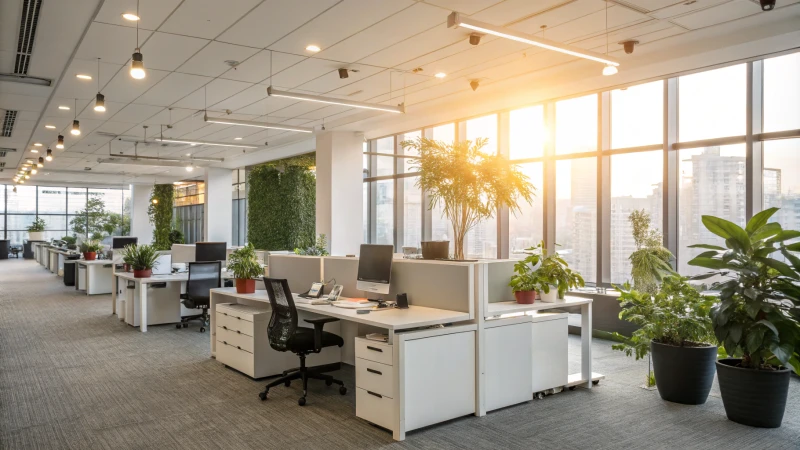
Human-Centric Lighting (HCL) focuses on improving human health and well-being. It aligns lighting with natural body rhythms. This lighting increases productivity. It also lifts mood. People might stay at work more often. HCL is used in offices. Homes also use HCL.
Understanding Human-Centric Lighting (HCL)
Human-Centric Lighting (HCL) refers to lighting systems designed to support human health and well-being. Unlike traditional lighting, which primarily focuses on illumination, HCL adapts to the natural rhythms of human biology, particularly circadian rhythms.
I remember working late in a dim office. The dark space felt like it was closing in on me. Then, I understood how regular lighting often ignores our natural rhythms. HCL adjusts to our biological clock, such as our circadian rhythms. This alignment helps us feel more in tune with nature.
Research indicates that HCL can enhance mood and cognitive function, leading to improved productivity in workplaces. For instance, incorporating dynamic lighting5 that mimics natural sunlight can help regulate sleep-wake cycles and boost alertness throughout the day.
Benefits of Human-Centric Lighting
The advantages of HCL are multi-faceted:
| Benefit | Description |
|---|---|
| Improved Productivity | Studies show that HCL can increase worker productivity by up to 20%. |
| Reduced Absenteeism | Organizations report up to 15% lower absenteeism rates when using HCL. |
| Enhanced Well-Being | Users often experience better mood and reduced stress levels. |
| Support for Circadian Rhythms | Properly designed HCL systems align with natural light patterns, aiding in overall health. |
By considering the psychological effects of lighting, businesses can create environments conducive to higher morale and efficiency.
Practical Applications of HCL
HCL is not limited to office environments; it has applications in various settings:
- Healthcare Facilities: HCL helps patients recover faster and improves staff performance by creating soothing atmospheres.
- Educational Institutions: Schools using HCL report better student engagement and learning outcomes. I wish this lighting was available when I was in school!
- Residential Spaces: At home, HCL creates a cozy atmosphere that enhances relaxation and improves sleep quality. My evenings feel very different now.
If curious about real-life HCL use, check out this informative resource.
How Does HCL Work?
How does it all come together? HCL systems typically utilize advanced technologies such as LEDs and smart controls to mimic the dynamic nature of sunlight. These systems can adjust color temperature and intensity based on the time of day, which is crucial for supporting circadian rhythms.
| Technology | Functionality |
|---|---|
| LEDs | Provide energy-efficient lighting with adjustable color temperatures. |
| Smart Controls | Enable automation based on occupancy and time of day. |
| IoT Integration | Allow remote management and monitoring of lighting systems for optimal performance. |
For insights on integrating IoT with lighting solutions, visit this guide. It’s about creating spaces more responsive to our needs!
Human-Centric Lighting improves workplace productivity by 20%.True
Research shows that implementing HCL can lead to significant increases in worker productivity, enhancing overall performance.
HCL systems are only beneficial in office environments.False
HCL has diverse applications, benefiting healthcare, education, and residential spaces, not just offices.
How Are LEDs Revolutionizing Building Lighting Solutions?
Have you ever been amazed by how bright and efficient new buildings are? LED technology really improves lighting everywhere. Today, LED lights transform how we light up our areas.
LED technology is changing building lighting. It reduces energy use by up to 80%. LED lights work with smart systems for greater efficiency. They foster designs focused on human well-being, too. This change saves money. It also greatly helps the environment.
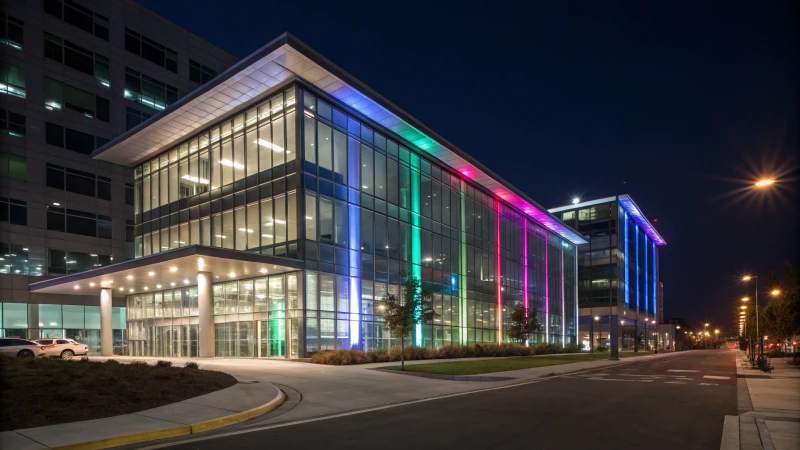
Reflecting on my time in the lighting industry brings a thrill from LED technology's changes. LEDs are not just brighter; they really shape spaces that help our lives, cut costs and care for Earth.
Energy Efficiency and Cost Savings
Starting with LEDs, I found their energy efficiency amazing. Imagine reducing energy use by as much as 80% compared to old bulbs. This is a huge shift, especially for businesses where lighting eats a big chunk of costs.
Take the large office I helped switch to LED lights. Owners doubted at first, but their energy bills fell by thousands each year post-switch. This money maybe returns to grow their business.
| Lighting Type | Energy Consumption | Lifespan | Annual Cost (Est.) |
|---|---|---|---|
| Incandescent Bulbs | 60 Watts | 1,000 hours | $300 |
| CFLs | 15 Watts | 10,000 hours | $100 |
| LEDs | 10 Watts | 25,000 hours | $30 |
Using LEDs slashes energy bills and lessens the trouble of frequent light changes - a truly winning situation!
Integration with Smart Technology
Today, tying up lighting with smart technology seems a natural advance. In modern buildings, I've seen smart systems give better control over lighting.
Picture stepping into a room and lights automatically adjusting to people present or daylight levels. IoT sensors easily handle this. They potentially boost efficiency by about 20% through smart energy use.
- Smart Lighting Benefits:
- Lights adjust based on room use.
- Control and scheduling via phone apps.
- Ties with building systems for easy management.