

Imagine walking into a room where the lights know just how bright or dim they should be, all thanks to smart technology.
Smart lighting systems use wireless protocols like Zigbee, Wi-Fi, and Bluetooth to allow remote control, automation, and integration into smart homes. Each offers unique benefits based on the installation's size and needs, helping you choose the best fit for your lifestyle.
I remember the first time I experimented with smart lighting in my home. It felt like stepping into a sci-fi movie. But beneath the surface of these magical moments lies a choice: the wireless protocol. Each option—Zigbee, Wi-Fi, and Bluetooth—has its own charm and quirks. Let's explore how each plays a role in bringing your lighting fantasies to life.
Zigbee is like that reliable friend who’s always there for big events. Perfect for large-scale installations, it creates a stable mesh network. However, you need a Zigbee hub to bring it all together. Meanwhile, Wi-Fi offers freedom without the need for extra gadgets; it’s ideal for those who want direct internet connectivity. Just watch out for potential network congestion if you invite too many devices to the party.
Finally, there’s Bluetooth, the go-to for intimate settings or smaller spaces where devices can chat up close. While its range might be limited, it’s great for simple setups without the need for a hub. So whether you're lighting up a commercial space or adding ambiance to your cozy corner at home, choosing the right protocol is key to making your smart lighting dreams come true.
Zigbee is the most energy-efficient protocol for smart lighting.True
Zigbee is designed for low-power consumption, making it energy-efficient.
Wi-Fi offers the longest range among smart lighting protocols.False
Wi-Fi has a longer range than Bluetooth but typically less than Zigbee.
What Are the Benefits and Drawbacks of Using Zigbee in Smart Lighting?
Imagine transforming your space with smart lighting that responds almost like magic.
Zigbee is a fantastic choice for smart lighting because it’s energy-efficient and supports large, scalable setups. However, it does have limitations like a shorter range and compatibility issues with non-Zigbee devices.
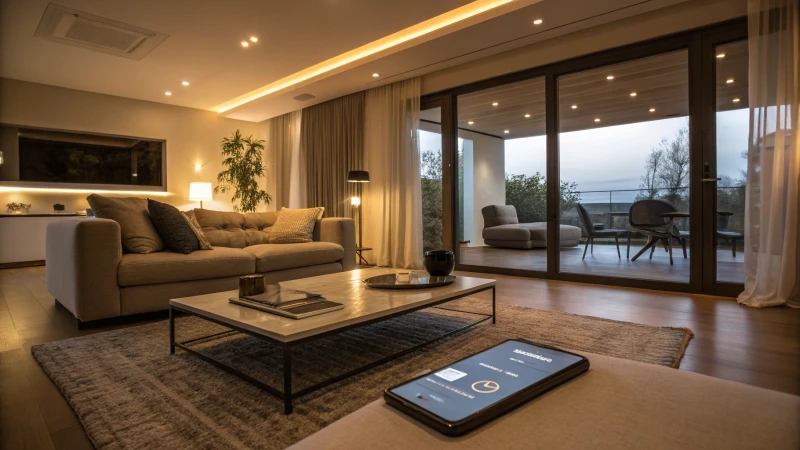
Advantages of Zigbee in Smart Lighting
Have you ever walked into a room and wished the lights would just dim themselves to create that perfect mood? With Zigbee, that experience isn't just a wish—it's possible! Zigbee technology really takes the spotlight in smart lighting thanks to its impressive energy efficiency and scalability1. Imagine running a massive setup of lights and sensors without worrying about a huge energy bill. That's what Zigbee's low-power mesh network offers. It's like having a team of lights that communicate seamlessly without draining your power.
Moreover, Zigbee's low latency ensures that commands are executed swiftly, enhancing user experience. For example, when a user dims lights via a smartphone app, the response is almost instantaneous, providing a smooth, real-time control experience.
| Benefit | Description |
|---|---|
| Energy Efficiency | Low power consumption ideal for large installations |
| Scalability | Supports numerous devices in a mesh network |
| Low Latency | Quick response times improve user experience |
I remember setting up a Zigbee system in a friend's café, where quick lighting changes were essential to create the right vibe for their events. The low latency meant commands were executed almost instantly—so when they wanted to dim the lights for a cozy evening, it was as easy as tapping a button on their phone.
Drawbacks of Zigbee in Smart Lighting
Of course, no technology is perfect, and Zigbee is no exception. One of its biggest hurdles is its limited range. Picture this: You're trying to light up an expansive warehouse but realize you need additional hubs to extend Zigbee’s coverage. This can be inconvenient and add to your setup costs.
Compatibility can also pose challenges. Ever tried making a Zigbee device chat with non-Zigbee devices? It’s not always smooth sailing and can feel like trying to make two people who speak different languages understand each other.
Furthermore, while Zigbee is designed for large-scale use, its network can become crowded if too many devices are connected, leading to potential interference issues—kind of like inviting too many guests to a party and realizing there's no room to move!
| Drawback | Description |
|---|---|
| Limited Range | Requires hub for extended coverage |
| Compatibility | Challenges with non-Zigbee device integration |
| Network Congestion | Potential interference with too many connected devices |
I once faced this challenge when integrating a Zigbee system with existing non-Zigbee devices in an office. It required extra effort to ensure everything worked together, which can be frustrating when you're aiming for seamless integration.
Comparing Zigbee to Other Protocols
When stacked against other protocols like Wi-Fi and Bluetooth, Zigbee certainly has its unique strengths. While Wi-Fi2 connects directly to the internet, it's like having a high-energy friend who's great in small doses but not suited for large, extended gatherings due to high power consumption.
On the flip side, Bluetooth is that easy-going acquaintance—simple to set up but only really effective in small spaces. It’s like trying to have a conversation across a crowded room; it just doesn’t work as well when you need broader coverage.
Each protocol has its own sweet spot, so it’s crucial to weigh factors such as energy consumption, system size, and desired control capabilities before deciding which is the best fit for your smart lighting needs. It’s like picking the right tool for the job—one size doesn’t fit all!
Zigbee requires a hub for extended range.True
Zigbee's range is limited, necessitating a hub for larger areas.
Zigbee integrates easily with non-Zigbee devices.False
Zigbee often struggles to integrate with non-Zigbee devices.
How does Wi-Fi enhance smart lighting systems?
Ever wondered how a simple Wi-Fi connection can transform your lighting experience? Imagine controlling your home’s ambiance from your phone, even while on vacation.
Wi-Fi enhances smart lighting by allowing remote control, seamless integration with smart home systems, and easy automation through apps, all without needing extra hubs, directly connecting to your home network.
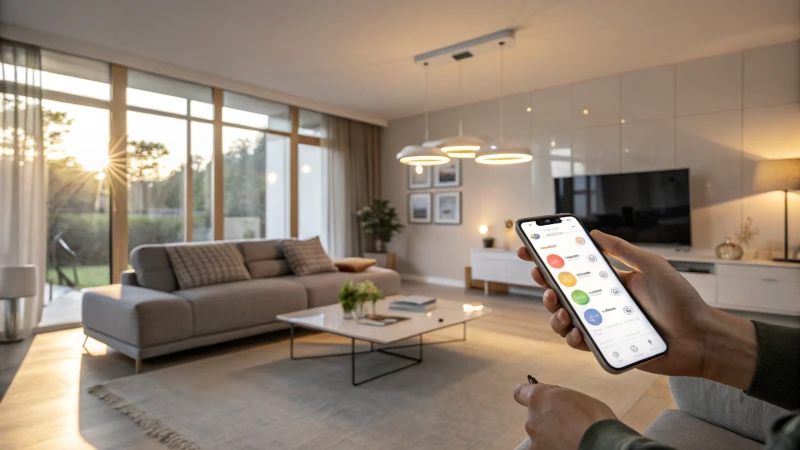
Remote Control and Convenience
I remember the first time I realized I could turn off the lights without leaving the comfort of my bed—it felt like magic. Thanks to Wi-Fi connectivity, I can now control my lighting systems from anywhere using my smart devices3. Whether I’m away on vacation or just too cozy to move, I can adjust brightness, switch lights on or off, or even change their colors. It’s like having a little bit of wizardry at your fingertips.
Integration with Smart Home Systems
Wi-Fi doesn’t just stop at convenience; it’s also about creating a seamless smart home experience. I’ve integrated my lights with other devices like security systems and voice assistants such as Alexa and Google Assistant. The thrill of walking into a room and commanding the lights with just my voice never gets old. This integration brings a new level of security and convenience, offering voice-activated controls or automation based on sensor inputs.
Automation and Scheduling
The beauty of Wi-Fi-enabled smart lighting is in its ability to blend into our daily routines effortlessly. Through apps, I've set up schedules that automatically adjust lighting for different times of the day—dimming for bedtime and brightening for morning wake-ups.
| Feature | Benefits |
|---|---|
| Scheduling | Energy savings by reducing unnecessary usage |
| Automation | Enhanced convenience through preset routines |
| Integration | Syncs with other smart devices for a cohesive system |
Direct Network Connection
What I love most about using Wi-Fi over other protocols like Zigbee is its simplicity. There’s no need for additional hubs or bridges; my lights connect directly to my home network. This makes installation straightforward and cost-effective, although I have noticed that too many devices can sometimes slow down the network4. It’s a small trade-off for the ease of use.
Energy Efficiency Considerations
While Wi-Fi offers many benefits in control and integration, it’s important to consider energy consumption. I've found that planning out installations carefully helps balance performance with energy use, especially if you're aiming for an extensive setup.
In summary, Wi-Fi transforms how I interact with my lighting environment, seamlessly integrating into my smart home while offering incredible control and convenience. It’s not just about lighting up a space; it’s about illuminating life.
Wi-Fi smart lights require hubs for connectivity.False
Wi-Fi smart lights connect directly to networks, no hubs needed.
Smart lighting can be automated with Wi-Fi apps.True
Wi-Fi apps allow users to set schedules and automate lighting.
Is Bluetooth a Viable Option for Smart Lighting in Large Spaces?
Ever wondered if Bluetooth could light up your entire warehouse? Let’s dive into whether Bluetooth is the smart choice for expansive spaces.
Bluetooth can be used for smart lighting in large spaces, but it often falls short compared to Zigbee or Wi-Fi due to its limited range and scalability. Bluetooth Mesh can boost performance, but challenges remain.

Understanding Bluetooth's Limitations
I remember setting up my first Bluetooth lighting system at home. It was like magic, being able to control lights from my phone. But when I tried the same setup in a larger office space, it didn't quite have the same sparkle. The limited range of Bluetooth became a real hurdle. In small installations5, Bluetooth is brilliant, thanks to its simple setup and low power consumption. But in larger spaces, like that office I mentioned, controlling multiple zones becomes tricky.
Exploring Bluetooth Mesh Networks
Then I stumbled upon Bluetooth Mesh. It's like giving your Bluetooth a superpower, allowing devices to chat with each other across a network, not just one-to-one. This upgrade can extend the range and reliability, making it more appealing for bigger installations.
| Feature | Bluetooth | Zigbee | Wi-Fi |
|---|---|---|---|
| Range | Limited | Moderate | Extensive |
| Scalability | Low | High | Moderate |
| Setup | Simple | Moderate | Complex |
| Energy Efficiency | High | High | Low |
Comparing Bluetooth with Other Technologies
Now, when I compare it to Zigbee6 or Wi-Fi, it's like choosing between a scooter and a car for a cross-country road trip. Zigbee's strength in creating stable networks for large areas often makes it the go-to choice, especially when reliability is crucial. However, if you're like me and enjoy tinkering with tech, Bluetooth Mesh might seem worth exploring.
Practical Enhancements for Bluetooth
To make Bluetooth work better in large spaces, I found placing repeaters strategically and leveraging mesh technology makes a big difference. Integrating Bluetooth with existing systems can let you enjoy local control without relying solely on it.
Considering Use Cases and Environments
Reflecting on different environments, if localized control is what you need, Bluetooth might fit well. But knowing the specific requirements of your space is vital. A hybrid approach could be the solution, combining Bluetooth with technologies like Wi-Fi or Zigbee. It's all about balancing the strengths and limitations through thoughtful planning and integration.
By implementing these strategies, I've seen how Bluetooth can become a more feasible option even in larger setups, offering local control while navigating its inherent limits with clever planning and tech integration. For more insights, check out advanced lighting controls7.
Bluetooth Mesh enhances connectivity for large spaces.True
Bluetooth Mesh allows devices to form a network, improving range and reliability.
Zigbee is less scalable than Bluetooth in large spaces.False
Zigbee offers higher scalability and reliability compared to Bluetooth in large areas.
Which Protocol is Best for Your Smart Lighting Needs?
You know, picking the right protocol for your smart lighting can feel like choosing the perfect pair of shoes—it's got to fit just right. Let's dive in and find your perfect match!
Choosing the best protocol for your smart lighting boils down to your specific needs. Zigbee is great for expansive setups needing robust mesh networks, Wi-Fi is ideal for smaller spaces with internet connectivity, and Bluetooth shines in localized settings without the need for hubs.

Zigbee: The Backbone for Large Installations
I remember when I first set up my office lighting system, I opted for Zigbee. It's like having a reliable friend who's always there, especially in large setups where stability is key. Zigbee's low-power mesh network8 is perfect for commercial spaces, where every light and sensor needs to be in sync without a hitch.
- Benefits: Low latency, energy-efficient, scalable.
- Drawbacks: Needs a hub for operation, limited compatibility with non-Zigbee devices.
| Aspect | Zigbee |
|---|---|
| Use Case | Large-scale installations |
| Power Usage | Low |
| Network Type | Mesh |
| Drawback | Hub requirement, limited range |
Wi-Fi: Flexibility with Internet Integration
For my home setup, Wi-Fi was the natural choice. I love the idea of controlling my lights from anywhere in the world, as long as there's internet. Wi-Fi offers convenience9 with its straightforward connection but beware of network congestion—it’s like rush hour traffic for your data.
- Benefits: Easy setup, no hubs needed, direct internet connection.
- Drawbacks: High power consumption, potential congestion in busy networks.
| Aspect | Wi-Fi |
|---|---|
| Use Case | Smaller installations |
| Power Usage | High |
| Network Type | Direct internet |
| Drawback | Network congestion |
Bluetooth: Simplicity in Local Control
When I was setting up a small home office, Bluetooth was a breeze. No extra hubs to worry about—just easy control over a few lights. It's ideal if you're like me and enjoy the simplicity and low power use—but keep in mind it doesn't stretch far. Bluetooth is efficient10 in residential settings with fewer devices.
- Benefits: No hub required, low power usage, straightforward setup.
- Drawbacks: Limited range, not suitable for large-scale networks.
| Aspect | Bluetooth |
|---|---|
| Use Case | Localized control |
| Power Usage | Low |
| Network Type | Local |
| Drawback | Limited scalability |
Exploring Alternatives: Z-Wave and More
While Zigbee, Wi-Fi, and Bluetooth are like the big names everyone knows at a party, don’t overlook the quieter alternatives like Z-Wave11. These can offer niche advantages that might just be the perfect fit for your needs—think secure communication and interoperability across devices.
\- Z-Wave Benefits: Interoperable with various devices, secure communication. \- Drawbacks: Requires dedicated hubs, sometimes higher cost.
\Ultimately each protocol has its unique charm. Whether it's the sprawling connectivity of Zigbee, the internet-savvy nature of Wi-Fi or the direct simplicity of Bluetooth evaluating your setup's scale power needs and network requirements will lead you to your ideal lighting solution.
Zigbee is ideal for large installations.True
Zigbee's mesh network and scalability make it perfect for large setups.
Bluetooth requires a hub for operation.False
Bluetooth operates without a hub, relying on direct device connections.
Conclusion
Smart lighting utilizes Zigbee, Wi-Fi, and Bluetooth protocols for control and automation. Each offers unique benefits, making it essential to choose based on installation size and specific needs.
Discover how Zigbee's mesh network supports extensive device integration, perfect for large projects. ↩
Understand the key differences between Wi-Fi and Zigbee in smart lighting applications. ↩
Discover how different smart lighting apps offer remote control capabilities to enhance user convenience. ↩
Understand how Wi-Fi network congestion affects device performance and explore solutions to mitigate it. ↩
Discover how Bluetooth lighting systems are effectively used in small installations to understand their benefits and limitations. ↩
Learn about how Zigbee compares to Bluetooth in terms of range and scalability for smart lighting solutions. ↩
Explore advanced lighting controls that enhance performance and functionality in large spaces. ↩
Discover why Zigbee is trusted for stable connections in extensive smart lighting setups. ↩
Explore how Wi-Fi provides seamless internet integration for controlling smart lights remotely. ↩
Learn how Bluetooth supports efficient local control in smaller lighting installations. ↩
Find out how Z-Wave offers distinct advantages for certain smart lighting applications. ↩
Topic cluster context
How Does Smart Lighting Work with Zigbee, Wi-Fi, and Bluetooth?
This guide supports the Smart Commercial Lighting hub. Product, protocol, certification, ranking and performance claims remain subject to the evidence and compatibility checks stated in the article governance record.