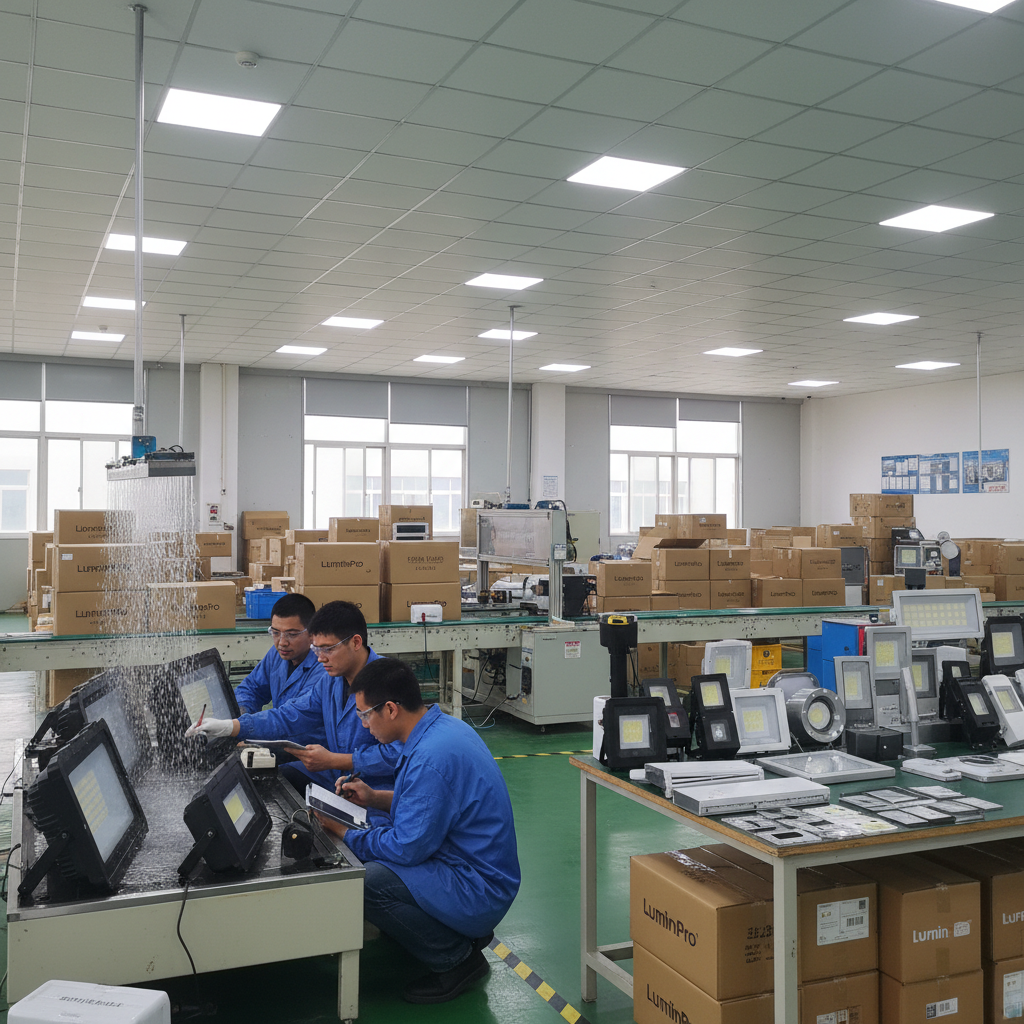

Do your LED lights sometimes play a strange game of disappearing and reappearing?
LED lights may flicker or switch on and off by themselves. Overheating might be the cause. Incorrect wiring often leads to this issue. Problems with dimmer switches also contribute. Fixing these problems helps your lighting work smoothly. Really smooth.
Picture yourself getting comfortable for a relaxing evening when suddenly your LED lights start flickering like they belong in a horror scene. This can really annoy anyone. Let's look into the usual suspects behind this sudden light show. We should also consider practical ways to keep your lights steady and trustworthy.
LED lights flicker due to overheating issues.True
Overheating can cause LED lights to flicker as a safety measure.
Faulty wiring never causes LED lights to flicker.False
Faulty wiring can disrupt power flow, causing flickering in LED lights.
Why Do LED Lights Overheat?
Do you ever think about why your LED lights feel as hot as a desert noon? I did too. A few main reasons exist for this unwanted heat.
LED lights may overheat because of bad heat escape, using powerful bulbs in small areas or low-quality construction. Addressing these issues keeps LEDs very bright and really safe.

Not Enough Heat Dissipation
I remember when my LED lights got too hot. They almost turned into small heaters. The reason was not enough heat escaping. Even though LEDs are cooler than old light bulbs, they still need to let heat out well. Without good heat sinks or vents, heat builds up like it does inside an oven in summer. Picture putting an LED in a tight spot - it’s like wearing a thick coat on a sunny day.
Example of Controlling Heat
Imagine an LED bulb inside a compact ceiling fixture with no airflow. Over time, trapped heat harms the bulb. Luckily, an aluminum heat sink helps by carrying away the heat. It acts like a fan for your light!
| Components | Description |
|---|---|
| Heat Sink | Carries away the heat from the bulb |
| Ventilation | Allows air circulation to dissipate heat |
Using High-Wattage Bulbs
I once tried using high-wattage LED bulbs for a party, but my fixtures couldn't handle it. Big error! Using more watts than a fixture permits causes overheating. It’s very important to match the correct wattage to prevent disaster.
Manufacturing Quality
One time, I bought LEDs from an untrustworthy seller, thinking it was a great deal. They overheated quickly. Quality counts - cheap parts fail under heat. Now, I really check for certificates and only buy from trusted brands with certification compliance1.
Effect of Surrounding Temperature
Hot summer days! High surrounding heat may push LEDs past safe temperatures, especially if installed without thinking about the weather. Installing carefully and thinking about the climate can really help LEDs last longer.
Overview Table: Usual Overheating Causes
| Cause | Solution |
|---|---|
| Inadequate Heat Dissipation | Use of effective heat sinks |
| High-Wattage Usage | Match bulb wattage to fixture |
| Poor Manufacturing Quality | Buy from reputable suppliers |
| High Ambient Temperature | Ensure proper installation |
For further knowledge about LED technology2, learning about standards and best thermal practices is very useful. With great information, enjoying LEDs without heat troubles becomes easy.
LEDs overheat due to poor heat dissipation.True
Insufficient heat sinks or ventilation prevent proper heat management.
High ambient temperatures don't affect LED overheating.False
High temperatures can elevate LED operating temperature beyond safe limits.
How Can Power Supply Issues Affect LED Lights?
Ever experienced your LED lights flickering or dimming suddenly? This occurrence probably points to a sneaky power supply problem.
Problems with power supply cause flickering, dimming or even complete failure of LED lights. Reasons include voltage changes, bad-quality power supplies and not enough current control. These problems shorten LED lifespan. Efficiency of LED lights drops too.

The Impact of Voltage Fluctuations
I've had many problems with voltage changes. Picture creating a perfect lighting atmosphere, only for it to flicker like a disco. LED lights really need stable voltage levels3. When they don't receive it, they behave unexpectedly. Too high and they overheat; too low and they dim.
| Voltage Issue | Effect on LED |
|---|---|
| Overvoltage | Overheating, potential damage |
| Undervoltage | Dimming, decreased efficiency |
Poor Quality Power Supplies
Buying the right power supply is really important. It acts as the backbone of your lights. When I chose cheap ones, my LEDs behaved unpredictably, like the weather in Canada! Trustworthy power supplies keep currents steady, helping lights glow smoothly.
Inadequate power supplies often fail to provide the necessary current regulation4 for LEDs, causing erratic performance.
Insufficient Current Regulation
This issue sneaks up on you. LEDs need the correct current. Too much or too little shortens their lifespan before you know it. The correct drivers tailored for LEDs are crucial for good current regulation5. Really crucial.
| Current Issue | Impact on LED |
|---|---|
| Excess Current | Shortened lifespan, overheating |
| Low Current | Diminished brightness, flickering |
Mitigating Power Supply Issues
To protect LED lights from these annoying problems, use surge protectors and high-quality drivers. Pay attention to your electrical systems. Catch electrical issues early—maybe even very early.
To safeguard LED lights from power supply issues, employ surge protectors and use high-quality drivers. Regularly monitor and maintain the electrical systems to identify potential electrical anomalies6 early.
For a high-tech approach, upgrade to smart control systems that offer dynamic adjustment capabilities for voltage and current to optimize energy usage7 and enhance lighting performance. They keep lights working at their best—it's like giving your lighting a personal guardian.
Voltage fluctuations cause LED flickering.True
Voltage changes lead to inconsistent illumination, causing flickering.
High-quality power supplies reduce LED lifespan.False
High-quality supplies ensure stable current, protecting and prolonging LED life.
Are Faulty Connections Behind Your Flickering Lights?
Do the lights in your room sometimes flicker wildly and leave you curious about what is happening?
Faulty connections often cause flickering lights. Loose or corroded wires disrupt the electrical flow. Erratic lighting results from this disruption. Prompt attention to these issues is crucial. Safety hazards arise if ignored. A well-lit home ensures safety. A safe environment is very important.

Common Causes of Flickering Lights
I remember the first time I saw my lights flickering. It was a quiet evening. I was getting ready to read a good book when the lights suddenly started to dance. At first, it seemed like a one-time thing. But as it kept happening, I knew I needed to find out why.
Flickering lights usually occur because of a few common issues, with loose connections often causing the most trouble. These can range from loose bulbs to problems within the wiring system. Let's explore some typical causes:
- Loose Bulbs: Sometimes, they are not screwed in all the way—just like leaving a jar half open.
- Switch Issues: A faulty light switch might not create a solid connection, resulting in flickering.
- Faulty Wiring: Think of wires as tiny highways for electricity. If they’re loose or rusted, it’s like having bumps on those roads.
How to Identify Faulty Connections
To determine if faulty connections are causing your lights to flicker, start by checking simple things:
- Inspect the Outlet: Look for wear or damage. Everything should feel tight and secure.
- Examine Circuit Breakers: A tripped breaker might signal deeper wiring issues.
- Professional Inspection: If unsure, an electrician might really save you from stress.
| Potential Fault | What to Check | Solution |
|---|---|---|
| Loose Bulb | See if the bulb fits tightly | Secure bulb properly |
| Faulty Switch | Test different switch positions | Replace switch if needed |
| Wiring Issues | Inspect wiring for corrosion | Consult with an electrician |
When to Call a Professional
There is a point where your own attempts might not fix the issue. And that’s okay! Signs you need expert help include:
- Persistent Flickering: Despite basic checks, the problem continues.
- Burning Smell or Sparks: Indicates serious wiring issues.
- Multiple Outlets Affected: Could signal a larger problem in your system.
It’s like when my car makes an odd noise; I can check a few things, but then I call in the pros.
Understanding Safety Risks
Ignoring flickering lights is risky, not just annoying. Loose connections could mean danger like electrical fires, which we definitely want to avoid. Fixing these problems is about keeping everything safe and smooth. Address these issues promptly to ensure home safety8. Neglecting these signs could result in costly damages or hazardous conditions.
Simple solutions work sometimes, but knowing when to call a pro is vital for maintaining safe and effective lighting systems. Plus, energy-efficient lighting options9 reduce stress on your system and keep flickering away, making your home bright and safe.
Loose bulbs are the main cause of flickering lights.False
Faulty connections, not just loose bulbs, often cause flickering lights.
Ignoring flickering lights can lead to electrical fires.True
Faulty connections causing flickering can escalate into hazardous conditions.
When Should You Consult a Professional for LED Issues?
Imagine this꞉ You relax after a tiring day, but the flashing LED lights transform your peaceful night into a wild party. When is it time to ask an expert for help?
Consult a professional when LED lights flicker, dim or shut down unexpectedly. Electrical safety concerns also require expert help. These problems might indicate deeper issues that need expert care.

Understanding Common LED Problems
LED lights are like faithful friends who sometimes need a little encouragement. They might experience problems occasionally. My kitchen lights once flickered as if they were in a horror movie. It turned out to be a simple connection issue. This showed me how common these problems can be, such as flickering10, unexpected shutdowns, and mysterious dimming.
| Issue | Potential Causes |
|---|---|
| Flickering | Poor connections, incompatible dimmer switches |
| Unexpected Shutdown | Overheating, faulty drivers |
| Dimming | Voltage issues, circuit problems |
These issues can sometimes be resolved with simple troubleshooting, but there are situations where professional help is necessary.
When to Consider DIY Fixes
Before calling the experts, I always check if I can solve the problem myself. Like that time I replaced a bad bulb and felt like an electrical genius. For small issues, a little troubleshooting helps a lot. Fastening loose connections or replacing a faulty bulb might solve the problem.
If you're comfortable with basic electrical tasks and have the necessary tools, minor issues can often be addressed without external help. However, caution is essential to prevent any risk of injury or further damage.
Signs That Professional Help Is Needed
There are clear signs that indicate when it's time to contact a professional. My living room lights wouldn't stop flickering after changing bulbs and switches. It was then I realized I needed an expert who understands circuits better than me.
- Consistent Dimming: Imagine hosting a dinner party and your dining room lights play hide and seek. If the dimming varies, it might suggest voltage changes needing professional attention.
- Electrical Safety Concerns: Burning smells or sparks mean a certified electrician should be called immediately. Once, I ignored a sizzling sound until it nearly caused a fire.
For major projects or commercial setups, bringing in experts is wise as they ensure safety and reliability while solving current problems and preparing for future issues.
Benefits of Professional Consultation
Getting a professional feels like having a superhero save the day. They provide thorough checks and personalized solutions beyond DIY capabilities.
| Benefit | Description |
|---|---|
| Expert Diagnosis | Identifying underlying problems accurately |
| Customized Solutions | Tailored fixes that align with specific needs |
| Safety Assurance | Ensuring all repairs meet safety standards |
They advise on potential upgrades to improve energy use and bulb performance. When dealing with complex systems or unique setups, professional insights become invaluable for integrating new technologies or aligning with industry standards for energy efficiency.
Leveraging Professional Services for Complex Issues
LED issues affecting an entire system need professionals who understand large-scale installations. They offer comprehensive solutions addressing both immediate concerns and long-term reliability.
For those prioritizing sustainable lighting systems, professionals help follow energy-saving practices11 and comply with regulations.
Recognizing when expert help is needed protects your LED investment and ensures safety. Evaluating the situation carefully before choosing between DIY and professional help leads to better results.
LED flickering can be caused by incompatible dimmer switches.True
Incompatible dimmer switches can cause LED lights to flicker.
DIY fixes are always the best solution for LED problems.False
Some LED issues require professional help for safety and efficiency.
Besen led is a leader of led light manufacturer
At Besenled, we specialize in delivering top-tier LED lighting solutions, including LED strip lights, linear lights, neon lights, and innovative mosquito killer lights. With our cutting-edge factory featuring 5 advanced production lines, we ensure high-quality products tailored to meet your unique needs.
As a trusted B2B wholesale supplier, we proudly serve clients across Central Asia, North America, South America, Europe, and beyond. Our dedication to custom design, quality assurance, and brand identity makes us the go-to partner for large corporate buyers, construction firms, and LED distributors.


With Besenled, you’re not just getting superior lighting products—you’re gaining a reliable partner that values efficiency, transparency, and customer satisfaction.
Ready to transform your lighting projects?
Click Here Today! To discover how Besenled can illuminate your busines success!
Conclusion
LED lights may flicker or turn off due to overheating, faulty wiring, power supply issues, or loose connections. Identifying and addressing these problems ensures reliable lighting performance.
- Certification ensures reliability and adherence to safety standards, critical for preventing overheating. ↩
- Thermal management is essential for LED longevity and performance; understanding it can prevent overheating issues. ↩
- Understanding optimal voltage levels helps ensure stable operation and prevents damage from fluctuations. ↩
- Learn why consistent current flow is crucial for LED longevity and performance. ↩
- Explore how to select drivers that maintain accurate current levels for LEDs. ↩
- Detecting anomalies early can prevent damage to LED lighting systems. ↩
- Discover how smart systems optimize energy use and improve LED performance. ↩
- Learn about potential risks of electrical issues and how to prevent them. ↩
- Explore how energy-efficient lighting can improve home safety and reduce electricity bills. ↩
- Understanding the common reasons behind LED flickering can help diagnose minor issues before seeking professional assistance. ↩
- Discover tips to optimize energy use and enhance the performance of your LED systems. ↩