
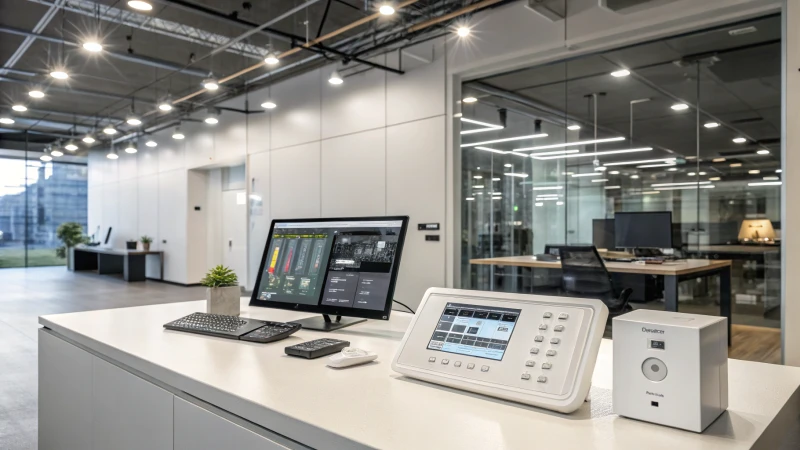
%[Close-up of LED lights and dimming control panel]
I still remember the first time I tried to dim my LED lights—it was a flickering mess!
The most effective dimming techniques for LED dimmable lights in large-scale B2B applications are hybrid dimming (combining PWM and analog methods) and digital protocols like DALI or DMX. Hybrid dimming ensures flicker-free performance and maintains color stability, while digital solutions enable centralized, programmable control for smart projects. Tailoring dimming systems to project-specific requirements eliminates compatibility issues and enhances long-term reliability.
Navigating the world of LED dimming can feel overwhelming, especially with so many options. But understanding the basics, like hybrid systems that combine precision and energy efficiency, can really make a difference. For example, in one of my projects, I opted for a hybrid system in a commercial space. Not only did it save on energy bills, but it also delivered a smooth dimming experience. Meanwhile, digital control protocols such as DALI or DMX are fantastic for more complex needs, offering programmable settings that are perfect for dynamic lighting environments. Diving into these methods can truly transform how your lighting system performs and interacts with its surroundings.
PWM and analog dimming are the same technique.False
PWM and analog dimming are distinct methods, often combined for LED control.
DALI is a digital control protocol for LED dimming.True
DALI stands for Digital Addressable Lighting Interface, used for managing LEDs.
How Do Hybrid Dimming Systems Enhance LED Lighting?
Ever thought about how to make your LED lighting even better? Let me introduce you to hybrid dimming systems—where efficiency meets innovation.
Hybrid dimming systems enhance LED lighting by blending PWM and analog dimming, optimizing performance, reducing flicker, and boosting energy efficiency. This approach meets diverse needs in both commercial and residential spaces.
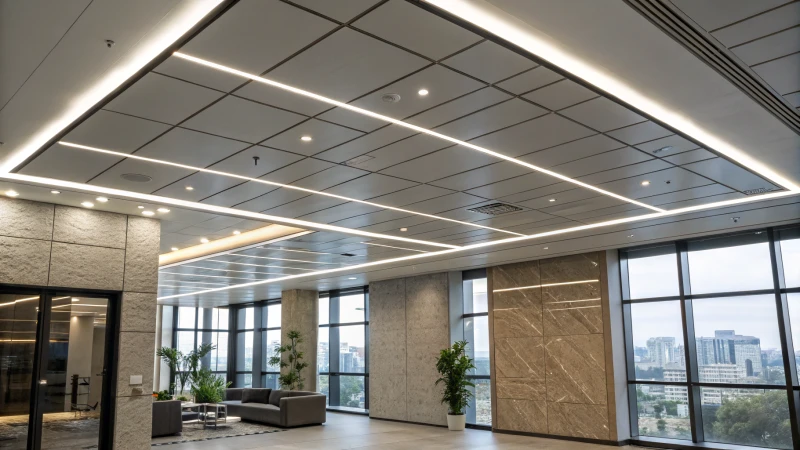
Understanding Hybrid Dimming Systems
When I first stumbled upon hybrid dimming systems, I was fascinated by how they combine PWM (Pulse Width Modulation)1 with analog dimming. Imagine having the precision of PWM controlling light intensity while analog dimming smoothly transitions and saves energy—it's like getting the best of both worlds.
Why Combine PWM and Analog Dimming?
- Precision and Efficiency: I once tried using just PWM for my home office setup, but the flicker was a bit distracting during late-night work sessions. Analog dimming, on the other hand, provided that smooth, flicker-free light I was looking for. Together, they ensure top-notch lighting quality without compromising on efficiency.
- Cost-Effectiveness: In one of my larger projects, integrating hybrid systems significantly cut down energy costs while maintaining excellent lighting quality. It was a win-win for the budget!
Addressing Compatibility Issues
A big plus with hybrid systems is how they tackle those pesky compatibility problems. I remember the headaches from flickering lights and buzzing sounds due to mismatched components. Hybrid systems reduce these issues significantly, and I've learned to always pick suppliers who offer thorough testing and compatibility matrices for added peace of mind.
Example Compatibility Table
| Component | Compatibility Level | Supplier Recommendation |
|---|---|---|
| LED Drivers | High | Tested with PWM2 |
| Legacy Systems | Moderate | Consult with Supplier3 |
| New Installations | High | Fully Compatible4 |
Adaptability to Technological Trends
As a tech enthusiast, I've seen how hybrid dimming systems are evolving alongside smart lighting demands. They're now incorporating advanced digital protocols5 like DALI and DMX, making centralized control in complex settings like retail or hospitality a breeze.
Case Study: Hospitality Sector
In my experience working with hotels, integrating hybrid dimming with digital protocols has slashed maintenance costs thanks to remote diagnostics and control solutions. It's projected that by 2025, 60% of smart building projects will utilize such advanced systems—a trend I'm definitely keeping an eye on.
Explore More on Digital Protocols6 for insights into future-proofing lighting installations.
Practical Applications and Benefits
I've found hybrid dimming systems particularly useful in environments where both performance and energy efficiency are crucial. For example:
- Commercial Spaces: We achieved significant energy savings without sacrificing lighting quality.
- Industrial Settings: Consistent, flicker-free lighting enhanced productivity in one of my warehouse projects.
By integrating hybrid dimming systems, businesses can tailor their lighting to specific needs while cutting down on operational costs—a strategy that's become a cornerstone in my project planning.
Learn More on Energy Savings7 through hybrid systems.
Hybrid dimming reduces LED flicker significantly.True
Combining PWM and analog dimming minimizes flicker effectively.
Hybrid dimming systems increase energy consumption.False
They actually reduce energy consumption by optimizing lighting efficiency.
How Do Digital Control Protocols Enhance Lighting Systems?
Have you ever wondered how your smart lighting magically transforms your space with just a click? It's all thanks to digital control protocols.
Digital control protocols, such as DALI and DMX, enable seamless communication between lighting devices and controllers using digital signals. These protocols provide precise and programmable control, enhancing both the efficiency and flexibility of modern lighting systems.
Understanding Digital Control Protocols
Imagine walking into a room and with a simple voice command or a tap on your phone, the lighting adjusts perfectly to set the mood. That's the magic of digital control protocols. These ingenious systems translate our desires into digital signals that orchestrate a symphony of light.
Key Protocols: DALI vs. DMX
- DALI (Digital Addressable Lighting Interface): I remember setting up a commercial lighting system8 once where DALI allowed us to control each fixture individually, crafting stunning lighting scenes that felt almost like art.
- DMX (Digital Multiplex): I’ve seen this in action during live theater productions. It’s fascinating how it allows for the simultaneous control of numerous lights, creating dynamic and dramatic effects that transform the stage.
How Digital Control Protocols Work
| Component | Function |
|---|---|
| Controller | Sends digital signals to devices |
| Receiver | Interprets the signals and executes commands |
| Network | Connects devices, enabling communication |
The process is akin to sending a text message; the controller sends a command through a network, which the receiver then interprets and acts on, like dimming lights or shifting colors.
Benefits of Digital Control Protocols
- Energy Efficiency: When I first introduced these protocols into my projects, the energy savings were immediately noticeable. With precise control over lighting, energy consumption dropped significantly.
- Flexibility: The flexibility was remarkable—lights could instantly adapt to different tasks or moods.
- Scalability: As systems grow, adding new devices is straightforward, making them ideal for large-scale projects9.
Overcoming Compatibility Challenges
Compatibility issues can be a real headache. I’ve learned the hard way that not all systems speak the same "language." Ensuring compatibility or having converters handy is crucial. Requesting a compatibility matrix from suppliers has saved me from countless headaches and expensive mistakes by bridging gaps between different protocol systems10.
Future Trends in Digital Control Protocols
Looking ahead, I'm excited about how digital protocols are evolving. The rise of IoT means our lighting systems will integrate even more seamlessly with other smart technologies, offering greater automation and efficiency. Imagine your home adjusting its lighting based on your mood or schedule without you lifting a finger—it's not just a dream anymore.
DALI is used in theatrical lighting systems.False
DALI is used in commercial lighting, not theatrical settings.
DMX allows simultaneous control of multiple lights.True
DMX is designed for controlling multiple lighting units at once.
How Can You Avoid Compatibility Issues with LED Dimmers?
Ever tried setting the mood with LED lights, only to end up in a flickering nightmare? Avoiding these compatibility hiccups can be easier than you think! Let me share some tips from my own lighting adventures.
To dodge compatibility headaches with LED dimmers, start by ensuring your dimmer switch and LED bulb are a match made in heaven. Opt for a universal dimmer when in doubt and always double-check wattage compatibility. Testing before installation is key.
%[Close-up of a modern LED dimmer switch on a textured wall]
Understanding Compatibility Factors
From my own foray into home lighting, I quickly learned that not all LED bulbs play nice with every dimmer. The first time I tried upgrading my living room lights, I ended up with a disco strobe effect—far from the cozy ambiance I wanted. The trick is to ensure your dimmer switch11 and LED bulbs are compatible. Universal dimmers can be lifesavers here, as they work well with various LED bulbs, minimizing those frustrating issues.
Testing Before Installation
I remember one Saturday afternoon, armed with a cup of coffee and a hopeful heart, I decided to tackle my lighting setup. Before committing to any installation, I tested my chosen LED bulbs and dimmers right on the kitchen table. This pre-installation test helped me catch any flickering or buzzing nuisances early on, saving me from unnecessary headaches.
| Potential Issue | Solution |
|---|---|
| Flickering | Use LED-compatible dimmers |
| Buzzing | Check wattage limits |
| Inadequate Dimming | Test multiple dimmers |
Checking Wattage Compatibility
One lesson I learned the hard way is the importance of wattage compatibility. The first time I overloaded a dimmer, it taught me to respect those wattage limits religiously. Modern dimmers12 often have their wattage ratings displayed prominently, making this task much easier.
Utilizing Compatibility Lists
Manufacturers usually provide handy compatibility lists which detail which dimmers work best with their bulbs. These lists are invaluable—trust me, they've saved me from countless mismatched purchases. Don’t hesitate to ask suppliers for these lists or even a live demo of their products to avoid any surprises later.
Following these guidelines has transformed my lighting experience from frustrating to fabulous. If you're like me and enjoy experimenting with innovative technologies, consider exploring digital control protocols13. They offer advanced solutions for dynamic lighting setups. Here's to smooth and seamless lighting transitions in every room of your home!
Universal dimmers support all LED bulbs.False
Universal dimmers support many, but not all, LED bulbs.
Testing LED setups prevents flickering issues.True
Testing helps identify flickering caused by incompatibility.
Why Is Future-Proofing Important in LED Dimming Solutions?
Imagine setting up a sleek, modern lighting system, only to find it outdated in just a few years. Future-proofing is your safety net.
Future-proofing LED dimming solutions ensures they remain compatible with new technologies, saving on energy and maintenance while adapting to market shifts.
Navigating Technological Advancements
I've always been fascinated by how rapidly technology evolves. In the lighting world, staying ahead is vital. I remember working on a big project where we integrated hybrid dimming systems. This blend of PWM precision14 and analog energy efficiency was a game-changer for us, especially in large-scale projects where precision and cost-saving are equally crucial.
| System Type | Benefits |
|---|---|
| Hybrid Dimming | Precision, Energy Efficiency |
Exploring digital control protocols like DALI or DMX has also been a thrilling journey. These protocols bring advanced programmability to the table, which I've found invaluable in dynamic environments like hotels or retail spaces where lighting flexibility is everything.
Addressing Compatibility Challenges
Have you ever faced flickering lights that just wouldn't quit? It often boils down to mismatched components. I've learned the hard way that ensuring full compatibility with legacy systems saves a lot of headaches. A compatibility matrix15 or live demo from suppliers has been my go-to solution to sidestep potential failures.
Adapting to Emerging Trends
Smart lighting is no longer a futuristic concept; it's here and now. I witnessed firsthand how integrating future-proof dimming tech, like Zigbee-based systems, can significantly enhance ROI. Projects I've worked on using Zigbee have shown a 15% dip in maintenance costs through remote diagnostics. It's quite the revelation!
| Trend | Benefit |
|---|---|
| Smart Lighting | Reduced Maintenance |
Cost-Performance Balance
For those of us working with budget constraints, like many of my clients, balancing cost and performance is crucial. I've often turned to analog dimming paired with efficient LED drivers for areas where premium solutions aren't necessary, like warehouses. This approach keeps costs down without sacrificing functionality.
By understanding these elements, I ensure that my LED dimming solutions not only meet today's needs but also seamlessly adapt to tomorrow's innovations. Adaptability is key in maintaining efficiency and functionality in our ever-evolving market landscape.
Hybrid dimming systems reduce energy consumption.True
Hybrid dimming combines PWM precision and analog efficiency, reducing energy use.
Zigbee-based systems increase maintenance costs by 15%.False
Zigbee systems actually reduce maintenance costs by 15% through smart lighting.
Conclusion
Explore effective dimming techniques for LED lights, including hybrid systems and digital protocols like DALI and DMX, enhancing energy efficiency and performance in various lighting environments.
- Discover how PWM works in LED dimming to provide precise light control. ↩
- Understand the importance of testing PWM compatibility with LED drivers. ↩
- Learn effective ways to consult suppliers on LED system compatibility. ↩
- Explore the criteria for ensuring full compatibility in lighting systems. ↩
- Gain insights into advanced digital protocols like DALI and DMX. ↩
- Explore strategies to integrate digital protocols for future-ready lighting. ↩
- Learn about the energy-saving benefits of using hybrid dimming systems. ↩
- Explore how DALI protocol enhances commercial lighting by allowing precise control over individual fixtures. ↩
- Learn how DMX protocol supports dynamic lighting needs in extensive projects with simultaneous control capabilities. ↩
- Discover strategies for ensuring compatibility between various protocol systems to avoid operational issues. ↩
- Discover why universal dimmers are essential for reducing compatibility issues with various LED bulbs. ↩
- Learn how to verify wattage limits on dimmers to prevent overloads and ensure optimal performance. ↩
- Explore how digital control systems like DALI or DMX enhance lighting control in complex environments. ↩
- Explore how PWM precision combined with analog dimming offers a balanced solution for large-scale projects. ↩
- Learn how a compatibility matrix can help mitigate issues and ensure seamless integration with existing systems. ↩
Topic cluster context
What Are the Best Dimming Techniques for LED Dimmable Lights?
This guide supports the Smart Commercial Lighting hub. Product, protocol, certification, ranking and performance claims remain subject to the evidence and compatibility checks stated in the article governance record.