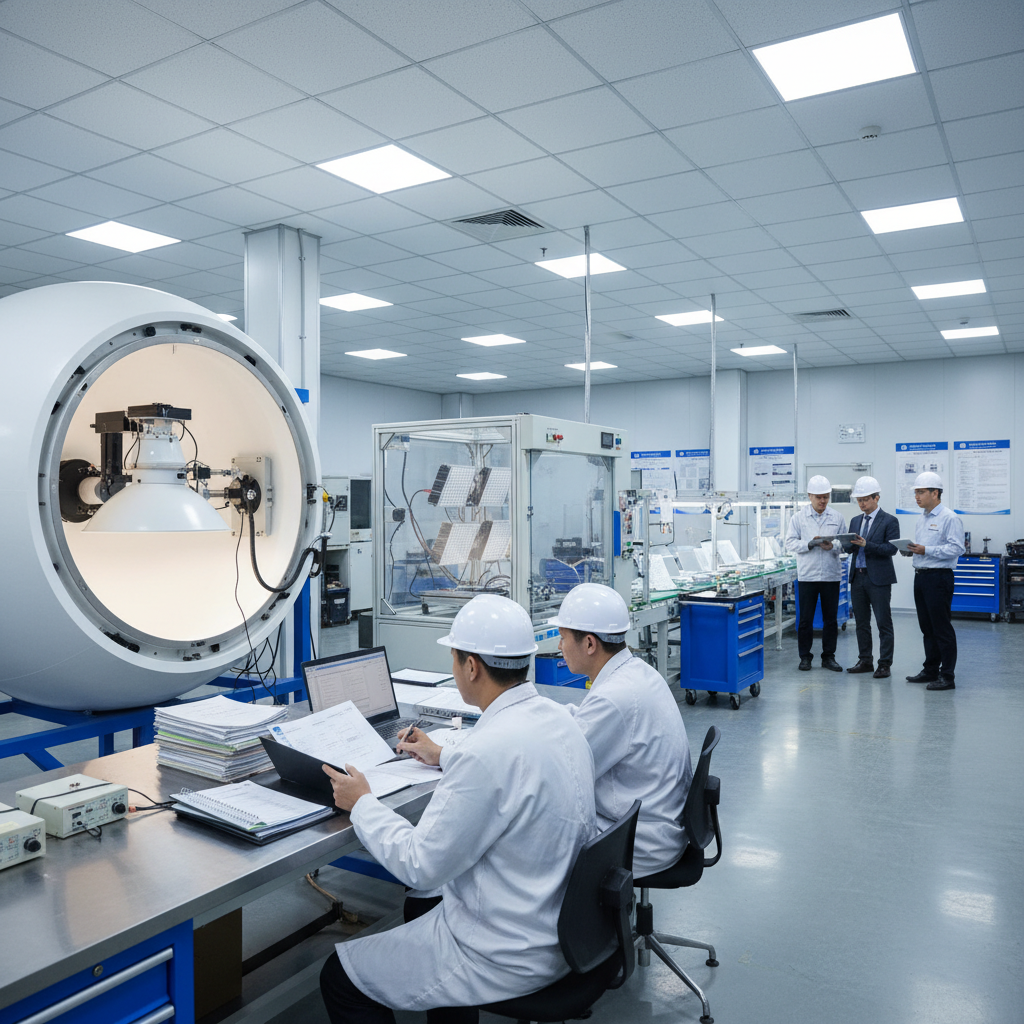

Have you ever walked into a room with bright, cold light and felt energy right away? Bright, cold lighting impresses me. This type of light is my favorite. Many places are using it now.
People often find cold light (4000K–6500K) more appealing because it mimics natural daylight, enhances alertness, and improves focus and productivity. Cold light is ideal for task-oriented environments like offices and study areas, as it reduces eye strain and increases cognitive performance. It’s linked to modern, efficient environments, and many individuals prefer it for activities requiring precision. Cold light promotes an energizing, high-contrast atmosphere, while warm light is typically more suitable for relaxation.
I remember my first time in an office with cold light. It felt like entering a new world. This bright light created clarity and focus. Mundane tasks became vibrant experiences. Cold light has a color temperature above 4000K. It closely resembles natural daylight. We are naturally drawn to it. Cold light increases our productivity. It keeps us alert, especially during long work hours. Different lights affect mood and performance. This knowledge really improves our spaces. Let's explore the use of cold light together!
Cold light enhances productivity more than warm light.True
Cold light mimics natural daylight, which studies show can improve focus and productivity in work environments.
Warm light is preferred for all types of environments.False
While warm light is soothing, it is not universally preferred; cold light is often favored for its energizing effects.
How Does Cold Light Affect Our Mood?
Different lighting often changes how people feel. Cold light probably affects our emotions and work performance. Let's explore this impact in daily life. Cold light can influence mood and productivity.
Cold light affects our mood by copying natural daylight. This type of light helps focus and productivity. It also helps improve our overall emotional health. Cold light regulates our sleep-wake cycles. It increases serotonin production. People really like it in places where tasks are important.

The Science Behind Cold Light and Mood
Cold light, typically defined as having a color temperature above 4000K, closely resembles daylight, which is crucial for regulating our circadian rhythms. This natural alignment can significantly enhance our mood and energy levels. Research has shown that exposure to cold light can boost serotonin production, a neurotransmitter associated with feelings of well-being and happiness.
Cold Light's Impact on Productivity
Studies indicate that working environments illuminated with cold light (4000K–6500K) can enhance focus and productivity. Such lighting reduces eye strain and fatigue, making it easier to concentrate on tasks. In fact, a well-lit environment is fundamental for tasks requiring high attention to detail, such as reading or data analysis.
| Light Type | Color Temperature | Effects on Mood |
|---|---|---|
| Warm Light | Below 3000K | Comfort and Relaxation |
| Neutral Light | 3000K–4000K | Balanced Atmosphere |
| Cold Light | Above 4000K | Energy and Clarity |
Cultural Perceptions of Light
Cultural contexts also shape how cold light is perceived. In many urban environments, bright, cold light is linked with modernity and efficiency. Conversely, warm light is often associated with relaxation and comfort, making it common in homes. This dichotomy can influence how individuals feel in different settings, where the choice of lighting can either energize or calm.
Psychological Associations
The brightness and crispness of cold light create a psychological perception of cleanliness and precision. People tend to associate bright environments with heightened activity levels. This association makes cold light particularly effective in commercial settings where focus and productivity are essential. Understanding these psychological effects can inform decisions about lighting in workplaces or home offices.
Task-Based Lighting Preferences
For specific tasks that require intense focus, such as writing or intricate crafts, cold light often prevails. This preference stems from its ability to enhance visibility and clarity, essential for activities demanding attention to detail. Choosing the right lighting can lead to better outcomes in various tasks, ultimately improving overall mood and satisfaction with the work being done.
If you're interested in exploring how to optimize your lighting for mental well-being, check out these insightful resources: lighting effects on mood1 or choosing the right light for productivity2.
Cold light boosts serotonin production in the brain.True
Research indicates that exposure to cold light increases serotonin levels, enhancing feelings of happiness and well-being.
Warm light is more effective for enhancing productivity than cold light.False
Studies show cold light improves focus and reduces fatigue, making it superior for productivity compared to warm light.
How Can Cold Light Boost Your Productivity?
A bright, crisp light often lifts mood and sharpens focus during work. Cold light offers interesting productivity advantages. It very likely improves work performance. But why is it so effective?
Cold light with a temperature of 4000K to 6500K increases productivity. This type of light imitates natural daylight. It clears the mind. Fatigue reduces under this light. Work environments need such light for better focus.

Enhancing Mental Clarity and Focus
Let me share a personal story. I remember the first time I changed my home office lighting to cold light, around 4000K to 6500K. It felt like my brain switched on! I suddenly felt more alert and aware. This lighting imitates natural daylight, matching our body clocks nicely. That link leads to better alertness and clearer thinking, especially for tough tasks needing focus.
Studies suggest that environments lit with cold light can reduce feelings of fatigue, making it easier for individuals to remain focused for extended periods. For example, workplaces that utilize bright, cold light often report higher employee productivity compared to those using warm lighting.
Psychological and Cultural Associations
Now, let’s discuss psychological aspects. Cold light often feels clean and efficient. In cities, it's seen as energizing. I naturally gravitate toward this light for a productivity boost, especially in lazy afternoons when energy is low.
Here’s a quick overview:
| Lighting Type | Psychological Impact | Common Associations |
|---|---|---|
| Cold Light (4000K-6500K) | Increased alertness and productivity | Modern, high-tech environments |
| Warm Light (below 3000K) | Comfort and relaxation | Cozy, home-like settings |
These meanings can really affect our lighting choices when planning focused work sessions.
Task-Based Lighting Preferences
Cold light works really well for precise tasks like reading or writing. Its clarity reduces eye strain, keeping productivity high during detailed work. Many people, like me, prefer this lighting for detailed tasks.
For example:
- Reading: Cold light helps me concentrate on the text without feeling sleepy.
- Detailed Work: When I’m sewing or doing intricate designs, the clarity of cooler lighting really matters.
Practical Applications in Workspaces
Adding cold light to your workspace truly changes your work experience. Here are a few tips:
- Office Spaces: Large offices with cold light often see higher productivity.
- Home Offices: Cold light helps me separate work from relaxation, sharpening my focus when needed.
To optimize your workspace further, consider utilizing smart lighting solutions that allow you to adjust color temperatures throughout the day. This flexibility can help maintain optimal productivity levels.
For more insights on implementing these strategies, check out this guide3.
Cold light enhances mental clarity in work environments.True
Cold light mimics natural daylight, improving alertness and focus, essential for productivity in workplaces.
Warm light is more effective than cold light for detailed tasks.False
Cold light reduces eye strain and improves visibility, making it better suited for precision tasks compared to warm light.
In Which Environments is Cold Light Most Effective?
Have you ever thought about how the right lighting changes a room? Let's discover the wonders of cold light together. Cold light has amazing effects on productivity and mood.
Cold light works best in offices, shops, hospitals, schools and photography studios. It helps people stay focused. This light improves visibility. It also lifts the general mood.

Cold light changes everything, especially when focus and clarity are really important. In my experience in different environments, the right lighting really energizes or sometimes drains you. Cold light, with its refreshing brightness, feels like a small piece of the sun indoors. Workspaces, retail spaces, healthcare facilities, schools and photography studios benefit greatly from it. Cold light increases focus, visibility and improves mood. Let's explore how cold light works wonders in these places.
1. Work Environments
I remember my first job in a busy design studio. Switching to cold light changed everything. The workspace glowed with vibrant energy that sparked creativity and focus. Cold light copies natural daylight. It reduces the tiredness we feel at the end of the day. My colleagues and I felt more alert and productive, especially during long brainstorming sessions.
Studies show that light between 4000K to 6500K really improves performance. Different light temperatures impact productivity:
| Table: Impact of Cold Light in Work Environments | Color Temperature | Impact on Productivity | Recommended Use |
|---|---|---|---|
| 4000K - 4500K | Moderate Boost | General Office Work | |
| 4500K - 5000K | High Boost | Creative Tasks | |
| 5000K - 6500K | Very High Boost | Technical Work |
2. Retail and Commercial Spaces
Walking into a brightly lit store feels inviting, doesn't it? Cold light beautifully highlights products. In clothing stores, bright white light really makes colors and textures stand out. It attracts customers to explore more.
I visited a supermarket using cold light to showcase produce. Green vegetables looked fresher and more appetizing. This effect creates a very clean and modern atmosphere attracting customers.
3. Healthcare Settings
Cold light is crucial in healthcare. I recall a clinic where the examination rooms were brightly lit with cooler tones. This clarity made it easier for doctors to assess patients and notice small changes in their conditions.
Cold light in healthcare has these applications:
| Table: Cold Light Applications in Healthcare | Area | Color Temperature | Benefits |
|---|---|---|---|
| Examination Rooms | 5000K - 6500K | Enhanced Visibility | |
| Surgical Theaters | 6000K - 6500K | Precision in Procedures | |
| Patient Rooms | 4000K - 5000K | Comfort with Focus |
4. Educational Institutions
I think back to school days - better lighting would have changed everything! Cold light helps students concentrate in classrooms and libraries. Studies show cooler lighting reduces eye strain during long reading sessions.
Art studios with cold light can replicate natural daylight. It's vital for artists to mix colors accurately without warm tones.
5. Photography and Visual Arts
In photography, I often choose cold light for stunning images. It shows colors vividly and accurately; that's important for conveying emotions through visuals! I learned improper lighting turns a masterpiece into a mess!
| Different lighting types in photography are used like this: Table: Cold Light Uses in Photography | Lighting Type | Color Temperature | Best For |
|---|---|---|---|
| Daylight Bulbs | 5000K - 6500K | Outdoor Portraits | |
| Studio Lights | 5500K | Product Photography | |
| LED Lights | 6000K | Fine Art Reproductions |
In conclusion, cold light significantly improves productivity, visibility and mood across various environments. It’s really surprising what the right light can do! For more information on optimizing your lighting setup, check out these tips4.
Cold light improves productivity in work environments.True
Research shows that cold light enhances focus and reduces fatigue, boosting productivity in workplaces like offices and studios.
Retail spaces benefit from warm light for better sales.False
Cold light enhances product visibility and creates an inviting atmosphere, making it more effective than warm light in retail settings.
How Can I Choose the Right Lighting for Different Spaces?
Selecting the best lighting for my home feels like an art. It transforms a plain room into a warm haven or a bright display. Follow my journey to light up every corner of my home well!
Selecting the right lighting for different spaces requires understanding three main types. Ambient lighting provides general illumination. Task lighting helps with specific activities. Accent lighting highlights features. Careful layering of these lighting types creates inviting and practical spaces. This is possible with thoughtful bulb choices tailored to each room’s purpose.

Understanding Different Types of Lighting
When choosing the right lighting, it's essential to understand the three main types:
- Ambient Lighting: This light is like a comforting embrace. It’s the basic light that makes a room feel inviting. Ceiling fixtures and floor lamps often provide this lighting and encourage relaxation.
- Task Lighting: This shines a light on what I love doing. Desk lamps brighten my late-night writing and under-cabinet lights in the kitchen help me cook. Task lighting is vital for concentration and function.
- Accent Lighting: This light brings out personal touches. I enjoy using spotlights or wall sconces to highlight artwork or features. This lighting makes a space feel uniquely mine.
Layering Lighting for Maximum Impact
Mixing all three lighting types adds depth and character to rooms. A well-lit space often combines all three lighting types, creating depth and functionality. Here’s a simple table to visualize this layering:
| Room Type | Ambient Lighting | Task Lighting | Accent Lighting |
|---|---|---|---|
| Living Room | Ceiling fixtures | Floor lamps, table lamps | Wall sconces, artwork lights |
| Kitchen | Overhead lights | Under-cabinet lighting | Spotlight on cabinets |
| Home Office | Overhead fixtures | Desk lamps | None |
| Bedroom | Ceiling lights | Reading lamps | Decorative wall lights |
Choosing Bulb Types
The bulbs I select dramatically affect my home's mood. Here’s what I know:
- Incandescent Bulbs: These shine with a warm light that feels cozy, yet they lack energy efficiency.
- LED Bulbs: My favorite! They offer many colors and save energy, letting me adjust from cozy to bright.
- CFL Bulbs: These save energy over time but need a moment to fully brighten.
For optimal results, consider combining different bulb types5 to achieve your desired ambiance.
The Role of Color Temperature
The effect of color temperature is very important when picking lighting:
- Warm Light (2700K-3000K): Ideal for living rooms and bedrooms, creating a very cozy and inviting atmosphere.
- Neutral Light (3500K-4100K): Suitable for kitchens and offices, providing a balanced feeling.
- Cool Light (5000K-6500K): Excellent for tasks needing focus; I use this in my office for energy and clarity.
To find out more about the effects of color temperature on mood, check out this informative guide6.
Considering Room Functionality
Each room has a different purpose, guiding my lighting selections:
- Living Rooms: I seek warmth with ambient and accent lighting to highlight personal items like family photos.
- Kitchens: Brightness is crucial for safety while cooking, with task lighting aiding clarity.
- Bathrooms: Bright lights are needed for getting ready, but I enjoy soft lights during relaxing baths.
By thinking about the function of each space, you can select lighting that enhances usability and comfort. For more tips on optimizing your kitchen lighting, explore this resource7.
Every light fixture and bulb choice shows me how lighting can change not just a room but also the mood within it. Every layer of light tells part of my journey at home. Let your spaces glow with your personal touch!
Ambient lighting is essential for overall room visibility.True
Ambient lighting provides the general illumination needed to fill a room, ensuring visibility and comfort in any space.
LED bulbs are less energy-efficient than incandescent bulbs.False
LED bulbs are known for their high energy efficiency compared to incandescent bulbs, making them a better choice for saving energy.
Conclusion
Cold light improves productivity and mood by mimicking natural daylight, making it ideal for workspaces, retail, healthcare, and educational settings.
- This link offers detailed insights into how different light types impact emotional well-being and productivity. ↩
- Explore this resource for practical tips on selecting lighting that enhances your workspace ambiance. ↩
- Explore this link for research studies and evidence on how cold light impacts productivity in various settings. ↩
- Explore how cold light can optimize your workspace for better productivity and visibility. ↩
- This link provides expert insights into the art of layering lights effectively for any room. ↩
- Discover practical tips on selecting the best light bulbs for different settings, enhancing both aesthetics and functionality. ↩
- Learn about the impact of color temperature on your mood and how to choose the right one for your spaces. ↩