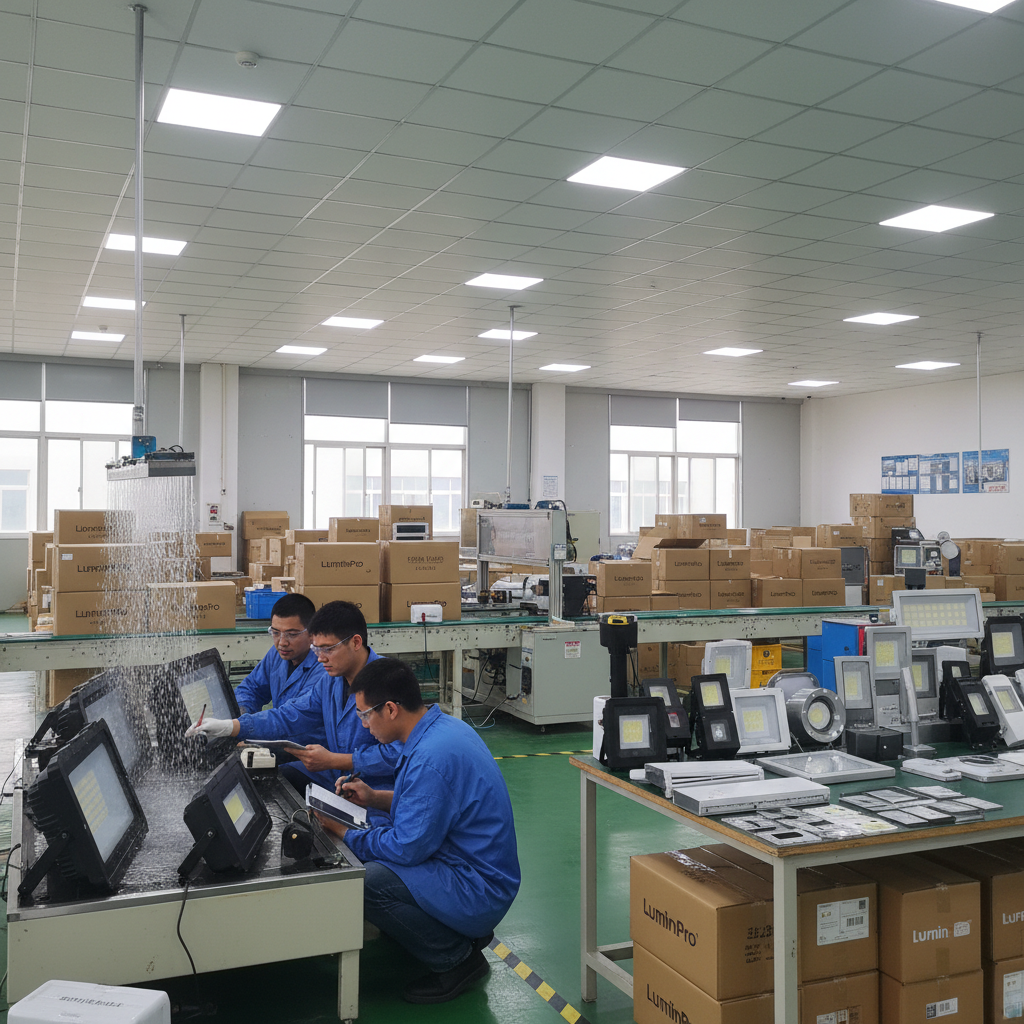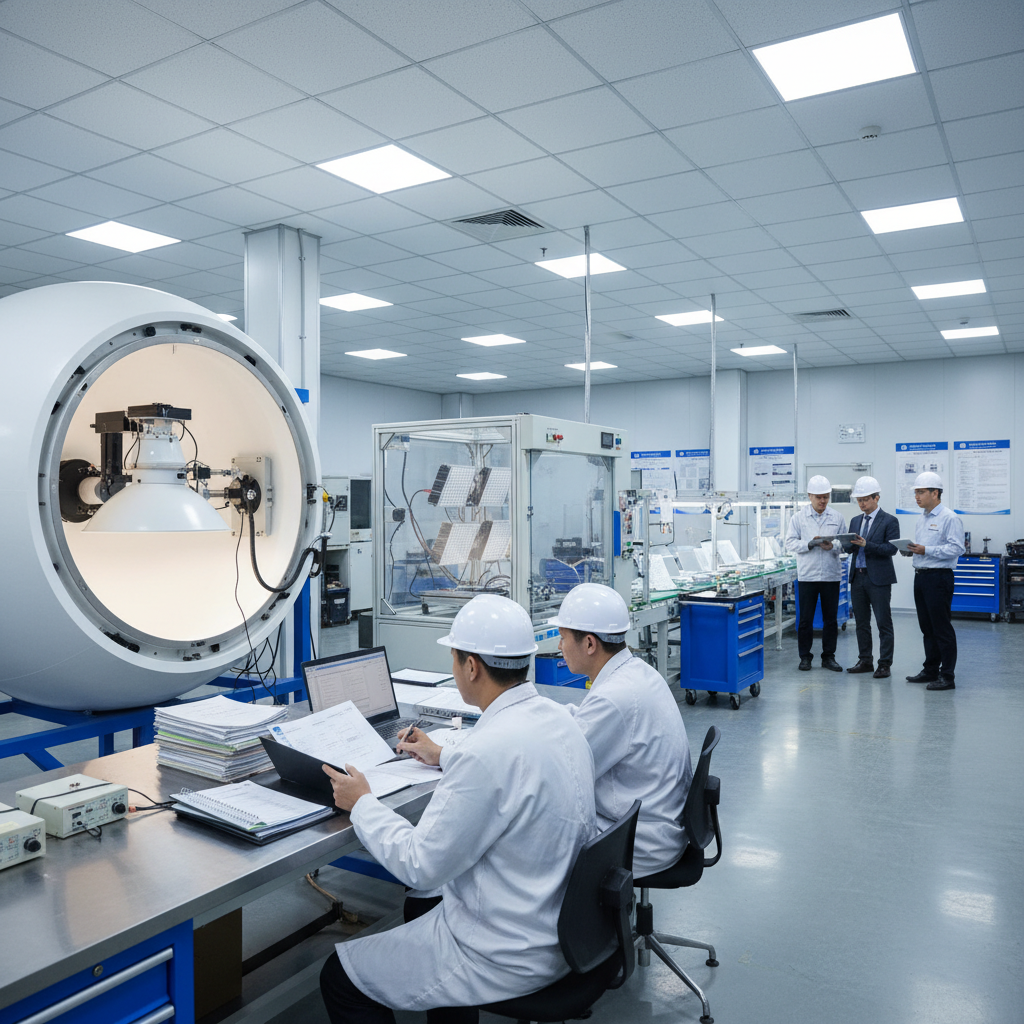

Choosing the right IP rating for your LED flood lights can save you from the headache of constant replacements and repairs.
Choosing the right IP rating for LED flood lights is crucial for ensuring durability and performance in outdoor and industrial environments. The IP rating indicates the level of protection against dust and water. For outdoor applications, an IP65 or higher rating is typically recommended, ensuring reliability in harsh weather conditions.
I remember the first time I had to pick an IP rating for a client's project. The confusion was real—so many numbers, so little clarity! But once I understood that these ratings reflect how well a light fixture can withstand dust and water, everything changed. Think of IP ratings as the ultimate superhero shield for your lights, with each number representing a different level of defense against the elements.
In this guide, I'll walk you through everything I've learned. Whether you're dealing with heavy rain in coastal areas or just trying to prevent dust buildup in a warehouse, choosing the right IP rating will help keep your LED flood lights shining bright and long-lasting.
IP65 rated lights are completely dust-tight.True
IP65 rating ensures complete protection against dust ingress.
Higher IP ratings mean less resistance to water.False
Higher IP ratings indicate greater resistance to water ingress.
What Do IP Ratings Mean for LED Flood Lights?
Ever found yourself puzzled over IP ratings while shopping for LED flood lights? Let me break it down for you!
IP ratings for LED flood lights tell you how well they can withstand dust and water. The first digit shows dust protection, and the second indicates water resistance—essential for ensuring your lights survive the elements.
%[A collection of LED flood lights outdoors with visible IP ratings]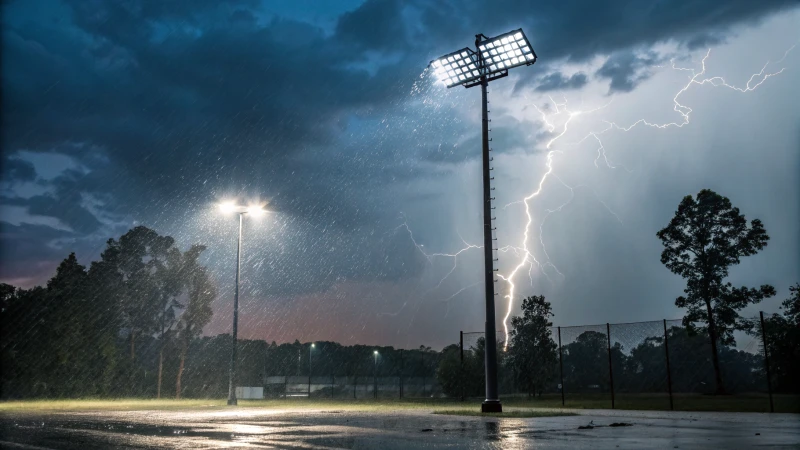
Understanding the Components of IP Ratings
I remember the first time I stumbled upon IP ratings—it felt like decoding a secret language! IP, or Ingress Protection, ratings are crucial in assessing how shielded an LED flood light is from the harshness of the environment. The initial digit tells us about its defense against solid intrusions, like dust, ranging from 0 (absolutely no protection) to 6 (completely sealed off). Meanwhile, the second digit ranges from 0 to 8, revealing how waterproof it is, from zero protection to withstanding deep dives beyond one meter.
Outdoor Use and Weather Resistance
When setting up LED flood lights1 outside, aim for IP65 to IP68 ratings for the best protection. I’ve learned through trial and error that an IP65 rating is fantastic for handling dust and water sprays—perfect for garden parties or keeping parking lots well-lit. But if you're in a heavy rain zone or need to pressure-wash frequently, you'll want at least an IP66. And if your lights might end up underwater, say at docks or areas that flood often, go for IP67 or IP68.
| IP Rating | Dust Protection | Water Protection | Suitable Applications |
|---|---|---|---|
| IP65 | Dust tight | Water jets | Gardens, parking lots |
| IP66 | Dust tight | Powerful water jets | Industrial sites, heavy rain areas |
| IP67 | Dust tight | Temporary immersion (1m) | Coastal areas, flood-prone locations |
| IP68 | Dust tight | Submersion beyond 1 meter | Docks, marinas |
Industrial and Harsh Environments
In industrial settings where durability is a must, opting for higher IP-rated flood lights can save a lot of headaches. At construction sites or factories, I always recommend using at least an IP66 rating to keep lights safe from dust and water exposure. For places like oil rigs where conditions can be particularly harsh, consider corrosion-resistant lights2 to shield against chemical damage.
Indoor Applications and Lower IP Ratings
Not all situations call for high-grade weatherproofing. Indoors you can typically get away with a lower rating. An IP44 rating works well in spaces like warehouses where moisture isn’t a constant threat. And if there’s occasional splashing—think about those garage mishaps—an IP54 rating3 might just be what you need.
Choosing Based on Environmental Needs
It's essential to match the IP rating with your specific environmental challenges. Coastal areas demand higher ratings due to the corrosive nature of saltwater; stick with IP67 or IP68. For areas subject to high-pressure cleaning ensure your lights have at least an IP66 rating. Finding that sweet spot between adequate protection and cost efficiency can be tricky but it’s crucial for ensuring your lighting setup is both durable and energy-efficient.
IP65 lights are dust-tight and water jet resistant.True
IP65 ensures protection against dust and water jets, suitable for outdoor use.
IP44 is suitable for outdoor flood lights in heavy rain areas.False
IP44 is not ideal for heavy rain; IP66 or higher is recommended for such conditions.
How does the environment influence your IP rating choice?
When it comes to choosing the right IP rating for your equipment, the environment plays a pivotal role, determining how well your devices can fend off dust, water, and other elements. Let's dive into why this choice is crucial for durability and reliability.
The environment affects your IP rating choice by defining the level of exposure to elements like dust and water. Higher IP ratings are needed for outdoor areas to withstand harsh conditions, while indoor spaces can opt for lower ratings.
%[Infographic displaying IP ratings and their environmental implications]
Understanding Ingress Protection (IP) Ratings
You know those days when you're caught in a sudden downpour without an umbrella? It's kind of like what your devices go through without the right IP rating. The first digit in an IP rating protects against solid particles like dust, while the second shields against liquids. For example, IP68-rated devices4 can tackle both dust and water immersion like champs.
| Rating | Dust Protection | Water Protection |
|---|---|---|
| IP65 | Dust-tight | Water jets |
| IP67 | Dust-tight | Up to 1m immersion |
| IP68 | Dust-tight | Beyond 1m immersion |
Outdoor Considerations
Think about that time you decided to spruce up your garden and realized just how unpredictable weather can be. Gardens or docks demand equipment that can handle a surprise shower or two. An IP65 rating5 might do the trick against dust and rain, but if you're near the coast, where saltwater likes to play havoc, an IP67 or higher is your best bet.
Industrial Environments
In industrial settings, like those sprawling construction sites where dust and water seem to be in abundance, equipment needs to be tougher. I've seen how IP66-rated devices6 hold up against high-pressure cleaning and dust—it's impressive and crucial for keeping things running smoothly.
Indoor Applications
For indoor spaces, maybe like that warehouse you once visited, conditions are usually milder. Here, an IP44 or IP54 rating generally provides enough protection from minor splashes and the occasional dust storm. It's perfect for places not prone to direct water contact.
Special Conditions
But let's not forget those extreme environments, where temperatures soar or humidity hovers. These conditions call for more than just standard IP ratings. Ensuring devices can withstand such stressors is essential for their longevity and performance in harsh weather conditions7. I've learned that taking these extra precautions can save a lot of headaches down the road.
IP68-rated devices are dust-tight and waterproof.True
IP68 ensures complete protection against dust and continuous water immersion.
Indoor environments require IP68 ratings for safety.False
Indoor environments typically need lower IP ratings like IP44 or IP54.
When Should You Consider Higher IP Ratings?
Ever wondered if your gadgets can survive a dust storm or a downpour? IP ratings are here to help!
You should consider higher IP ratings when your devices or equipment are exposed to challenging environments such as dust, water, or extreme weather. Opting for a higher rating ensures better protection, prolonging the lifespan and functionality of your valuable tech.
%[Smartphones, cameras, and speakers in harsh weather conditions]
Understanding IP Ratings: The Basics
Navigating the technical world of IP ratings8 might seem daunting at first, but trust me, it's simpler than it appears. Think of it as a protective shield for your devices. Each rating consists of two numbers: the first guards against solid objects like dust, and the second defends against liquids. Imagine walking into a store and choosing between something completely unprotected (00) and something that could survive a monsoon (68). That's essentially what you're doing with IP ratings.
Outdoor Applications
I remember when I first installed LED lights in my backyard. After a season of unpredictable weather, I realized the importance of a good IP rating. For outdoor gadgets like security cameras or garden lights, you want something robust, like IP65 or higher, to brave dust and water. If you've ever had to clean mud off your driveway with a hose, you'll appreciate why an IP66 rating9 is vital—it can handle high-pressure water.
| Environment | Recommended IP Rating |
|---|---|
| General outdoor use | IP65 |
| Heavy rain/high-pressure | IP66 |
| Submersion in water | IP67/68 |
Industrial Environments
In industrial settings, where dust and dirt are as common as coffee breaks, choosing an IP65 or above is a no-brainer. I recall visiting a factory where equipment breakdowns were frequent due to insufficient protection. An IP68-rated10 device is your best bet in places like oil rigs, where safety can't be compromised.
Indoor Damp Areas
You might not think of your garage as a moisture haven, but trust me, it can be. That's why even indoors, an IP44 or IP54 rating might be just what you need. If your space tends to gather dust or has more exposure to water than usual, consider stepping up the protection.
Special Considerations
- Coastal Areas: If you've ever spent time by the sea, you know how quickly saltwater can wreak havoc on gadgets. Here, IP67 or IP6811 is your safeguard against corrosion.
- Temperature Extremes: Although temperature isn't covered by IP ratings, it's wise to look for devices that can handle extreme conditions.
Selecting the right IP rating12 isn't just about ticking a box; it's about ensuring your devices can weather the storm—literally. Always consider the specific environment and challenges to make the best choice for your tech investments.
IP68 rating means a device is waterproof.True
IP68 rating ensures complete protection against dust and water submersion.
IP44 is suitable for submersion in water.False
IP44 offers protection against splashing water, not submersion.
What Are the Common Mistakes in Selecting IP Ratings?
Ever wondered why your equipment doesn't last as long as it should?
Choosing the wrong IP rating can lead to equipment failures, costly repairs, and safety issues. Common mistakes include misinterpreting the IP code, neglecting environmental conditions, and choosing unnecessarily high protection levels. Understanding these factors is essential for ensuring your equipment's durability and efficiency.

Misunderstanding the IP Code Structure
I remember the first time I had to choose an IP rating for a project. I was overwhelmed by the numbers and assumed higher meant better. But that's not always the case. The IP (Ingress Protection) rating is a combination of two numbers: one for solid particle protection and another for liquid ingress protection. For example, IP65 isn't necessarily superior to IP44 for every application; it's all about context.
| IP Code | Solid Protection | Liquid Protection |
|---|---|---|
| IP44 | Limited | Splashing Water |
| IP65 | Dust Tight | Water Jets |
Ignoring Environmental Factors
Once, I installed lights in a coastal area without considering the harsh environment. Saltwater corrosion ruined the equipment faster than you could say "wrong choice." Outdoor setups near the coast need higher protection, like IP67 or IP6813, to withstand such conditions.
Overestimating Protection Needs
I learned the hard way that more isn't always better when it comes to IP ratings. During a warehouse project, I opted for an IP68 when an IP44 would have sufficed, unnecessarily inflating costs. It's important to match the rating to the actual requirements.
Neglecting Temperature Extremes
A colleague once faced a fiasco because they overlooked temperature extremes. While focusing on dust and water resistance, they ignored how high temperatures impacted the lighting systems' longevity. It's crucial to consider environments with extreme weather conditions14.
Failing to Consider Maintenance Requirements
I recall struggling with maintenance on a high-rated setup; the robust seals made routine checks a hassle. Higher IP ratings often mean tougher seals, which can complicate maintenance.
In summary, getting the right IP rating isn't just about picking a number. It's about balancing protection with cost, considering environmental factors, and planning for maintenance needs. Trust me, understanding these nuances can save you from many headaches and ensure your equipment performs reliably.
IP65 is always better than IP44.False
IP65 offers better dust and water jet protection, but not always needed.
Higher IP ratings can increase maintenance complexity.True
Higher IP ratings often require more robust seals, complicating maintenance.
Conclusion
Selecting the right IP rating for LED flood lights ensures optimal performance and durability against dust and water, crucial for various environments from industrial to outdoor settings.
Discover how LED flood lights enhance outdoor spaces with their durability and efficient lighting solutions. ↩
Explore how corrosion-resistant features enhance LED light longevity in harsh environments. ↩
Learn about the IP54 rating's suitability for indoor lighting in damp areas. ↩
Understanding IP68 helps you choose devices that endure extreme conditions, ensuring longevity and reliability. ↩
IP67 protects against saltwater corrosion, crucial for devices exposed to marine environments. ↩
IP66-rated devices withstand high-pressure cleaning, ideal for industrial sites with rigorous maintenance needs. ↩
Exploring this reveals how additional factors like temperature impact device durability, essential for informed purchasing. ↩
Understanding IP ratings helps you assess device protection levels against dust and water, crucial for informed purchasing decisions. ↩
Discover why IP66 is suitable for areas with heavy rain or high-pressure cleaning, ensuring robust device protection. ↩
Learn about IP68-rated devices designed for safety in hazardous environments like oil rigs. ↩
Gain insights on selecting suitable IP ratings to ensure device durability across different environments. ↩
Gain insights on selecting suitable IP ratings to ensure device durability across different environments. ↩
Explore why IP68 is recommended for coastal areas due to its superior protection against water ingress. ↩
Understand how temperature variations can impact lighting system performance and why it's crucial to consider them. ↩
Topic cluster context
How Do You Choose the Right IP Rating for LED Flood Lights?
This guide supports the Sustainable Architectural Outdoor hub. Product, protocol, certification, ranking and performance claims remain subject to the evidence and compatibility checks stated in the article governance record.