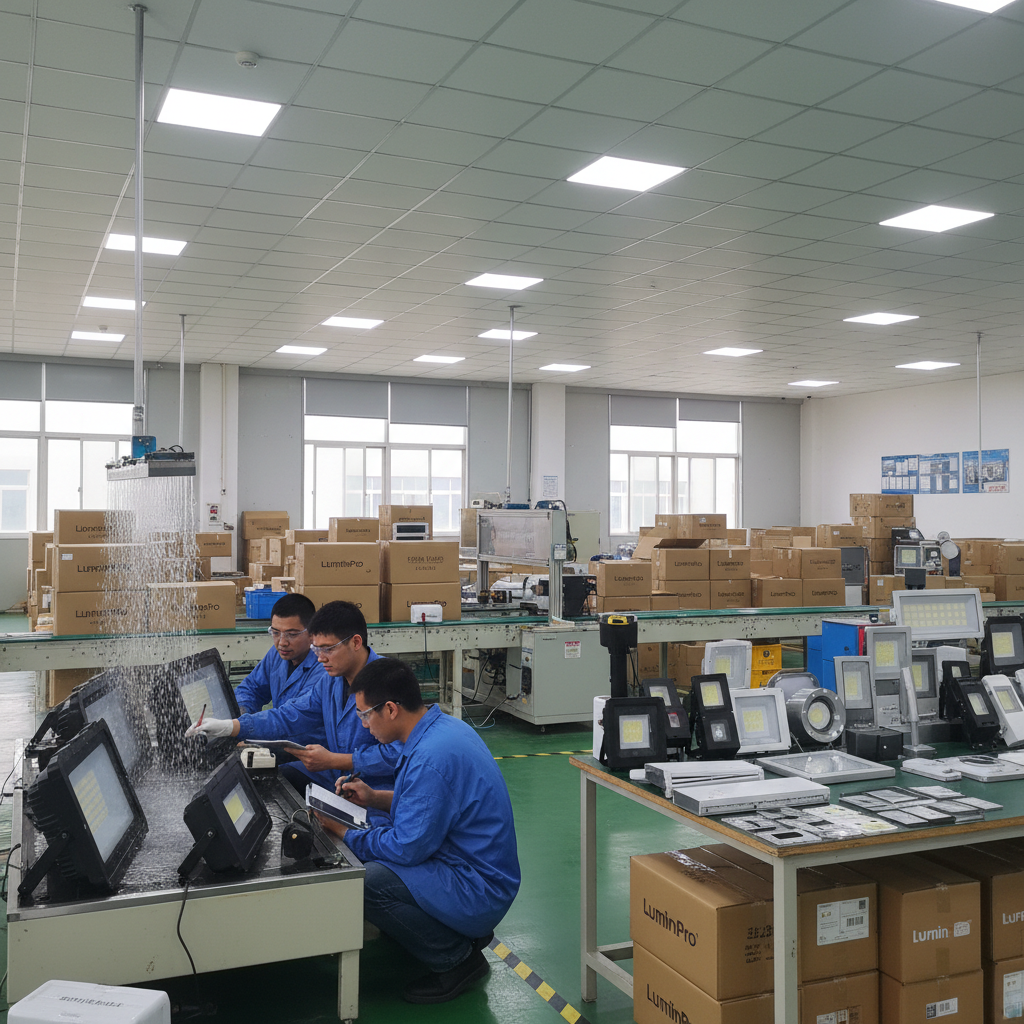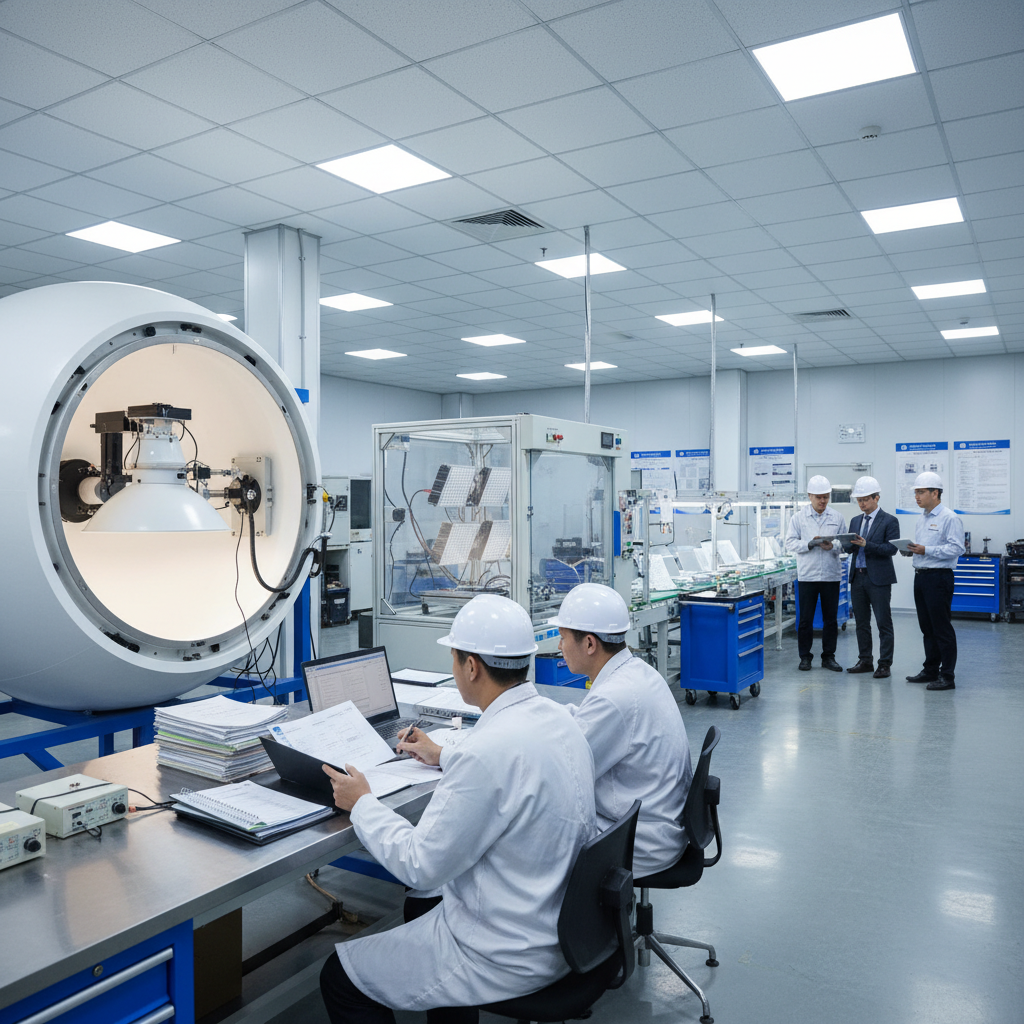

When I first heard about LED flood lights, I was amazed at how they could transform energy use in lighting.
LED flood lights are energy-efficient due to their low power consumption, long lifespan, and efficient heat management. Unlike traditional lighting, LEDs convert more energy into light and less into heat, significantly reducing energy costs over time. Their directional light focus and instant-on capabilities also contribute to efficiency.
I remember the first time I switched my warehouse lighting to LEDs. It was like a revelation! Suddenly, my electricity bills dropped, and I wasn't constantly changing bulbs anymore. But beyond just savings and convenience, there's a whole world of tech wizardry behind these lights. From managing heat efficiently to offering smart dimmable features, LEDs have so much going on under the hood. Let's dive into these features and explore why making the switch is not just smart for our pockets, but also for the planet.
LED flood lights use 80% less energy than traditional lights.True
LEDs convert more electricity into light, reducing energy waste.
LED flood lights have a shorter lifespan than traditional lights.False
LEDs last longer, reducing the need for frequent replacements.
Why Are LED Flood Lights More Energy Efficient Than Halogen Bulbs?
I've often wondered why LED flood lights are hailed as the energy-saving heroes of the lighting world, leaving halogen bulbs in the dust. Let's uncover what truly makes LEDs the go-to choice for efficiency and sustainability.
LED flood lights outshine halogen bulbs in energy efficiency due to their superior lumens per watt, minimal heat production, and impressive longevity. These features not only slash energy bills but also cut down on maintenance expenses.
Higher Lumens Per Watt
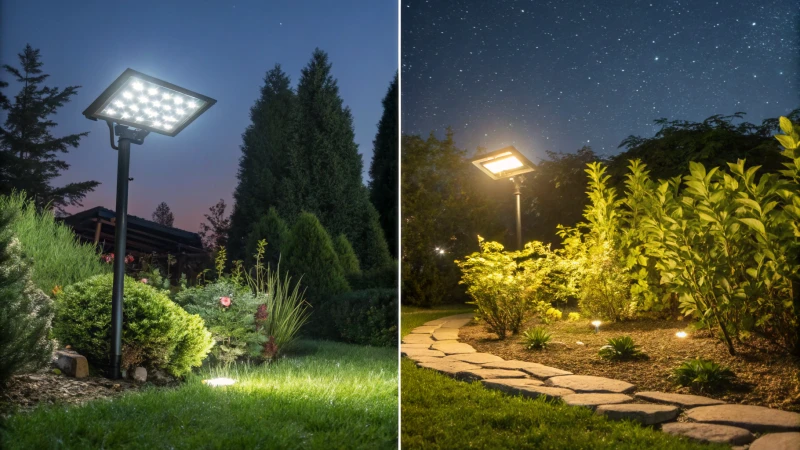
I remember the first time I swapped out my old halogen bulbs for LED flood lights. It was like night and day—literally! LED flood lights deliver a remarkable lumens-per-watt ratio, dwarfing the 15 lumens per watt of halogens with an astounding 150 lumens per watt. This means that LED technology1 provides more light output while consuming significantly less power, helping me see a noticeable drop in my electricity bills and a shrink in my carbon footprint.
Extended Lifespan
One of my favorite things about LEDs is how long they last. Unlike halogen bulbs that need frequent replacements every 1,000 to 2,000 hours, LEDs keep going for up to 50,000 hours. That's like having a trusty friend who sticks around much longer, saving me time, money, and reducing waste.
| Type | Lifespan (hours) |
|---|---|
| LED Flood Light | 50,000 |
| Halogen Bulb | 1,000 - 2,000 |
Efficient Heat Management
I used to worry about the heat from halogen bulbs potentially damaging fixtures or increasing cooling costs. But with LEDs, those worries vanished. They convert most of their energy into light rather than heat, which not only makes them more energy-efficient but also safer to use. Plus, modern LEDs feature advanced heat sinks2 that further improve performance by efficiently dissipating heat.
Instant Light & Dimmability
There's nothing quite like flipping the switch and getting instant full brightness without the warm-up delay I experienced with halogens. Many LEDs are also dimmable and compatible with dimming systems, allowing me to adjust lighting levels as needed, which adds another layer of energy savings.
Directional Lighting
One thing I've come to appreciate is how LEDs provide focused, directional lighting. Unlike halogens that spread light everywhere, LEDs illuminate precisely where I need it, minimizing wastage and making them perfect for outdoor spaces like parking lots and sports fields.
Learn more about focused lighting solutions3. By understanding these aspects of LED technology, you can confidently choose to upgrade your lighting systems and enjoy optimal efficiency and sustainability.
LEDs produce up to 150 lumens per watt.True
LEDs are highly efficient, producing more lumens per watt than halogens.
Halogen bulbs last longer than LEDs.False
LEDs have a lifespan of 50,000 hours, far exceeding halogen bulbs.
How does the long lifespan of LEDs contribute to energy savings?
Picture this: a light bulb that not only brightens your space but also your wallet. How do LEDs manage to do that?
LEDs save energy thanks to their long lifespan, which means fewer replacements, lower maintenance costs, and less waste. This longevity directly contributes to energy efficiency, making LEDs a smart choice for eco-conscious households and businesses.
%[Close-up of various LED light bulbs on a rustic wooden table]
The Economics of Longevity
Imagine if you only had to replace your light bulbs once every few decades. Sounds like a dream, right? Well, that's the reality with LEDs. I remember the time when I swapped out all the traditional bulbs in my home for LEDs. Sure, the initial cost made me hesitate, but the payoff has been immense. Traditional bulbs last about 1,000-2,000 hours, while LEDs can last4 50,000 hours or more. That’s fewer trips to the store and less money spent over time.
| Lighting Type | Average Lifespan (hours) | Replacement Frequency |
|---|---|---|
| Incandescent | 1,000 | High |
| Halogen | 2,000 | Moderate |
| LED | 50,000 | Low |
Impact on Maintenance Costs
I used to dread those precarious moments balancing on a ladder to change a ceiling bulb in our office. But since switching to LEDs, that task has become almost non-existent. In commercial spaces where lighting often requires professional help due to tricky placements, this translates into significant labor cost savings. Plus, the reduced heat emission from LEDs cuts down on cooling expenses—a blessing in our warehouse where the AC used to work overtime.
Environmental Benefits and Waste Reduction
Switching to LEDs isn't just about saving money; it's about contributing to a healthier planet. Each LED bulb that lasts longer means fewer end up in landfills. By using LEDs, I’ve reduced waste and cut down on energy consumption by up to 80% compared to traditional bulbs. That's a win-win for my wallet and Mother Earth.
Energy Use Comparison Table
| Lighting Type | Energy Consumption | Efficiency (Lumens/Watt) |
|---|---|---|
| Incandescent | High | Low |
| Fluorescent | Moderate | Moderate |
| LED | Low | High |
Enhanced Efficiency through Technology
LEDs have this amazing knack for heat management thanks to advanced heat management5 systems that keep them running efficiently for years. It's like having a car that never needs an oil change! Plus, with dimmable options and smart controls, I can tailor the lighting to our needs—whether it’s a cozy ambiance at home or spotlighting projects at work. This adaptive lighting6 saves energy and enhances every space I light up.
By embracing LED technology, I've not only saved energy and money but also added a touch of sustainability to my life and business. It's a bright step forward for anyone looking to make smarter lighting choices.
LEDs last 50,000 hours or more.True
LEDs have a significantly longer lifespan compared to traditional bulbs.
Incandescent bulbs consume less energy than LEDs.False
Incandescent bulbs are less efficient and consume more energy than LEDs.
How Does Heat Management Impact LED Efficiency?
Imagine your LED lights dimming before their time, just because of poor heat management. That's something we all want to avoid, right?
Heat management in LEDs is crucial for high efficiency and longevity. By preventing overheating, it maintains LED performance and extends lifespan. Effective systems like heat sinks are essential for optimizing functionality.

Understanding Heat Management
So, let's dive into the world of heat management in LEDs. Think of it like this: LEDs are like those friends who are great at multitasking but still get a little flustered if they're juggling too much at once. They transform electrical energy into light quite efficiently but inevitably generate some heat7 in the process. That heat, if not managed properly, can be like an unexpected hot flash, causing them to lose their cool and underperform.
The Impact on Performance
I remember once installing some LEDs in my office. Everything seemed perfect until I noticed the lights were getting dimmer over time, and the color wasn't as vibrant. It turned out they were getting too hot! Unmanaged heat can lead to a drop in light output and even shift the color slightly—a bit like how a favorite photo fades over time. Thankfully, with efficient heat sinks8, we can help maintain their optimal light output.
Enhancing Lifespan Through Thermal Management
Think about it this way: just like we need to take breaks to avoid burnout, LEDs need proper heat management to ensure they last longer. This becomes crucial in places where reliability is key, like in commercial or industrial settings. By incorporating advanced thermal solutions9, we can significantly extend the lifespan of LEDs, cutting down on maintenance costs and keeping things running smoothly.
Comparing Heat Management Techniques
| Technique | Description |
|---|---|
| Heat Sinks | Metal components that dissipate heat away from the LED chip. |
| Thermal Interface Materials | Enhance heat transfer between the LED and heat sink. |
| Active Cooling Systems | Utilize fans or liquid cooling to actively reduce temperature. |
Importance in Various Applications
In environments like warehouses or stadiums where lighting is crucial, efficient heat management reduces the need for additional cooling systems, leading to energy savings10. This is particularly beneficial when considering large-scale installations.
For more insights into improving LED systems, consider exploring how advancements in smart controls11 contribute to energy efficiency.
LEDs produce minimal heat during operation.False
LEDs convert electrical energy to light efficiently but still generate heat.
Heat sinks are essential for LED longevity.True
Heat sinks dissipate heat, preventing damage and extending LED lifespan.
How Do Dimmability and Instant-On Features Impact Energy Usage?
Ever wondered how adjusting your lights could save energy? Let's explore the magic of dimmable and instant-on lighting!
Dimmability lets you tweak light levels, saving energy by using only what's needed. Instant-on lights skip warm-up phases, giving full brightness instantly and reducing waste. Together, they boost overall energy efficiency.
The Role of Dimmability in Energy Efficiency
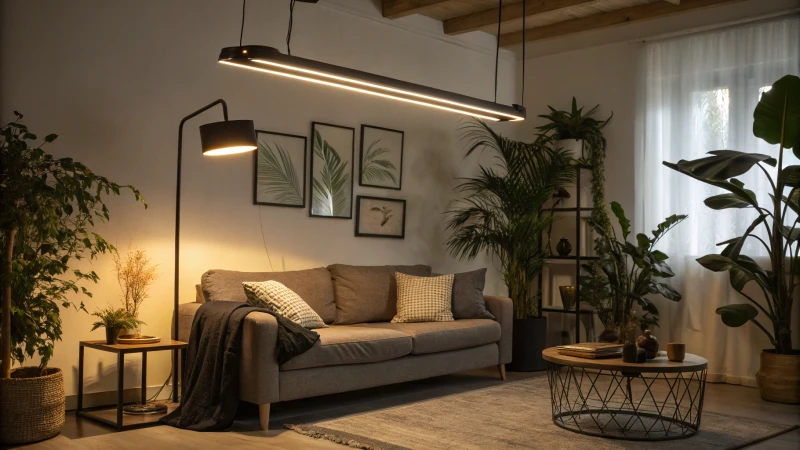
I remember the first time I installed dimmable lights in my living room. It was a game-changer, not just for setting the perfect mood but also for my energy bill. Imagine coming home after a long day, and instead of blasting full brightness, you adjust the lights to a cozy glow. It’s more than ambiance—it's practical. Dimming your lights to 50% can halve your energy use. When I applied this across larger spaces, like our office, the savings were noticeable.
Consider this simple table illustrating potential savings:
| Brightness Level | Energy Savings |
|---|---|
| 100% | 0% |
| 75% | 25% |
| 50% | 50% |
| 25% | 75% |
This table helped me visualize the benefits of dimmable lighting12 and made me a fan of dimmable lighting for both personal and business use.
Instant-On: Efficiency from the First Second
I can’t count how many times I've walked into a dark garage, expecting to wait for the lights to warm up. With instant-on lighting, those days are over. It’s like flipping a switch to full brightness without any delay. This feature is essential in places like warehouses or parking lots where safety is paramount and efficiency can’t be compromised. For businesses like mine that rely on high-frequency light usage, instant-on LED systems13 translate directly into energy savings.
Integrating Smart Systems for Maximum Impact
Combining dimmability and instant-on features with smart controls has been a revelation for me. Imagine a system that dims or turns off lights when no one is around or based on the time of day. This isn't just about saving energy—it's about smart living and working. In our projects, integrating these systems has optimized our lighting and slashed costs significantly.
Using these features together with smart technology14 unlocks new levels of energy efficiency and contributes to our sustainability goals. It's not just about cutting costs—it's about creating smarter, greener environments.
Dimmable lights reduce energy use by 50% at half brightness.True
Dimming lights to 50% brightness can cut energy consumption by approximately 50%.
Instant-on lighting wastes energy during warm-up phases.False
Instant-on lighting eliminates the warm-up phase, saving energy from the start.
Conclusion
LED flood lights are energy efficient due to their high lumens per watt, long lifespan, low heat emission, and instant-on capabilities, significantly reducing energy costs and environmental impact.
- Explore how LED technology surpasses halogen in delivering high lumens per watt, crucial for energy savings. ↩
- Discover how advanced heat sinks in LEDs enhance performance by managing heat effectively. ↩
- Understand the advantages of directional lighting in LEDs for targeted illumination and reduced energy wastage. ↩
- Explore detailed comparisons between LED lifespans and other lighting types to understand the true longevity benefits. ↩
- Discover how advanced heat management in LEDs extends their lifespan and enhances efficiency. ↩
- Understand how adaptive lighting systems contribute to energy savings and improved space usability. ↩
- Understanding how heat impacts LED performance helps in designing better thermal management solutions. ↩
- Exploring the benefits of heat sinks reveals how they enhance LED performance by managing thermal output. ↩
- Advanced thermal solutions offer insights into cutting-edge technologies improving LED lifespan. ↩
- Energy savings from effective heat management reduce operational costs in large installations. ↩
- Smart controls optimize LED energy use, enhancing efficiency through intelligent systems. ↩
- Explore how dimmable lighting systems contribute to energy savings and enhance user comfort. ↩
- Discover how instant-on features improve energy efficiency and safety in various settings. ↩
- Learn about smart lighting systems that optimize energy use and reduce operational costs. ↩