Who Is The Top LED Aluminum Track Manufacturer In The World?
Finding a trustworthy LED aluminum track manufacturer feels like searching for a needle in a haystack. With the market flooded with suppliers making grandiose claims, how can you distinguish genuine quality from clever marketing? Your project success, client satisfaction, and professional reputation hang in the balance.
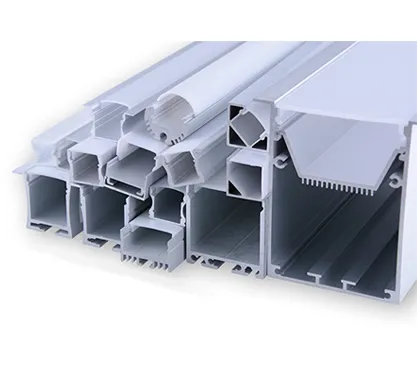
The global LED aluminum track manufacturing landscape is dominated by several key players, including Philips Signify, Acuity Brands, and Zumtobel Group for premium segments, while companies like Besenled have emerged as specialists offering exceptional customization and value. The "best" manufacturer ultimately depends on your specific project requirements, regional needs, and particular quality-to-price expectations.

During my 13+ years in the LED lighting industry, I've witnessed the evolution of aluminum track systems1 from basic functional components to sophisticated architectural elements. I've seen million-dollar projects succeed brilliantly and fail catastrophically based largely on manufacturer selection. Let me share the insider knowledge that can help you navigate this complex landscape and transform your approach to lighting project sourcing.
What Makes A Manufacturer Stand Out In The LED Aluminum Track Market?
Project managers frequently encounter nightmare scenarios: tracks that warp under heat, connectors that fail after minimal use, and finishes that deteriorate prematurely. When these issues emerge during a high-profile retail launch or hotel opening, the consequences extend far beyond mere inconvenience.
Elite aluminum track manufacturers distinguish themselves through metallurgical expertise2, precision manufacturing tolerances of ±0.05mm or better, comprehensive material traceability systems, advanced surface treatment processes, integrated thermal management design, and rigorous quality assurance protocols including 100% electrical testing before shipping.
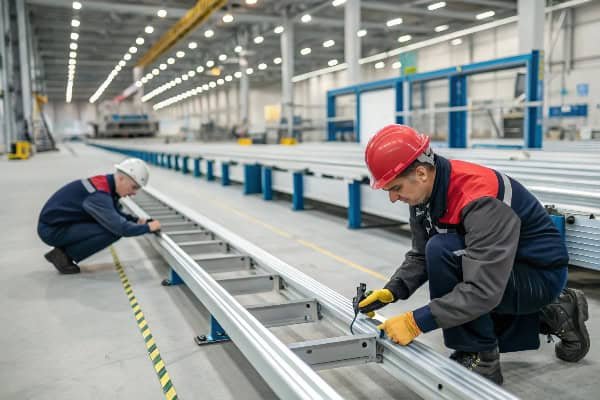
When I evaluate manufacturing capabilities, I look far deeper than most buyers. True manufacturing excellence begins with raw material selection and handling. Top-tier manufacturers maintain strict material specifications that often exceed industry standards, typically utilizing aircraft-grade aluminum alloys (6063-T5 or 6063-T6)3 with precisely controlled silicon and magnesium content for optimal extrusion characteristics and post-installation performance.
The manufacturing process itself reveals volumes about a supplier's commitment to quality. During my factory assessments across three continents, I've developed a systematic approach to identifying superior manufacturers:
Materials and Processing Quality Analysis
| Factor | Industry Standard | Good Manufacturer | Elite Manufacturer |
|---|---|---|---|
| Aluminum Grade | Basic 6063 | 6063-T5 | 6063-T6 with controlled impurities |
| Extrusion Precision | ±0.2mm | ±0.15mm | ±0.05mm or better |
| Surface Treatment | Basic anodization (5-10μ) | Medium anodization (10-15μ) | Deep anodization (15-25μ) with sealed finish |
| Heat Dissipation | Basic fins | Enhanced surface area | Computational fluid dynamics-optimized designs |
| Electrical Insulation | Basic PVC insulators | Flame-retardant polymers | Self-extinguishing compounds with UL94V-0 rating |
| Connector Design | Basic mechanical fit | Precision machined | Zero-insertion force with redundant contact points |
What many buyers overlook is the critical importance of production consistency. A manufacturer might produce excellent samples but struggle with batch-to-batch variation that creates nightmares during large installations. The most reliable manufacturers implement statistical process control (SPC)4 throughout production, continuously monitoring critical parameters rather than relying solely on final inspection.
The anodization process—often treated as an afterthought—actually determines much of the track system's longevity and appearance retention. Elite manufacturers maintain precise control over electrolytic bath chemistry, current density, and immersion time, often exceeding industry standards by 30-50% in coating thickness. They perform regular salt spray testing beyond the minimum ASTM B117 requirements, ensuring corrosion resistance that translates to years of additional service life in challenging environments.
How Do Global Leaders Compare In Track Lighting Innovation?
Design teams frequently discover too late that their selected track system can't adapt to evolving project requirements or integrate with building management systems. This inflexibility forces compromises in lighting design and functionality that undermine the project's original vision.
Innovation leadership in track lighting manifests differently across global regions: European manufacturers like Zumtobel pioneer architectural integration and miniaturization; North American companies like Acuity excel in building systems integration; while Asian manufacturers like Besenled5 lead in manufacturing agility and customization capabilities, often delivering bespoke solutions in timeframes that would be impossible for larger corporations.
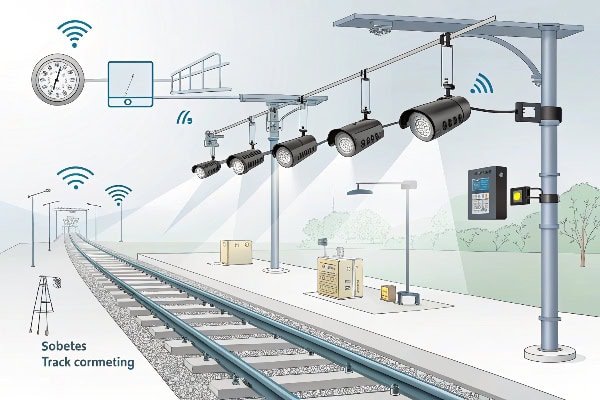
The innovation landscape in track lighting has undergone a profound transformation in recent years. Traditional track systems—essentially glorified power rails—have evolved into sophisticated infrastructure supporting not just lighting but data, sensors, and IoT capabilities. This evolution has created clear differentiation among manufacturers based on their innovation focus and capabilities.
My analysis of innovation leadership examines several dimensions that significantly impact project outcomes:
Comprehensive Innovation Comparison
| Innovation Dimension | European Leaders | Asian Specialists | North American Giants |
|---|---|---|---|
| Smart Integration | Advanced IoT protocols and edge computing | Fast adoption of emerging standards | Building management system focus |
| Mechanical Design | Minimalist profiles with hidden components | Highly adaptable modular systems | Robust construction prioritizing reliability |
| Electrical Innovation | DC power distribution with bus architecture | Hybrid AC/DC systems with flexible conversion | UL-driven safety focus with redundancy |
| Material Science | Leading-edge composites and metal alloys | Advanced aluminum formulations optimized for cost-efficiency | Focus on fire safety and code compliance |
| Mounting Systems | Architectural integration priorities | Versatile installation options for various settings | Contractor-friendly designs emphasizing ease of installation |
| Color Technology | Gallery-grade color rendering (CRI 95+) | Tunable white with Asian market preferences | Energy efficiency with acceptable aesthetics |
What I've observed through hands-on experience with dozens of manufacturers is that innovation philosophy matters tremendously. Some companies pursue innovation as marketing window dressing, while genuine innovators integrate R&D throughout their operations. The most advanced manufacturers maintain formal relationships with academic institutions and material science laboratories, continuously exploring improvements rather than waiting for market pressure.
A telling indicator I use when evaluating innovation capability is a manufacturer's approach to product evolution. Lesser companies practice "reactive innovation"—essentially copying competitors with minor modifications. Top manufacturers engage in "anticipatory innovation," developing solutions for challenges that customers haven't yet recognized but will inevitably face as their projects evolve.
What Certification Standards Should Top Manufacturers Meet?
The certification landscape represents a potentially devastating minefield for project managers. Using non-certified or inappropriately certified products has led to insurance claim denials, legal liability issues, and even criminal charges in cases of safety incidents. The complexity increases exponentially for international projects.
World-class LED aluminum track manufacturer6s maintain comprehensive certification portfolios tailored to their target markets, including UL, CE, RoHS, and ISO 9001:2015 as baseline standards. Elite manufacturers go further with performance certifications like LM-79/LM-80 testing, environmental standards including ISO 14001, specialized compliance for healthcare or educational applications, and emerging standards for cybersecurity in smart lighting systems.
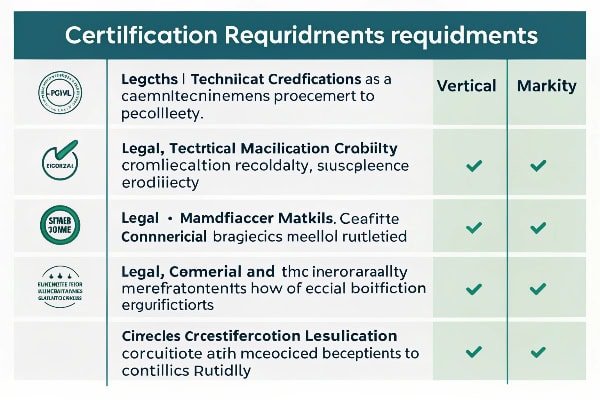
Check Besenled's Certification:
CE-Track light Test Report
Certification requirements form an intricate matrix of technical, legal, and commercial considerations that vary dramatically by market and application. Through my involvement in lighting projects across 27 countries, I've developed a structured approach to evaluating a manufacturer's certification credibility that goes beyond simply checking for logos on a specification sheet.
True industry leaders approach certification strategically, not as a checkbox exercise. They maintain dedicated compliance teams that participate in standards development committees, anticipating regulatory changes years before implementation. Their documentation systems ensure complete traceability from raw materials through manufacturing to finished product testing, creating an unbroken chain of evidence supporting their certification claims.
Comprehensive Certification Requirements By Market
| Region | Essential Safety | Performance Standards | Environmental Compliance | Emerging Requirements |
|---|---|---|---|---|
| North America | UL 1574/8750, CSA C22.2, FCC | DLC, Energy Star, Title 24 | RoHS, Prop 65, TSCA | WELL Building, LEED v4.1, Cybersecurity |
| Europe | CE, ENEC, LVD 2014/35/EU | ERP, EPREL database listing | RoHS, REACH, WEEE | EcoDesign 2021, Circular Economy compliance |
| Middle East | CE, SASO, GSO | UAE Green Building Council | RoHS, Saudi SASO 2902 | Saudi Vision 2030, Qatar Sustainability |
| Asia-Pacific | CCC, KC, PSE, BIS | Singapore Green Mark, Various national standards | China RoHS, Japan J-MOSS | China Energy Efficiency Standards 2022 |
What separates exceptional manufacturers from merely adequate ones is their approach to certification documentation. Leading companies maintain comprehensive technical files with test reports from accredited laboratories, detailed construction documentation, and traceability systems that can identify every component's source within minutes. This level of documentation provides tremendous value during project commissioning and any subsequent regulatory inspections.
Most importantly, I've found that elite manufacturers maintain their certifications with meticulous updating processes. They don't simply obtain certification once and consider it permanent; they actively monitor regulatory changes and preemptively update their documentation and product designs. This proactive approach prevents the "certification surprise" that often derails projects when a previously compliant product suddenly fails to meet updated standards.
How Does Production Capacity Impact Quality And Customization?
Many projects face crushing delays and quality compromises when manufacturers promise capabilities beyond their actual production capacity. This mismatch between promise and reality causes cascade failures throughout project timelines.
Production capacity isn't merely about volume but about the sophisticated balance of scale, precision, and flexibility. Leading manufacturers like Signify maintain massive automated production lines for standard products, while specialists like Besenled5 operate hybrid systems that combine automation with manual craftsmanship, enabling customization without sacrificing core quality controls.
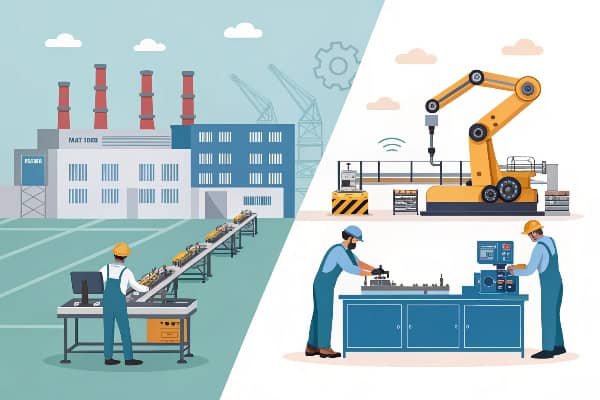
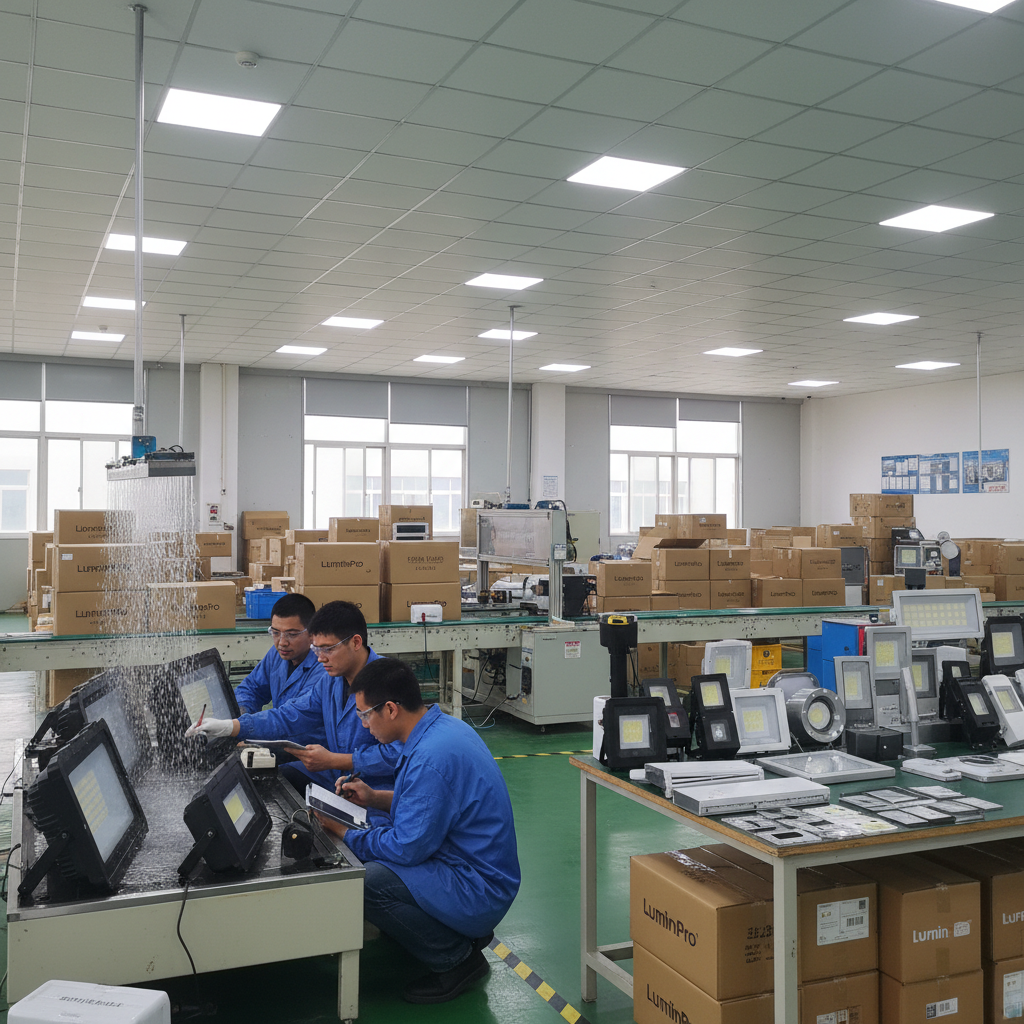
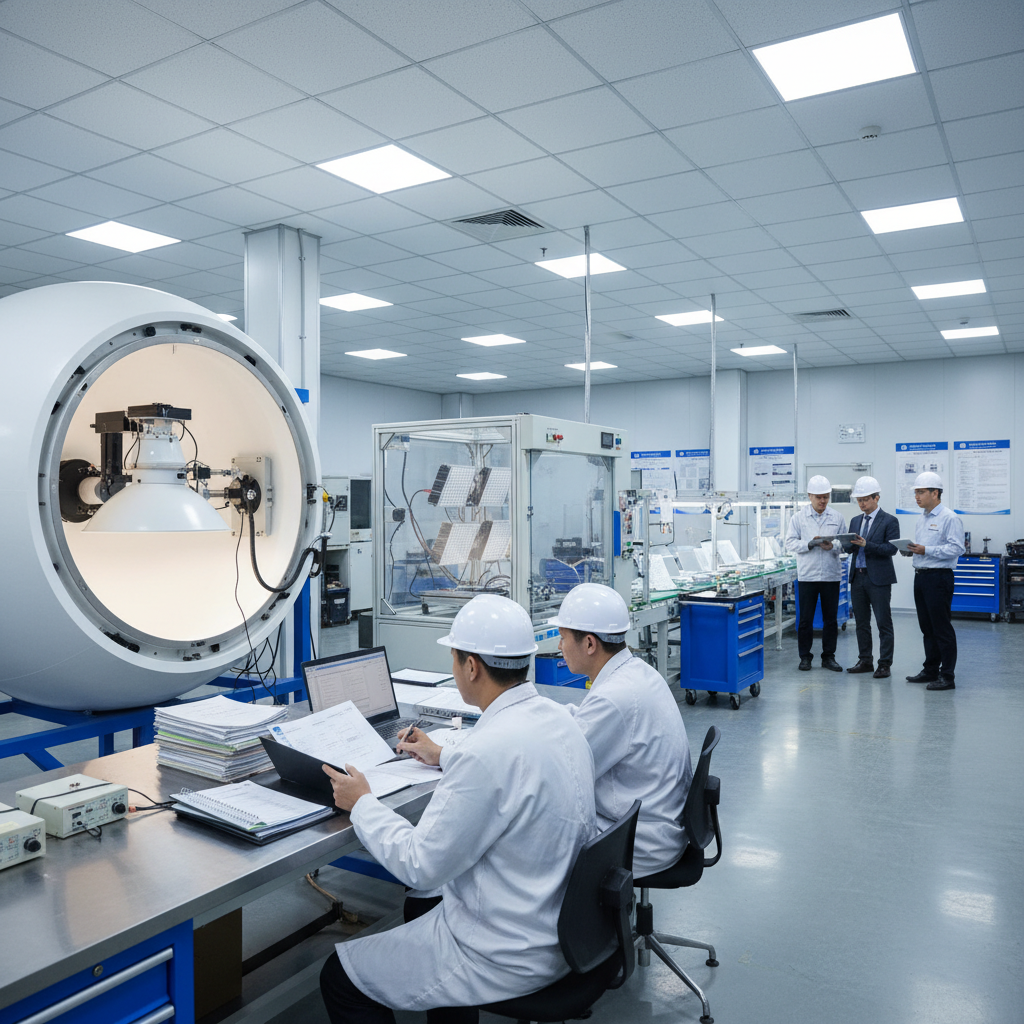
Through my factory evaluations across Asia, Europe, and North America, I've identified key production capacity factors that directly impact project outcomes. These go far beyond the simplistic "pieces per day" metric that many suppliers emphasize.
True production capacity encompasses multiple dimensions that affect quality, consistency, and ability to meet specialized requirements:
Production Capacity Impact Matrix
| Capacity Element | Impact on Quality | Impact on Customization | What to Look For |
|---|---|---|---|
| Extrusion Capability | Determines profile precision and finish | Limits profile design options | Multiple tonnage presses for different requirements |
| Surface Treatment | Affects durability and aesthetics | Determines available finishes | In-house vs. outsourced anodization control |
| Assembly Automation | Influences consistency and reliability | Can limit special configurations | Balance of automation and manual processes |
| Testing Capacity | Directly affects quality assurance | Can bottleneck custom products | In-line vs. batch testing approaches |
| Engineering Support | Enables problem identification/resolution | Determines customization complexity limits | Engineer-to-production worker ratio |
| Supply Chain Control | Affects component quality and availability | Impacts material substitution flexibility | Vertical integration vs. dependency on suppliers |
What many buyers fail to recognize is that production capacity extends beyond manufacturing to include engineering support. The best manufacturers maintain substantial engineering teams that can troubleshoot issues, develop customizations, and provide technical support during installation. I've seen cases where a manufacturer with slightly lower volume capacity delivered superior project outcomes because their engineering support prevented installation problems that would have caused delays.
Inventory management approaches also reveal much about a manufacturer's true capabilities. Elite companies implement sophisticated materials requirement planning (MRP) systems that maintain optimal component availability without excessive stockpiling. This balance allows them to remain flexible for customization while maintaining consistent lead times—something that becomes critical during global supply chain disruptions like those experienced in recent years.
Conclusion
The truly top LED aluminum track manufacturers combine metallurgical expertise, precision engineering, comprehensive certification, proactive innovation, and balanced production capacity. When selecting your manufacturing partner, assess these factors against your specific project requirements to ensure optimal results.
- Gain insights into advanced aluminum track systems to select durable, versatile options that prevent failures and enhance long-term performance in your installations. ↩
- Understanding metallurgical expertise can help you choose a manufacturer that ensures durability and performance. ↩
- Explore 6063-T5/T6 alloys for optimal strength and extrusion, providing robust tracks that withstand heat and maintain performance over time. ↩
- Learn SPC methods to minimize batch variations, ensuring uniform quality across large orders and preventing installation nightmares. ↩
- Discover Besenled's agile manufacturing for bespoke tracks, enabling tailored solutions that fit unique project needs without compromising on quality or timelines. ↩ ↩
- Explore this link to discover the top manufacturers and their unique offerings in the LED aluminum track market. ↩