
 Are you a B2B buyer in the LED light industry? Navigating the wholesale LED market can be challenging, especially with common issues like inconsistent quality, delayed shipments, and certification confusion. But finding a reliable LED supplier who meets both your quality and budget expectations is possible.
This guide will walk you through everything you need to know to make informed purchasing decisions.
For B2B buyers in the USA, shopping for LED lights effectively involves researching reputable suppliers, verifying product certifications, and understanding bulk pricing benefits. Additionally, choosing suppliers with reliable logistics and transparent communication ensures quality and timely delivery.
Let’s dive into the steps to source high-quality LED lights for your business.
ETL and FCC are available for the US market. .True
UL certification is highly respected and beneficial for product safety and marketability, it remains a voluntary choice for manufacturers rather than a mandatory requirement imposed by law.
UL is a mandatory certificationFalse
they are crucial for lighting products and other electrical devices in the U.S. market due to their focus on safety and regulatory compliance.
Are LED Lights Legal in the USA?
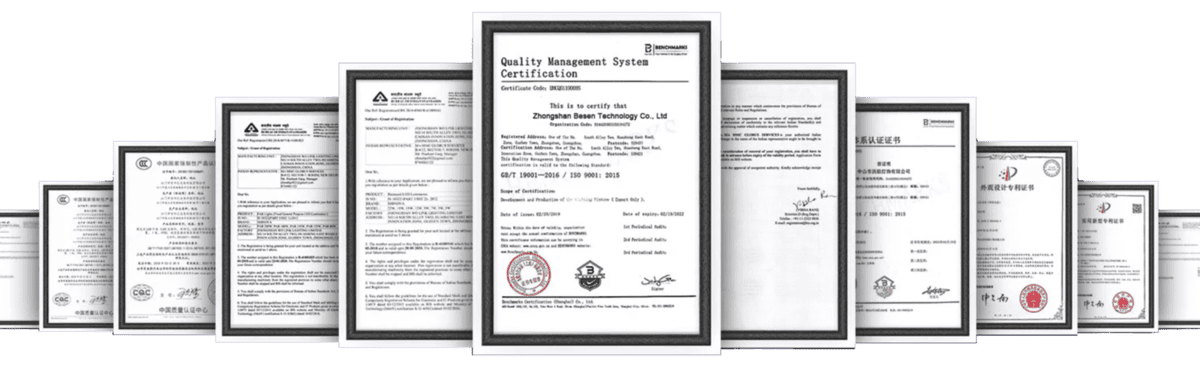
Ensuring your LED lights meet US regulations is crucial for smooth importing and distribution. LED lights used in commercial spaces must often meet specific standards set by agencies like the US Department of Transportation (DOT) and the Environmental Protection Agency (EPA). Certifications, like UL (Underwriters Laboratories) and DLC (DesignLights Consortium), validate that lights meet safety and efficiency standards. Always check with suppliers about these certifications, as non-compliant products can lead to legal issues or costly product recalls.
What Certifications Should You Look for When Buying LED Lights?

When sourcing LED lights, particularly for large commercial projects, certifications serve as proof of quality and energy efficiency. Here are the key certifications to look for:
1.[UL Certification]1: Ensures that products meet strict safety standards.
2.[Energy Star Certification]2: Focuses on energy efficiency, essential for reducing operating costs.
3.[DLC Certification]3: Required for certain rebate programs in the USA and guarantees high energy efficiency.
Each certification not only assures quality but can also lead to savings, as compliant products often qualify for rebates or other incentives in the US.
The other Certifications you need know about different market:
| Certifications | Mandatory? | For Market |
|---|---|---|
| CCC | YES | Asia |
| CE | YES | Europe |
| FCC | YES | US |
| PSE | YES | Japan |
| UKCA | YES | England |
| UL | NO | US |
| CB | NO | Global |
| GS | NO | German |
| VDE | NO | German |
| CSA | NO | Canada |
| Energy Star | NO | US |
| RoHS | NO | Europe |
| SAA | NO | Australia |
What to Consider When Evaluating LED Light Suppliers
As a B2B buyer, you’re looking for suppliers who can offer quality, reliability, and cost-effectiveness. Here’s what to look for:
- Quality Control: Ask about the supplier’s quality control processes and any third-party certifications.
- Pricing Structure: Bulk pricing should ideally offer competitive per-unit costs without compromising quality.
- Custom Branding Options: For businesses rebranding products, suppliers like Besenled provide options to customize designs, colors, and even branded logos, enhancing your market appeal.
- Logistics and Shipping: Timely delivery is crucial, especially for B2B buyers. Ensure the supplier has a reliable logistics setup to avoid costly delays.
What Is the Profit Margin on a Light Business, and How Does Sourcing Affect It?
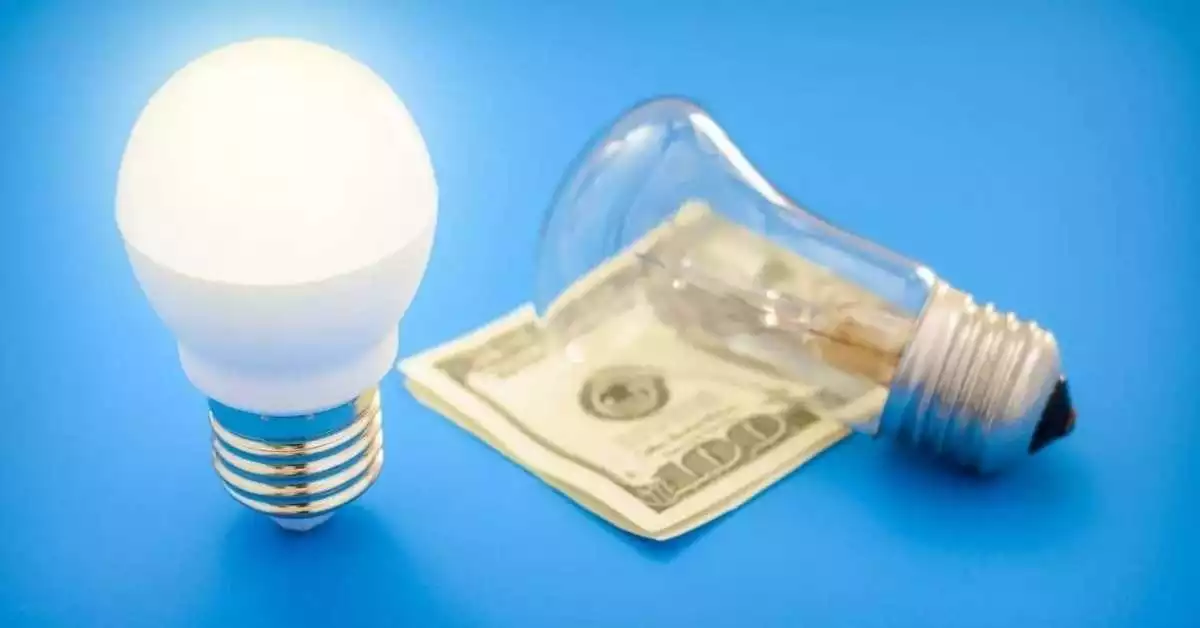
Profit margins in the LED industry can vary widely, but bulk purchasing directly from manufacturers often helps improve margins. By reducing the per-unit cost, buyers can maintain competitive retail pricing or increase profit margins. Distributors can expect profit margins of around 20-30%, depending on the volume and supplier pricing structures. Working with a supplier who offers flexible terms, like Besenled, allows you to adjust purchases based on demand, optimizing inventory costs.
How Do You Compare the Best LED Light Companies?
With many LED light companies available, selecting the best supplier involves evaluating a few key aspects:
- Product Quality and Durability: High-quality LEDs offer longer lifespans and less frequent replacements.
- Energy Efficiency: Brands known for energy-efficient products can reduce long-term costs for your end-users.
- Customer Reviews: Reliable companies often have strong client testimonials. Look for consistency in feedback regarding quality, communication, and delivery.
Besenled, for example, is known for its focus on high-quality LED products and customizable options, making it a strong choice for B2B buyers who want quality alongside flexibility.
Best Practices for Communicating with Suppliers
Efficient communication with suppliers is key to a successful B2B relationship. Here are some tips:
- Set Clear Delivery Expectations: Define shipping timelines and ask for regular updates to ensure timely delivery.
- Confirm Product Specifications: Avoid miscommunications by verifying details, such as brightness, size, and color temperature, before placing bulk orders.
- Check Certifications Upfront: Ask for proof of certifications to avoid potential issues with legality and quality assurance.
Choosing suppliers who value transparent communication helps reduce the likelihood of delayed shipments or misunderstandings, which can impact your bottom line.
Conclusion
Partnering with a certified, reliable supplier is crucial to ensure that your LED lights meet all standards and expectations. By focusing on quality, certifications, and strong supplier relationships, B2B buyers can make profitable LED purchases for their businesses. Start by assessing your supplier options with these tips in mind, and remember—strong supplier relationships pave the way for a thriving LED light business.
- What is UL certification?UL Certification is the broad term for the various safety certifications offered by Underwriters Laboratories (UL). UL is a global safety science company that was founded in 1894 in Chicago. They are the oldest and largest third-party testing laboratory in the country ↩
- Energy Star Certification represents a trusted standard for energy efficiency that benefits consumers economically while supporting environmental sustainability initiatives. ↩
- DLC Certification, which stands for DesignLights Consortium Certification, is a voluntary program aimed at promoting energy-efficient lighting solutions, particularly in commercial settings. Established in 1998, the DLC is a non-profit organization ↩