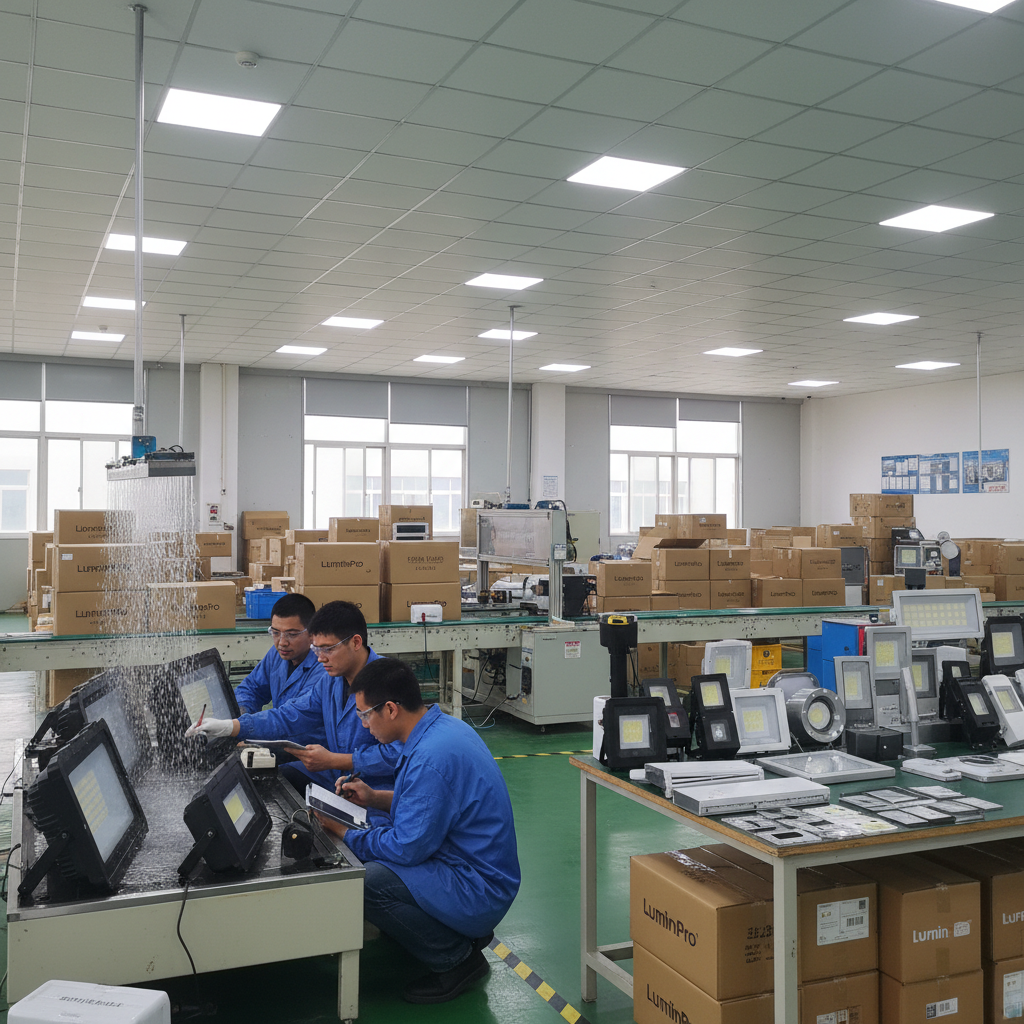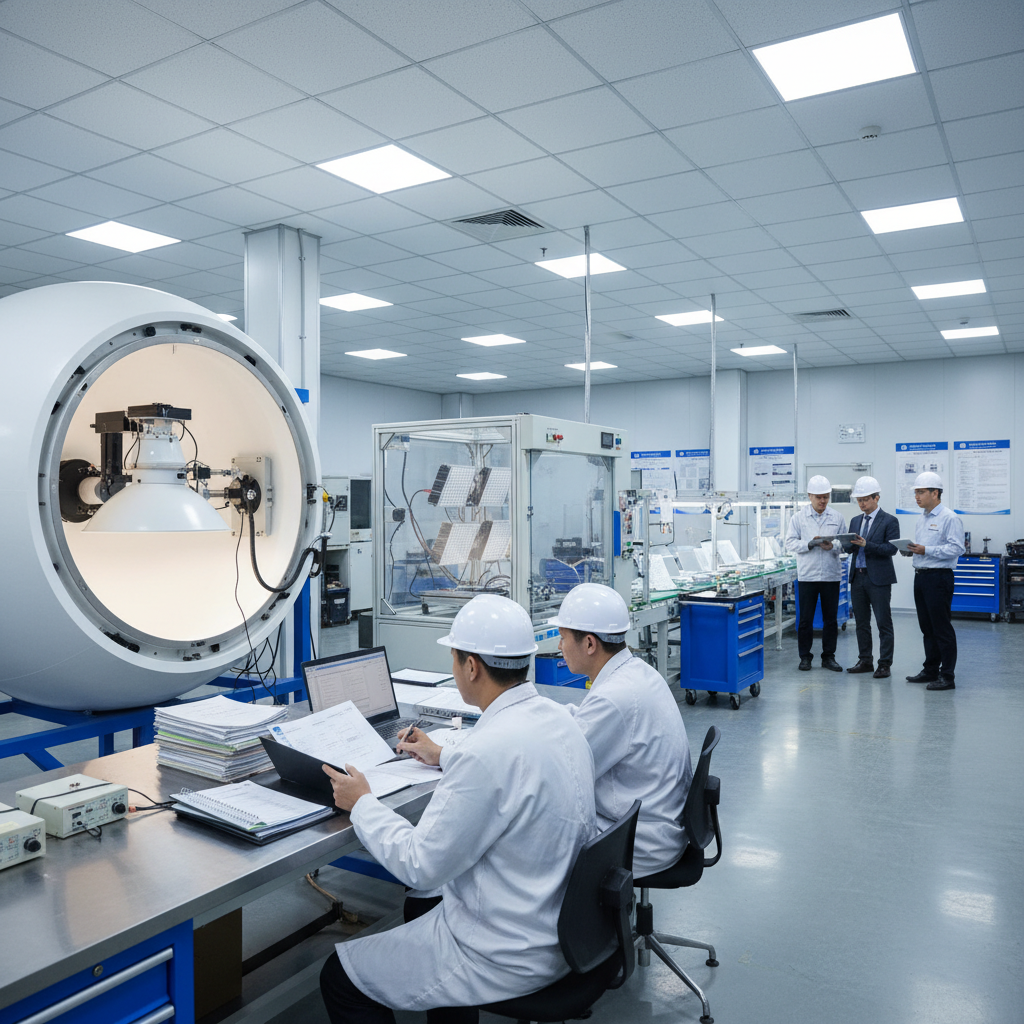

Are you trying to choose between importing lighting products from China or Vietnam? Believe me, I have experienced this situation. It probably feels very overwhelming!
Importing lighting from China instead of Vietnam is advantageous due to China’s cost-efficiency, advanced manufacturing capabilities, compliance with international quality certifications, and superior logistics infrastructure. With established expertise in LED technology and large-scale production, China remains the top choice for bulk lighting imports.
When I began looking into options for importing lighting, I found many choices. The prices in both countries appeared tempting, but I soon understood that exploring further was necessary. I remember my first shipment from China. The excitement was real, yet I faced quality problems I did not expect. This made me reconsider my strategy. Each country offers different benefits and difficulties. Quality control and working conditions are important. Every detail counts. It’s not just about the cost. It’s crucial to get the best value for your money.
Let's look at the key factors to help you decide. Knowing the situation will probably help you choose wisely. This choice should match your goals and needs.
China offers lower manufacturing costs for lighting products.True
China's established manufacturing infrastructure often leads to reduced production costs compared to Vietnam, making it a more economical choice for importing lighting.
Vietnam has better labor conditions than China for lighting production.True
Vietnam is known for improving labor standards, potentially offering better working conditions compared to China's manufacturing sector.
What Are the Cost Differences in Lighting Production?
Ever wondered why some light bulbs cost more than others? The price depends on various factors in lighting production. These factors help people choose wisely when buying bulbs. Learn what influences prices in this vibrant industry.
Cost differences in lighting production originate from several factors. The production scale is very important. Technology used in manufacturing also matters. Certification requirements heavily impact costs too. Efficient logistics significantly influence the final price. Understanding these aspects probably helps you make better purchasing decisions. These insights are useful when choosing between different lighting options.

Cost and Scale of Production
When I first looked into lighting options for my home, I was surprised by the price differences. I learned that the cost to produce lighting can change a lot depending on how much is made. When companies produce more, their costs drop because they share fixed expenses over many items. This leads to lower prices for us, the buyers.
I remember choosing between LED lights and regular bulbs. At first, LEDs seemed more costly because of their new technology. But I found out that as more people bought them, the price for each LED went down. In the end, LEDs became a cheaper option over time. They were really a better value in the long term.
| Lighting Type | Initial Cost | Production Scale Efficiency |
|---|---|---|
| Incandescent | $0.50 | Low |
| LED | $2.00 | High |
If curious about lowering production costs, check out economies of scale1.
Expertise and Technology
As I learned more about lighting, I saw the skill needed to produce different types. Smart lighting and energy-saving systems need skilled workers and special machines, which increase production expenses.
I recall talking with a friend in lighting manufacturing. She explained how companies making smart LED lights spend a lot on research and development. They want their products to last longer and work well. This focus on quality increases prices compared to simple bulbs. But the advantages usually justify the extra cost.
| Technology | Required Expertise | Production Cost Impact |
|---|---|---|
| Smart LED | High | Increased |
| Basic Incandescent | Low | Minimal |
To understand technology's impact, see lighting technology advancements2.
Certification and Quality Standards
I only recently considered the role of certification in production costs. Products must meet specific rules to be safe and reliable. Manufacturers often spend on compliance, raising production costs.
For example, energy-saving lighting must follow regulations such as Energy Star ratings. My experience showed that certification processes can add a lot to production expenses. These costs show up in retail prices too.
| Certification | Cost Impact | Type of Lighting |
|---|---|---|
| Energy Star | Moderate | LED |
| UL Certification | High | All types |
To explore certification costs, see lighting certifications3.
Speed and Logistics Efficiency
Finally, I found out how logistics affect lighting production costs. Quick manufacturing and delivery can impact prices. Companies that organize their logistics well can reduce shipping expenses and pass savings to us.
I learned local material sourcing can change both speed and costs. Local materials may cost more but give faster turnaround times. Importing materials might save money but slow delivery. Balancing these logistics is crucial for companies.
| Logistics Method | Cost Efficiency | Delivery Speed |
|---|---|---|
| Local Sourcing | Moderate | Fast |
| Imported Materials | Low | Slower |
For insights on logistics, see logistics efficiency4.
Understanding lighting can feel confusing, but knowing cost differences helps in decision-making. Learning about what affects these prices can lead to better choices for both projects and spending!
LED lighting has higher initial production costs than incandescent bulbs.True
LEDs require advanced technology and materials, leading to higher initial costs compared to traditional incandescent options.
Local sourcing of materials always reduces production costs in lighting.False
While local sourcing can speed up delivery, it may increase material costs, impacting overall production expenses.
How Does Labor Quality Affect Lighting Products?
Do you ever think about how the people working behind the scenes shape the lighting products we use? Lights are important in our daily lives. The quality of work really influences new lighting ideas and their success. Labor quality affects lighting innovations. This impact is profound.
Labor quality greatly impacts lighting products. It affects how efficiently workers produce goods. It also influences how well companies control costs. Adhering to industry standards depends on labor quality too. Skilled workers likely advance new technologies more easily. All these factors improve workplace environments. They enhance user experiences in significant ways.

Understanding Labor Quality in Production
When I remember labor quality in production, I recall my own experiences in various workplaces. A truly remarkable team knows what they are doing. Everything clicks into place when everyone is skilled and passionate about their work. Labor quality encompasses the skills, training, and expertise of the workforce involved in manufacturing lighting products. High-quality labor is essential for precision and creativity, which are crucial in producing innovative lighting solutions.
Impact on Cost and Scale of Production
In production settings, the quality of labor affects production costs directly. Skilled and efficient workers create better products in less time, reducing waste and lowering costs in the long run. A well-trained team is like a well-oiled machine that saves a lot over time.
| Labor Quality | Production Speed | Product Defects | Overall Cost |
|---|---|---|---|
| High | Fast | Low | Lower |
| Low | Slow | High | Higher |
Companies should prioritize hiring and continuous training for this reason.
Expertise and Technology Adoption
Labor quality plays a major role in adopting new lighting technologies. I remember working with eager technicians who wanted to learn modern techniques. Their enthusiasm allowed us to use new innovations5 smoothly, improving our products’ functionality and energy efficiency. Understanding LED technology enabled us to create not only effective but also sustainable lighting solutions.
Certification and Quality Standards
Labor quality is crucial for meeting certification requirements and quality standards set by industry bodies. During my career, I worked with people who understood these regulations well. Their understanding helped us implement necessary measures, increasing product reliability. This commitment raises the entire brand’s reputation; reliable products enhance the brand's value in the market.
Speed and Logistics Efficiency
The logistics of distributing lighting products depend on labor quality too. A competent workforce streamlines operations, managing timely deliveries and inventory efficiently. Smooth operations lead to customer satisfaction; I remember seeing a client’s joy when we delivered beautifully designed lighting solutions on time.
In conclusion, I observed how labor quality impacts every part of lighting products—from production efficiency to compliance with standards. Investing in our workforce offers great opportunities; it creates an environment where innovation probably flourishes.
High labor quality reduces production costs for lighting products.True
Skilled workers produce higher quality products faster, minimizing waste and lowering costs over time.
Low labor quality leads to increased product defects in lighting.True
Inexperienced workers are more likely to create defects, impacting product reliability and safety.
How is Technology Transforming the World of Manufacturing Lighting?
In the fast-paced world of manufacturing, technology plays a crucial role. This technology is not just a tool. It really changes the rules of the game. Curious about how it's transforming our lighting solutions and increasing production? Let's explore together!
Technology has changed manufacturing lighting significantly. It has introduced energy-efficient options like LEDs. These new lights raise safety standards a lot. Automation becomes possible with them. Production efficiency rises notably. Work environments become safer and more productive. This is a big improvement.
%[Workers in a modern manufacturing facility with advanced machinery]
Advancements in LED Technology
I remember the first time I walked into a manufacturing facility lit by bright, energy-efficient LED lights. It felt like stepping into a completely new world! The evolution of LED technology has dramatically transformed the manufacturing lighting landscape. LEDs are not only energy-efficient and long-lasting; they also shine brighter than traditional lights. This shift not only leads to reduced energy costs but also enhances the quality of light, which is crucial in environments where precision is key.
For instance, in assembly lines, consistent lighting helps in reducing errors during inspections. I’ve seen how smart lighting systems enable manufacturers to adjust brightness according to operational needs, further optimizing energy consumption.
Automation and Smart Manufacturing
Now, let’s discuss automation. Integrating technology into manufacturing lighting aligns with the broader trend transforming our industry. Imagine a factory where lights adjust based on the time of day or worker presence. It’s not science fiction; it’s happening right now!
Consider this: I often think about the effectiveness of motion sensors in factories. These sensors activate lights when someone enters and turn them off when the area is empty. This small adjustment probably leads to significant cost savings and a reduced environmental impact. Explore smart lighting solutions6 that allow this.
Enhancing Safety and Compliance
In manufacturing, safety is very important. Adequate lighting prevents accidents and keeps every corner of the workspace bright. Technology enables strategic lighting designs that comply with safety regulations effortlessly.
For example, consider emergency exit routes with illuminated signage powered by advanced LED technology. This ensures everyone finds their way out even during power outages. Learn about compliance standards7 that guide these implementations.
Impact on Production Efficiency
Efficient lighting is a major improvement for productivity in manufacturing facilities. Tailoring lighting for specific tasks through technology greatly enhances worker efficiency.
| Lighting Type | Energy Consumption | Lifespan | Application Area |
|---|---|---|---|
| Traditional Bulbs | High | 1,000 hours | General Lighting |
| Fluorescent Lights | Moderate | 10,000 hours | Workstations |
| LED Lighting | Low | 25,000+ hours | All environments |
Look at the table above! It highlights how LED lighting outshines other options in longevity and energy savings. By making this switch, companies can not only save money but also create a better working atmosphere. Discover more about production efficiency8.
LED technology reduces energy costs in manufacturing.True
LEDs are more energy-efficient than traditional lighting, leading to significant reductions in energy expenses for manufacturers.
Smart lighting systems enhance worker productivity.True
By adjusting automatically to operational needs, smart lighting improves visibility and efficiency in manufacturing environments.
How Do Trade Regulations Impact Importing Choices?
Understanding trade regulations feels like walking through a maze. Knowing these rules really saves money. They also shape the foundation of a business's importing strategy. This is very important.
Trade regulations greatly influence our importing choices. These rules affect costs, sourcing options, quality standards and logistics efficiency. Understanding these factors helps us navigate complexities better. I improve my import strategies for success in the global market by knowing these details.
Understanding Trade Regulations
Trade regulations might seem intimidating, but they greatly influence our importing choices. These rules really matter. I explore a new market each time. This reminds me of how tariffs and compliance standards can drastically change my sourcing plans. They also shift my overall expenses. It is a delicate balance. Success requires both knowledge and flexibility.
Cost Implications
The costs associated with importing are directly affected by trade regulations. Businesses must account for not only the price of the goods but also the added expenses of compliance with regulations.
| Cost Element | Description |
|---|---|
| Tariffs | Taxes on imports that increase product cost |
| Compliance Fees | Costs incurred to meet regulatory standards |
| Shipping Charges | Additional costs due to regulations affecting logistics |
As these costs rise, businesses may seek alternative sourcing strategies or adjust their pricing structures. Learn more about sourcing alternatives.
Sourcing Options and Quality Standards
Trade regulations often mandate specific quality standards or certifications that products must meet before entering a market. This can limit sourcing options, as not all suppliers may meet these criteria.
For example, importing electronics may require adherence to safety standards that vary by country. Businesses must ensure their suppliers can provide the necessary certifications, potentially narrowing their options and increasing costs. Find out about certification processes.
Impact on Logistics and Supply Chain
The speed and efficiency of logistics operations can also be impacted by trade regulations. Delays caused by inspections or paperwork can disrupt supply chains, prompting businesses to rethink their logistics strategies.
By understanding these implications, companies can better plan their import strategies to minimize delays and additional costs. Investigate logistics strategies.
Case Studies and Examples
Several case studies illustrate the impact of trade regulations on importing choices. For example, the implementation of new tariffs between two countries can lead to a significant shift in trade patterns, as businesses search for more cost-effective alternatives or adjust their product lines.
These real-world examples provide insights into how fluctuating regulations create ripple effects throughout industries. Check out case studies9.
Tariffs increase the cost of imported goods for businesses.True
Tariffs are taxes on imports that raise prices, making foreign goods less competitive.
Trade regulations do not affect sourcing options for businesses.False
Trade regulations often impose quality standards that limit available suppliers, impacting sourcing decisions.
Conclusion
Choosing between importing lighting from China or Vietnam involves weighing cost, quality, labor conditions, and production capabilities to align with your business needs.
- This link provides valuable insights into how different lighting technologies impact overall costs, helping you make better purchasing decisions. ↩
- Explore the latest advancements in lighting technology and how they affect production costs and efficiency. ↩
- Learn about various lighting certifications and their implications on manufacturing expenses. ↩
- Discover strategies for optimizing logistics in lighting production to reduce overall expenses. ↩
- Explore insights on how skilled labor can enhance product quality and efficiency in lighting manufacturing. ↩
- Explore this link for detailed insights into compliance standards for safety in industrial lighting. ↩
- This resource provides valuable information on how production efficiency is influenced by modern lighting technologies. ↩
- Learn more about production efficiency improvements through effective lighting strategies by clicking here. ↩
- Discover how trade regulations can influence your import strategies and overall business operations for better decision-making. ↩