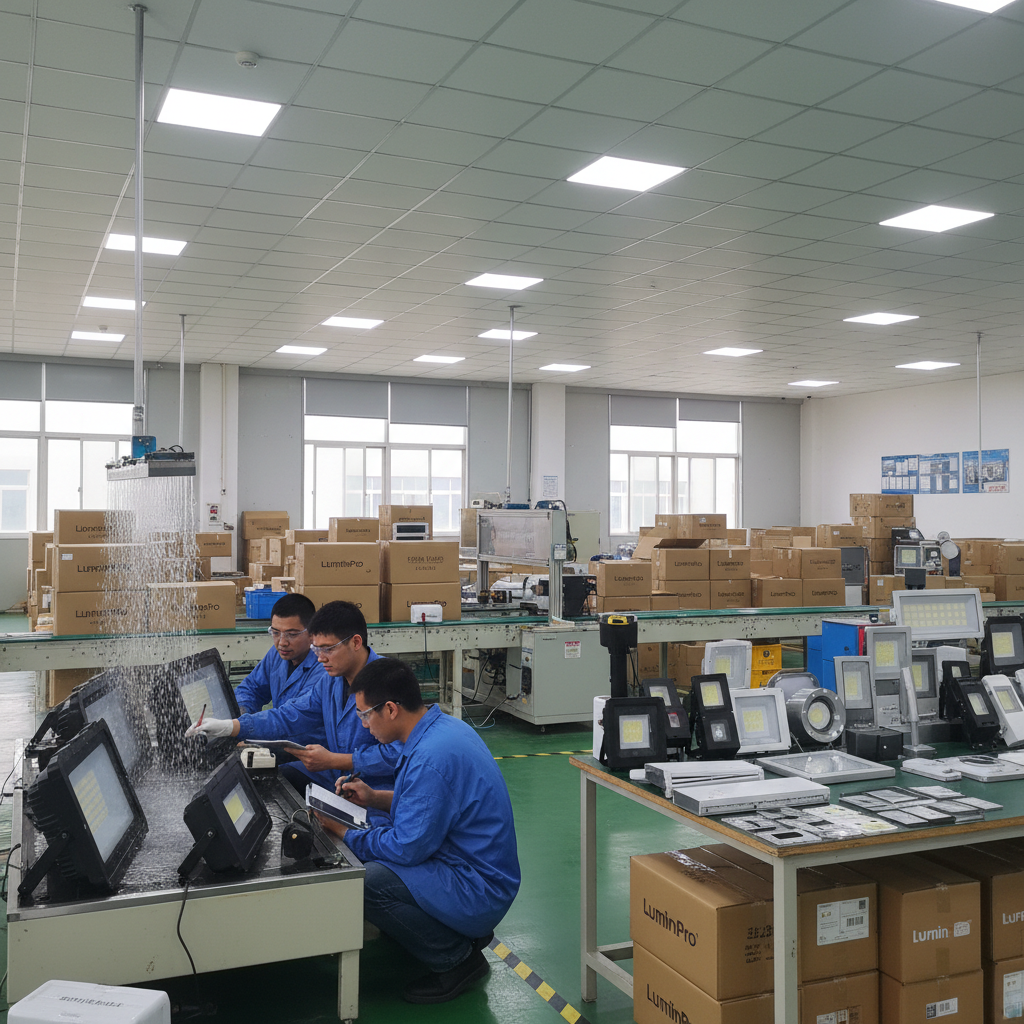

LED streetlights are great – until they’re not! There are a bunch of problems with LED lights – like glare and how far away you can see them. People complain about a lot of things and it’s almost always subjective.
Not only that, LEDs, just like every other light out there, once it gets so hot, everything inside of it starts dying. That’s not just the LEDs. That’s everything inside of it.
Stated another way: LEDs generate heat. That heat reduces their efficiency due to the decreased energy, causing the lights to get dimmer. You will typically see them run at 80% brightness… They reduce the brightness of the lights at 80%, they reduce the burn time of the LEDs to 30 to 50 thousand hours, and they start replacing lights.
I will guide you what's the problem of them and how to solve. quick view out ourline here:
Problem 1: Glare and Discomfort
One of the concerns that people have about LED streetlights is they produce a lot of glare. That can happen with anything. When I was in the Air Force, I used to work outside with sodium vapor lights. I went from sodium vapor lights to working under fluorescents in the military. Fluorescents bothered me so bad that I couldn’t eat lunch. I had to go outside. The reason was the glare off of a fluorescent bulb because of the frequency of lights that fluorescents create. Talk to the manufacturer about the glare from their lights. If that’s still an issue, get a different light from a different company.
Well that’s the first thing you have to do. If you’re buying LED lights, make sure they’re less than 3000 Kelvin. That will help a lot. Then you want to get an LED light from a company that knows what they’re doing, and who is known for their light quality, not somebody who makes every single product they can make—many of which have nothing to do with LED lights—like some of the bigger companies do.
Problem 2: Health Concerns from Blue Light
You know, blue light, which tends to be pretty common in those really hot temperature LED streetlights you see out there can really start screwing with our natural systems. It messes up everybody’s body clock, humans and animals alike. After a while of being in blue light at night, you start having problems falling asleep or keeping your room dark at night. Worse than that, your body starts producing less of that hormone melatonin. That hormone helps you sleep and protects you from a variety of health conditions, including cancer.
The problem: City folks are in that blue light all the time. They live and work in these big cities with all this blue light so they're messing up their body clocks and shutting down their natural production of melatonin.
The solution: Use LEDs that are really low in blue light at night. These LEDs should be between 2700K and 3000K in color temperature. The second thing to do is to turn down the amount of light at night, either by using dimming controls or just turning off the lights completely.
Problem 3: Quality and Reliability Issues
You’ll definitely want to understand there are all kinds of things that can go wrong with an LED. The driver can fail, the LED chip could be bad, and maybe your surge protection devices (SPDs) aren’t wired correctly. All that kind of stuff can go wrong, and when it does, it costs you a ton of money to fix things and your lights don’t work then.
The solution is to not buy crappy lights. You need to get great lights. Buy from manufacturers who are reputable, that’ve had their power supplies tested and their LED chips tested. If they’ve been accepted into the DesignLights Consortium (DLC) or the Federal Energy Management Program (FEMP), you’re pretty safe buying things from them. Make sure when you buy something, the manufacturer warranties that light for ten years, and make sure they’re a company that can back that up. If they’re a reputable company that can give you a ten-year warranty on an LED, chances are that LED is pretty good quality.
Problem 4: Light Pollution
LED streetlights are highly energy-efficient, but they can create issues related to something called “light pollution”. There are so many people moving around all the time in a city, all waking hours of the night. Many people are working in daylight, and that’s awesome. But all these lights are often pointed wrong and are way too bright. All this light reflects up into the sky and scatters through the atmosphere. Astronomers call this “sky glow,” and it helps you understand a little bit how light pollution works. I can tell you astronomers are beside themselves with LED streetlights because you see all the light bounce up into the atmosphere and reflect all the way back down to the ground. Astronomers’ perfect black sky at night gets ruined by all the lights turned on in their neighborhood.
You need to put lights that shine down on the ground better. We want to be able to see outside and know what time it is, but we don’t want our fixtures to leak light into the sky.
Now, for Surefire customers, we want to add amber. We make amber lights that really easily light up surfaces and make people look great. Amber can help reduce blue light levels, and keeping blue light levels under control is a huge challenge if you’re trying to reduce sky-glow.
How does it work? Putting light on the ground. That’s right—put light on the ground. The smartest thing you can do is turn off lights you don’t need. How about dimming lights? When people are asleep—just completely off or 30% down. How about that? That’s pretty obvious. At 4 a.m., I don’t need you to waste energy filling my house with bright, shiny light. Just turn it down.
It’s not just sky-glow—it’s about controlling brightness. It makes people look worse when the light is right over their heads.
Conclusion
LED streetlights are a great, sustainable choice for city lighting. They make a lot of sense because they drastically reduce energy use and last a long time. But they have some challenges. A lot of people complain about LED streetlights because they’re so bright and they feel more like daylight when you’re driving at night and want it to be dark. There is also a feeling that the blue light emitted by LED streetlights (and screens and smartphones and, basically, your entire existence) is bad for health. Plus, the color of LED light can be kinda weird.
That being said, the benefits of LED streetlights far outweigh these issues. The energy savings and long life, in and of themselves, make them a game-changer. Adding the technology that lets you dim or brighten the light reduces even further how much energy these things use. Making them wireless so you can monitor and adjust from the office or the utility truck—a flick of a switch is pretty cool.
The other thing people worry about is municipal light pollution. Some cities have gone to bad LEDs so the whole place looks like a Walmart parking lot. But that’s a purchasing problem, not a technology problem. You have to specify, in your requests for bids, that you want lights that are low-glare and have the right optics and color. The last thing is the color. A lot of people love high-pressure sodium streetlights because they’re orange.
When you see an orange streetlight, that means the city is wasting money and hurting the environment. Orange light is exactly what bugs see, so when you have an orange streetlight, it’s a train of gourmet delights for bugs. It’s like buffet time. Is that what you want for your neighborhood, to see a dozen bugs flying around a streetlight?
If you want orange, go out and buy a Halloween lamp. Otherwise, go out and buy a good LED that’s the right color and saves you money and helps the environment. Do a little research, buy good LED lights, and don’t give LEDs a bad reputation.