
Have you ever noticed how the right lighting completely changes the vibe of a room? I have. It really fascinates me that something simple influences our productivity and comfort.
Overall lighting, or ambient lighting, is the primary source of illumination in a space, providing uniform brightness for general tasks and navigation. Common types include ceiling-mounted fixtures, recessed lights, and LED panels. It is essential for creating a comfortable and safe environment, especially in commercial settings. Proper design considers factors like room size and function, ensuring sufficient light without glare. Energy-efficient LED solutions are widely adopted for overall lighting due to their long lifespan and lower energy consumption.
In my own workspace, I saw the difference myself. I felt more relaxed when I changed to soft, gentle lighting. I also became really focused. Overall lighting proves very important. It is the main light that gives a safe and welcoming feeling. It does more than just brighten a room. It removes harsh shadows. Steady light levels help us feel calm. Let's look at the kinds of overall lighting. We will explore how to design it. The importance of lighting in different places is also worth understanding.
Overall lighting can enhance productivity in workspaces.True
Proper overall lighting improves visibility and reduces eye strain, leading to increased productivity in work environments.
Overall lighting has no impact on comfort levels in a room.False
Inadequate overall lighting can lead to discomfort, affecting mood and well-being, making this claim false.
What are the different types of overall lighting?
Have you ever entered a room and immediately felt comfortable? This feeling often comes from the way we light our spaces. Light plays a key role. Discover the various kinds of general lighting that change any space. These lights bring warmth. These lights bring practicality to our daily lives.
Overall lighting includes several types. These are ambient, task, accent, natural and layered lighting. Each type serves different purposes. They improve visibility, functionality and beauty in various spaces.

Types of Overall Lighting
Overall lighting can be categorized into several types, each serving distinct purposes to enhance the ambiance and functionality of a space. Understanding these types helps in making informed decisions for both residential and commercial environments.
1. Ambient Lighting
Ambient lighting gently fills a room with light, making it feel safe and welcoming. It greets you when you walk in after a long day, wrapping you in comfort.
- Examples: Chandeliers, flush mounts, and wall sconces on ceilings.
- Benefits: This lighting sets the stage for everything else. It creates coziness, removes dark corners, and helps people relax easily.
One evening, I dimmed the ambient lights and enjoyed a good book. The soft glow made reading very pleasant. For more on the importance of ambient lighting, check out ambient lighting solutions1.
2. Task Lighting
Task lighting focuses on helping you concentrate on specific activities like reading or cooking. It directs light where it's most needed, like a spotlight on a performance.
| Fixture Type | Best Uses | Key Features |
|---|---|---|
| Desk lamps | Reading/working | Adjustable brightness |
| Under-cabinet lights | Kitchen tasks | Energy-efficient options |
| Floor lamps | Living room activities | Stylish design options |
I often use my desk lamp for late-night work. Its focused light feels like a supportive buddy with me. To explore various task lighting options, visit task lighting ideas.
3. Accent Lighting
Accent lighting adds flair by highlighting special features in a room, like art or architecture. It brings a room to life with an extra touch.
- Examples: Spotlights, track lights, and wall-mounted fixtures.
- Benefits: This lighting draws eyes to focal points, giving depth and making the space feel more dynamic.
Accent lights once showcased a painting in my living room. The artwork seemed to breathe. It transformed the room. Learn more about how to effectively use accent lighting by checking accent lighting techniques.
4. Natural Lighting
Natural light brings in a warm hug from the sun through windows and skylights. It makes places feel brighter and more open.
- Key Considerations: Use curtains to control glare and improve daylight use.
- Benefits: Not only lowers energy costs but also creates a refreshing outdoor feel.
I love how sunlight fills my kitchen during breakfast. It's the perfect start to my day! For insights on maximizing natural light in your space, see natural lighting strategies.
5. Layered Lighting
Layered lighting combines different light types to create balance and adapt to any situation.
- Implementation Tips: Use dimmers for flexibility and mix light sources for warmth.
- Benefits: This approach adapts to different activities and enhances mood throughout the day.
Creating layered lighting in my home added new dimensions to how it feels. Each layer enhances the space in its own way. Discover tips on creating layered lighting in your home with layered lighting design.
Ambient lighting is the primary source of illumination in a room.True
Ambient lighting provides general illumination, ensuring visibility and comfort without harsh glare, essential for any space.
Task lighting is less focused than ambient lighting.False
Task lighting is designed to be more focused and brighter than ambient lighting, aiding specific activities like reading or cooking.
How does overall lighting affect productivity in the workplace?
Have you noticed how the right lighting changes the entire feeling of a workspace? It's amazing how something like light affects our mood and productivity. Let's explore this interesting connection together!
Lighting plays a big role in productivity at work. It affects mood, lessens eyestrain and provides good visibility. Good lighting design gives comfort. It helps employees focus better. This increases their efficiency.
The Impact of Lighting on Employee Mood and Well-Being
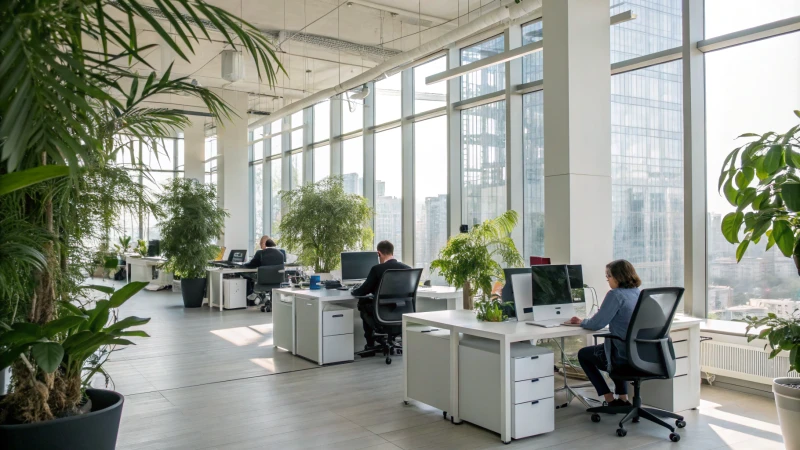
Overall lighting plays a critical role in shaping the mood and well-being of employees. Lighting isn't just about seeing; it creates a mood that feels good to work in. I remember walking into an office flooded with natural light. It felt refreshing and uplifting. Natural light improves mood by increasing serotonin levels, which can lead to better focus and energy.
In contrast, inadequate lighting can lead to feelings of irritability and stress. Harsh fluorescent lights feel unpleasant, like a dentist's office, causing headaches and irritability. No one wants to feel exhausted at work! When I suggested more windows and used LED panels that mimic daylight, the team felt happier. The difference was clear—a small change increased comfort.
To create a more inviting atmosphere, consider incorporating elements of natural light into your designs. This can be achieved through windows, skylights, or even light tubes2.
Types of Overall Lighting and Their Effects
Different types of overall lighting can significantly impact productivity levels in the workplace. Here’s a brief overview:
| Lighting Type | Description | Impact on Productivity |
|---|---|---|
| Natural Light | Sunlight entering through windows or skylights | Boosts mood, energy, and creativity |
| LED Panel Lights | Energy-efficient, long-lasting fixtures | Reduces eyestrain and enhances focus |
| Fluorescent Lighting | Commonly used in offices; often harsh on the eyes | Can cause fatigue and irritability |
| Task Lighting | Direct lighting for specific work areas | Improves concentration and accuracy |
Choosing the right combination of lighting types can create a balanced atmosphere conducive to productivity. For more on lighting types, check out this guide3.
Recommended Lighting Levels for Different Work Environments
The intensity of overall lighting is essential for maintaining productivity. Here are some recommended lux levels for various environments:
| Environment | Recommended Lux Level |
|---|---|
| Office Spaces | 300 - 500 lux |
| Retail Environments | 1000 lux |
| Industrial Settings | 500 - 1000 lux |
Meeting these recommended levels ensures that employees can perform tasks effectively without straining their eyes. You can learn more about optimal lux levels here4.
Energy Efficiency and Sustainability Considerations
When designing lighting systems, energy efficiency should be a top priority. I really care about sustainability; LED lights use up to 75% less energy than traditional bulbs—this saving amazed me! Furthermore, integrating smart lighting controls5 can enhance efficiency by adjusting brightness based on natural light availability or occupancy.
Incorporating energy-saving technologies not only reduces operational costs but also contributes to a healthier planet. Selecting sustainable materials for your lighting fixtures can further enhance your project’s eco-friendliness.
Conclusion: Not for This Sub-heading
Overall lighting is an integral part of creating a productive workplace environment. It lifts mood and improves well-being while enhancing efficiency. Understanding these effects is important; with careful planning, we probably improve employee performance. Better lighting solutions increase satisfaction in the workplace.
Natural light boosts employee mood and productivity.True
Natural light enhances serotonin levels, leading to improved mood, focus, and energy among employees, thus increasing overall productivity.
Fluorescent lighting reduces workplace productivity.True
Harsh fluorescent lights can cause fatigue and irritability, negatively impacting employee focus and overall productivity in the workplace.
What factors should I consider in overall lighting design?
When I think about lighting design, I realize it involves more than just brightening a space. It is about creating an atmosphere. An atmosphere must resonate with the people living in it. What key factors do I need to remember?
When designing overall lighting, consider fixture types like ceiling-mounted or LED panels. Tailor light intensity to each space. Energy efficiency should come through LEDs and smart controls. Safety compliance is essential to create a functional and inviting environment. Safety is really crucial.
Understanding the Purpose of Overall Lighting
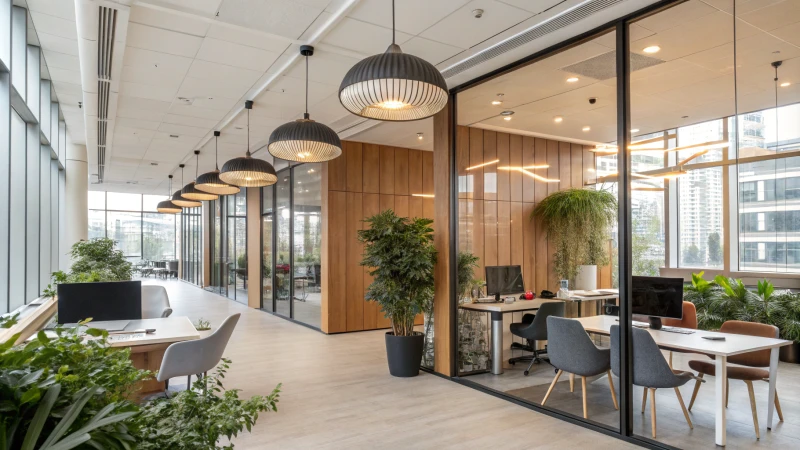
Overall lighting serves as the heart of a room, bringing it to life. The right lighting can change a dull space into a welcoming haven. It spreads light evenly, removing annoying harsh shadows and overly bright spots that often make a room uncomfortable.
My home office provides a good example. I played with various lighting types and saw that warm light creates a cozy atmosphere, suitable for brainstorming. Cooler tones help me focus better when working hard. It's incredible how lighting impacts our mood and productivity!
Types of Overall Lighting
In lighting design, I think about the different fixture types available. Some common ones catch my attention frequently:
| Fixture Type | Description | Use Cases |
|---|---|---|
| Ceiling-mounted fixtures | Includes chandeliers and recessed lights. | Living rooms, lobbies |
| Track lighting | Flexible, adjustable lights mounted on tracks. | Galleries, retail spaces |
| LED panel lights | Energy-efficient panels that provide uniform light. | Offices, classrooms |
Choosing the proper fixture can change a space completely! For instance, LED panel lights often revive spaces. They last long and save energy.
Consideration of Light Intensity
Light intensity matters a lot. Adjusting brightness based on the environment is crucial.
- Office Spaces: Aiming for 300-500 lux provides comfortable visibility without harming the eyes.
- Retail Environments: Achieving around 1000 lux makes products shine and grabs customers’ attention.
Managing intensity correctly can truly improve user experience! Learn more about the best lighting levels in the light intensity guidelines.
Energy Efficiency and Sustainability
Today's world greatly values energy efficiency. I focus on it in my designs. LED technology reduces energy use up to 75% compared to old incandescent bulbs. Smart controls and motion sensors allow better energy management. Explore more about sustainable lighting at sustainable lighting solutions.
Safety and Compliance
Safety leads my thoughts when designing lighting systems. Meeting local regulations and standards is vital to avoid hazards. Key safety points include:
- Ensuring enough light on pathways to prevent accidents.
- Correctly installing fixtures to avoid electrical dangers.
Talking to experts about safety standards has guided me toward designs that protect everyone. Discover more in lighting safety standards.
LED lights can reduce energy consumption by 75%.True
Using LED technology significantly lowers energy use compared to traditional bulbs, enhancing sustainability in lighting design.
Cooler light tones improve focus in office settings.True
Cooler lighting enhances alertness and concentration, making it ideal for productivity-focused environments like offices.
How can LED technology enhance overall lighting solutions?
Have you ever walked into a room and noticed the mood change due to the lighting? LED technology causes this change. It works like magic! Spaces are really transforming for the better with LED technology.
**LED technology provides excellent lighting options with significant energy savings, long life, great light quality, smart features and good effects on the environment. Changing to LEDs isn't only about better lighting; it's about helping create a more sustainable future!
Energy Efficiency
LED lights use up to 75% less energy than old incandescent bulbs. This finding was truly surprising! Lowering electricity bills while helping the planet felt really powerful. Imagine a big building changing its lights to LEDs - small change, huge savings! Companies possibly save thousands every year!
Energy Savings Table꞉
Longevity
LEDs last a long time - up to 50,000 hours! Fewer bulb changes mean more time enjoying bright spaces. In busy offices, LEDs need replacing maybe every 10-15 years. Think about how smoothly things run when maintenance isn't constantly needed.
Quality of Light
The quality of light from LEDs is very noticeable. Bright white lights or a warm glow, the choice is yours. Different lighting affects room energy. Cool tones (4000K-5000K) help focus in offices. Warm tones (2700K-3000K) create a cozy feel in restaurants. It's all about the right mood!
Smart Integration
Watching my smart lights change as the sun set was amazing. LED technology now works perfectly with smart systems. You control your lighting remotely or let it adjust to when people are there. Imagine lights switching off on their own in empty hallways - a straightforward way to save energy! Smart features greatly improve our daily lives.
Environmental Impact
It feels great knowing my choices help the environment. Using LED lights means less waste and lower gas emissions. Many LEDs use recyclable materials, which fits well with my wish for sustainability. This aspect means a lot to me and others seeking to keep our world green.
Discover more on how LED technology improves spaces. Check resources on energy-efficient lighting solutions and smart lighting innovations. Let's light up our world in a responsible way!**
%[Modern office interior with natural light and LED lighting]
Introduction
When I first changed to LED lighting in my home, I felt surprised by the difference. It changed more than just my energy bill. Each room's atmosphere improved as well. Rooms felt cozy during evenings with warm tones. Bright light helped me focus better during work sessions. LEDs really create the perfect mood. Now, let's explore why LED technology is a big change for lighting in all places.
Energy Efficiency
LED technology is renowned for its energy-saving capabilities. LEDs consume up to 75% less energy compared to traditional incandescent bulbs. This drastic reduction in energy usage not only lowers electricity bills but also contributes to reduced carbon emissions, making them an environmentally friendly option.
For instance, if a commercial building switches from incandescent lighting to LED, the energy savings can be substantial over time. According to various studies, businesses can save thousands annually, depending on their lighting requirements.
| Energy Savings Table: | Lighting Type | Energy Consumption (Watts) | Lifespan (Hours) | Estimated Annual Cost (per fixture) |
|---|---|---|---|---|
| Incandescent Bulb | 60 | 1,000 | $15 | |
| CFL | 13 | 10,000 | $4 | |
| LED | 9 | 50,000 | $2 |
Longevity
One of the key benefits of LED technology is its impressive lifespan, lasting up to 50,000 hours. This longevity significantly reduces the frequency of replacements, minimizing maintenance costs and downtime in both residential and commercial settings.
For example, in a commercial office space, using LEDs means that bulbs may only need replacement once every 10-15 years, compared to every year or two for incandescent or fluorescent lights. This reliability is essential for maintaining operational efficiency, especially in high-traffic areas.
Quality of Light
LEDs provide a high-quality light output that can be tailored to various environments. They offer options for color temperature adjustments, allowing spaces to be illuminated in warm or cool light depending on the ambiance desired. A well-lit environment enhances productivity and comfort, crucial in workplaces.
For instance, office spaces typically benefit from cooler lighting (4000K-5000K) which can enhance focus and alertness while restaurants may opt for warmer tones (2700K-3000K) to create a cozy atmosphere.
Smart Integration
LED technology can be seamlessly integrated with smart lighting systems. These systems allow users to control their lighting remotely or automate it based on occupancy or time of day. Such integration not only boosts convenience but also further enhances energy efficiency by ensuring lights are only used when needed.
For example, motion sensors can be implemented in hallways or restrooms to ensure lights turn off when areas are unoccupied resulting in additional savings. The future of lighting is undoubtedly moving towards smart solutions and LED technology is at the forefront of this transition.
Environmental Impact
Switching to LED lighting has a significant positive impact on the environment. With their lower energy consumption and extended lifespan, LEDs contribute to reduced waste and lower greenhouse gas emissions. Moreover, many LED products are now designed with recyclable materials further supporting sustainability efforts.
This eco-friendly characteristic resonates well with consumers and businesses aiming to enhance their green credentials.
To explore further advantages of LED technology and its applications in various sectors check out resources on energy-efficient lighting solutions6 and smart lighting innovations7.
LEDs consume 75% less energy than incandescent bulbs.True
This claim highlights the significant energy-saving potential of LED technology compared to traditional lighting options, making it a more sustainable choice.
LED bulbs last up to 50,000 hours, reducing replacements.True
The longevity of LED bulbs minimizes maintenance needs and costs, enhancing operational efficiency in both residential and commercial settings.
Conclusion
Overall lighting significantly impacts comfort and productivity by enhancing mood and reducing eyestrain through effective design using ambient, task, accent, natural, and layered lighting.
- This link provides essential insights into various types of overall lighting that can enhance your space effectively. ↩
- This link provides insights into how different lighting affects workplace dynamics, helping you make informed decisions on office design. ↩
- Learn about the latest trends in sustainable lighting that can improve your office environment while saving energy costs. ↩
- Explore case studies showcasing successful implementations of smart lighting systems in various workplaces. ↩
- Find detailed guidelines on recommended lux levels for different work environments to optimize employee performance. ↩
- Clicking this link will guide you to in-depth resources about the advantages of LED technology in lighting solutions. ↩
- Clicking this link will guide you to in-depth resources about the advantages of LED technology in lighting solutions. ↩