
Planning a music festival? Lighting plays an important role! I will share some insights from my own experiences that could help you create just the right atmosphere.
**Choose lighting for a music festival by thinking about the kind of performances, the atmosphere you want and how much money you have. Use both stage lighting and ambient lighting. This is very important. Pick options that save energy. Make sure the lights work well with the sound systems. This really improves the experience.
Learn more from experts to create a fantastic visual show. People will probably love it. Your festival's atmosphere will truly shine.**
When I think of the festivals I've attended, the lighting stands out in my memory. Lighting often leaves me in awe. It sets the mood and transforms a simple stage into something magical. I remember one festival where the lights danced with the music. This created an unforgettable atmosphere. Selecting lighting for your festival depends on the types of performances. Decide on the ambiance you want to create. Energy-efficient options save money. They also show commitment to sustainability. Compatibility with sound systems is very important. It's really all about synergy!
Lighting enhances the overall experience at music festivals.True
Effective lighting significantly improves audience engagement and atmosphere, making performances more memorable and enjoyable for attendees.
Ambient lighting is unnecessary for music festival stages.False
Ambient lighting plays a crucial role in setting the mood and enhancing stage visuals, complementing the main performance lights.
What Types of Lighting Work Best for Different Music Genres?
Lighting turns music performances into unforgettable experiences. Selecting the correct lighting to match each genre's vibe is important. Let's explore this interesting connection!
Different music styles need specific light types to improve the experience. EDM shows use vibrant strobe lights. Classical music events benefit from soft wash lights. Soft lights create a more intimate atmosphere.

Understanding the Connection Between Lighting and Music Genres
Music feels like a journey. The right lighting adds depth to this journey. A strobe light flickers during an exciting EDM drop and gives you chills. Warm lights glow softly at a classical concert, creating a calm and private feeling. Light and sound weave together, strengthening the emotions we experience.
For example, electronic dance music (EDM) often utilizes vibrant, fast-paced lighting effects that sync with the beat, creating an immersive environment. Conversely, classical music might benefit from softer, more subdued lighting that allows the audience to focus on the performers and the music itself.
Genre-Specific Lighting Techniques
Here’s a breakdown of how various genres can be enhanced through tailored lighting:
| Music Genre | Recommended Lighting Types | Key Features |
|---|---|---|
| Rock/Metal | Strobe Lights, LED Bars | High contrast, dynamic changes in intensity |
| Jazz | Soft Wash Lights, Spotlights | Warm tones, gentle transitions |
| Pop | Color-Changing LED Fixtures | Bright colors, rhythmic patterns |
| Country | String Lights, Warm LED | Rustic feel, soft ambiance |
| EDM | Laser Lights, Moving Heads | High energy, synchronized with beats |
By understanding these specific needs, lighting designers can create tailored solutions that resonate with the music being played.
Practical Considerations for Lighting Design
When designing lighting for different genres, consider the following factors:
- Audience Engagement: The choice of lighting should enhance how the audience interacts with the performance. For instance, using interactive lights that respond to audience movements can create a more engaging experience.
- Venue Size and Layout: Different venues may require distinct lighting setups. For larger spaces, high-output fixtures may be needed to reach all areas effectively.
- Energy Efficiency: As many audiences become more environmentally conscious, integrating energy-saving solutions like smart controls1 can greatly appeal to modern sensibilities.
Each genre presents unique challenges and opportunities for lighting design; a thoughtful approach can elevate the entire performance.
Conclusion:
Exploring how lighting and music types interact is more than just looks. It strengthens emotional ties during each performance. For those organizing events or working in stage production, knowing these connections is critical for creating lasting experiences. Dive deeper into this topic by exploring lighting techniques.
EDM lighting should be vibrant and synchronized with beats.True
EDM uses fast-paced, vibrant lighting to enhance the energetic atmosphere and sync with music, making it immersive for audiences.
Classical music benefits from bright, flashy lighting effects.False
Classical performances require softer lighting to focus on the music and performers, not bright or flashy effects.
How Can You Align Your Lighting Design with Your Festival's Theme?
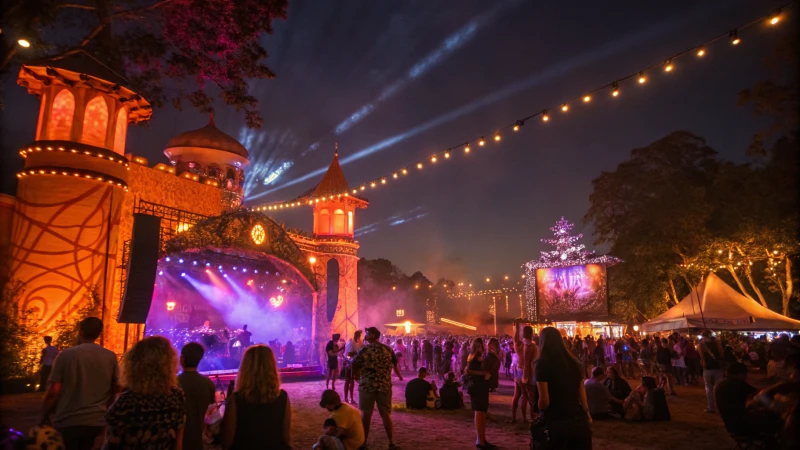
Crafting a magical feeling at a festival depends on matching the light design with the theme. Trust me, lights that move together with the event's story change the whole experience. Let's discover how to achieve this!
Grasp the main idea of your festival's theme. Use colors that match well together. Include textures and patterns for variety. Use intelligent lighting technology. Follow practical steps in your design.
Understanding Your Festival's Theme
Always start with the festival's theme when planning lighting. Focus on the festival's spirit, not just colors and bulbs. I remember working on a lively cultural event. We captured tradition and community in every light beam.
Each festival has its own story. A lively music festival features energetic, synced lighting, while a calm art festival benefits from soft, ambient tones. Lighting should reflect the event's story. Truly.
Color Palettes and Lighting
Color is crucial as it sets the mood. Designing festival lighting involves thinking about how colors affect emotions.
| Theme | Suggested Lighting Colors |
|---|---|
| Cultural Heritage | Warm tones (reds, oranges) |
| Eco-Friendly | Greens and earth tones |
| Futuristic | Blues and purples |
| Retro | Neon colors |
An important fact: colors do affect emotions. I once tried using color theory at a festival. The right colors lifted the whole atmosphere—like a warm hug from lights!
Textures and Patterns in Lighting
Textures and patterns add visual depth; they bring magic. I remember projecting traditional motifs during a cultural festival. It felt like wrapping the venue in heritage and stories—really amazing! These patterns connected with attendees, sparking conversations.
Synchronizing lights with live performances enhances the experience. Imagine a band playing while lights pulse with the beat! Mesmerizing.
The Role of Smart Lighting Solutions
Technology plays a big role in modern projects. Smart lighting systems have changed the game; they allow flexible adjustments to colors and brightness—especially during festivals when moods shift from day to night.
Start with warm, soft lights at sunset for a cozy feel, then transition to dynamic effects as excitement grows. The lighting should match the festival's changing vibe—truly.
Practical Implementation Steps
- Define the Theme: Understand the festival’s theme thoroughly to set clear goals for your lighting design.
- Design Mockups: Create mockups to picture how the lighting fits with other festival elements—a preview before starting for real!
- Test Lighting Effects: Test your setups in real spaces before the big day to see how they perform.
- Gather Feedback: Conduct focus groups with potential attendees to gauge their reactions to your lighting designs—connect with your audience!
- Finalize and Execute: On setup day, check that everything works perfectly before attendees arrive; that feeling when hard work pays off is unmatched.
Aligning lighting with your festival's theme is more than beauty; it creates lasting memories and experiences for everyone.
Lighting design should reflect the festival's core theme.True
Aligning lighting with the festival's theme enhances the immersive experience for attendees, making it more engaging and memorable.
Smart lighting systems are unnecessary for festivals.False
Incorporating smart lighting allows real-time adjustments, enhancing flexibility and responsiveness to changing festival atmospheres, making them highly beneficial.
What Budget Considerations Should You Keep in Mind for Festival Lighting?
Festival lighting involves balancing creativity and budget. This task can feel very difficult. Important budget considerations probably help craft a stunning festival experience without spending too much money.
Budgeting for festival lighting involves several key considerations. First, equipment rental costs demand attention. Labor expenses also form a major part of the budget. Logistics play a crucial role in organizing the event. Opt for energy-efficient options like LED lights to save costs. Set aside funds for unexpected expenses to keep things running smoothly. Budgeting really requires thorough planning.

Understanding the Basic Costs
I always remind myself about the basic costs when planning festival lighting. Understanding these costs helps me know where the money goes. It also allows smarter choices. Here's what I think about:
| Cost Element | Details |
|---|---|
| Equipment Rental | Rental of lights, stands, and generators. |
| Labor Costs | Hiring technicians for installation and management. |
| Logistics | Shipping and transportation costs for equipment. |
| Permits and Fees | Local permits for lighting installations. |
Understanding rental prices really helps when working out deals. One year, I saved a lot by contacting different suppliers before deciding.
Focusing on Energy Efficiency
I focus on energy efficiency not just for saving money but also for helping our planet. I care about sustainability. You might too! Think about:
- LED Lighting: It might cost more at first, but it saves money over time. These lights also last much longer than normal bulbs.
- Smart Controls: These systems adjust lighting depending on crowd size or mood. They use energy wisely and make our lives simpler. If interested, explore these energy-saving tips2.
Preparing for Unexpected Costs
Festivals often surprise us. I always keep a backup fund. This is usually 10-15% of my total budget for lighting to cover unexpected expenses such as:
- Repairs or replacements for equipment at the last minute.
- Extra workers when plans suddenly change.
- More power if the crowd is bigger than expected.
Comparing Lighting Choices
Picking the right lighting can really enhance a festival while keeping costs low. Here's a quick comparison I often use:
| Lighting Type | Cost per Unit | Lifespan | Best Use Case |
|---|---|---|---|
| LED Lights | $50-$200 | 50,000 hours | General illumination |
| Incandescent Lights | $5-$20 | 1,000 hours | Accent lighting |
| Moving Heads | $500-$2,000 | 10,000 hours | Dynamic shows and events |
By looking at the costs vs. benefits3 of each option, I've managed to stretch my budget while maintaining a great display. The balance is key!
Building Supplier Relationships
Strong ties with suppliers are very important as they affect your budget greatly! Here's what I received:
- Discounts on large purchases or rentals.
- Early access to new lighting technologies that can greatly enhance the festival.
- Better deals for returning or fixing equipment.
Finding reliable suppliers is essential; I usually search through LinkedIn or attend international events to meet them.
Conclusion
There you have it! Managing your festival lighting budget doesn't have to be stressful. When you understand costs, focus on energy savings, prepare for the unexpected and build strong supplier ties, you can create a memorable festival without spending all your money. Let's light up those festivals with both creativity and care!
LED lights are more cost-effective than incandescent lights.True
LED lights, despite higher upfront costs, save money long-term due to lower energy consumption and longer lifespan.
A contingency fund is unnecessary for festival lighting budgets.False
Allocating a contingency fund is crucial as unexpected expenses frequently arise during festival planning and execution.
How Do You Ensure Safety and Compliance with Lighting Equipment at Events?
I have spent many years in the lighting industry. Safety and rules are more than just tasks to complete. They create a space where everyone enjoys the event without worry. Let’s explore ways to achieve that together!
For safety and proper lighting equipment use at events, conduct thorough risk assessments. Perform regular equipment checks. Train staff adequately. Follow relevant safety regulations. Staff training is very important.

Understanding the Importance of Safety and Compliance
Safety and following rules with lighting equipment matter deeply to me. I recall my first major event as a lighting technician. I felt nervous because good lighting could either improve the event or cause accidents. Watching everything come together safely filled me with pride. This is not just about following rules; it’s about keeping people safe and creating unforgettable events.
Conducting Risk Assessments
I always start with a thorough risk assessment. This step is not just a routine task. It involves spotting potential dangers with lighting equipment, such as electrical issues and fire risks. I document all findings carefully. Here’s my usual focus:
- Equipment checks: Every light must function correctly.
- Site inspections: Walk through the venue to find any environmental risks.
I usually find tables useful for organizing my findings clearly:
| Risk | Likelihood | Impact | Mitigation Strategy |
|---|---|---|---|
| Electrical Shock | High | Severe | Use insulated tools and PPE. |
| Fire Hazard | Medium | Severe | Maintain safe distance from flammable materials. |
| Trip Hazards | Low | Moderate | Secure cables and use mats. |
Equipment Checks and Maintenance
Regular checks on lighting equipment are very important for following safety standards. I spend time on:
- Visual inspections to catch any signs of damage.
- Functional tests to check reliability during events.
A log of these activities keeps me organized and offers proof of compliance.
Training and Protocols
Training the team on safety rules is a priority. Workshops on using equipment and emergency actions are crucial. During an incident, a team member's confidence from training made a big difference. A prepared team reduces accidents and is more likely to follow safety rules.
Adhering to Safety Regulations
Knowing local and national safety rules has saved me many problems. Important rules I watch include:
- Electrical safety codes
- Occupational Safety and Health Administration (OSHA) standards
- Fire safety regulations
For those curious, I suggest looking at resources like safety guidelines4 and OSHA standards5.
Implementing Smart Lighting Solutions
I support using smart lighting systems. They greatly improve safety by allowing remote control and monitoring. They simplify my work. With smart systems, I adjust lighting based on real-time needs. I can also automate emergency lighting plans if power fails. It’s thrilling to see technology improve safety measures at events. If you're curious about how these systems work, explore more about smart lighting benefits6.
In the end, safety and compliance with lighting equipment are not just tasks; they are commitments to creating enjoyable experiences for all involved.
Regular equipment checks prevent accidents at events.True
Conducting regular equipment checks ensures that all lighting systems function properly, reducing the risk of malfunctions and accidents during events.
Smart lighting solutions enhance event safety.True
Implementing smart lighting systems allows for real-time adjustments and automated emergency responses, significantly improving safety compliance at events.
Conclusion
Effective lighting design enhances music festivals by aligning with performances, ensuring energy efficiency, and engaging audiences, creating memorable experiences through tailored visual displays.
- Discover tailored lighting solutions that fit your event's music genre for an unforgettable experience. ↩
- Explore this resource for innovative energy-saving techniques tailored to festival lighting setups, helping you reduce costs without compromising quality. ↩
- Gain access to comparative analysis of different types of festival lighting and their respective costs and benefits to make informed purchasing decisions. ↩
- Discover essential strategies for maintaining safety and compliance in your lighting setups at events. ↩
- Learn about the latest regulations affecting event lighting equipment to keep your events safe and compliant. ↩
- Explore how smart lighting solutions can enhance safety measures at events through automation and remote management. ↩