
Choosing the right LED stadium lights can feel overwhelming, but getting it right makes all the difference.
When purchasing LED stadium lights, consider lumen output for brightness, energy efficiency, durability (IP65 or higher), color temperature (4000K-6000K), and smart control features for better energy management and performance..
When I first faced the task of choosing stadium lights, I remember the dizzying array of options. It was like trying to pick the perfect outfit for a big event—each choice had its own pros and cons. Understanding these key factors helped me navigate through the choices. Each element, from brightness to smart controls, played a crucial role in creating a well-lit, energy-efficient environment. As I dove deeper into each factor, I realized how they interconnect to ensure not just a bright stadium but also a smart, efficient one. This journey taught me that a bit of knowledge goes a long way in making informed decisions.
LED stadium lights have high lumen output for brightness.True
High lumen output ensures sufficient brightness for visibility.
Smart control options are unnecessary for LED stadium lights.False
Smart controls enhance functionality and efficiency of lighting systems.
Why is Lumen Output Crucial for Stadium Lighting?
Ever wondered why some stadium lights make night games look like day? It's all about lumen output!
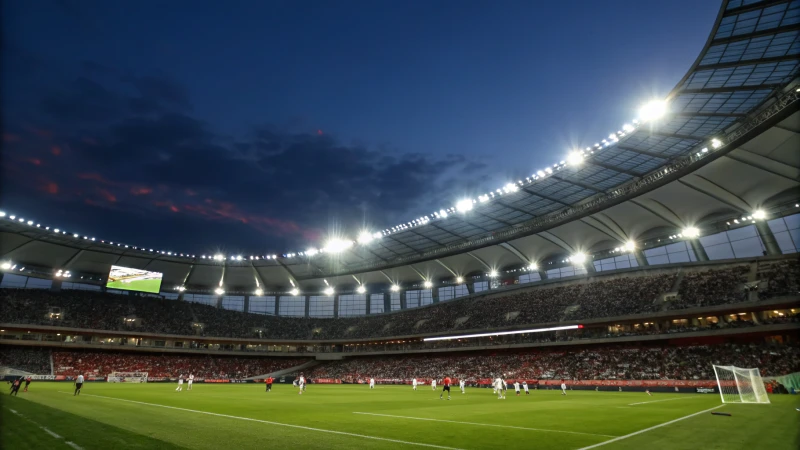
Lumen output in stadium lighting directly affects the brightness and clarity of the field, crucial for both players and spectators. High-lumen lights illuminate expansive areas effectively, balancing the need for visibility with energy efficiency.
Understanding Lumen Output
Imagine being at a night game, the excitement in the air as players dart across the field. Now, picture trying to follow that action with poor lighting—it’s just not the same. Lumen output measures how much light is emitted, and in stadiums, this is essential for clear visibility. High lumen levels mean players can see every pass, and spectators can enjoy the game without missing a beat.
Balancing Brightness and Energy Efficiency
I remember when we upgraded to LED technology1 in our stadium project. The transition was remarkable—these LEDs pack a powerful punch with their high lumen-to-watt ratio. We managed to keep the field brightly lit without causing a spike in energy costs, which was a win-win for everyone involved.
| Type of Light | Lumens per Watt | Energy Efficiency |
|---|---|---|
| Traditional | 15-25 | Low |
| CFL | 50-70 | Moderate |
| LED | 80-100+ | High |
Impact on Player Performance and Spectator Experience
Proper lighting does more than just brighten up a field. It boosts player performance by reducing shadows and enhancing visibility. For fans, it transforms the viewing experience into something vibrant and safe—no more worrying about tripping on unseen steps or missing key plays due to dim lighting.
Considerations for Installation
When selecting lighting systems for stadiums, it’s vital to consider not just lumen output but also energy efficiency and durability. I’ve learned that choosing lights with an IP65 rating ensures they’re up for any weather challenge. Plus, integrating smart controls can streamline lighting schedules2, making sure the lights are only on when needed.
The Role of Color Temperature
Color temperature is another key factor. Imagine being able to see every jersey color and play detail vividly—this is what a cool white temperature (4000K-6000K) with a high Color Rendering Index (CRI) offers. It’s like upgrading from an old TV to high-definition; everything just pops! Combining high lumen output with these features makes for an unmatched experience.
LED lights offer high energy efficiency in stadiums.True
LED lights provide high lumens per watt, ensuring brightness efficiently.
Traditional lighting has higher energy efficiency than LED.False
Traditional lights have lower lumens per watt compared to LED lights.
Why Is Energy Efficiency Important for Stadium Lights?
Imagine the thrill of a night game under the dazzling lights—without the guilt of skyrocketing energy bills.
Energy efficiency in stadium lights is crucial for cutting costs, promoting sustainability, and enhancing lighting quality. LED lights provide exceptional energy savings with their high lumen-to-watt ratios, offering durability and smart control features that revolutionize stadium lighting management.
Reducing Operational Costs
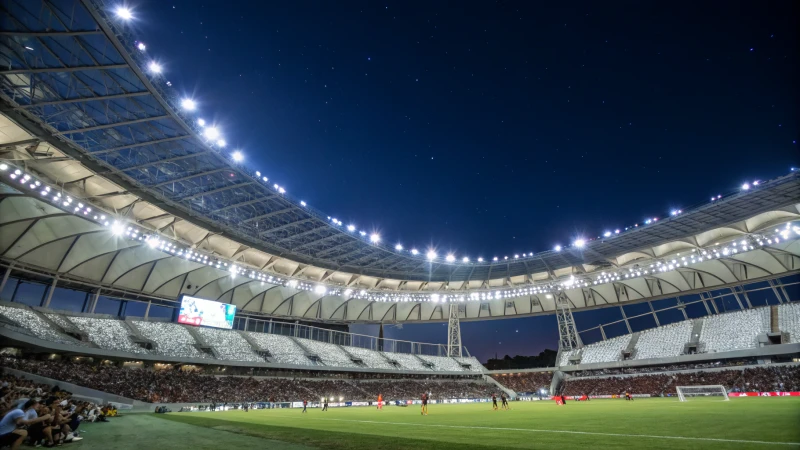
Picture this: a stadium bustling with fans, every corner lit up perfectly, yet you’re not dreading the electricity bill. That’s the magic of LED technology3! I remember being blown away when I first saw how LED lights, with their incredible lumen-to-watt ratio, could slash power consumption. It was like discovering a secret ingredient in my grandmother's famous pie recipe—everything just got better and more efficient.
Enhancing Sustainability
Switching to LEDs feels a bit like adopting a new pet—you’re doing something good, and it brings joy in unexpected ways. LEDs last longer than traditional bulbs, which means fewer replacements and less waste. They are free of toxic elements like mercury, aligning perfectly with eco-friendly practices4. I felt a sense of pride when I realized how these small changes make a massive difference in our environmental footprint.
Improving Lighting Quality
The vibrant visuals LEDs offer are something to behold. With adjustable color temperatures and a high Color Rendering Index (CRI), they transform the viewing experience into something spectacular. Implementing smart control options makes it feel like you’re conducting an orchestra, adjusting lighting schedules and intensities to create just the right ambiance. It’s an innovation that turns everyday tasks into opportunities for creativity.
| Feature | Benefit |
|---|---|
| High Lumen Output | Ensures sufficient brightness for large areas, improving visibility for both players and spectators. |
| Smart Control Options | Enables scheduling and remote management to optimize energy usage and maintenance management. |
| Durability and Weather Resistance | Robust materials and waterproof ratings ensure long-lasting performance in outdoor conditions. |
Adopting Smart Control Systems
In today's tech-savvy world, having lighting systems that can dim or adjust based on events or natural daylight is not just smart—it’s essential. I remember the first time I integrated a smart system; it was like switching from a flip phone to a smartphone. Everything became easier and more efficient, optimizing energy use precisely when needed. Explore options for smart lighting systems5 to enhance operational efficiency while making you feel like a tech wizard.
In conclusion, while this is just a snapshot of what's possible, it’s clear that energy-efficient lighting is more than just a trend—it’s a smart investment for any stadium operator. It aligns with ecological goals while delivering operational and financial benefits that are impossible to ignore.
LEDs reduce stadium lighting costs by 50%.False
LEDs can lower costs but not necessarily by 50% universally.
LED lights improve stadium sustainability.True
LEDs use less energy and last longer, reducing waste.
What makes a stadium light durable and weather-resistant?
Ever wondered why stadium lights can withstand harsh weather while illuminating your favorite games flawlessly?
Stadium lights are durable and weather-resistant thanks to sturdy materials like aluminum housing, waterproof ratings of IP65 or higher, and advanced sealing technologies that shield them from environmental elements.
%[Modern outdoor stadium illuminated by LED lights at dusk]
Material Composition: The Backbone of Durability
You know, one of my earliest projects involved upgrading the lighting in a massive outdoor stadium. I remember being blown away by the resilience of aluminum6. Not only is it lightweight, making installation a breeze, but it’s also incredibly corrosion-resistant. This quality alone significantly extends the lifespan of the lights.
A table comparing different materials used in stadium lighting:
| Material | Pros | Cons |
|---|---|---|
| Aluminum | Lightweight, corrosion-resistant | Higher cost |
| Steel | Strong, durable | Prone to rust |
| Polycarbonate | Impact-resistant | Less durable over time |
Waterproof Ratings: A Shield Against the Elements
I recall a time when a sudden downpour hit right in the middle of an installation. Talk about stressful! But those IP65-rated7 lights stood their ground, handling the rain like champs. They’re designed to resist water jets and dust, ensuring the game goes on, rain or shine.
Sealing Technology: Keeping Everything Intact
In one particularly humid location, I saw first-hand how silicone gaskets and rubber seals made all the difference. They prevented moisture from sneaking in, protecting the sensitive internal components and helping the lights last longer.
LED Technology: The Engine of Efficiency
I’ve switched out enough old bulbs to appreciate modern LED technology8. LEDs are built to last—up to 50,000 hours or more—without the frequent burnout issues seen in traditional lighting. They’re also much more vibration-resistant, perfect for busy venues.
Thermal Management: Preventing Overheating
A project in a hot climate taught me how crucial thermal management is. Heat sinks crafted from high-grade materials were lifesavers, efficiently dissipating heat and keeping everything running smoothly. It was fascinating to see how they helped maintain optimal performance over time.
Thinking about all these aspects can truly aid stakeholders in making savvy decisions about stadium lighting that can brave various weather challenges. And if you’re keen on taking it a step further, exploring smart control options9 can boost efficiency and functionality even more.
Aluminum housing is lightweight and corrosion-resistant.True
Aluminum is known for being both lightweight and resistant to corrosion.
IP65 rating ensures protection against water jets only.False
IP65 rating protects against dust ingress and water jets from any direction.
How Do Smart Controls Enhance LED Stadium Lights?
Remember that electrifying moment at a game when the lights perfectly match the atmosphere?
Smart controls transform LED stadium lights by offering real-time adjustments, boosting energy efficiency, and enabling captivating lighting effects. They allow for remote management, scheduling, and customization to meet the unique demands of each event.

Real-Time Adjustments for Dynamic Events
There was this one time I attended a night soccer game, and as the game heated up, the lights seemed to dance with the energy of the crowd. That’s the magic of smart controls. They allow stadiums to adapt lighting seamlessly to any event’s rhythm. Imagine lights that sync with music or adjust to highlight key moments in a game or concert, creating an unforgettable atmosphere.
These systems can synchronize lights with music or event sequences, adding dramatic visual effects10.
Energy Efficiency and Cost Savings
I recall a project where the energy bills were staggering until we introduced smart lighting systems. These systems use sensors and automation to optimize energy use—adjusting brightness based on natural light or event needs—resulting in significant savings. It's like having an eco-friendly assistant who makes sure you're not wasting energy or money, supporting sustainability goals like reducing carbon footprints.
| Feature | Benefit |
|---|---|
| Dimming | Reduces power usage |
| Scheduling | Ensures lights are only on when needed |
| Remote Access | Allows for off-site management |
Enhanced Operational Management
Imagine managing stadium lights from your phone, even if you’re miles away. Smart controls make this possible, simplifying operations and enabling quick responses to maintenance or sudden event changes. Integration with building management systems further eases operations by offering centralized control over all utilities.
With remote management capabilities, stadium operators can control lighting systems from anywhere. This not only simplifies operations but also allows for quick responses to maintenance issues or sudden changes in event schedules.
Customization for Spectator Experience
Picture a stadium where lighting is as much a part of the game as the players themselves. With smart controls, you can customize lighting patterns and colors to reflect team colors or event themes. Such creativity not only enhances the spectator experience but also makes each event unique. All it takes is a click to transform the environment into something truly special.
LED stadium lights equipped with smart controls offer unmatched customization. Lighting patterns and colors can be tailored to align with team colors or event themes, enhancing the overall experience for spectators.
Discover more about how smart controls impact lighting11 across various settings to see how these technologies extend beyond just stadiums.
Smart controls can synchronize lights with event music.True
Smart systems allow lighting to sync with music, enhancing events.
LED stadium lights cannot be controlled remotely.False
Smart controls enable remote management of LED stadium lights.
Conclusion
When buying LED stadium lights, consider lumen output, energy efficiency, durability, color temperature, and smart controls to ensure optimal brightness and performance for both players and spectators.
- Discover how LED technology provides energy-efficient solutions with high lumen output for stadiums. ↩
- Explore how smart lighting controls can optimize energy use and maintenance for stadium lighting. ↩
- Discover how LEDs provide cost-effective brightness and energy savings in stadiums. ↩
- Learn about sustainable lighting solutions that minimize environmental impact. ↩
- Explore how smart systems enhance lighting efficiency and management. ↩
- Learn about aluminum's advantages in enhancing light durability and corrosion resistance. ↩
- Understand why IP65 is crucial for outdoor lighting to withstand harsh weather. ↩
- Discover how LED technology contributes to longer-lasting and efficient stadium lights. ↩
- Explore how smart controls optimize energy use and light management. ↩
- Learn how smart controls sync lighting with event sequences for dynamic visuals. ↩
- Explore how smart controls enhance operational efficiency in different settings. ↩