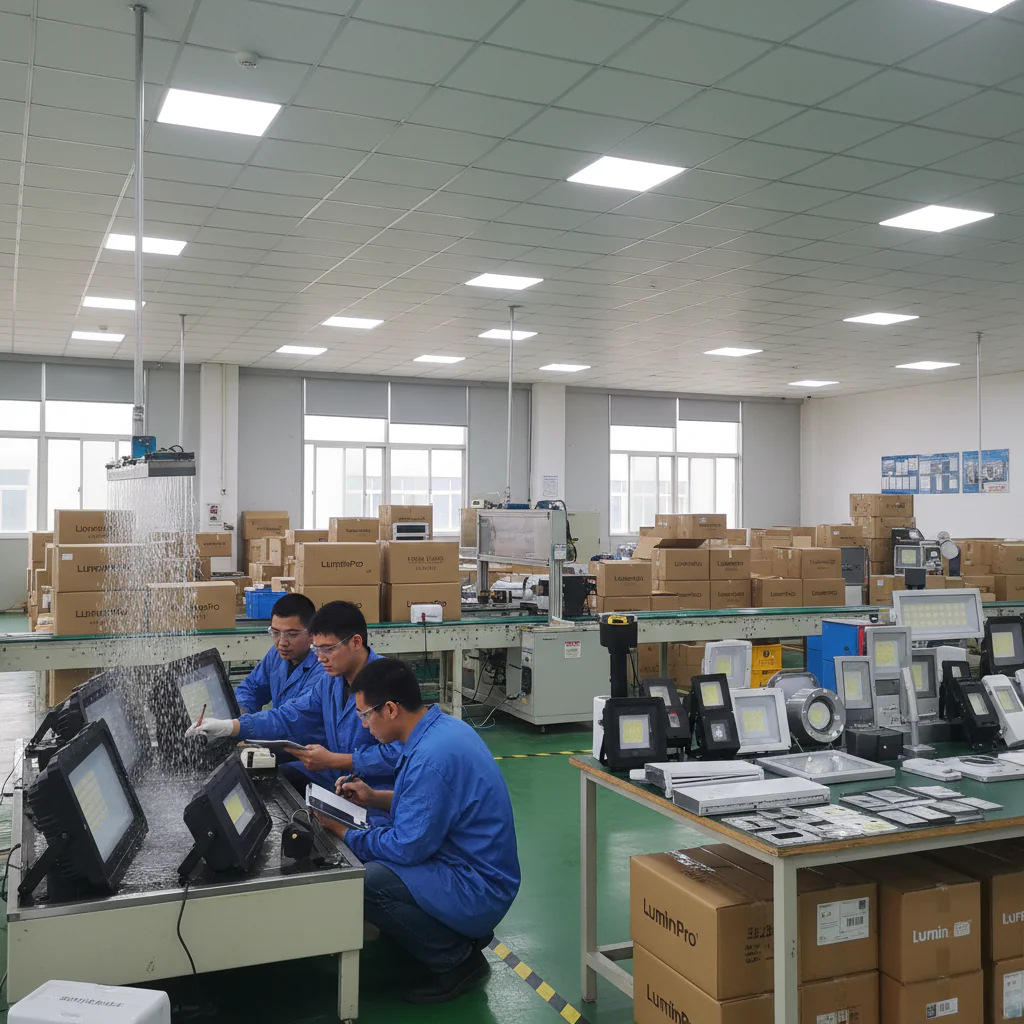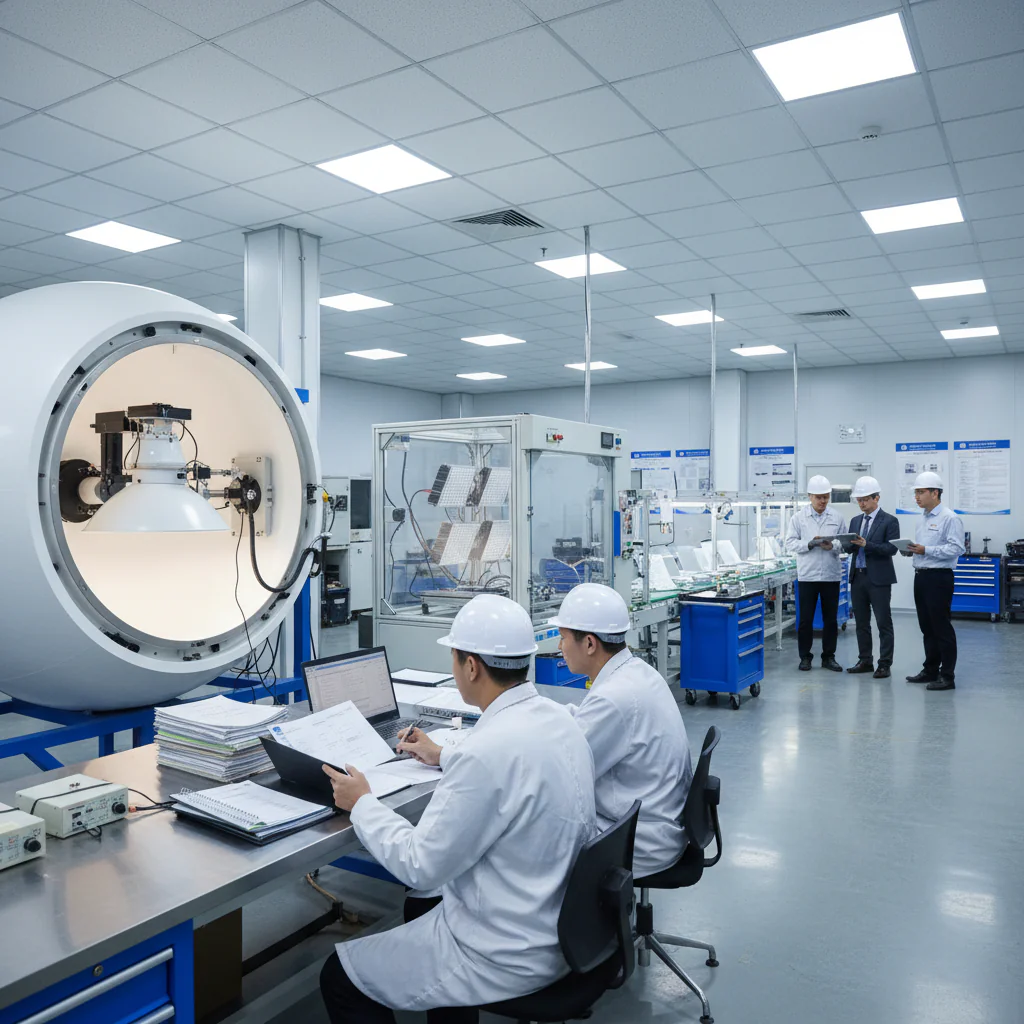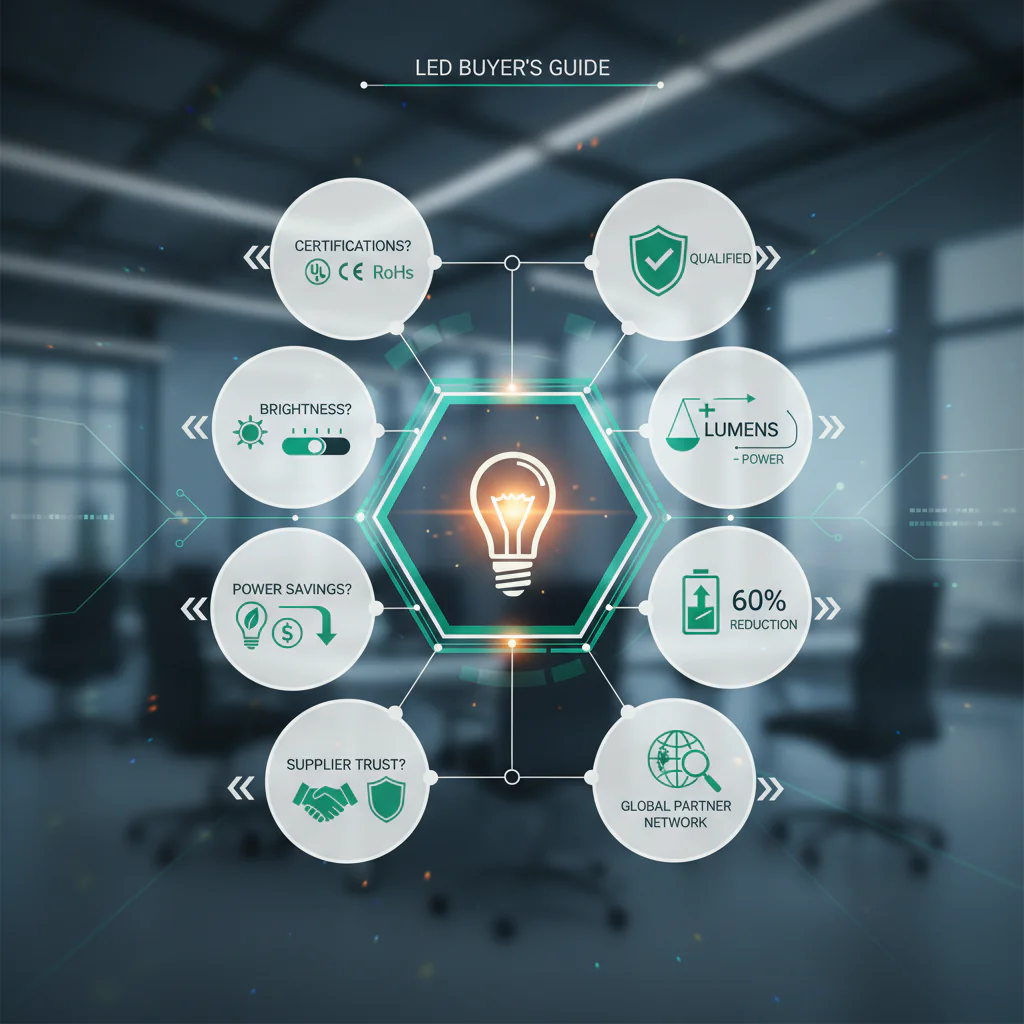

Ever wondered how those glowing LED strip lights make it from the factory to your living room? Let’s unravel that mystery together.
The manufacturing process for LED strip lights involves stages like substrate preparation, LED chip mounting, soldering, and encapsulation, ensuring durability and consistent light output. Rigorous quality control throughout maintains high standards.
I remember visiting a bustling factory floor where precision and technology danced together, crafting these sleek, glowing ribbons. Each step, from mounting tiny LED chips onto substrates to the meticulous soldering, felt like watching an orchestra tuning up for a symphony. The encapsulation process was like sealing a secret, ensuring each strip withstands the test of time. Quality checks were no less than a hawk-eyed inspector at an art gallery, guaranteeing every piece met high standards before leaving the production line. This intricate choreography is what makes LED strip lights not just a source of light, but a testament to meticulous craftsmanship.
LED strip lights use LED chips for illumination.True
LED chips are the primary light source in LED strip lights.
Quality control is optional in LED strip light manufacturing.False
Quality control is essential to ensure high standards and efficiency.
How are LED Chips Mounted on the Strip?
Ever wondered how those twinkling LED strips in your home come to life? Let’s uncover the magic behind mounting LED chips on strips.
LED chips are mounted on strips using Surface Mount Technology (SMT). This process involves automated machines placing chips onto a printed circuit board (PCB), ensuring precision and efficiency in production.
%[Close-up of a circuit strip with LED chips]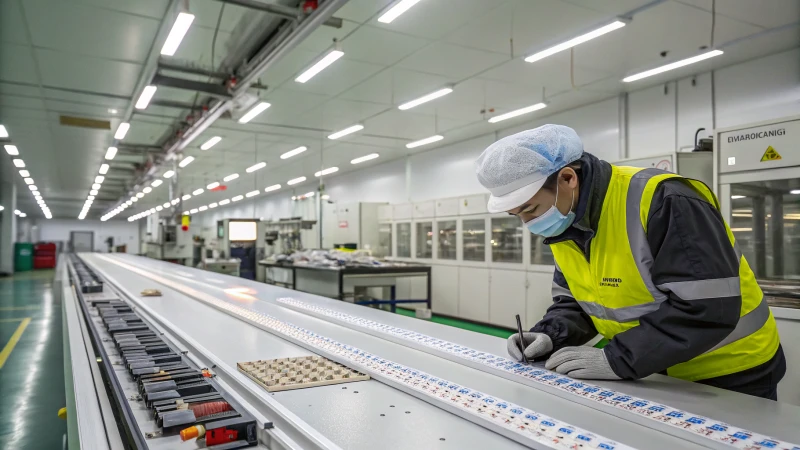
Understanding Surface Mount Technology
I remember the first time I saw an LED strip being made; it was like watching a symphony of technology. The main performer here is Surface Mount Technology (SMT). This amazing process uses automated machinery1 to carefully place tiny LED chips onto a printed circuit board (PCB). SMT is like that reliable friend who always gets things right—it's precise and streamlines mass production, making those LED strips affordable yet high-quality.
| Advantages of SMT |
|---|
| High precision |
| Efficient production |
| Cost-effective |
| Consistent quality |
The Role of Printed Circuit Boards
Think of PCBs as the backbone of your favorite book—without them, the story just doesn’t hold together. Printed circuit boards provide essential structural support and electrical connections for LED chips. Made from sturdy materials like fiberglass or aluminum, PCBs have copper traces etched into them, creating pathways that ensure each LED chip shines its brightest.
The Process of Placing LED Chips
Picture this: a thin layer of solder paste is spread over the PCB like butter on toast, marking where components will sit. Then, an automated pick-and-place machine2 gracefully positions each LED chip onto the paste. Once everything’s in place, the board takes a trip through a reflow oven where heat seals the deal, permanently securing the chips.
Ensuring Quality and Longevity
After mounting, these strips undergo rigorous testing to ensure they shine as promised. It’s like sending your kids off to school—they’ve got to pass those tests! Factors such as light output, color accuracy, and thermal management are assessed. High-quality LED strips often have a protective coating to fend off environmental foes like moisture and dust, ensuring they light up your life for years to come.
For instance, high-CRI (Color Rendering Index) applications, where color accuracy is crucial, benefit from enhanced phosphor coatings3 that boost both color rendering and durability.
Understanding these processes is crucial for anyone diving into lighting projects. Whether you're an industry professional or just someone like me tinkering at home, knowing how these components come together helps you make informed decisions and maybe even appreciate those glowing strips a little more.
SMT is the only method for mounting LED chips.False
While SMT is common, other methods exist like COB (Chip on Board).
PCBs provide structural support for LED chips.True
PCBs offer both structural support and electrical connections for LEDs.
What Materials Make LED Strip Lights So Effective?
Ever wondered what makes LED strip lights shine so brightly and last so long?
LED strip lights are crafted from a mix of semiconductor materials, substrates, and encapsulants. The essential components include LED chips, flexible circuit boards, resistors, and adhesives, all working together to ensure top performance and longevity.

I remember the first time I had to choose LED strip lights for a project; I was baffled by all the technical terms. But once I understood the basics, it was like a light bulb—pun intended—went off in my head.
Semiconductor Materials
The heart of any LED strip is the LED chip, made from semiconductor materials like gallium arsenide, gallium phosphide, or gallium nitride. These little chips are the unsung heroes, efficiently converting electricity into light.
- Gallium Arsenide (GaAs): This is often used for infrared LEDs.
- Gallium Phosphide (GaP): Perfect for producing green or red light.
- Gallium Nitride (GaN): The go-to for blue and white LEDs.
Flexible Circuit Board
Think of the flexible circuit board4 as the backbone of an LED strip. It’s usually made from copper clad laminate and is designed to connect everything electrically while being flexible enough for various uses.
| Material | Properties |
|---|---|
| Copper | Conductive and flexible |
| Polyimide | High temperature resistance |
Encapsulation and Adhesives
Encapsulation plays a crucial role in protecting those LED chips while enhancing light output. Materials like silicone and epoxy are used because they’re transparent and durable.
- Silicone: Known for its flexibility and UV resistance.
- Epoxy: Offers strong adhesion and clarity.
Additional Components
When I first learned about resistors, they seemed like tiny little soldiers, regulating current to ensure everything works smoothly. Resistors are typically made of carbon film or metal oxide for effective heat management.
Resistors
- Carbon Film: Budget-friendly but not great in high temperatures.
- Metal Oxide: Offers better thermal stability for more demanding environments.
Understanding these materials really helped me assess the quality and suitability of different LED strips. And if you're curious about LED manufacturing processes5 or innovations, there are plenty of resources online to explore.
Environmental Considerations
I’ve seen how manufacturers are increasingly using eco-friendly materials to minimize environmental impact. For instance, lead-free soldering is becoming more common to cut down on hazardous waste. Companies also favor recyclable materials6 to align with sustainable practices.
Getting to know these materials better has helped me make informed decisions that balance performance, sustainability, and cost-effectiveness for various lighting needs.
Gallium phosphide is used in blue LEDs.False
Gallium phosphide is used for green or red LEDs, not blue.
Copper is used in LED strip circuit boards.True
Copper provides conductivity and flexibility in circuit boards.
How Does Encapsulation Affect LED Strip Performance?
Ever wondered why your LED strip lights last longer than others? It might be the magic of encapsulation!
Encapsulation impacts LED strip performance by shielding LEDs from external elements, enhancing durability and efficiency. It improves thermal management, protects against moisture, and influences light diffusion and color quality.

Understanding Encapsulation in LED Strips
I remember the first time I installed LED strips in my home office; I was amazed at how they transformed the space. But I quickly learned that not all LED strips are created equal—especially when it comes to durability. That's where encapsulation comes into play. Encapsulation is like giving your LED strips a superhero cape, offering a protective layer against external factors like dust and moisture. Materials like silicone, epoxy, or polyurethane wrap around the LEDs7, ensuring they stand strong against environmental challenges.
| Material | Properties | Ideal Use Scenarios |
|---|---|---|
| Silicone | Flexible, UV-resistant | Outdoor installations |
| Epoxy | Rigid, high thermal stability | Indoor applications |
| Polyurethane | Abrasion-resistant | Industrial environments |
Impact on Thermal Management
One afternoon, after leaving my office lights on for hours, I noticed they were barely warm to the touch. That's the power of good encapsulation! It helps with thermal management by dissipating heat away from the LEDs. This not only prevents overheating but also ensures that your LED strips continue to shine brightly for years to come.
Protection from Moisture and Dust
Imagine setting up a beautiful outdoor patio with LED lights only to find them malfunctioning after the first rain. Encapsulation prevents such nightmares by shielding LEDs from moisture ingress, a common culprit of electrical failures. Silicone, for example, is perfect for weather-resistant applications, keeping those outdoor spaces lit come rain or shine.
Influence on Light Diffusion and Color Quality
I've seen how different encapsulation materials can change the ambiance of a room. The thickness and clarity of the encapsulation material can enhance or soften light diffusion. A thicker layer may create a gentle glow perfect for relaxing spaces, while a clearer material keeps colors vivid and true to life—ideal for workspaces or art displays.
Material Choices and Their Effect on Performance
Choosing the right encapsulation material can make or break your lighting project. For instance, while epoxy offers excellent rigidity and thermal stability, it's not as flexible as silicone, which is great for areas requiring bending or UV resistance. Always consider where you plan to use your LED strips to ensure optimal performance and longevity.
Silicone is ideal for indoor LED strip installations.False
Silicone is UV-resistant and flexible, making it ideal for outdoor use.
Epoxy provides high thermal stability for LED strips.True
Epoxy is known for its rigidity and high thermal stability, suitable indoors.
How Do Quality Control Measures Guarantee Reliability?
I remember the first time I realized just how crucial quality control is, not just in theory but in everyday life. It's the backbone of reliability, ensuring that what we create and deliver is consistent and trustworthy.
Reliability in quality control is built on rigorous internal assessments, proficiency testing, comprehensive staff training, and strict adherence to industry standards. These components collaboratively maintain product consistency and enhance consumer trust.

Internal Assessments: A Cornerstone of Reliability
You know those moments when you double-check something, just to be sure? That's essentially what internal assessments are like. Regular audits within the company keep everything in line with our quality standards8. By systematically reviewing processes and product samples, I can spot discrepancies early on. This proactive approach helps us avoid costly recalls and keeps our customers happy.
Proficiency Testing: Ensuring Competence
I once met a colleague who described proficiency testing as a "reality check" for both staff and equipment. It’s like having a benchmark to ensure we’re all on the same page. Comparing results against industry standards means I can identify where additional training might be needed. This ongoing process supports continuous improvement and ensures reliability through a proactive approach9.
Staff Training: Building a Skilled Workforce
There’s nothing quite like the confidence of knowing your team is well-prepared. Ongoing training keeps everyone up to speed with the latest quality control techniques and technologies. Well-trained employees can spot potential issues before they escalate, safeguarding our reputation. I believe a structured training program10 is crucial for aligning everyone with our quality objectives.
Adherence to Industry Standards
Following industry standards such as ISO 9001 or GMP is non-negotiable in my book. These frameworks ensure consistent product quality and safety. Tools like checklists or compliance software make this process more efficient, helping us stay on track with our quality goals by monitoring compliance11.
The Role of Technology in Quality Control
Technology has revolutionized quality control measures in ways I couldn’t have imagined a decade ago. AI-powered inspection systems and real-time monitoring devices give us precise control over production processes. Embracing these technologies not only improves accuracy but also boosts efficiency, minimizing human error. It's fascinating how technology integration12 can elevate quality control to new heights.
| Quality Control Measure | Importance | Benefits |
|---|---|---|
| Internal Assessments | Consistency Assurance | Early Issue Detection |
| Proficiency Testing | Staff Competence | Continuous Improvement |
| Staff Training | Skill Enhancement | Proactive Issue Prevention |
| Adherence to Standards | Compliance Maintenance | Framework for Quality Assurance |
| Technology Utilization | Enhanced Precision | Reduced Human Error |
Internal audits prevent costly recalls.True
Regular internal audits identify discrepancies early, allowing corrective actions to prevent recalls.
Technology integration reduces human error.True
AI and real-time monitoring enhance precision, minimizing the chance of human error.
Conclusion
The manufacturing process of LED strip lights includes substrate preparation, chip mounting via SMT, soldering, encapsulation for durability, and rigorous quality control to ensure high performance and longevity.
Learn about SMT and its role in efficient, precise LED chip placement on circuit boards. ↩
Discover how automated machines position LEDs with precision on PCBs. ↩
Explore how phosphor coatings enhance color accuracy and durability in LEDs. ↩
This link explains the composition and benefits of using flexible circuit boards in electronics. ↩
Discover the detailed manufacturing process of LED strip lights and how each material is used. ↩
Learn about sustainable practices in LED manufacturing and the recyclable materials involved. ↩
This link explains the concept of encapsulation in LEDs, including its benefits and applications across various environments. ↩
Internal audits are vital for maintaining quality standards by identifying discrepancies early and implementing corrective actions. ↩
Proficiency testing helps in identifying areas for improvement, ensuring ongoing competence among staff. ↩
Structured training programs align employees with quality objectives, improving problem detection and prevention. ↩
Using compliance checklists streamlines adherence to standards, ensuring consistent product quality. ↩
Technology integration improves accuracy and efficiency in quality control, reducing human error. ↩
Topic cluster context
What is the Manufacturing Process for LED Strip Lights?
This guide supports the LED Strip & Linear OEM hub. Product, protocol, certification, ranking and performance claims remain subject to the evidence and compatibility checks stated in the article governance record.