
Do you sometimes think about how the lights in a room really change its whole atmosphere?
Magnetic track lighting systems use magnets to hold fixtures. This allows for easy adjustment. Installation flexibility is a big plus. These systems provide convenience. Non-magnetic systems usually have fixed track designs. They require more permanent fixture placement. Both types have unique benefits in aesthetics. Safety is another advantage. Installation processes differ as well.
I remember the first time I explored track lighting options for a project. I felt amazed by magnetic systems. They offered an almost magical way to shift and adjust lights without much trouble. This flexibility is perfect for when final decisions are tough! Non-magnetic tracks, on the other hand, provided reliability. They have a "set it and forget it" feeling. This ease is ideal for places needing consistency.
Now, you understand how these systems differ. Let's look at their individual advantages and challenges in more detail. This guide will really help you choose the system that fits your project needs and preferences.
Magnetic track systems allow easy fixture adjustment.True
Magnetic systems use magnets, making fixture adjustments simple.
Non-magnetic tracks require permanent fixture placement.True
Non-magnetic tracks often involve fixed designs, limiting adjustments.
What Are the Installation Differences Between Magnetic and Non-Magnetic Tracks?
Have you ever thought about how your choice of track lighting might transform your space? Different types of track lighting offer unique effects. These lights really alter the atmosphere. Bright track lights illuminate rooms vividly. Soft track lights create a cozy ambiance. Each style serves a unique purpose. Your space probably feels more inviting with the right lighting.
Magnetic tracks provide easy and tool-free installation. They suit spaces that change often. Non-magnetic tracks need tools and stay in one place. Decide if you need flexibility or a more permanent setup.

Flexibility vs. Stability
Simple design choices really affect how a space feels and works. I became curious about track lighting and noticed that magnetic tracks offer great flexibility. Adjusting your lights without using tools feels magical. Like chess, magnetic fixtures1 let you change layouts or moods easily.
But sometimes, you need stability and consistency, especially in a home office. Non-magnetic tracks remain solid and stable. You use screws or brackets to secure them firmly. These tracks suit places where you want everything to stay the same.
| Feature | Magnetic Tracks | Non-Magnetic Tracks |
|---|---|---|
| Installation Tools | Not required | Required |
| Fixture Adjustments | Easy and tool-free | Fixed once installed |
| Adaptability | High | Low |
Tools and Techniques
Setting up magnetic tracks in my last project was very easy. A few brackets or adhesive were all that I needed. Snapping fixtures in and out was simple. It reminded me of playing with building blocks as a child - everything clicks nicely.
In contrast, installing non-magnetic systems demanded more effort. A drill and screws were essential tools for precise planning. The process felt like solving a puzzle, getting everything perfect before finishing.
Aesthetic Considerations
Looks are really important in every project for me. Magnetic tracks give a sleek, minimalist style useful for modern spaces. They blend into surroundings seamlessly, highlighting the light itself.
Non-magnetic tracks have their own beauty. Their bulkier design is favorable for making a bold statement or adding a classic style. With different finishes, they match almost any decor, turning lighting into a key design element.
Discover more about the aesthetic impacts2 of these systems to find what fits your project.
Magnetic tracks require no installation tools.True
Magnetic tracks use adhesives or simple brackets, needing no tools.
Non-magnetic tracks are ideal for dynamic spaces.False
Non-magnetic tracks are stable and fixed, not suited for dynamic needs.
How Does Fixture Compatibility Vary in Track Lighting Systems?
Have you ever stood in a store aisle and felt overwhelmed by all the track lighting options? It's time to understand fixture compatibility. This way, you light up your space easily.
Track lighting uses different types of tracks꞉ H, J and L. Fixture compatibility depends on these track types and the fixture design. Match fixtures with the correct track type. Also, consider the voltage and how the fixture mounts.

Understanding Track Types
I remember the first time I wanted to change my office lighting. Who knew track lighting systems could be as confusing as a puzzle? The secret is in understanding track types. There are three main types: Suspendant-type, Recessed type, and Hanging -type. Here's a quick explanation:
- Suspendant type tracks are the most popular choice, can use direct surface of the ceiling.
- Recessed type tracks should use with Ceiling pre-built
- Hanging-type tracks can using with tracks with hangding accessories as pendant light style
Matching fixtures to the right track type is essential. Getting it right feels like finding the last piece of your puzzle. A helpful Track Type Guide3 really helps in this task.
Fixture Design and Compatibility
Choosing the right fixture is like picking the perfect shoes for an outfit; it must fit perfectly! Fixtures are made for specific track types, so alignment is important. I once chose a fixture that didn’t match my track, and it was a real mess.
- Voltage Requirements: Fixtures and tracks should use the same voltage level. Most home systems use 120V, while business ones might use up to 277V.
- Mounting Mechanism: Check if your fixtures have compatible brackets for mounting.
Compatibility Across Brands
Finding brand compatibility is like playing matchmaker. Not all fixtures work well together across different brands, which I learned the hard way. Some brands offer universal4 options, making everything simpler, but always check the specifications first.
| Brand | Track Type Compatibility | Universal Options |
|---|---|---|
| Philip | Recessed, Suspendant, Hanging | Yes |
| Besenled | Recessed, Suspendant, Hanging | Yes |
| CLIXX | Recessed, Suspendant | No |
Safety and Compliance
Safety is a priority. Always make sure that all components meet relevant certification standards5. I've seen projects stop because of non-compliance—a situation you should avoid.
Practical Tips for Fixture Selection
- Identify Your Track Type: Use a track identification guide6 to confirm your system.
- Check Manufacturer Specifications: Cross-check both tracks and fixtures.
- Consult Experts: When uncertain, talk to a lighting professional or customer support7.
Starting this lighting journey may seem scary at first—very true—but with the right knowledge and resources, it becomes a fun project of transforming spaces. Here's to lighting up your world with the perfect track lighting system!
H-type tracks have three contacts.True
H-type tracks are known for having three contact points.
All brands offer universal fixture compatibility.False
Not all brands provide universal compatibility; verify specifications.
What Are the Safety Considerations for Each Type of Track Lighting?
Do you ever think about safely brightening your area with track lighting?
Safety considerations for track lighting include correct installation. Choosing the right bulb types is important. Heat dissipation management is very crucial. Electrical safety codes should be followed. Different track types might need specific precautions for safe operation. Proper installation and bulb choice really help maintain safety.

Understanding Different Types of Track Lighting
The first time I entered a showroom packed with track lighting systems, it felt like exploring a maze of new ideas and potential. Track lighting comes in various forms, such as H, J, and L tracks. These names come from the shapes of their connectors. These setups may seem similar, but tiny details mean everything, especially for safety.
Installation Precautions
1. Electrical Load Capacity
I learned about load capacity through a tough experience. During one of my early projects, I misjudged the electrical load and nearly caused an overheat. Important lesson: the circuit must handle the lighting load.
| Track Type | Load Capacity Recommendations |
|---|---|
| Suspendant-Track | Up to 2400 watts |
| Recessed-Track | Up to 2400 watts |
| Hanging system | Up to 1200 watts |
Consulting a certified electrician8 is truly worth the cost to check wiring compatibility.
2. Proper Grounding
Proper grounding acts like a seatbelt - absolutely essential. It stops electrical shocks by ensuring grounding wires connect correctly during installation.
Bulb and Fixture Safety
1. Heat Management
Heat control matters greatly, especially when using halogen bulbs known for high heat. I remember a project where we replaced halogens with LEDs to lower heat risks.
| Bulb Type | Heat Emission | Recommended Use |
|---|---|---|
| Halogen | High | Open spaces |
| LED | Low | Enclosed areas |
Switching to LEDs can reduce heat risks9 while saving energy too.
2. Fixture Compatibility
Fixtures should match your track system not only for function but to avoid possible dangers from electrical or physical damage.
Compliance with Safety Standards
For compliance, I've always followed "better safe than sorry." In Canada, the CSA (Canadian Standards Association) certification shows products meet safety standards.
- Electrical Codes: Follow local rules for wiring and installation.
- Product Certifications: Seek CSA or similar certification on lighting items.
Considering these factors keeps projects both safe and efficient. Always check manufacturer guidelines and consult professionals to avoid issues in your track lighting setups like those found here10.
H-Track lighting supports up to 2400 watts.True
H-Track systems are designed to handle a maximum load of 2400 watts.
LED bulbs emit more heat than halogen bulbs.False
LEDs emit less heat compared to halogen bulbs, making them safer.
How Do Aesthetic and Design Options Compare?
Aesthetics and functionality in design must align for a successful experience. They should go together like notes in a melody. Every design journey needs harmony.
Aesthetic options center around visual beauty and sensory experiences. Design options, on the other hand, concentrate on practicality and ease of use. This comparison involves grasping their roles. Both aim to create balanced and successful solutions.
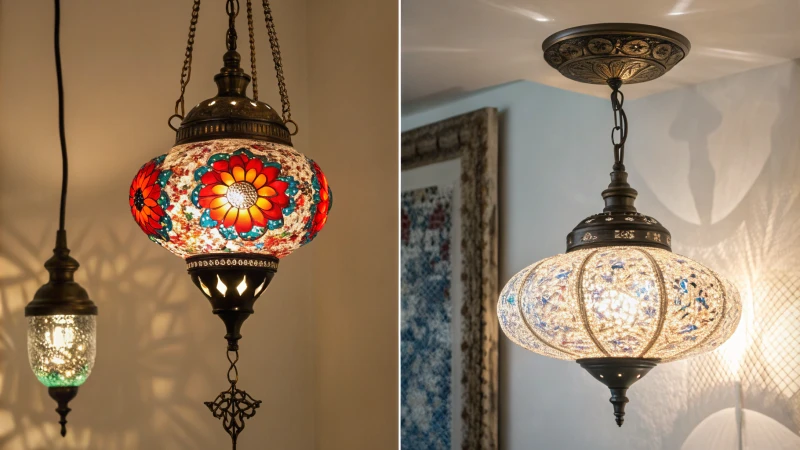
Understanding Aesthetics in Design
When I first started exploring the world of design, I found aesthetics fascinating. It involves creating a wow factor when someone sees your work. It's like dressing for a special occasion. You want to leave an impression. Choosing a lighting fixture involves thinking about how its modern look matches the style of a space. Its appearance should fit well with the environment.
Yet, I discovered that visual appeal is only one piece of the puzzle. Balancing aesthetics with practicality is crucial. Beauty should not hinder the useful function of the design.
The Role of Functionality in Design
Functionality serves as the backbone of any design project. It concerns how well something works in its intended role. I remember a project where a lighting system not only lit up the room beautifully but also improved its comfort. Every element should serve a purpose beyond just appearance.
Selecting LED lights is not only about energy savings; it involves ensuring they seamlessly fit into a sustainable design approach11. They should complement both form and function.
Comparing Aesthetic and Design Options
| Aspect | Aesthetic Focus | Functional Focus |
|---|---|---|
| Purpose | Visual & sensory experience | Practicality & usability |
| Considerations | Color, texture, form | Efficiency, durability, ease of use |
| Example | Choosing colors that evoke a certain emotion | Selecting materials for longevity |
Aesthetics might catch the eye, but functionality keeps a product relevant. In my experience, finding a balance is key to creating designs that are both attractive and effective.
Bridging Aesthetics and Functionality
Incorporating both aesthetics and functionality feels like solving a puzzle. Yet, achieving this is incredibly rewarding. I recall a project with smart lighting systems that offered customizable settings. This improved beauty and increased energy efficiency.
We created a solution that provided beauty and utility by focusing on both aesthetics and design functionality12. This showed how thoughtful design enhances user experience in commercial spaces. Balancing these elements presents challenges, yet this challenge makes designing fulfilling.
Aesthetics prioritize color and texture over functionality.True
Aesthetic design focuses on visual elements like color and texture.
Functionality in design ignores aesthetic appeal.False
Functionality considers aesthetics to ensure usability without sacrificing appeal.
Conclusion
Magnetic and non-magnetic track lighting systems differ in flexibility, installation, and aesthetics. Magnetic tracks allow easy adjustments, while non-magnetic tracks offer stability for consistent lighting setups.
Discover how magnetic fixtures facilitate easy and quick adjustments. ↩
Understand how each system impacts room aesthetics and complements decor. ↩
Provides a detailed comparison of track lighting types, aiding in identifying your current system. ↩
Lists brands offering universally compatible track lighting fixtures for easier selection. ↩
Covers necessary safety certifications for compliant and safe lighting installations. ↩
Guides you through the process of identifying the type of track lighting installed. ↩
Connects you with expert support for personalized guidance on fixture compatibility. ↩
Locate certified electricians who can ensure proper installation and compliance with safety standards. ↩
Understand how LEDs offer superior heat management compared to traditional bulbs, enhancing safety. ↩
Access comprehensive guidelines to ensure proper installation and safety compliance for track lighting systems. ↩
Explore how LED lighting supports eco-friendly designs by reducing energy consumption and enhancing sustainability. ↩
Understand how aesthetics and functionality interact and influence each other in design processes. ↩