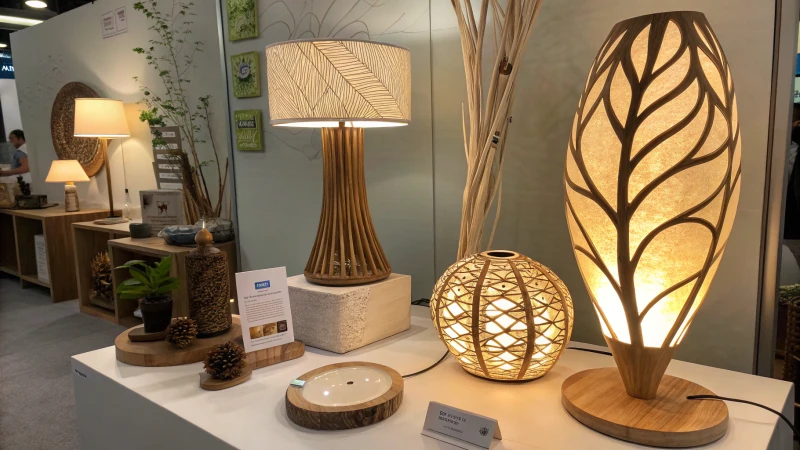
Ever walked into a room and felt instantly at ease or energized? That's the magic of great lighting.
In 2025, lighting trends are all about nature-inspired designs, smart customization, and eco-friendly materials. Expect fixtures with organic shapes, customizable smart systems, and sustainable sources like recycled glass. These trends aim to boost well-being and integrate tech seamlessly into your spaces.
Imagine coming home after a long day to lighting that adjusts to your mood or the time of day. That's the kind of personalization 2025 is bringing us. Not only does this innovation transform our spaces into calming retreats or energizing hubs, but it also aligns with a growing need for sustainability. Picture fixtures crafted from bamboo or jute, echoing the tranquility of nature, yet powered by smart technology that anticipates your every need. These trends aren’t just about aesthetics; they're about creating environments where style meets function effortlessly.
Smart lighting systems will dominate 2025 lighting trends.True
Smart technology integration is a key focus in 2025 lighting trends.
Traditional incandescent bulbs are the top trend for 2025.False
Eco-friendly and smart lighting systems are prioritized over traditional bulbs.
How Does Nature-Inspired Lighting Enhance Well-Being?
Have you ever noticed how stepping into a sunlit room instantly lifts your spirits?
Nature-inspired lighting enhances well-being by emulating natural light, which reduces stress and boosts mood. By integrating organic shapes, natural materials, and adjustable features, it creates calming spaces that promote mental and physical health.
The Science Behind Nature-Inspired Lighting
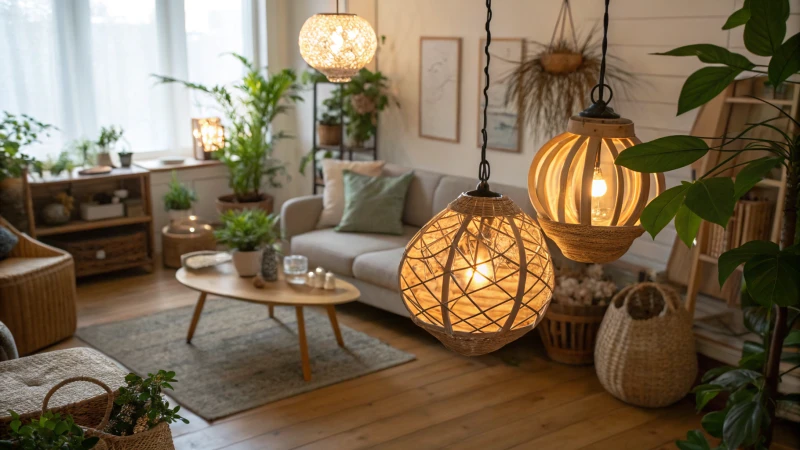
I remember the first time I swapped out my harsh overhead lights for nature-inspired ones. Suddenly, my home office felt less like a cubicle and more like a cozy corner of a sun-dappled forest. This isn't just a placebo effect; there's solid science behind it. Nature-inspired lighting taps into biophilic design principles, striving to bring the benefits of natural light indoors. Researchers have shown that exposure to natural light helps regulate our circadian rhythms and alleviate stress. It even boosts productivity—something I noticed firsthand when my afternoon slumps became far less frequent.
Materials and Design
The beauty of nature-inspired lighting is its commitment to using organic materials that resonate with our innate love for nature. I once chose a bamboo pendant light for my living room, and it completely transformed the space. Not only did it look great, but it also radiated a sense of calm and connectedness.
| Material | Benefits |
|---|---|
| Bamboo | Sustainable, calming aesthetics |
| Jute | Eco-friendly, tactile appeal |
| Stone | Durable, grounding presence |
Using materials like bamboo, jute, and stone isn't just about aesthetics—they create a sustainable design ethos that nurtures our well-being.
Customizable Features
One of my favorite aspects of nature-inspired lighting is its flexibility. With smart lighting systems, you can tailor the environment to suit your mood or task. On some evenings, I set the lights to a warm glow that mirrors a sunset, perfect for winding down. At other times, I need the brightness of midday sun for those productivity bursts. This adaptability aligns indoor lighting with natural light patterns, making our indoor spaces feel more in tune with the outside world.
Eco-Friendly Solutions
Choosing eco-friendly lighting options has become second nature to me. Not only do they align with my values, but they also offer real benefits like reduced energy bills and a smaller carbon footprint.
By opting for LED lights and other energy-efficient solutions, I'm contributing to sustainability while enjoying high-quality illumination.
Exploring Organic Forms
The move towards organic shapes in lighting design speaks to our desire for harmony and tranquility. I remember standing in my kitchen one evening, admiring the gentle curves of my new fixture that seemed to dance softly in the evening light.
These designs draw from nature's irregular yet pleasing forms creating an environment1 that's not just functional but also nurturing.
By weaving nature-inspired elements into our lighting choices, we can transform any space into a haven for well-being. This approach isn't just about aesthetics; it's about crafting environments that support a holistic lifestyle by ensuring every element contributes positively to one's mental and physical health.
Nature-inspired lighting can regulate circadian rhythms.True
Mimicking natural light helps maintain circadian rhythm indoors.
Jute is a non-eco-friendly material for lighting design.False
Jute is eco-friendly, offering tactile appeal in lighting designs.
Why Is Personalization Key in Modern Lighting Design?
Imagine walking into a room that feels perfectly crafted just for you—thanks to personalized lighting.
Personalized lighting is key in modern design because it reflects our unique styles, enhances space functionality, and adapts to different moods and needs. It transforms environments into user-centric spaces, making them more inviting and functional.
The Rise of Individual Expression
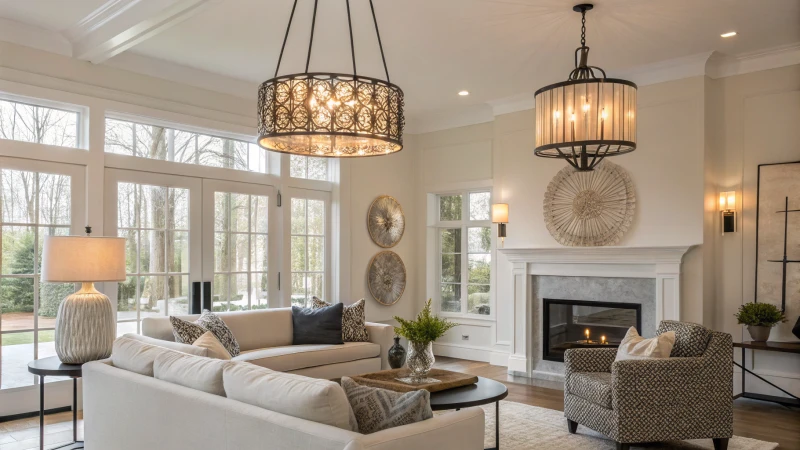
I remember the first time I realized how much lighting could change a space. It was during a trip to a friend’s newly renovated apartment. She had these amazing pendant lights over her kitchen island that changed colors based on the time of day. It wasn't just about illumination; it was a statement of her style and mood.
In today's world, personalization is everywhere—from the shoes we wear to the phones we use. So why not lighting? By choosing unique lighting solutions2, we can truly make our spaces feel like home, expressing our individual tastes and preferences.
Enhancing Mood and Ambiance
Lighting has this incredible power to set the mood. I recall hosting a dinner party where I adjusted my living room lights to a warm, cozy glow. The atmosphere instantly shifted from everyday casual to intimate and inviting. With personalized lighting, it’s easy to adjust brightness and color temperatures to fit any occasion, whether you’re winding down after a long day or getting ready for a productive work session.
| Feature | Description |
|---|---|
| Color Temperature | Adjusting hues for warmth or coolness. |
| Brightness Control | Tailoring light intensity to tasks or mood. |
Functional Flexibility
The other day, I was working late in my home office, and I realized how essential good lighting is. My adjustable task light reduced eye strain significantly. Later, when I switched to ambient lighting, it helped me relax. Personalized lighting isn’t just about looks; it’s about making our spaces work better for us.
Integration with Smart Technologies
Integrating lighting with smart home systems has been a game-changer for me. I love being able to control my lights through an app on my phone or even with voice commands. It’s not just convenient; it’s about creating lighting scenarios3 that fit my lifestyle, like gradually increasing light in the morning or dimming it for movie nights.
Catering to Diverse Spaces
Every room in our homes or businesses has its unique needs. For example, the bright lights in my kitchen are perfect for cooking, but they’d be too harsh in my bedroom. Personalized lighting ensures that every space has the optimal illumination for its specific purpose.
Sustainability Considerations
I’ve always been conscious about my environmental impact, so finding out that many personalized lighting options also emphasize sustainability was fantastic. Using LED technologies and smart controls not only reduces energy consumption but also aligns with my commitment to eco-friendly living.
For those curious about how personalization is reshaping design trends, diving into related concepts like smart home integration4 can offer valuable insights.
Personalized lighting enhances mood and ambiance.True
Adjusting light settings can create cozy or focused environments.
Smart lighting systems cannot be personalized.False
Smart systems offer customizable settings for user convenience.
How Can Sustainable Lighting Solutions Save Energy?
Ever thought about how a simple switch in your lighting could save you money and help the planet?
Sustainable lighting solutions, like LED bulbs and smart systems, significantly reduce energy consumption by leveraging cutting-edge technology to enhance efficiency and longevity. These options not only lower energy bills but also require less frequent replacements, contributing to both economic and environmental benefits.
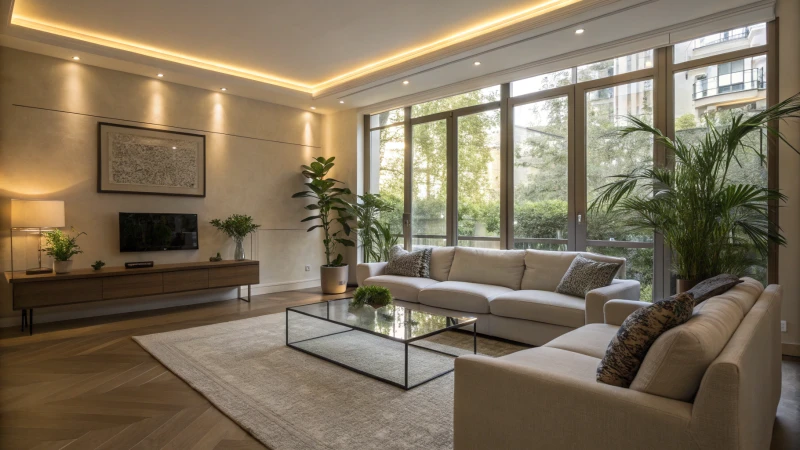
I remember the first time I switched from traditional bulbs to LED lights. Honestly, I was skeptical at first. But after seeing my electricity bill drop significantly, I was all in! It wasn't just the savings that impressed me—it was the idea that I was doing something good for the environment, too.
LED Lighting Technology
LED lights have become my go-to for lighting solutions. They're like the rock stars of sustainable lighting, consuming up to 80% less energy than those old-school incandescent bulbs. I mean, who wouldn't want more light for less heat? This not only cuts down on energy usage but also keeps our spaces cooler, which is a win-win in my book.
| Type | Energy Consumption | Lifespan |
|---|---|---|
| Incandescent | High | 1,200 hours |
| CFL | Medium | 8,000 hours |
| LED | Low | 25,000 hours |
With ongoing advancements in LED technology5, these lights are becoming even smarter and more efficient, integrating with systems that make controlling them a breeze.
Smart Lighting Systems
Now, let's talk smart lighting. Imagine lights that adjust themselves based on whether someone is in the room or how much daylight is streaming in. It’s like having your own personal light assistant. I love being able to manage my lights with a simple app or even just my voice. Motion sensors are a game changer—they ensure lights are on only when needed, which has really helped cut down on waste.
Smart lighting involves automated controls and connectivity that adapt lighting levels based on occupancy or daylight availability. Systems can be managed via apps or voice commands, allowing users to optimize lighting efficiency6 easily.
Sustainable Materials and Design
And don’t get me started on eco-friendly materials. Incorporating things like recycled glass and bamboo not only looks fantastic but also makes me feel good about the choices I'm making. These sustainable materials have an organic feel and help reduce environmental impact without compromising on style.
It’s amazing how sustainable design can maximize natural light. By allowing more sunlight into our spaces, we can further reduce reliance on artificial lighting during the day. Plus, with customizable options to adjust color temperatures, it's easy to create just the right ambiance for any time of day.
By adopting these eco-friendly design principles7, I’m not just saving energy—I’m making a statement about what’s important to me and setting a standard for others to follow. It’s about embracing practices that benefit both our wallets and the world around us.
LED lights use 80% less energy than incandescent bulbs.True
LEDs convert more electricity into light, reducing energy waste.
Smart lighting systems increase energy consumption by 20%.False
Smart systems reduce energy use by optimizing lighting based on need.
How is technology transforming future lighting trends?
Remember the last time you switched a light on and wondered how it magically knew your mood? That's technology at play, shaping our lighting experience beyond imagination.
Technology in lighting is all about personalizing experiences, boosting sustainability, and seamlessly integrating with smart systems. These innovations not only enhance how we light up spaces but also transform our energy use and aesthetic appeal.
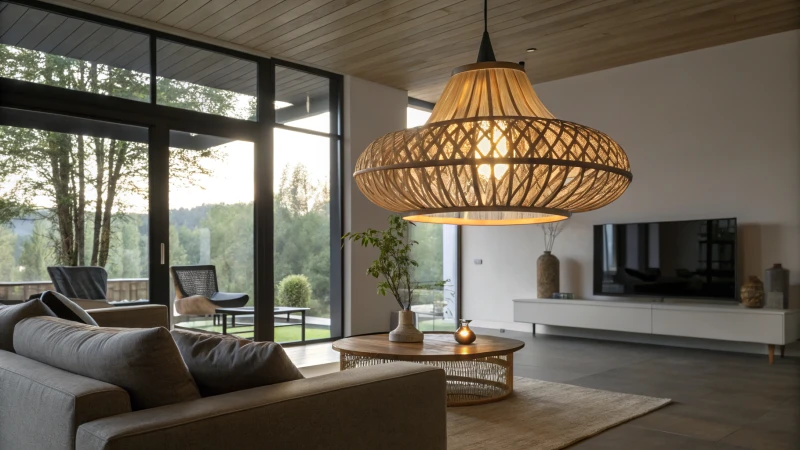
Smart Lighting Systems
Imagine walking into your living room, and with just a quick voice command or a tap on your phone, the lights adjust to that perfect shade of cozy. That's the magic of smart lighting systems! I remember when I first installed one; it felt like stepping into the future. These systems are game-changers, allowing us to tweak brightness, color, and even set schedules, making our lives not just easier but also more energy-efficient.
| Feature | Description |
|---|---|
| Customization | Adjust brightness and color remotely |
| Energy Efficiency | Optimize energy use with automation |
| Integration | Connect with smart home systems8 |
Sustainable Materials
I've always been a fan of sustainability—maybe it's the guilt from those years of using plastic straws! More and more, lighting manufacturers are embracing eco-friendly practices. They're crafting stunning fixtures from recycled glass and reclaimed wood, which not only look beautiful but also make me feel like I'm contributing to a greener planet.
- Recycled Glass: Perfect for creating elegant lamps and chandeliers.
- Reclaimed Wood: Adds a rustic charm to modern fixtures.
Explore more on sustainable materials9 used in lighting.
Personalization and Customization
Who doesn't love things tailored just for them? Personalized lighting is the trend everyone's talking about. I’ve spent hours fiddling with adjustable color temperatures to create that perfect movie night ambiance or a bright workspace vibe. This level of customization brings a new level of comfort and productivity to our homes.
- Adjustable Color Temperatures: Craft the ideal ambiance.
- Smart Controls: Schedule settings for different activities.
Discover the potential of customizable lighting10.
Integration with IoT
Remember those sci-fi movies where everything's interconnected? Well, IoT is turning that fiction into our everyday reality. Lighting systems now talk to other smart devices, making our homes smarter and our energy management more efficient. It's like living in a futuristic world where everything just works together seamlessly.
| IoT Feature | Benefit |
|---|---|
| Connectivity | Link with other devices for synchronized actions |
| Remote Access | Control from anywhere using mobile apps |
Learn about IoT-integrated lighting11 solutions and their benefits.
These tech advancements are not just about shining a light but about illuminating new possibilities in design and efficiency. It's exciting to think about how technology will continue to evolve, making our spaces brighter, smarter, and more in tune with our needs.
Smart lighting systems enhance energy efficiency.True
Smart systems optimize energy use through automation and customization.
Recycled plastic is a key material in future lighting trends.False
The focus is on recycled glass and reclaimed wood, not plastic.
Conclusion
Lighting trends for 2025 emphasize nature-inspired designs, smart customization, and eco-friendly materials, enhancing well-being while integrating technology seamlessly into our living spaces.
- Explore how bamboo as a material offers aesthetic and environmental benefits in interior spaces. ↩
- Explore diverse lighting options that allow for individual expression and adaptability. ↩
- Discover how smart technology integrates with personalized lighting for seamless experiences. ↩
- Learn how smart technology enhances personalized lighting design for modern homes. ↩
- Explore the latest LED innovations that enhance energy efficiency and integrate smart controls. ↩
- Discover how smart lighting optimizes energy use through automated controls and connectivity. ↩
- Learn how sustainable design principles maximize natural light and reduce artificial lighting needs. ↩
- Explore how smart lighting systems seamlessly integrate with smart home platforms to enhance convenience and energy efficiency. ↩
- Discover the types of sustainable materials being used in modern lighting designs to support eco-friendly initiatives. ↩
- Learn about innovative customizable lighting solutions that allow users to tailor their environment according to personal preferences. ↩
- Understand how IoT integration in lighting offers enhanced connectivity and energy management capabilities. ↩