Featured image:
Frustrated by track lights that won't fit? Buying the wrong system wastes money and delays projects. Let’s solve this compatibility headache right now.
No, J and L track lights are not interchangeable. J-type (Juno) contacts are spaced 1 inch apart, while L-type (Lightolier) contacts are spaced 7/8 inch apart. Forcing them together damages the fixture. You must match the track head brand type1 to the specific rail system installed.
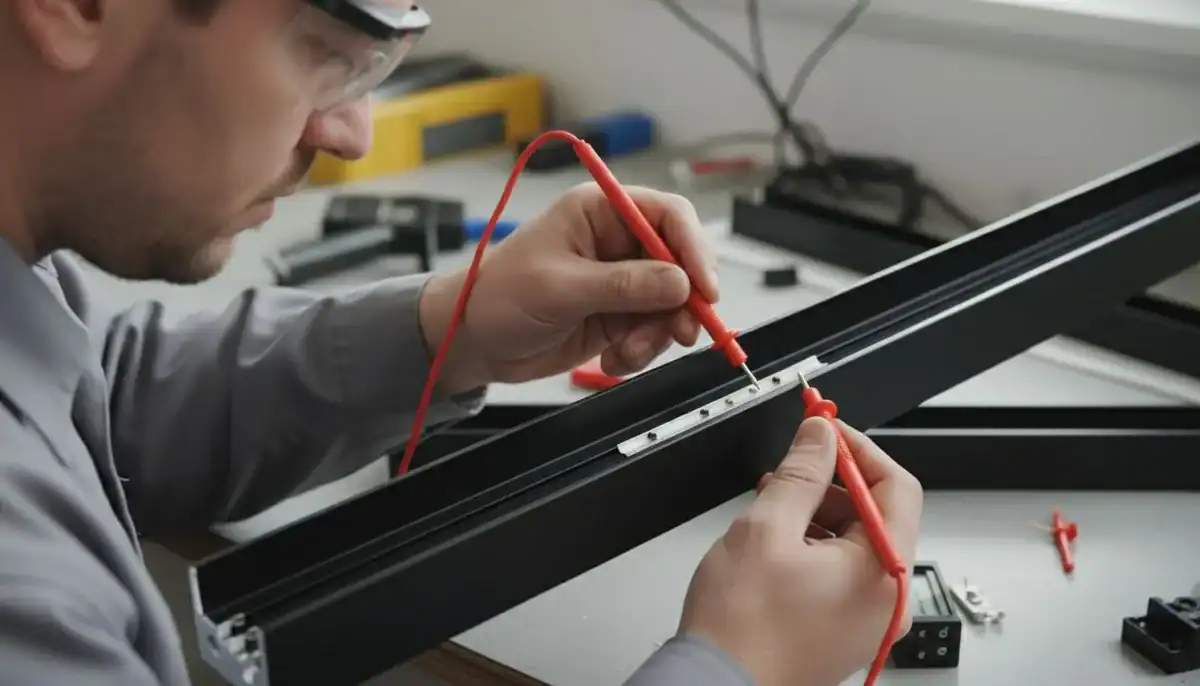
Many distributors make the mistake of assuming all 2-wire tracks are the same. This leads to returns and angry customers. In this guide, I will explain exactly how to tell them apart so you never order the wrong inventory again.
J-type and L-type track lights are physically compatible.False
They have different contact spacing and connector shapes.
Forcing the wrong track head can damage the rail.True
The plastic housing and metal contacts will break if forced into the wrong geometry.
Can J and L Track Heads Be Mixed?
Do you have mixed inventory sitting in your warehouse? Trying to force J heads onto L rails creates safety risks and broken products.
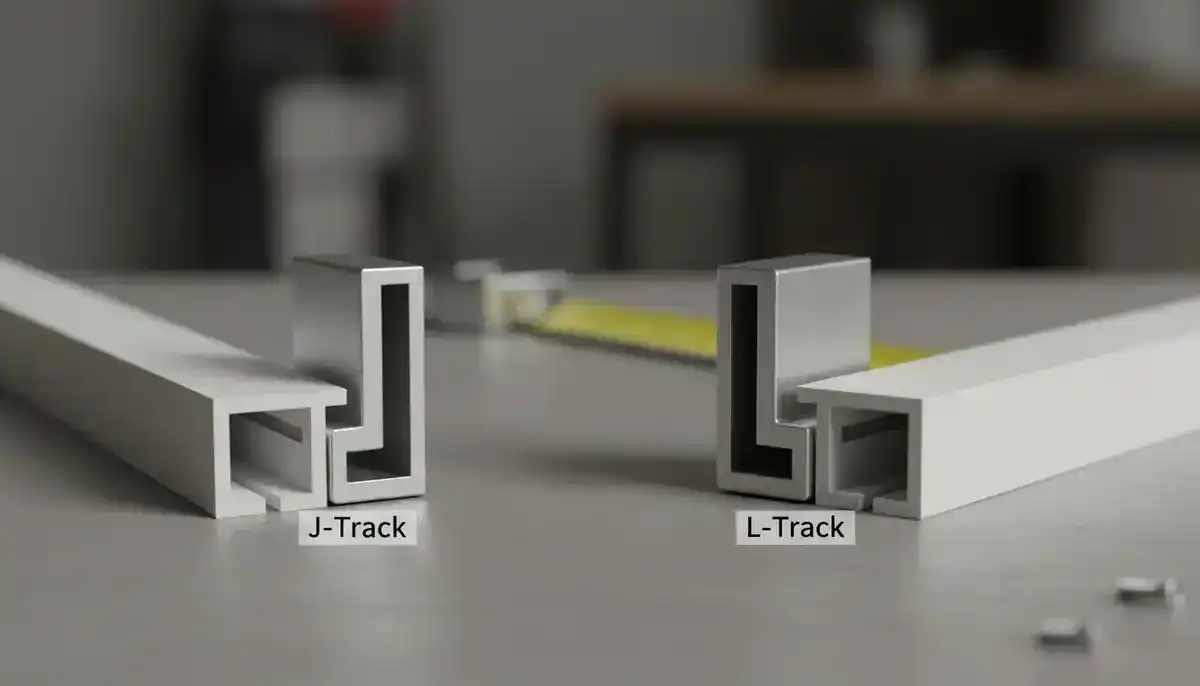
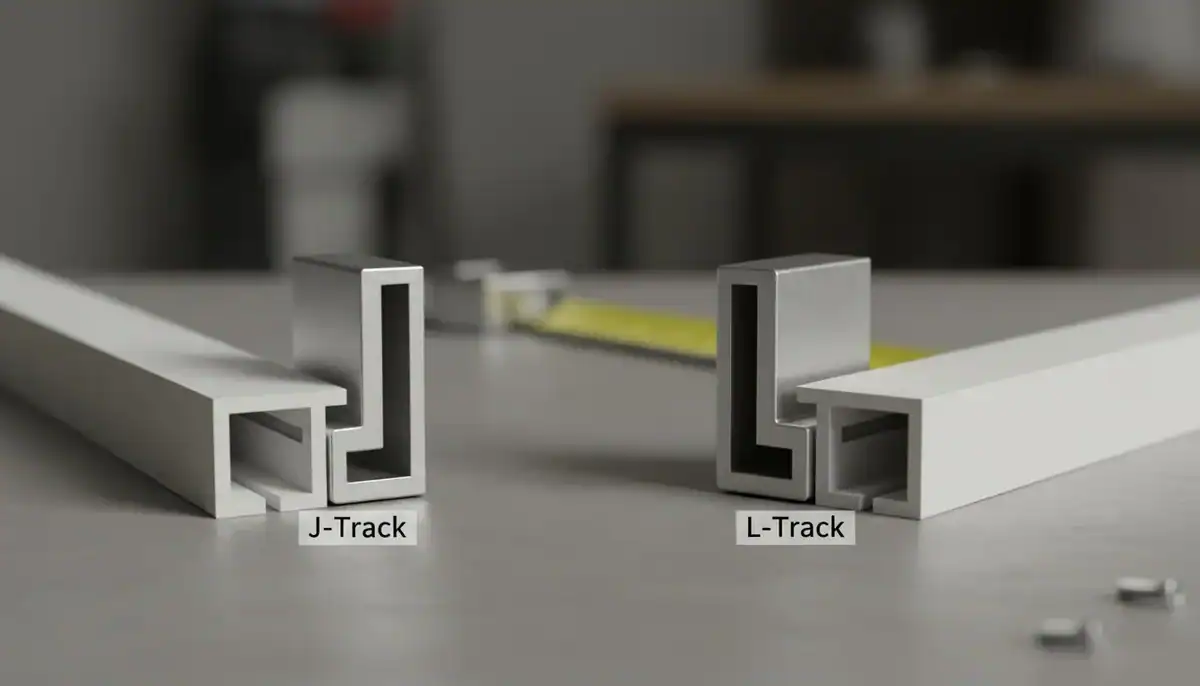
You cannot mix them directly. J-track has a wide, square tip, while L-track uses a rounder shape. They physically will not lock into the opposing rail. Mixing them results in poor electrical contact or permanent damage to the track insulation.
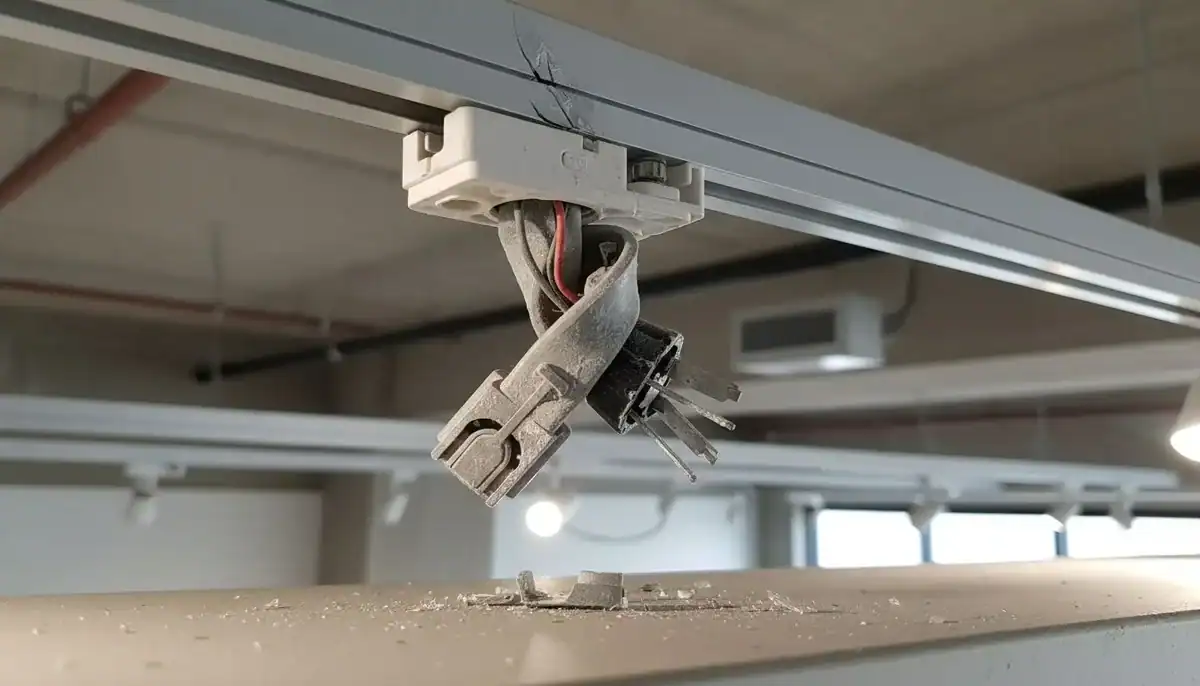
I have seen many clients in North America struggle with this. They buy a container of lights, thinking they are "universal," only to find they do not fit the rails in their customers' ceilings. The difference lies in the geometry. The "J" system, originally from Juno, uses a connector that requires a specific two-contact configuration. The "L" system, from Lightolier, is slightly smaller.
If you try to put a J head into an L track, it will feel too tight. If you push it, the plastic tabs will snap. If you put an L head into a J track, it might fit loosely, but the electrical contacts will not touch the copper strips inside the rail properly. This causes arcing. Arcing creates heat and can lead to a fire.
At Besenled2, we customize the connector for our clients before we ship. We ask for a photo of the existing track to ensure 100% fit. It is better to spend five minutes checking than to lose money on a return.
Physical Differences Table
| Feature | J-Type (Juno) | L-Type (Lightolier) |
|---|---|---|
| contact spacing3 | 1 inch (Wide) | 7/8 inch (Narrow) |
| Tip Shape | Square/Rectangular | Round/Curved |
| Fit Feel | Tighter in J-rail | Looser in J-rail |
| Compatibility | Only J-System | Only L-System |
Arcing can occur if track heads fit loosely.True
Poor contact causes electricity to jump gaps, creating heat and fire risks.
All 2-wire tracks are the same standard.False
There are multiple 2-wire standards, primarily J and L, which are different.
Identify Your Track in 60 Seconds: Juno vs Lightolier vs Halo?
Can your sales team identify a track system from a photo? Guessing leads to costly returns. Here is a foolproof way to check.
Look at the contacts. H-type (Halo) has three contacts. J-type (Juno) has two contacts 1 inch apart. L-type (Lightolier) has two contacts 7/8 inch apart. Measuring the distance between the metal strips is the fastest verification method.

Identifying the track correctly is the most important skill for a lighting distributor. In my factory, we train every salesperson to recognize these systems instantly. The most common system in the world is actually the H-type (Halo). It is easy to spot because it has three contacts. Two are on one side, and one is on the other. If you see three metal tips, it is H-type.
The confusion happens with J and L because they both have two contacts. They look very similar to the untrained eye. To tell them apart, you need a ruler. Measure the distance from the center of one metal contact to the center of the other.
- J-Type: The distance is exactly 1 inch. The tip of the connector usually has a square shape.
- L-Type: The distance is 7/8 of an inch. The tip is usually rounder.
Also, look at the rail itself. Sometimes the brand label is inside the track. If you cannot measure it, take a clear photo of the connector tip. Send it to your supplier. A good supplier like Besenled can identify it visually. We do this daily for our partners in Mexico and the US to ensure their orders are correct.
Quick ID Guide
| System | Number of Contacts | Tip Shape | Measurement |
|---|---|---|---|
| H (Halo) | 3 Contacts | Three prongs | N/A (Unique 3-wire) |
| J (Juno) | 2 Contacts | Square | 1 inch apart |
| L (Lightolier) | 2 Contacts | Round | 7/8 inch apart |
H-type tracks have three contacts.True
Halo style tracks use a 3-wire system for grounding.
You can identify J and L tracks by color.False
Color indicates finish, not the electrical system type.
Compatibility Factors Beyond J/L: Voltage, Circuit Type, and Connectors?
Think the shape is the only thing that matters? Ignoring voltage and circuit types can destroy your new LED fixtures instantly.
Shape is just the first step. You must check if the system is 120V line voltage or low voltage (12V/24V). Also, verify if it is a single-circuit or two-circuit rail. Mismatched voltages will burn out the driver or the LED chips immediately.
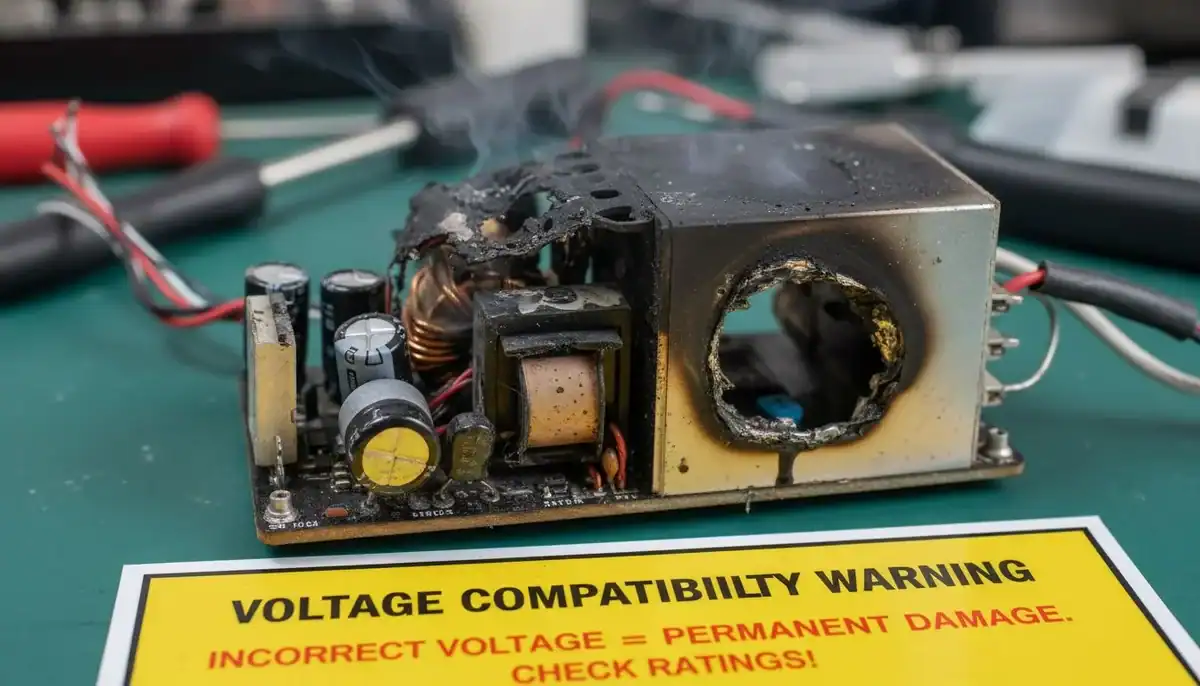
Even if you get the J or L shape right, you can still fail if you ignore the power source. In commercial lighting, we see two main voltage types: Line Voltage (120V or 220V) and Low Voltage (12V or 24V).
Most standard J and L tracks are Line Voltage. However, some modern designer tracks are Low Voltage. If you plug a 12V LED head into a 120V track, the light will explode or burn out instantly. If you plug a 120V head into a 12V track, it simply will not turn on. You must check the label on the existing track driver or transformer.
Another factor is the circuit. Standard tracks are single-circuit. This means all lights turn on and off together. Two-circuit tracks allow you to control two groups of lights on the same rail separately. The connectors for two-circuit tracks are different. They have an extra metal contact or a switch. If you buy a single-circuit head for a two-circuit track, it might not work properly.
At Besenled, we produce drivers that match your local voltage. For Mexico, we ensure the drivers handle voltage fluctuations well. We always ask: "Is this for a standard home rail or a commercial 2-circuit system?" This question saves our clients thousands of dollars in replacement costs.
Voltage and Circuit Risks
| Factor | Risk of Mismatch | Consequence |
|---|---|---|
| Voltage | High | Burnt LEDs or Fire |
| Circuit | Medium | Lights won't switch correctly |
| Dimming | Medium | Flickering or buzzing |
12V track heads work on 120V rails.False
High voltage will destroy low voltage components instantly.
Two-circuit tracks allow separate control of lights.True
They have an extra pathway for electricity to control groups independently.
When to Use Adapters (and When Not To)?
Stuck with dead stock that won't fit? Adapters seem like a magic fix, but they often cause more problems than they solve.
Adapters allow a specific fixture to fit a different rail, but they add bulk and cost. They are useful for retrofits but bad for new designs. I recommend buying the correct factory-fitted head to ensure safety certification and a clean look.
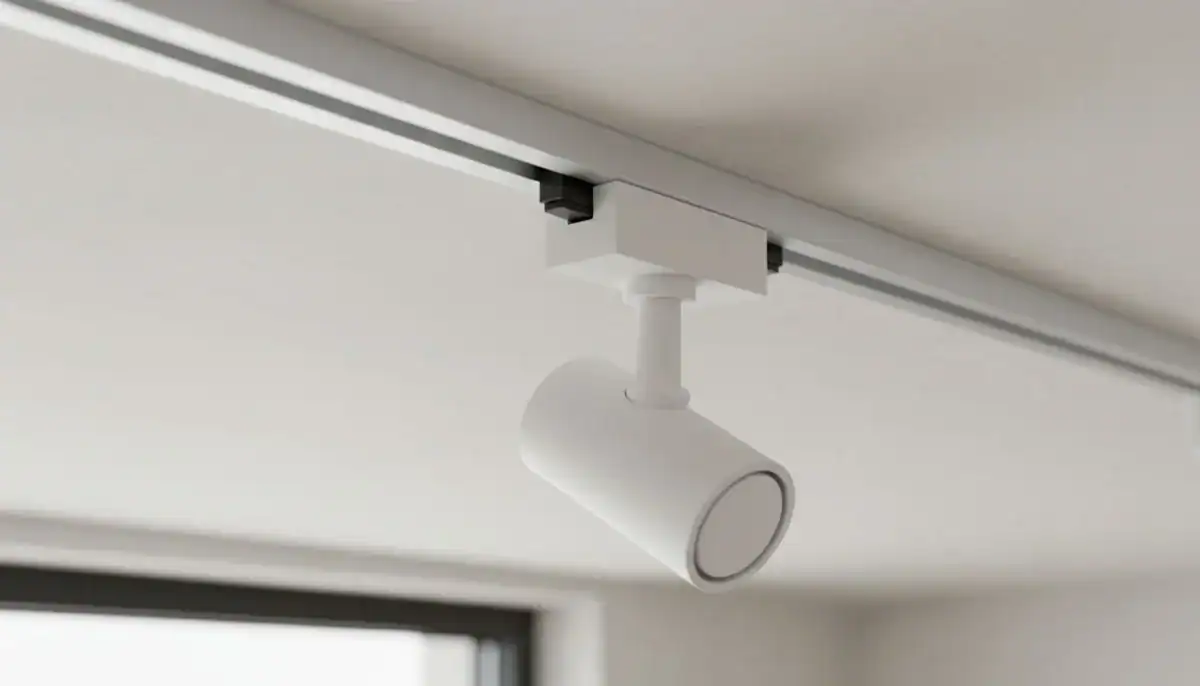
Sometimes, a client buys a beautiful light fixture, but it has a J connector, and their ceiling has an L track. They ask me, "Rain, can I buy an adapter?" The answer is yes, but I do not recommend it for large projects.
Adapters are plastic pieces that sit between the track and the light. They convert the connection.
Here is why I dislike them:
- Aesthetics: They make the fixture look long and clumsy. It ruins the clean design of the light.
- Stability: The light hangs lower. This adds weight and leverage. It can make the fixture wobble.
- Cost: A good adapter costs money. It is cheaper to order the light with the correct connector from the factory.
I only suggest adapters for small home projects where you cannot change the rail. For commercial jobs, like a retail store or a hotel, you should order customized lights. My factory can install J, L, or H connectors directly onto the light during production. This looks professional and is much safer. It also keeps your UL or CE certification valid. Adding an adapter can sometimes void these safety certificates.
Adapter Pros and Cons
| Feature | Adapter | Factory Customization |
|---|---|---|
| Look | Bulky, adds length | Clean, integrated |
| Cost | Extra cost per unit | Included in price |
| Safety | Adds connection points | Certified and tested |
| Speed | Immediate fix | Requires production time |
Adapters are the best solution for commercial projects.False
They look unprofessional and add unnecessary cost and failure points.
Factory customization maintains safety certifications.True
The product is tested as a complete unit, ensuring compliance.
FAQ?
Still have specific questions about track lighting systems? Here are the quick answers to the most common problems my clients face.
We cover the basics here: H, J, and L differences, brand compatibility, identification tricks, and voltage rules. These answers help you make fast decisions when sourcing products for your distribution business.
Are J and L track lights interchangeable?
No. As we discussed, the spacing is different (1 inch vs 7/8 inch). They are not compatible.
What’s the difference between H, J, and L tracks?
H (Halo) has 3 contacts. J (Juno) has 2 contacts spaced 1 inch apart. L (Lightolier) has 2 contacts spaced 7/8 inch apart. H is the most popular style in North America.
Can I use any brand’s heads on my rail if the type matches?
Generally, yes. If you have a J-type rail, you can buy a Besenled J-type head, and it will fit. The "type" is a universal standard, even if the brands are different. However, always test a sample first to be sure about the fit and finish.
How do I quickly identify my track system?
Look at the contacts. 3 contacts = H. 2 contacts = Measure them. Wide (1 inch) is J. Narrow (7/8 inch) is L.
Do voltage and circuits matter?
Yes, absolutely. You must match the voltage (120V vs 12V) and the circuit style (1-circuit vs 2-circuit). If you get this wrong, the lights will not work or will break.
Can I change the connector on a light I already bought?
It is difficult. You have to cut the wires and rewire a new connector. It takes time and requires a skilled electrician. It is much better to order the correct type from the factory.
You can swap connectors easily without tools.False
Changing connectors requires rewiring and electrical knowledge.
Brand A J-type head fits Brand B J-type rail.True
The J-type specification is a standard industry design.
Conclusion
J and L tracks are never interchangeable due to size differences. Always measure contact spacing and verify voltage before ordering. Contact Besenled for custom track heads that fit your market's specific systems perfectly.