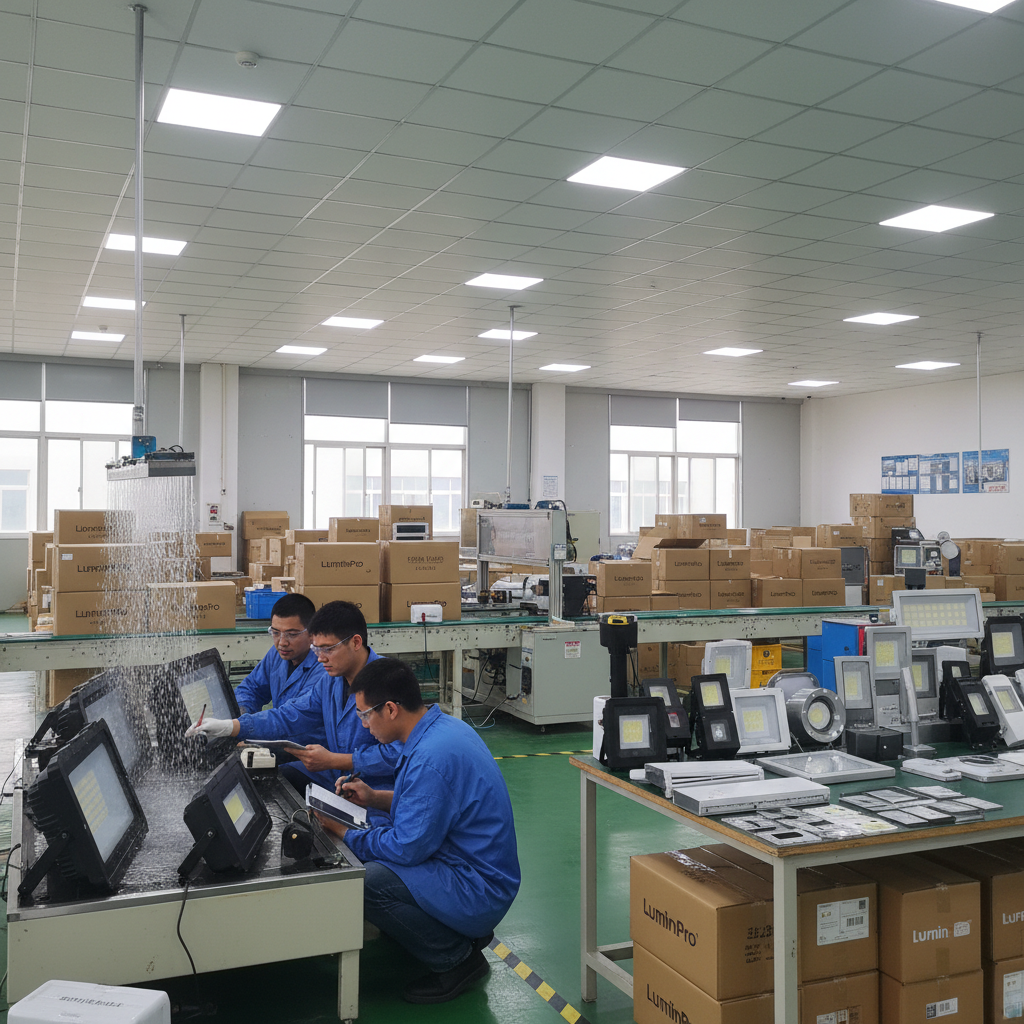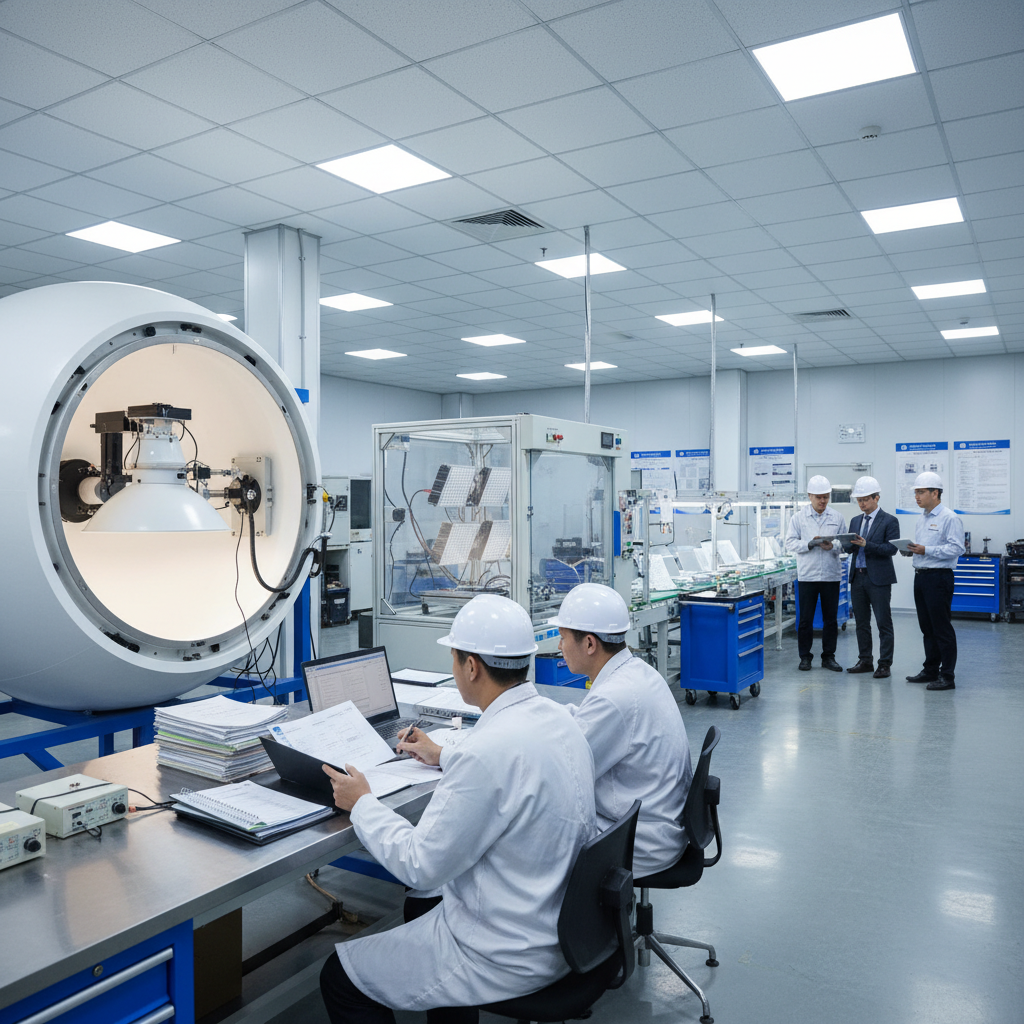

Lighting is more than just illumination; it's an experience that can shape our environments and influence our moods.
Modern lighting systems enhance commercial buildings by increasing energy efficiency, reducing costs, and improving work environments. They use advanced controls, such as sensors and automated dimming, to optimize light use and integrate natural lighting.
But what lies beneath this seemingly straightforward concept? Let's dive deeper into the fascinating world of intelligent lighting systems.
Intelligent lighting systems reduce operational costs.True
They use advanced controls to optimize energy use, cutting costs.
What Are the Key Components of an Intelligent Lighting System?
Unveiling the essential elements that power modern intelligent lighting systems for efficiency and control.
The key components of an intelligent lighting system include sensors, control modules, dimming drivers, and IP gateways. These elements work together to enable automated control, optimize energy use, and enhance user comfort by adapting to environmental changes and occupancy.

Understanding Sensors and Their Role
Sensors are the backbone of any intelligent lighting system. They come in various types, such as motion detectors, light sensors, and occupancy sensors. These devices detect changes in the environment, like movement or ambient light levels, and adjust the lighting accordingly. For instance, motion detectors1 can turn lights on when someone enters a room and off when the room is vacant, thus optimizing energy use.
Control Modules: The Brain of the System
Control modules are crucial as they manage the signals received from sensors and execute commands. These modules can support different control methods, including automatic, manual, and remote control, providing flexibility to users. Installed typically in distribution boxes, they ensure smooth two-way communication2 across the system using standard network cables.
Dimming Drivers for Adaptive Lighting
Dimming drivers adjust the light intensity based on predefined settings or real-time data from sensors. This not only conserves energy but also improves work environments3 by providing just the right amount of light needed for various tasks or times of day.
| Component | Function |
|---|---|
| Sensors | Detects presence, ambient light levels |
| Control Modules | Manages system operations, executes commands |
| Dimming Drivers | Adjusts light intensity |
| IP Gateways | Facilitates remote monitoring and control |
The Role of IP Gateways in Connectivity
IP gateways play a vital role in enabling remote access and management of the lighting system. By connecting to a network, these gateways allow facility managers to monitor and adjust lighting settings remotely. This feature is especially beneficial for large commercial spaces where manual adjustments would be cumbersome.
These components combined create a seamless, efficient, and adaptive lighting system capable of meeting the diverse needs of modern commercial environments.
Sensors adjust lighting based on occupancy.True
Sensors detect presence and adjust lighting to optimize energy use.
IP gateways are unnecessary for remote control.False
IP gateways enable remote access, crucial for managing large spaces.
How Do Lighting Controls Contribute to Energy Efficiency?
Lighting controls play a crucial role in enhancing energy efficiency in buildings.
Lighting controls enhance energy efficiency by optimizing light usage, integrating natural light, and reducing wastage through automated systems. These systems use sensors to adjust lighting based on occupancy and daylight levels, significantly lowering energy consumption and costs.

Understanding Lighting Control Systems
Lighting control systems are essential in managing the lighting within a building efficiently. These systems include various technologies, from basic dimmers to sophisticated networked systems that manage all aspects of lighting in a space.
A typical setup might involve sensors, dimmers, and programmable controllers that integrate seamlessly4 with a building's existing infrastructure. By automating light adjustments according to the time of day or occupancy levels, these systems ensure that energy is used only when necessary.
The Role of Sensors in Energy Efficiency
Sensors are pivotal in modern lighting controls. Occupancy sensors, for example, detect movement within a room and adjust lighting accordingly—turning lights on when someone enters and off when they leave. This automated approach5 minimizes unnecessary energy consumption.
Daylight sensors also play a crucial role by measuring the amount of natural light available and adjusting artificial lighting to complement it, thus optimizing energy use.
Benefits of Automated Dimming
Automated dimming can significantly contribute to energy savings. It allows lights to operate at reduced power levels when full brightness is not needed. This not only saves energy but also prolongs the lifespan of lighting fixtures, offering further cost benefits.
The Impact of Intelligent Lighting Controls
By integrating intelligent lighting controls, commercial buildings can achieve substantial energy savings. These systems enable precise control over lighting conditions, adapting to the needs of the space and its occupants in real-time.
For instance, timing controls can be set to adjust lighting schedules based on business hours6, ensuring lights are only on when needed. Scene controls allow for preset configurations that can be activated for different scenarios or times of day.
Through these advanced functionalities, lighting controls are not only about saving energy but also about creating a more comfortable and adaptable environment for building occupants.
Lighting controls reduce energy costs by 50%.False
While they significantly reduce costs, the exact percentage varies.
Occupancy sensors adjust lights based on room presence.True
Sensors detect movement, turning lights on/off accordingly.
Can Modern Lighting Solutions Improve Employee Productivity?
Lighting can significantly influence employee productivity in workplace settings.
Modern lighting solutions can boost employee productivity by enhancing focus, reducing eye strain, and aligning with circadian rhythms. These systems leverage natural light, adjustable brightness, and smart controls to create an optimal work environment.

The Science Behind Lighting and Productivity
Recent studies have shown that lighting significantly impacts productivity7. Proper lighting enhances focus, reduces fatigue, and can even improve mood. Natural light is particularly beneficial as it aligns with our circadian rhythms, helping employees feel more awake and alert.
Benefits of Adjustable Brightness
Modern lighting solutions often come with adjustable brightness settings. This feature allows employees to customize their workspace lighting according to their tasks or personal preferences. For example, intense tasks like reading or detailed work may require brighter lighting, while casual meetings might benefit from softer illumination.
The Role of Smart Controls
Smart lighting controls are another innovation that can improve productivity. By using sensors and automated systems, lights can adjust based on the time of day or occupancy. This not only saves energy but also ensures that employees always have adequate lighting. Furthermore, smart controls can simulate natural daylight patterns, which is beneficial in windowless offices.
Aligning with Circadian Rhythms
Human bodies naturally follow a circadian rhythm, a 24-hour cycle that affects sleep and wakefulness. Lighting that mimics this cycle8 can help maintain alertness during work hours and promote relaxation after work. By incorporating lighting solutions that adjust throughout the day, companies can significantly impact employee well-being and productivity.
Enhancing Focus and Reducing Eye Strain
Poor lighting can lead to eye strain, headaches, and decreased focus. Modern systems with anti-glare features and proper color temperature can reduce these issues. By creating a comfortable visual environment, employees are more likely to remain focused and productive.
Natural light improves employee alertness.True
Natural light aligns with circadian rhythms, enhancing alertness.
Smart controls increase energy consumption in offices.False
Smart controls save energy by adjusting lighting based on occupancy.
What Are the Cost Benefits of Upgrading Commercial Lighting Systems?
Upgrading commercial lighting systems can significantly reduce operating costs and boost energy efficiency.
Upgrading to modern commercial lighting systems offers cost benefits such as reduced energy consumption, lower maintenance expenses, and improved operational efficiency. These systems use advanced technologies like LED lights and smart sensors to optimize usage and cut down on electricity bills.

Lower Energy Consumption
One of the primary cost benefits of upgrading to modern lighting systems is the substantial reduction in energy consumption. Traditional lighting fixtures, such as incandescent bulbs, consume a lot of power compared to LED lights. LEDs use at least 75% less energy and last 25 times longer than incandescent lighting.
Furthermore, intelligent systems incorporate daylight harvesting, which adjusts indoor lighting based on the amount of natural light available. This reduces the need for artificial lighting during daylight hours, further lowering energy costs.
Reduced Maintenance Costs
Another cost advantage is the decrease in maintenance expenses. LED lights and smart lighting solutions have a longer lifespan than traditional lighting. This means fewer replacements and less frequent maintenance checks, reducing labor costs and minimizing disruptions in operations.
For example, by using long-lasting LED fixtures9, businesses can extend the time between replacements from months to several years.
Enhanced Operational Efficiency
Modern lighting systems often come with advanced control mechanisms that optimize energy use. Features like motion sensors ensure lights are only used when necessary, and programmable settings allow for lights to be dimmed or turned off after business hours.
Such systems can support single control, area control, induction control, and timing control, offering flexibility to meet varying lighting needs. This operational efficiency translates into significant cost savings over time.
Improved Work Environments
While not directly a cost benefit, improved lighting can enhance employee productivity and satisfaction, indirectly impacting financial performance. Better-lit workspaces reduce eye strain and create more pleasant environments, potentially increasing productivity by up to 15%.
By investing in smart lighting solutions10, companies can create an optimal working environment that supports employee well-being and efficiency.
LED lights reduce energy use by at least 75%.True
LED lights are highly efficient, using significantly less energy than traditional bulbs.
Motion sensors increase lighting energy consumption.False
Motion sensors decrease energy use by turning off lights when not needed.
Conclusion
In conclusion, investing in modern lighting systems not only enhances the functionality of commercial spaces but also contributes to a sustainable future. It's time to embrace this change and unlock the potential of your environment.
- Explore how motion detectors enhance efficiency in lighting systems.: Motion detectors are special types of sensors that alert you if they detect any movement in the spaces they're set to monitor. ↩
- Learn how two-way communication improves control reliability.: DALI is a two-way communication system that brings digital technology to lighting. An international standard for communication. ↩
- Understand how dimming drivers enhance productivity and comfort.: 0-10V dimming can greatly enhance your facility's lighting performance through energy savings, customizable light levels, and extended fixture lifespan. ↩
- Learn how seamlessly lighting systems integrate with current setups.: Obviously, the most common integration would be integrating other building automation controllers, followed by integrating HVAC systems. Outside ... ↩
- Understand how occupancy sensors optimize energy use.: Occupancy and vacancy sensors are devices that detect when a space is unoccupied and accordingly automatically turn OFF (or dim) the lights, ... ↩
- Explore how timing controls reduce energy wastage.: 7 Benefits of Commercial Lighting Control System You Should Know About · 1. Significant Energy Savings · 2. Lower Operational Costs · 3. Enhanced ... ↩
- Explore studies showing how lighting influences workplace productivity.: In fact, adequate lighting has been found to decrease depression and improve mood, energy and alertness. ↩
- Learn how lighting that mimics natural cycles boosts productivity.: Using circadian lighting helps aid our biological clock by mimicking daytime light signals, which help improve sleep, mood, and our overall ... ↩
- Learn how LED fixtures reduce maintenance needs and save costs.: With LED lighting, you can greatly reduce the electricity used by your commercial building with many light fixtures available to meet a wide variety of needs ... ↩
- Explore how smart lighting enhances employee productivity and satisfaction.: Smart lighting upgrades go far beyond simple illumination. LEDs can help to improve workplace morale and wellness. ↩