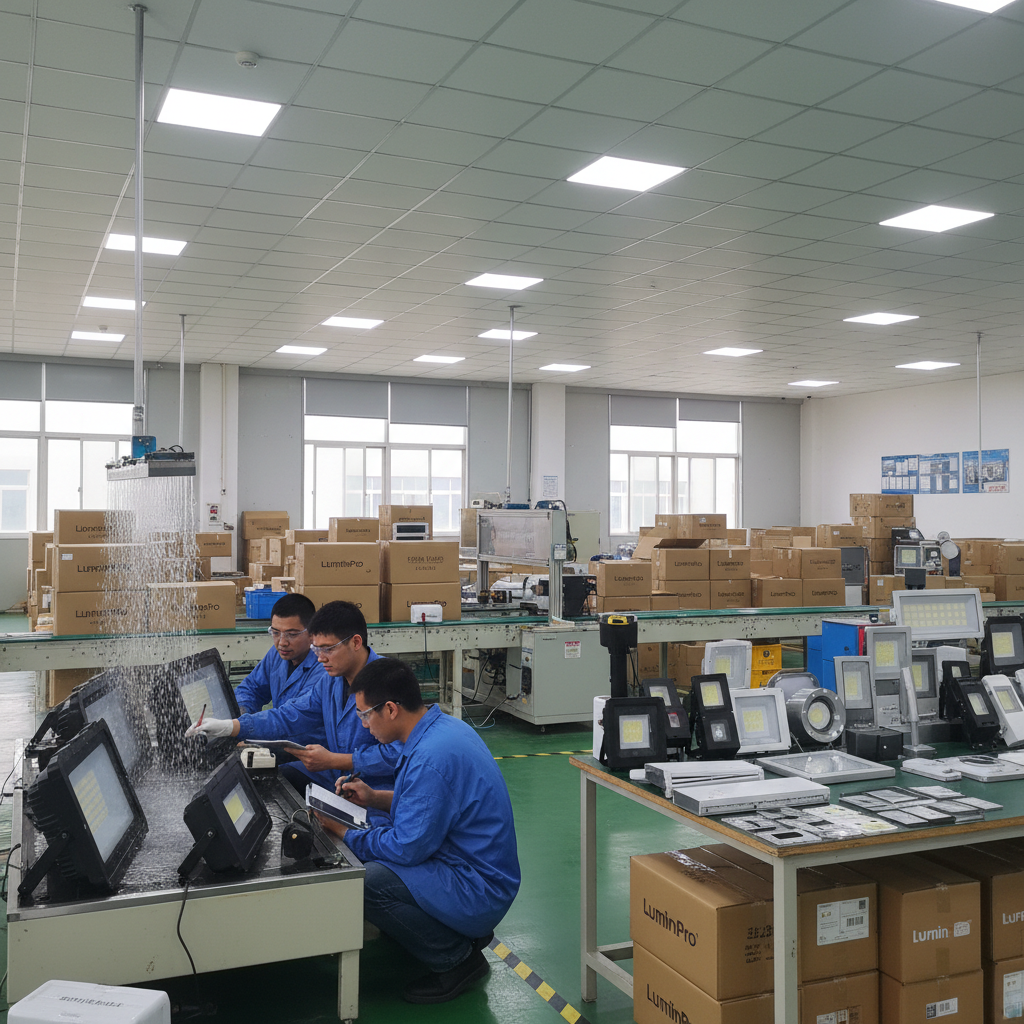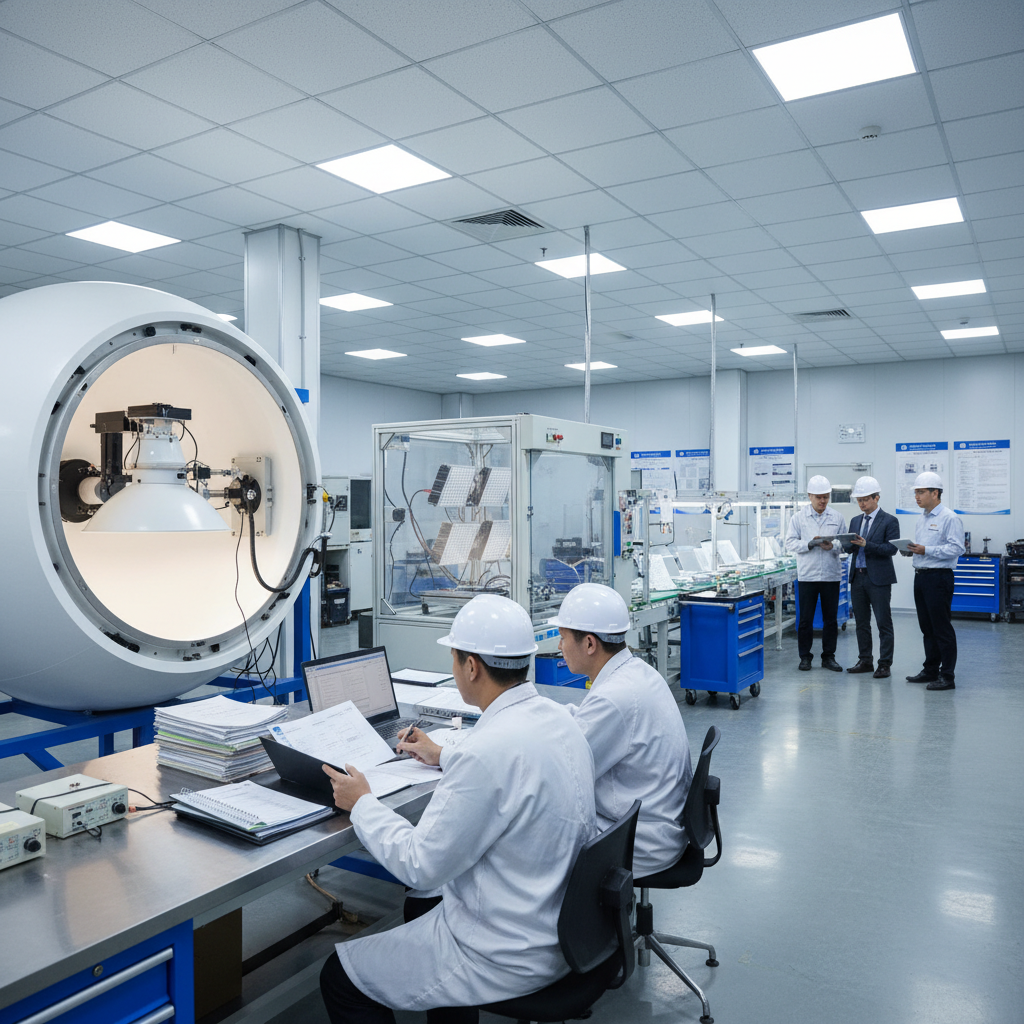

Ever wondered how much energy those bright LED street lights save? Let's shine some light on it!
LED street lights save 50%-75% energy compared to traditional lighting. They offer lower power consumption, longer lifespans (50,000-100,000 hours), and potential energy savings with smart controls, significantly cutting down operational costs and reducing environmental impact.
Switching to LEDs isn't just about reducing your electricity bill; it's about embracing a brighter, sustainable future. Imagine driving down a street illuminated by LEDs—each light a beacon of progress, cutting energy costs and environmental impact. It's like upgrading your car to a hybrid; the upfront cost is higher, but the long-term savings and environmental benefits are undeniable. Dive in with me to explore how these brilliant bulbs are revolutionizing cityscapes around the world.
LED street lights save 50%-75% energy over HPS lights.True
LEDs convert more energy to light, reducing heat loss.
LEDs have a shorter lifespan than traditional street lights.False
LEDs generally last longer, reducing maintenance costs.
Why Are LED Street Lights More Efficient?
Remember those late-night strolls, under the glow of street lights? Now imagine them smarter and greener with LED technology, revolutionizing our cities one bulb at a time.
LED street lights excel in efficiency due to their high energy conversion rates, extended lifespan, and smart control capabilities. They use far less electricity than traditional lighting and require minimal maintenance.

Energy Efficiency Explained
So, picture this: I'm walking down a familiar street, and everything looks brighter yet softer. That's the magic of LED street lights. They transform electrical energy into visible light with impressive efficiency, unlike those old HPS lamps that waste so much energy as heat. LEDs light up the night consuming up to 75% less power. It's like turning down the thermostat without sacrificing warmth—except here, it's about saving energy without dimming the light.
LED street lights are renowned for their energy efficiency1. Unlike traditional lighting systems like HPS (High-Pressure Sodium) lamps, LEDs convert a higher percentage of electrical energy into visible light, minimizing wasted energy in the form of heat.
Longevity and Reduced Maintenance
When I first learned about LED street lights' longevity, it reminded me of my trusty old car that just kept going despite the miles. These lights last between 50,000 to 100,000 hours! That's like having a light bulb that outlasts four or five generations of the older HPS lamps. Think about how often we need to change a bulb at home—it’s a hassle, right? Now imagine the relief for city planners who barely have to worry about replacing street lights anymore.
One of the standout features is their remarkable lifespan compared to HPS lamps:
| Light Type | Average Lifespan (hours) | Maintenance Frequency |
|---|---|---|
| LED | 50,000 - 100,000 | Low |
| HPS | 15,000 | High |
This longevity translates into reduced maintenance costs and fewer replacements for large-scale urban projects2.
Smart Controls and Adaptive Lighting
One evening, I noticed the street lights adjusting as I walked my dog—a little brighter here, dimmer there. That’s not magic; it's smart technology. With features like motion sensors and dimming controls, LED street lights adapt to traffic and time of day, saving an extra 30-50% in energy. It’s like having a personal assistant who dims the lights when you’re ready to wind down.
The integration of smart technology further enhances their efficiency with advanced lighting systems3, ensuring optimal energy usage at all times.
Environmental Impact
And here's the cherry on top: these lights are eco-friendly. They cut down on carbon emissions by using less energy and ditch harmful substances like mercury found in other lighting systems. It's reassuring to know that every LED light helps reduce our environmental footprint, supporting sustainable urban development.
Switching to LED street lighting is not just about embracing cutting-edge technology; it's about committing to sustainable development4. It’s a step toward cleaner cities and smarter infrastructure that make sense economically and environmentally.
LED street lights use 75% less power than HPS lamps.True
LEDs convert more energy to light than heat, reducing power usage.
HPS lamps have a longer lifespan than LED street lights.False
LEDs last 50,000-100,000 hours; HPS lasts about 15,000 hours.
How Do Smart Controls Enhance Energy Savings?
Ever wondered if your home could be as smart about saving energy as you are about managing your budget?
Smart controls enhance energy savings by automatically adjusting lighting, heating, and cooling systems through sensors and automation. By adapting settings based on occupancy and time of day, they minimize energy waste and maximize efficiency.
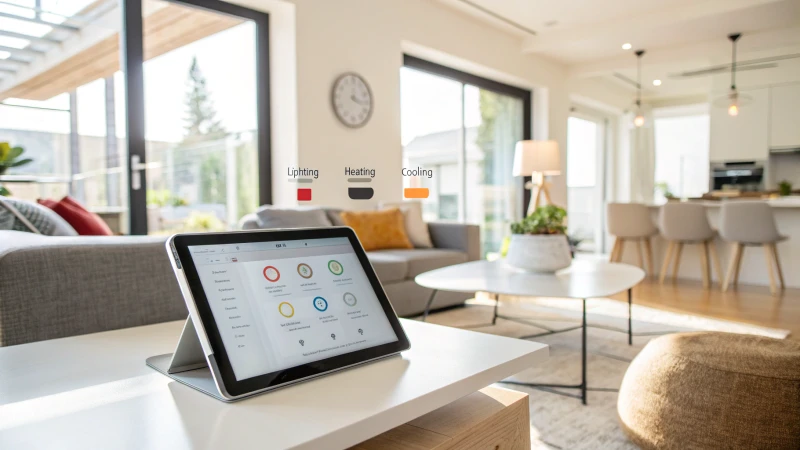
The Role of Sensors in Smart Controls
Imagine coming home after a long day, and your house seems to know just what you need. Thanks to smart controls, it can be a reality! These systems use sensors to detect whether you're around or not. For example, motion sensors can adjust lights5 when a room is empty, so you never have to worry about accidentally leaving them on.
| Sensor Type | Function |
|---|---|
| Motion | Detects presence, adjusts lighting or HVAC |
| Light | Measures ambient light for optimal illumination |
Automation and Real-Time Adjustments
Remember the mornings when you groggily adjusted your thermostat? With automation, smart controls make those changes for you in real-time. They learn from your habits and even account for natural light changes. This means no more fiddling with settings—your home becomes an efficient energy user all by itself.
Smart thermostats adjust temperature settings based on user habits6, while smart lighting can change intensity depending on natural light. This dynamic response reduces unnecessary energy consumption.
Integration with Smart Home Systems
Integrating these controls with your existing smart home systems can be a game-changer. Using platforms like smart assistants7, you can manage everything with voice commands or preset schedules. It's like having a personal energy manager that ensures every device is running at its best.
Benefits Beyond Energy Savings
Beyond cutting down those pesky energy bills, smart controls offer comfort and convenience. They create a seamless environment tailored to your preferences without any manual tweaks. Plus, the insights they provide into your energy usage can help you make smarter decisions about how you consume energy, all while keeping your home cozy and efficient.
Automated systems ensure optimal settings, leading to a comfortable environment without manual adjustments. They also provide valuable insights into energy usage patterns, helping users make informed decisions on energy consumption8.
Smart controls use sensors to detect room occupancy.True
Sensors like motion detectors adjust systems based on room presence.
Smart controls cannot integrate with home automation systems.False
They integrate seamlessly, allowing voice commands and scheduling.
How Does the Lifespan of LED Street Lights Compare to Traditional Lighting?
Ever wonder how long those LED street lights really last compared to the old-school ones? It might just surprise you how much they could save us in the long run!
LED street lights boast a lifespan of 50,000 to 100,000 hours, significantly outlasting traditional options like HPS or MH lamps, which last only 15,000 to 24,000 hours. This longevity minimizes maintenance costs and environmental impact.

LED Street Lights: A Long-Lasting Choice
When I first delved into the world of lighting systems, the sheer longevity of LED street lights left me amazed. Imagine street lights that last between 50,000 to 100,000 hours. That's over 11 years if they're switched on for about 12 hours daily! I remember thinking about how often I used to see maintenance crews replacing bulbs in our neighborhood — those days could be long gone with LEDs. Their exceptional lifespan9 translates into less frequent replacements, saving not just money but also reducing the hassle of constant upkeep.
Traditional Lighting Lifespan: HPS and MH Lamps
On the flip side, consider the high-pressure sodium (HPS) and metal halide (MH) lamps. These traditional choices typically last anywhere from 15,000 to 24,000 hours. Their relatively short lifespan means more frequent changes — a detail that once led to a couple of hilarious incidents with streetlights going out mid-dog walk! Aside from the inconvenience, this frequent need for replacement bumps up maintenance costs and disrupts consistent lighting.
| Lighting Type | Typical Lifespan (Hours) |
|---|---|
| LED | 50,000 - 100,000 |
| HPS | 15,000 - 24,000 |
| MH | 20,000 - 30,000 |
Impact on Urban Planning and Sustainability
The extended lifespan of LEDs fits perfectly with modern urban planning aims. Cities striving for sustainability benefit from lower energy consumption and a reduced carbon footprint. LEDs are incredibly energy-efficient — up to 75% less power than their older counterparts. This was music to my ears as someone passionate about sustainable development. Additionally, innovative features10 like smart controls and dimming capabilities make LEDs even more appealing.
LEDs' eco-friendly perks don't end there. They contribute less to landfill waste due to fewer replacements and help reduce reliance on fossil fuels by lowering power usage. As someone who cares deeply about future-proofing urban infrastructure for the next generation, I find LED street lights to be an irresistible choice for sustainable urban planning11.
LED street lights last over 11 years with daily use.True
LEDs can last 50,000 to 100,000 hours, equating to over 11 years at 12 hours daily.
HPS lamps last longer than LED street lights.False
HPS lamps last 15,000-24,000 hours, much shorter than LEDs' 50,000-100,000 hours.
How Do LED Street Lights Impact the Environment?
Ever wondered how something as simple as street lighting could impact our planet?
LED street lights dramatically cut energy usage by 50%-75% compared to traditional options, significantly lower carbon emissions, and last longer, reducing waste and environmental impact.

Energy Efficiency and Reduced Carbon Footprint
When I first learned about the energy efficiency of LED street lights, I was amazed. These lights use a lot less energy than the old-school high-pressure sodium (HPS) or metal halide (MH) lamps. It's like switching from a gas-guzzler to a fuel-efficient hybrid! A 100W LED can replace a 250W HPS light and still shine just as brightly. This means cities can keep the streets lit without skyrocketing their power bills or carbon emissions.
And here's the cool part: by adding smart controls12 like motion sensors, we can fine-tune these lights to dim when no one's around, saving even more energy.
Longevity and Waste Reduction
LEDs are like the Energizer Bunny—they just keep going and going. They can last between 50,000 to 100,000 hours! When I think about the countless times I've had to change out a dead bulb at home, it's a relief to know these street lights won't need constant replacing. Less frequent replacements mean less waste piling up in landfills and fewer resources spent on making new lights.
The benefits become clear when we look at how much longer LEDs last compared to other lights:
| Lighting Type | Average Lifespan (Hours) | Energy Consumption |
|---|---|---|
| LED | 50,000 - 100,000 | Low |
| HPS | 24,000 | Medium |
| MH | 15,000 | High |
Minimizing Light Pollution and Wildlife Impact
One of my favorite things about LEDs is their precision. They shine light exactly where it's needed, reducing light pollution that can confuse nocturnal animals. I’ve read about how traditional street lights can scatter light everywhere, disrupting wildlife. But with LEDs, we can adjust the color temperature to warmer tones, making them kinder to nature.
By focusing light only on necessary areas, we're not just saving energy; we're preserving ecosystems. This precision helps maintain the natural cycles crucial for wildlife behaviors like migration and mating.
Incorporating LED street lighting is more than an upgrade; it's a step toward a brighter, more sustainable future for our communities and the environment.
LED street lights reduce energy use by 50%-75%.True
LEDs consume significantly less energy than traditional lighting options.
LED street lights last 10,000 hours on average.False
LEDs typically last between 50,000 to 100,000 hours, much longer.
Conclusion
LED street lights save 50%-75% energy compared to traditional lighting, last up to 100,000 hours, and reduce environmental impact through lower carbon emissions and waste.
This link explores how LEDs achieve greater brightness with reduced energy consumption, providing a technical understanding of their efficiency. ↩
Discover how the extended lifespan of LEDs reduces maintenance costs and operational disruptions in urban projects. ↩
Learn about the role of smart controls in optimizing LED street light efficiency and energy conservation. ↩
Understand how LED street lights contribute to environmental sustainability and reduced carbon footprint. ↩
Discover how motion sensors adjust lighting based on room occupancy, reducing energy waste. ↩
Learn how smart thermostats adapt to user behavior for efficient temperature management. ↩
Explore the integration of smart assistants for seamless control of home devices. ↩
Understand how smart controls offer data-driven insights for better energy management. ↩
Learn more about the durability and maintenance advantages of LED street lights over traditional lighting options. ↩
Discover how smart control features in LED lighting enhance energy efficiency and sustainability. ↩
Explore the role of LED street lights in achieving sustainability goals in urban planning. ↩
Discover how smart controls optimize LED lighting efficiency and further reduce energy consumption. ↩
Topic cluster context
How Much Energy Can LED Street Lights Save?
This guide supports the Sustainable Architectural Outdoor hub. Product, protocol, certification, ranking and performance claims remain subject to the evidence and compatibility checks stated in the article governance record.