
Have you ever squinted painfully under glaring lights, wishing for relief?
Glare is that overwhelming brightness that makes you squint or even impacts your ability to see clearly. It comes in two main forms: discomfort glare, which just makes your eyes hurt, and disability glare, which actually blocks your vision. To keep glare at bay, consider using the Unified Glare Rating (UGR).
Remember the last time you walked into a room and felt like the lights were attacking your eyes? That's discomfort glare at its finest. I once experienced it during a late-night office meeting under harsh fluorescents. But when it comes to driving at night and an oncoming car's headlights blind you, that's disability glare—a real safety hazard. Thankfully, understanding these differences helps in choosing the right lighting solutions, like those with a UGR under 19, which can make spaces much more comfortable and safer to navigate. Let's dive deeper into how you can tackle glare in different environments and make every space a bit more pleasant.
Discomfort glare causes visual impairment.False
Discomfort glare causes discomfort but does not impair vision.
UGR is used to measure and manage glare.True
The Unified Glare Rating (UGR) helps evaluate and control glare.
What Sets Discomfort Glare Apart from Disability Glare?
Ever been blinded by a car's headlights or felt like your office lights were out to get you?
Discomfort glare makes you feel uneasy with bright lights but doesn't blur your vision, like harsh office lighting. Disability glare, on the other hand, scatters light in your eye, impairing vision—think of that moment when oncoming headlights leave you temporarily blind.

Understanding the Nature of Glare
I remember sitting in an office where the overhead lights felt more like an interrogation lamp than workspace lighting. That's discomfort glare for you—bright enough to make you squint and feel uneasy but not so much that you can't see what's in front of you. It’s like that buzz in the background that keeps you slightly on edge without stopping you from getting things done.
Now, disability glare is a different beast. Picture this: you're driving at night, and suddenly, BAM! Oncoming headlights hit you like a flashbang. You’re momentarily blinded, struggling to keep track of the road. That's the kind of vision impairment we're talking about—light scattering inside your eye, making it hard to see anything clearly.
| Aspect | Discomfort Glare | Disability Glare |
|---|---|---|
| Impact on Visibility | Low | High |
| Common Scenarios | Offices, Retail Spaces | Night Driving, Headlights |
| Solutions | Diffused Lighting, Anti-Glare Fixtures | Polarized Lenses, Adaptive Headlights |
Mitigating Glare in Different Settings
In Workplace Environments
If you've ever found yourself squinting at a screen or feeling your eyes tire under harsh lighting, you'll know the struggle is real. To ease discomfort glare at work, I’ve found that using lighting with a high cutoff angle1 helps—keeps the direct beams out of your eyes. Indirect lighting is another lifesaver; it reflects off surfaces to give a gentle glow instead of a blinding shine.
- Unified Glare Rating (UGR): I aim for a UGR of ≤19 in office settings—keeps things bright but not glaringly so.
- Anti-Glare Fixtures: Look for fixtures with recessed optics or diffusers. They’re great at managing those pesky brightness levels.
On the Road: Enhancing Driver Safety
For night driving, dealing with disability glare is crucial. I've started using polarized lenses, which cut down on light scattering and help keep my vision clear. And those adaptive headlights? Absolute game-changers—they adjust automatically so you're not constantly blinded by high beams.
- Adaptive Lighting Systems: These adjust light intensity based on traffic conditions—great for keeping visibility optimal.
- Zoned Lighting Designs: By reducing the contrast between bright and dark areas, these designs help improve night vision.
By understanding these types of glare and taking steps to mitigate them, I'm able to create environments that are both comfortable and safe. Exploring new technologies and design strategies can further enhance visual ergonomics2 for everyone.
Discomfort glare affects vision clarity.False
Discomfort glare causes annoyance but doesn't impact vision clarity.
Adaptive headlights reduce disability glare.True
Adaptive headlights adjust brightness, reducing temporary blindness from glare.
What is the Unified Glare Rating (UGR) and How is it Used?
Ever stepped into a room and felt like the lights were blaring at you? That's glare, and the Unified Glare Rating (UGR) is here to make it all better.
The Unified Glare Rating (UGR) is a numerical scale that evaluates glare in indoor lighting, ranging from 10 (barely noticeable) to 30 (unbearably bright). A UGR of 19 or less is ideal for comfortable workspaces, helping to reduce eye strain and enhance productivity.
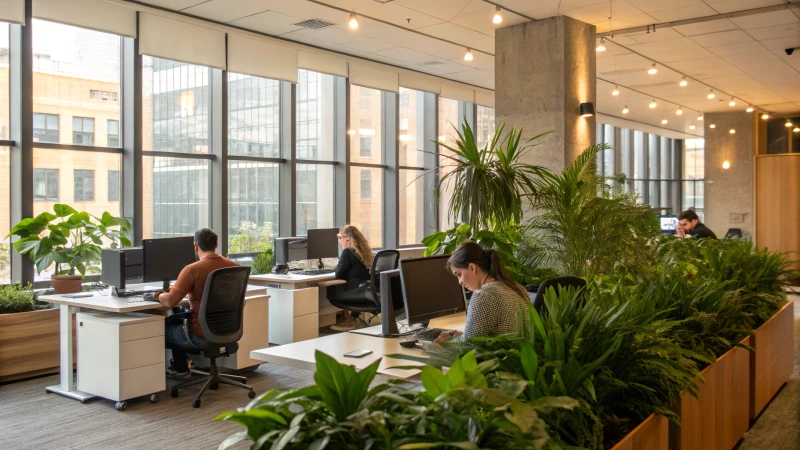
Understanding the Unified Glare Rating
I remember walking into my office one day, ready to tackle the mountain of work awaiting me. But instead of diving in, I found myself squinting at my computer screen, battling with the harsh overhead lighting. That's when I learned about the Unified Glare Rating3, a tool that could have saved my eyes and productivity. The UGR scale, from 10 to 30, helps architects and designers create spaces that are easy on the eyes by minimizing excessive brightness.
How UGR is Calculated
If you've ever wondered why some lights seem more bothersome than others, it boils down to how UGR is calculated. It takes into account several factors like the brightness of the light source, your position in the room, and the overall brightness around you. Here's a quick look:
| Parameter | Description |
|---|---|
| Luminance | Brightness from the light source |
| Background | Brightness of surroundings |
| Observer Position | Angle and distance from the light source |
Practical Applications of UGR
In my line of work, whether it's designing office spaces or planning classroom layouts, understanding UGR values is crucial. Aiming for a UGR of ≤19 is key in making sure spaces are comfortable and conducive to focus.
- Offices: Create spaces where employees can work comfortably without straining their eyes.
- Classrooms: Help students concentrate better without being distracted by glaring lights.
- Healthcare: Foster healing environments with soothing lighting for both patients and staff.
Tools for Managing UGR
Over time, I've discovered various strategies to manage UGR effectively. Incorporating indirect lighting or using anti-glare fixtures4 can make a huge difference by softening light and reducing direct exposure.
- Indirect Lighting: Provides a gentle, diffused light by reflecting off surfaces.
- Anti-Glare Fixtures: These include diffusers or baffles that protect our eyes from harsh light.
With these techniques, not only do we meet UGR standards, but we also create inviting and comfortable spaces. Delving into lighting specifications5 has helped me select the best products tailored to each project's unique needs.
UGR scale ranges from 10 to 30.True
The Unified Glare Rating (UGR) scale measures glare from 10 to 30.
Offices require a UGR of ≤25 for comfort.False
Offices typically aim for a UGR of ≤19 to ensure comfort.
How Can Indirect Lighting Reduce Glare?
Ever walked into a room and felt instantly at ease, but couldn't pinpoint why? It might just be the magic of indirect lighting at play.
Indirect lighting cuts glare by spreading light evenly across surfaces, which softens brightness and boosts comfort. This setup is perfect for task-focused areas, delivering gentle, ambient light without direct exposure.
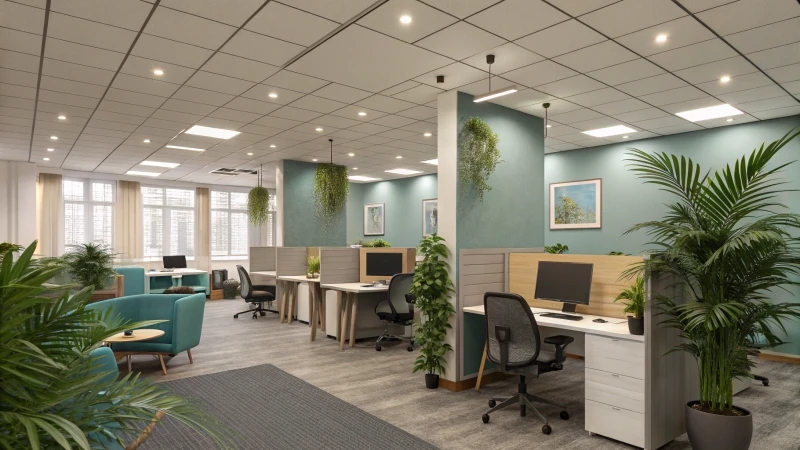
Understanding Glare and Its Impact
I remember the first time I realized the importance of good lighting. It was during a late-night work session where the harsh overhead lights left me squinting and uncomfortable. Glare is that sneaky culprit behind such discomfort, characterized by excessive brightness that can really mess with our vision. There are two types to be aware of: discomfort glare6, which just makes your eyes unhappy, and disability glare, which can outright impair your ability to see. Trust me, it's not something you want in your workspace or living room.
The Role of Indirect Lighting
When I discovered indirect lighting, it felt like a game-changer. Imagine bouncing light off your walls or ceiling so it wraps the room in a warm, diffused glow. This technique is brilliant because it keeps the direct light sources out of sight, effectively minimizing glare. It's no wonder it's a favorite in places where you want to feel relaxed and cozy, like hotels or even your own home.
| Lighting Strategy | Effect on Glare |
|---|---|
| Direct Lighting | High Glare |
| Indirect Lighting | Low Glare |
Applications of Indirect Lighting
Office Environments: I've seen firsthand how indirect lighting in offices can transform productivity. Keeping the Unified Glare Rating (UGR) at 19 or below makes working long hours so much more pleasant.
Residential Spaces: At home, there's nothing like the soft illumination from indirect lighting to make a space feel welcoming and reduce those harsh shadows.
Commercial Areas: In retail settings, indirect lighting is a subtle superstar, showcasing products without that annoying glare that could drive customers away.
Design Considerations
- Ceiling Height: If you’ve ever marveled at how elegant high ceilings look under indirect lighting, it’s because they provide ample space for light to disperse beautifully.
- Wall Colors: Using lighter shades on your walls can enhance this effect, increasing brightness without adding glare.
- Fixture Selection: Opting for fixtures with recessed optics or baffles can further cut down on direct light exposure. Go for designs with a high cutoff angle for optimal glare control.
Curious about how the Unified Glare Rating7 aids in selecting the best lighting setups for different environments? Find out more here8. And if you're on the hunt for the perfect fixtures for your space, check out our guide here9.
Indirect lighting reduces discomfort glare.True
By diffusing light across surfaces, indirect lighting minimizes discomfort glare.
Direct lighting is better for reducing glare than indirect lighting.False
Direct lighting often increases glare, while indirect lighting reduces it by diffusing light.
How Do Anti-Glare Fixtures Enhance Lighting Design?
Ever walked into a room and felt like the lights were practically attacking your eyes? I’ve been there, and that’s when anti-glare fixtures become a game-changer.
Anti-glare fixtures play a pivotal role in lighting design by reducing visual discomfort and enhancing visibility. They use features like recessed optics and diffusers to create environments that marry aesthetics with functionality, making them especially valuable in workspaces.

Understanding Glare and Its Impact
Let's be honest, glare can be a real headache—literally. I remember working late in an office with those overly bright overhead lights that seemed determined to burn holes in my retinas. That's discomfort glare for you. It might not mess with your visibility, but it sure makes you squint and frown.
Then there's disability glare, which is a whole other beast. It's the kind that can make even the simplest task feel like you're deciphering hieroglyphs under a spotlight.
| Type of Glare | Description |
|---|---|
| Discomfort Glare | Visual discomfort without affecting visibility. |
| Disability Glare | Reduces visibility, impairing task performance. |
So, if you're setting up an office or just want to make your home more comfortable, aiming for a Unified Glare Rating (UGR) of ≤19 is a smart move.
How Anti-Glare Fixtures Work
Anti-glare fixtures are like your lighting's best friend. They work hard so you don't have to deal with the headaches. Features like recessed optics, baffles, and diffusers are their secret weapons.
- Recessed Optics: These direct light downward and away from your eyes, letting you focus on what matters without the squint.
- Baffles: They're the unsung heroes that shield bulbs, making sure light doesn't blindside you.
- Diffusers: These spread light evenly across your space, softening any harshness.
Whether it’s for workstations or retail spaces, these features ensure focused yet comfy lighting.
Benefits in Commercial Spaces
In commercial environments, anti-glare fixtures10 are the unsung heroes of productivity. Think about it: ever tried working on a glossy screen with sunlight or bright overhead lights glaring back at you? It's not fun.
Key Features to Consider:
- High Cutoff Angles: More than 30°, so you don’t feel like you’re in a spotlight every time you move.
- Matte Finishes: They’re great at reducing those pesky reflections on shiny surfaces.
- Indirect Lighting: Bouncing light off walls or ceilings for that soft, ambient glow.
These elements make sure your space is not just stylish but also meets ergonomic standards for peak performance.
Applications in Modern Design
When it comes to modern design, anti-glare solutions are indispensable, especially in high dynamic range11 environments where stark luminance differences can cause discomfort. It reminds me of this one hotel lobby I visited, where everything was perfectly lit without any harsh shadows or blinding spots—it was like stepping into a perfectly balanced world.
By implementing zoned lighting designs that balance brightness throughout spaces, designers can create environments that are as functional as they are visually appealing. This is especially important in hospitality settings where atmosphere is everything.
Bringing these elements into your design strategy can transform any room into a more welcoming and productive place, enriching both the experience and the aesthetic appeal for everyone who enters.
Anti-glare fixtures reduce discomfort in office lighting.True
They minimize glare using recessed optics and diffusers, enhancing comfort.
A UGR of 25 is ideal for office environments.False
A UGR of ≤19 is recommended to minimize discomfort in offices.
Conclusion
This article explores glare in lighting design, detailing discomfort and disability glare, the Unified Glare Rating (UGR), and strategies for mitigating glare in various environments.
Learn about the benefits of high cutoff angles in reducing direct glare in lighting fixtures. ↩
Explore how visual ergonomics can enhance comfort and efficiency in various settings. ↩
Learn more about how UGR works to improve lighting environments and enhance visual comfort. ↩
Discover how anti-glare fixtures minimize discomfort and improve lighting quality. ↩
Find guidelines for choosing lighting systems that adhere to UGR standards. ↩
Learn how discomfort glare impacts productivity and find solutions to mitigate it for better work environments. ↩
Understand the importance of UGR in creating comfortable lighting environments and how it guides design choices. ↩
Understand the importance of UGR in creating comfortable lighting environments and how it guides design choices. ↩
Discover expert tips on choosing anti-glare fixtures to enhance visual comfort in office environments. ↩
Discover how anti-glare fixtures improve comfort and efficiency in commercial environments. ↩
Learn about managing lighting environments with high dynamic range to reduce glare. ↩