
Did you ever enter an office and suddenly notice a change in your feelings? Light has a strong impact on our work feelings. This influence is bigger than many people often think.
Lighting is essential in modern office design, boosting productivity, employee well-being, and creating an adaptable, energy-efficient environment. Human-centric lighting improves focus, reduces stress, and aligns with circadian rhythms. Energy-efficient lighting, such as LED and smart systems, offers significant cost savings and supports sustainability. Additionally, lighting enhances office aesthetics and reinforces company branding, fostering a positive work culture and improving employee satisfaction.
I think back to my own journey in office design. I remember visiting a workspace that felt refreshing. The natural light filled the room. It created a warm and inviting atmosphere. This experience uplifted my spirits. It taught me that lighting is more than just about visibility. Lighting creates a space that inspires productivity and well-being.
Join me as we explore the power of lighting in modern offices. Lighting changes spaces. It probably increases employee satisfaction. Innovative solutions fit in here. I’ll share ideas. These can turn your workspace into something not just functional, but truly inspiring.
Lighting significantly affects employee productivity in offices.True
Research shows that proper lighting can boost productivity by enhancing focus and reducing fatigue among employees.
Natural lighting has no impact on employee mood at work.False
Contrary to this claim, studies indicate that natural lighting positively influences employee mood and overall well-being.
How does lighting affect employee productivity?
Have you ever noticed how a bright, sunlit room fills you with energy and focus? Lighting goes beyond necessity. It acts as a powerful influence that shapes productivity and well-being at work. But, how does it really function?
Good lighting really helps employees work better. It improves focus and reduces tiredness. It also supports well-being. Human-Centric Lighting (HCL) strategies probably increase productivity by up to 13%. HCL creates healthier work environments.

The Importance of Proper Lighting
Proper lighting plays a significant role in enhancing workplace productivity. Many workplaces have dim and gloomy lighting, which often reduces work efficiency and productivity. Bright lighting really helps people focus better and feel less tired. Studies confirm this; good lighting greatly improves mood and performance.
For instance, a report from the International WELL Building Institute indicates that offices utilizing dynamic lighting systems that emulate natural daylight can boost productivity by up to 13%. Furthermore, companies with thoughtfully designed lighting have recorded a 15% decrease in employee fatigue, which translates directly into improved performance.
Human-Centric Lighting (HCL) and Employee Well-Being
Human-Centric Lighting (HCL) is an innovative approach that adjusts to mimic natural light cycles. This type of lighting is crucial for regulating circadian rhythms, which can enhance sleep quality and reduce stress among employees. A colleague told me their sleep and stress improved after their office switched to HCL. Better sleep, less stress!
According to the Journal of Environmental Psychology, workplaces that implement HCL report:
- 40% improvement in sleep quality
- 25% reduction in stress levels
This shift towards healthier lighting systems not only promotes well-being but also contributes to higher employee retention rates.
Energy Efficiency: Cost-Effective Solutions
Sustainability matters to me. Adopting energy-efficient lighting options, such as LED systems and smart controls, aligns both with sustainability goals and cost savings for companies.
| Type of Lighting | Energy Reduction | Benefits |
|---|---|---|
| LED | Up to 75% | Cost-effective, eco-friendly |
| Smart Systems | Variable | Enhanced control and efficiency |
By 2025, the market for energy-efficient office lighting is projected to grow at a 20% CAGR, driven by both economic and environmental considerations.
Flexible Workspaces and Customizable Lighting
Modern workspaces are increasingly designed to be flexible and adaptable. Adjustable lighting systems allow employees to tailor their workspace illumination based on personal preferences or specific tasks. In one open-concept office, employees could control their lighting. This change made everyone feel better and work more effectively.
According to a study by Steelcase:
- 40% of employees in flexible environments report greater focus and job satisfaction when they can control their lighting.
This customization promotes individual well-being while facilitating collaborative teamwork.
Aesthetic Appeal and Brand Identity
Lighting also plays a vital role in the aesthetics of an office environment, helping to reinforce brand identity. Good lighting creates a welcoming atmosphere; I visited a startup that used color-changing LEDs which set a creative tone aligning with their culture.
Research by CBRE shows:
- 65% of employees believe that office lighting influences their perception of a company’s culture.
Thus, creating a well-lit, aesthetically pleasing workspace can enhance brand loyalty and employee engagement.
Proper lighting can boost employee productivity by 13%.True
Dynamic lighting systems that mimic natural daylight significantly enhance focus, resulting in a measurable increase in productivity among employees.
Human-Centric Lighting reduces employee stress levels by 25%.True
Implementing Human-Centric Lighting in workplaces has been shown to lower stress levels, improving overall employee well-being and performance.
How can human-centric lighting transform your workplace?
Picture yourself entering an office where the atmosphere is as vibrant and cheerful as a sunshine-filled day. This is the charm of human-centric lighting! But what exact advantages does it offer in the workplace?
Human-centric lighting (HCL) in the workplace increases productivity. It helps improve focus and reduce tiredness. This lighting supports health by helping people sleep better. It also raises energy efficiency. These lights create flexible workspaces. They really improve office looks and strengthen brand identity. Brands look better.
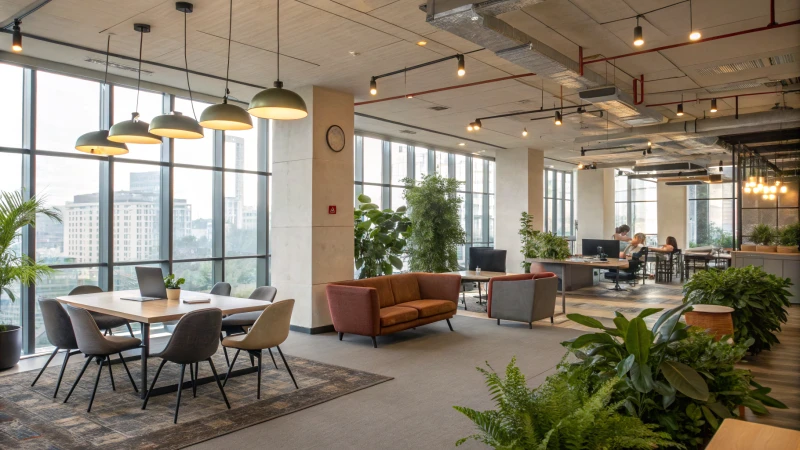
Improving Productivity and Employee Well-Being
Human-centric lighting (HCL) plays a pivotal role in enhancing workplace productivity. By mimicking natural light, HCL can improve focus and reduce fatigue, leading to a more positive work environment.
For example, the International WELL Building Institute found that dynamic lighting systems can increase productivity by up to 13%.
| Aspect | Impact |
|---|---|
| Focus | Improved by 13% |
| Fatigue | Reduced by 15% |
This shows a strong correlation between effective lighting and employee performance.
Supporting Health with Human-Centric Lighting
HCL helps regulate circadian rhythms, which are crucial for sleep quality and overall health.
A study published in the Journal of Environmental Psychology highlighted that offices utilizing HCL reported a 40% improvement in sleep quality.
| Health Benefits | Percentage Improvement |
|---|---|
| Sleep Quality | 40% |
| Stress Levels | 25% |
Implementing HCL can lead to healthier, more engaged employees, making it a vital consideration for modern office design.
Energy Efficiency and Sustainability
Adopting energy-efficient lighting solutions, such as LED and smart lighting systems, aligns with sustainability goals while also reducing operational costs.
LED lighting can reduce energy consumption by up to 75%, contributing significantly to cost savings.
| Lighting Type | Energy Reduction |
|---|---|
| LED | Up to 75% |
| Smart Systems | Variable (depends on usage) |
This not only supports the environment but also reflects corporate responsibility.
Creating a Flexible and Adaptable Workspace
Flexible workspaces benefit from adjustable lighting systems that allow employees to tailor their environment. This customization enhances comfort and productivity, with studies showing that:
- 40% of employees in flexible offices reported improved focus when they controlled their lighting.
| Flexibility Aspect | Employee Feedback |
|---|---|
| Focus Improvement | 40% |
| Job Satisfaction | Significantly increased |
Enhancing Office Aesthetics and Branding
Lighting contributes significantly to office aesthetics, which can reinforce brand identity. Creative lighting solutions create an inviting atmosphere that aligns with company culture.
According to CBRE, 65% of employees believe that office lighting impacts their perception of a company's culture, leading to enhanced brand loyalty.
| Aesthetic Impact | Employee Opinion |
|---|---|
| Brand Perception | 65% believe it's impactful |
| Cultural Alignment | Strong correlation |
Incorporating human-centric lighting not only improves the workplace environment but also supports a company's branding efforts.
Human-centric lighting improves workplace productivity by 13%.True
Studies show that dynamic lighting systems can enhance focus and productivity significantly, supporting employee performance.
LED lighting can reduce energy consumption by 75%.True
Implementing LED lighting solutions is proven to dramatically decrease energy usage, aligning with sustainability goals.
How can energy-efficient lighting contribute to sustainability goals?
Have you ever thought about how lighting affects our planet? Energy-efficient lighting transforms both businesses and the environment in incredible ways. This change is significant.
Energy-efficient lighting helps sustainability. It cuts down energy use and lowers carbon footprints. This lighting type also increases workplace productivity and employee happiness. Options such as LED lights and smart systems save a lot of money. They also provide big environmental advantages. Modern businesses find these technologies essential.

The Role of Energy-Efficient Lighting in Sustainability
Energy-efficient lighting, particularly through the use of LED technology and smart systems, plays a pivotal role in achieving sustainability goals. By significantly reducing energy consumption, businesses can cut costs and minimize their carbon footprint.
For instance, LED lighting1 can decrease energy use by up to 75%, which not only saves money but also leads to lower greenhouse gas emissions. This is a crucial step for companies aiming to meet their environmental targets.
Enhancing Workplace Productivity and Health
Moreover, the benefits of energy-efficient lighting extend beyond just cost savings. Proper lighting enhances productivity and employee well-being, crucial for any sustainable business model.
- Productivity Boost: Studies show that offices with effective lighting see a 15% reduction in employee fatigue and a 13% increase in productivity due to well-lit environments.
| Benefit | Impact on Employees |
|---|---|
| Reduced Fatigue | 15% improvement in focus |
| Increased Mood | Positive work environment |
| Enhanced Productivity | Up to 13% increase |
This demonstrates how investing in efficient lighting is not just an operational choice but a strategic move towards sustainable practices.
Supporting Health with Human-Centric Lighting
Human-centric lighting (HCL) imitates natural daylight cycles and has been shown to improve sleep quality by 40% and reduce stress levels by 25%. Better sleep truly transforms workplaces.
Such improvements directly correlate with reduced healthcare costs and increased employee retention, which are essential components of a sustainable workforce strategy.
Cost-Effectiveness and Environmental Impact
Additionally, the financial implications of switching to energy-efficient lighting systems cannot be overlooked. By adopting smart lighting controls, companies can optimize energy use and align their operations with sustainability goals.
| Type of Lighting | Energy Reduction | Cost Savings |
|---|---|---|
| Traditional Bulbs | 10-15% | High |
| LED Lighting | Up to 75% | Significant |
| Smart Systems | 30% additional saving | Substantial |
These systems not only decrease energy usage but also enhance the lifespan of the lighting, leading to lower replacement costs and waste.
Conclusion: A Multifaceted Approach to Sustainability
Ultimately, the integration of energy-efficient lighting into business practices contributes significantly to broader sustainability goals. Through smart technology2, businesses can ensure they are not only compliant with environmental regulations but are also actively participating in reducing their ecological impact. Energy-efficient lighting, therefore, represents a critical element in the quest for sustainable development across various sectors.
LED lighting can reduce energy use by up to 75%.True
LED technology significantly cuts energy consumption, leading to lower costs and emissions, making it a key player in sustainability efforts.
Energy-efficient lighting does not improve employee productivity.False
Contrary to this claim, studies show energy-efficient lighting enhances productivity by reducing fatigue and increasing focus in work environments.
What are the best practices for implementing flexible lighting solutions?
Sometimes, people walk into a room and feel full of energy. Other times, they feel very tired. Often, the lighting is the reason. Light can really create magic in a room. Flexible lighting changes the whole place. It brings joy to everyone who steps inside.
Successful implementation of flexible lighting solutions requires a focus on understanding user needs. Really understanding them is important. Use layered lighting techniques. Include smart technology to enhance functionality. Prioritize energy efficiency to save power. Create designs centered around users. These designs should cater to individual preferences and activities. Design according to what people like and do.

Setting up Flexible Lighting Solutions
Setting up flexible lighting solutions involves more than lighting up a room. It is about crafting an atmosphere that boosts productivity and nurtures well-being. From my personal experiences in designing spaces, I discovered that good lighting greatly influences the environment. Appropriate lighting truly changes everything. Here are some best practices I’ve gathered to help you design adaptable lighting systems effectively.
Understand Your Space and Needs
Before implementing flexible lighting solutions, it is crucial to assess the space and understand the specific needs of its users. Conducting an environmental assessment3 can provide insights into how natural light interacts with the workspace.
For instance, consider the following factors:
| Factor | Considerations |
|---|---|
| Room Functionality | Identify how different areas are used and adjust lighting accordingly. |
| User Preferences | Gather feedback from employees on their lighting preferences for optimal comfort. |
| Natural Light Sources | Assess the amount of natural light available during different times of the day. |
By tailoring your approach based on these insights, you can enhance both productivity and comfort.
Utilize Layered Lighting Techniques
Layered lighting is an effective strategy for creating adaptable environments. This involves combining different types of lighting—ambient, task, and accent—to achieve a versatile and functional lighting design.
You can implement this strategy by:
- Ambient Lighting: Provides general illumination and ensures the overall space is well-lit.
- Task Lighting: Focuses on specific areas where tasks are performed, such as desks or workstations.
- Accent Lighting: Highlights architectural features or artwork, adding aesthetic value to the space.
A well-planned layering approach can make spaces feel more dynamic and responsive to various activities. For more on layered lighting strategies4, consider exploring how each layer interacts with others.
Incorporate Smart Technology
Integrating smart lighting systems is a significant step towards flexibility. These systems allow for easy adjustments based on user needs and preferences through apps or automation. Some best practices include:
- Dimming Controls: Allow users to adjust brightness according to their activity or mood.
- Color Temperature Adjustments: Change the hue to mimic natural daylight or create a specific ambiance.
- Motion Sensors: Automatically turn lights on or off based on occupancy, saving energy when spaces are not in use.
Consider checking out smart lighting options5 that suit your specific needs.
Ensure Energy Efficiency and Sustainability
Energy-efficient lighting solutions not only reduce costs but also support sustainability efforts. Implementing LEDs, combined with smart controls, can lead to significant energy savings.
For effective energy management, consider:
- Energy Audits: Regularly assess lighting systems to identify opportunities for efficiency improvements.
- Renewable Energy Sources: Explore integrating solar-powered lighting in outdoor spaces.
- Recycling Programs: Establish programs for disposing of old lighting materials responsibly.
By focusing on energy efficiency, businesses can align with corporate sustainability goals while benefiting from lower operational costs. You can learn more about energy-efficient lighting6 strategies.
Create User-Centric Designs
Designing flexible lighting solutions should prioritize user experience. Engaging with employees during the planning phase can lead to better outcomes. Strategies include:
- Surveys and Feedback: Regularly seek input on lighting effectiveness and comfort levels.
- Flexible Workspaces: Allow employees to customize their individual workstations with adjustable lighting options.
Ultimately, user-centric designs can enhance job satisfaction and productivity, leading to a more engaged workforce. For further insights into user-centric lighting design7, explore best practices from industry leaders.
Layered lighting enhances workspace adaptability and comfort.True
Using ambient, task, and accent lighting creates a versatile environment that meets various user needs.
Smart lighting systems waste energy in flexible designs.False
Smart lighting systems, including motion sensors, actually save energy by adjusting based on occupancy and user preferences.
Conclusion
Effective lighting in modern offices boosts productivity and employee well-being by enhancing focus and reducing fatigue through human-centric designs.
- Explore innovative strategies that highlight the importance of energy-efficient lighting in achieving sustainability goals. ↩
- Learn about the latest trends and technologies in energy-efficient lighting that align with corporate sustainability initiatives. ↩
- Clicking this link will provide you with detailed insights into the importance of understanding your space's unique lighting needs. ↩
- This resource offers a comprehensive guide on layered lighting techniques that enhance space adaptability. ↩
- Explore smart technology options that can optimize your lighting solutions for better energy efficiency. ↩
- Learn more about strategies for improving energy efficiency in your lighting design. ↩
- Discover user-centric design principles that can significantly improve employee satisfaction and productivity. ↩