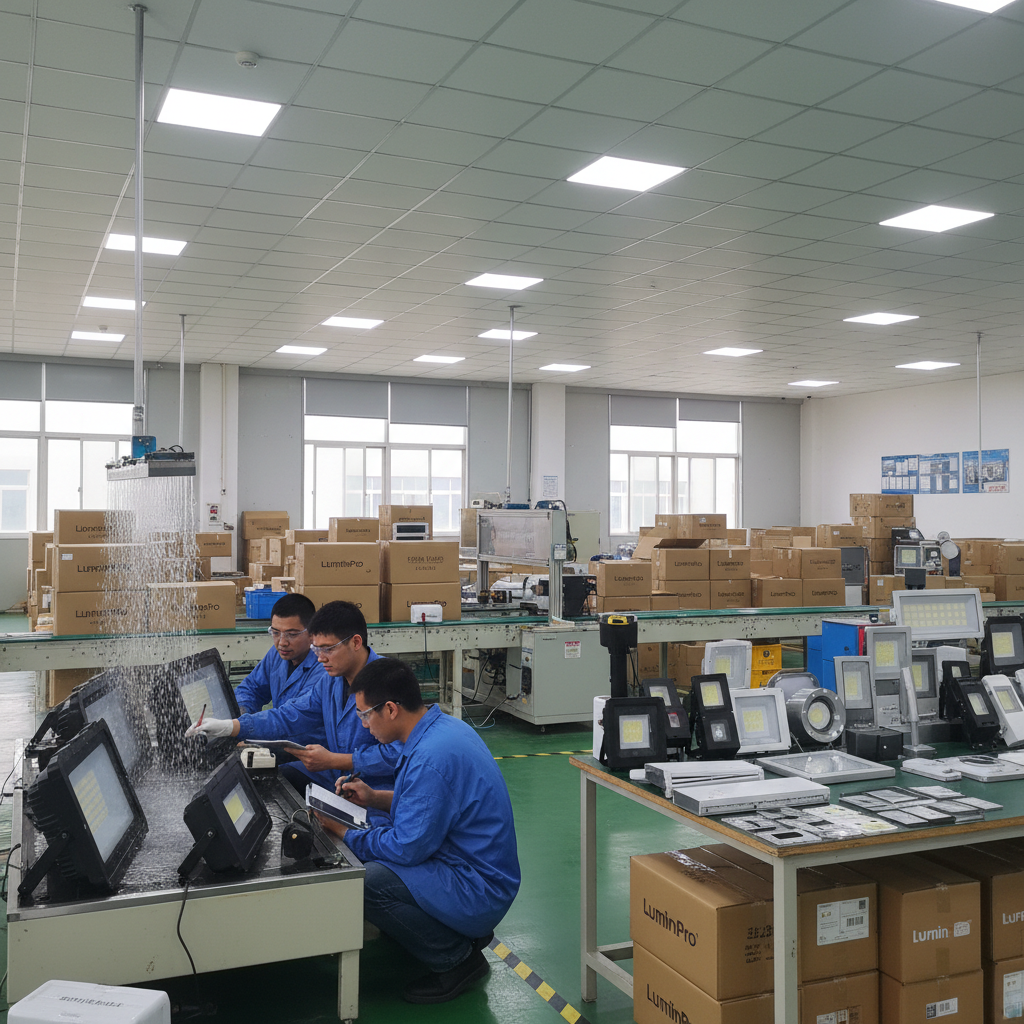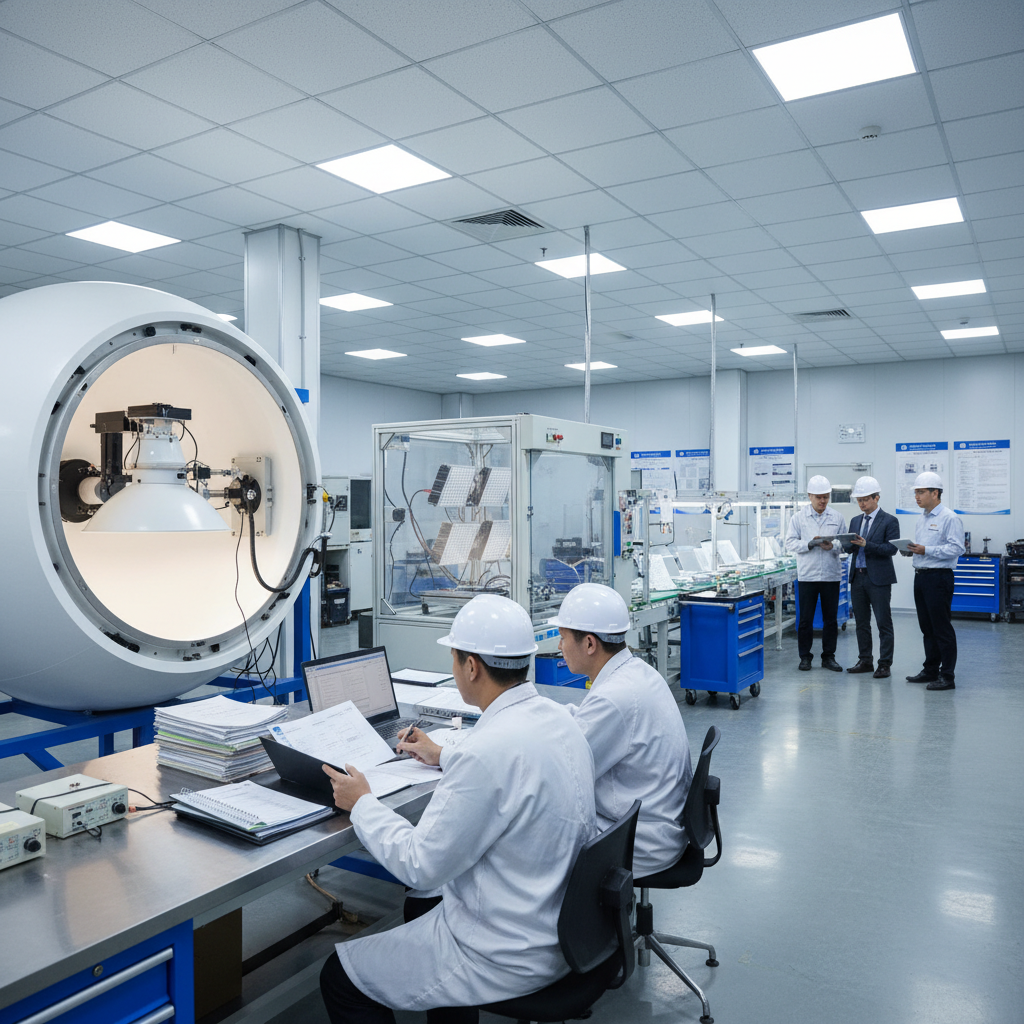

When I first discovered LED wall packs, I was amazed at how much longer they last compared to traditional lights.
LED wall pack lights last between 50,000 to 100,000 hours, significantly outlasting traditional lighting options like metal halide or sodium lights. Factors like heat dissipation, quality of LEDs, and weatherproof features (IP65+) contribute to their long lifespan. With smart controls like motion sensors and dimming, LED wall packs can last even longer, with some offering up to 10 years of service. Always check for a warranty to ensure long-term reliability and performance.
Initially, I was skeptical about the lifespan claims of LED wall packs. But after switching from traditional lighting and experiencing their longevity firsthand, I was convinced. The secret to their durability lies not just in the technology but also in quality and maintenance. With proper heat management and smart controls, I've seen these lights easily surpass their expected lifespan, saving me both time and money. Exploring these factors can help you make the most out of your investment in LED wall packs.
LED wall packs last up to 100,000 hours.True
LED wall packs have a lifespan of 50,000 to 100,000 hours.
Traditional lights last longer than LED wall packs.False
Traditional lights last 15,000 to 30,000 hours, less than LEDs.
Why Choose LED Wall Packs Over Traditional Lighting?
Ever found yourself squinting at those old, flickering lights, wondering if there's a brighter, more efficient solution out there?
LED wall packs outshine traditional lighting with their remarkable longevity, energy efficiency, and minimal maintenance needs. While traditional lights last about 15,000-30,000 hours, LEDs boast a lifespan of 50,000-100,000 hours, providing long-term savings and reliability.
%[Urban scene at dusk with contrasting lighting]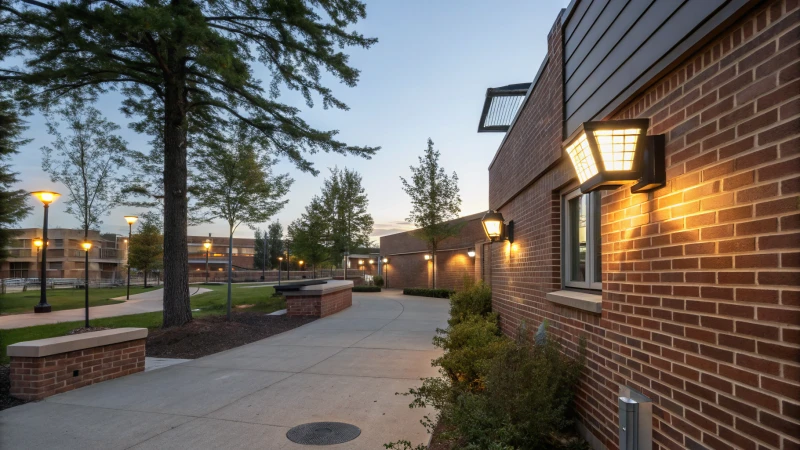
Longevity and Durability
Remember the time I had to replace the parking lot lights every few months? It was such a hassle. With LED wall packs, those days are over. They last a jaw-dropping 50,000 to 100,000 hours. Compare that to the mere 15,000-30,000 hours you get from metal halide or sodium lamps. The extended lifespan means fewer replacements and lower maintenance costs—a win-win for anyone tired of climbing ladders every other month.
Heat Management in LEDs
It's like having a built-in fan system that keeps things cool. Quality LEDs have advanced heat management through aluminum housing or heat sinks. This feature is crucial because poor heat management can drastically cut short the life of your lights. Imagine a world where your lights could last up to 30% longer just because they keep their cool—literally.
Energy Efficiency
My electricity bill used to shock me more than the lights themselves! LED wall packs consume up to 75% less energy than their traditional counterparts. Not only does this translate to a lighter utility bill, but it also means you’re reducing your carbon footprint—talk about lighting the way to a greener planet.
Smart Controls and Energy Optimization
Ever wish your lights knew when to dim or brighten without you lifting a finger? Modern LED wall packs do just that with features like motion sensors and dimming functions. These smart controls optimize energy use1 and can extend your fixture's lifespan by reducing unnecessary operation.
| Feature | LED Wall Packs | Traditional Lighting |
|---|---|---|
| Lifespan | 50,000-100,000 hours | 15,000-30,000 hours |
| Energy Consumption | Up to 75% less | Higher energy usage |
| Maintenance | Minimal | Frequent bulb replacements |
Environmental Impact
Switching to LEDs is like giving Mother Nature a hug. They use eco-friendly materials and reduce environmental footprints significantly. As more of us look for sustainable solutions2, LEDs offer a greener alternative by minimizing waste through extended life cycles and reduced energy consumption.
Cost Considerations
I remember balking at the initial cost of LED wall packs. But when I crunched the numbers, the long-term savings were undeniable. Lower energy costs and minimal maintenance make them a cost-effective choice over time. Those savings can quickly offset any upfront expenses.
Warranty and Reliability
It’s like having insurance for your lights! Reputable manufacturers offer warranties of up to 5-10 years on LED wall packs, ensuring you're investing in durability and low failure rates. Always check for a warranty to ensure investment reliability3.
Versatility and Applications
LED wall packs come in all shapes and sizes, fitting perfectly in everything from commercial buildings to cozy residential spaces. Their versatility allows for tailored lighting solutions that not only meet specific needs but also enhance aesthetics—it’s like giving your building a facelift without the surgery.
LED wall packs last up to 100,000 hours.True
LEDs have a lifespan of 50,000-100,000 hours, outliving traditional lights.
Traditional lighting consumes less energy than LED wall packs.False
LEDs use up to 75% less energy compared to traditional lighting.
What Factors Affect the Longevity of LED Wall Packs?
You know, I've always been fascinated by how long LED wall packs can last. It’s like they have their own little secret to longevity.
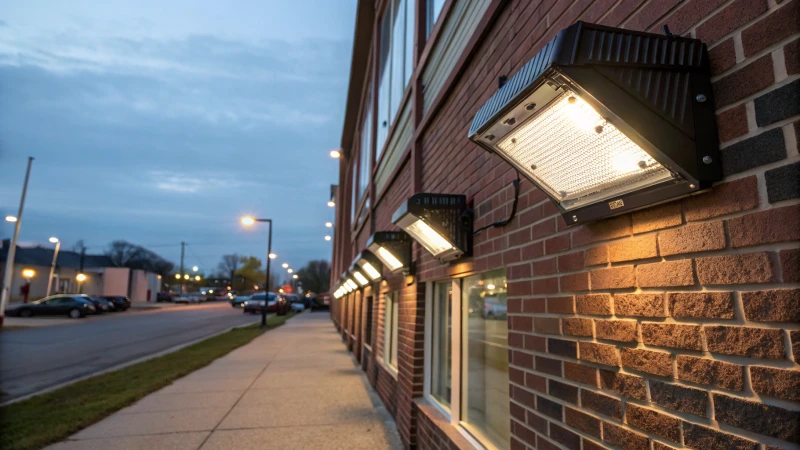
The longevity of LED wall packs is mostly influenced by heat management, component quality, environmental factors, and usage patterns. With proper installation and maintenance, these lights can shine brightly for years.
Quality of Components
One day, I found myself pondering over the lifespan of these tiny marvels. It turns out, the quality of LED components is a game-changer. High-quality LEDs are built to endure high temperatures and consistently perform over time. It's like choosing between a generic store brand and a well-known name—opting for reputable manufacturers with solid warranties4 ensures reliability.
Heat Management
I remember the first time I learned about heat sinks. It was a revelation! The right heat dissipation techniques are crucial for prolonging the life of LED wall packs. Many advanced models come with integrated heat sinks5 or aluminum housing, which effectively manage heat.
| Feature | Benefit |
|---|---|
| Aluminum Housing | Enhances heat dissipation |
| Heat Sinks | Reduces thermal buildup |
If these chips overheat, they can degrade faster than you'd expect.
Environmental Conditions
I’ve seen my fair share of LED wall packs battling the elements. Those with a high IP (Ingress Protection) rating, like IP65 or higher6, stand strong against dust and moisture. It’s like having a raincoat on a stormy day—critical for protecting internal components.
Smart Controls and Usage Patterns
Incorporating smart controls was a game-changer in my projects. Features like motion sensors and dimmers reduce unnecessary operation, thereby extending lifespan. These smart features7 optimize energy use by adjusting brightness according to ambient light levels or occupancy.
Installation and Maintenance
I’ve learned that proper installation is more than just following guidelines—it's about ensuring each connection is secure and every seal is tight. This prevents moisture ingress and potential electrical failures. Regular maintenance checks are like doctor visits for your lights—they help catch issues early, preserving the fixture’s longevity.
High-quality LEDs withstand high temperatures.True
Quality components endure heat, ensuring LED longevity.
LEDs with poor heat management last longer.False
Poor heat dissipation leads to overheating, reducing lifespan.
Can Smart Controls Enhance the Lifespan of LED Wall Packs?
Ever wondered if smart controls could be the secret to making your LED wall packs last longer?
Smart controls can significantly enhance the lifespan of LED wall packs by reducing energy consumption and operational hours. By utilizing features such as motion sensors and dimming functions, these technologies minimize unnecessary usage, thereby optimizing performance and extending durability.
The Role of Smart Controls in LED Longevity
When I first heard about smart controls for LED wall packs, it was like discovering a hidden superpower in lighting technology. Imagine having the ability to control when and how much your lights operate, all while extending their lifespan. These smart controls—featuring motion sensors, dimming capabilities, and photocells—are revolutionizing the way we manage energy efficiency8 in our lighting systems.
How Motion Sensors Extend Lifespan
I remember walking into a dimly lit parking lot late one night, and the lights suddenly flickered on, thanks to motion sensors. It struck me then how clever this technology is—not only does it make spaces safer, but it also reduces wear and tear on the lights. By ensuring LEDs only illuminate when needed, motion sensors significantly cut down on unnecessary usage.
| Feature | Benefits |
|---|---|
| Motion Sensors | Reduced operational time |
| Dimming Functions | Lower energy consumption |
| Photocells | Automated lighting based on daylight |
Dimming Functions and Energy Management
I've often noticed that some areas just don't require full brightness all the time. With dimming functions, you can adjust LED wall packs to suit different needs, saving energy and reducing thermal stress on the lights. This not only conserves energy but also helps with heat management9, ensuring your LEDs have a long and healthy life.
Photocells for Daylight Integration
Photocells are like having a lighting assistant that adjusts your lights based on the time of day. They ensure LEDs are only active when necessary, which prevents them from burning out quickly due to overuse during daylight. It's like giving your lighting system a much-needed break, saving on energy costs and maintenance.
Examples of Smart Control Benefits
In one of my projects at a bustling commercial facility, we integrated LED wall packs with smart controls. The results were astounding—a 30% reduction in energy bills! Not only did this cut costs, but it also lengthened the lifespan of our lighting systems significantly. This is especially beneficial in industrial settings where overuse can lead to costly lighting system failures10.
Thinking about implementing smart controls? They offer unique advantages tailored to different environments and usage patterns, making them a wise investment for anyone looking to enhance longevity and performance in their lighting systems.
Motion sensors reduce LED wall pack operational time.True
Motion sensors activate lights only when needed, reducing usage.
Dimming functions increase energy consumption in LEDs.False
Dimming reduces brightness and energy use, lowering thermal stress.
How Do You Choose the Best LED Wall Pack?
Imagine having the perfect LED wall pack that lights up your space efficiently and lasts for years.
When choosing a quality LED wall pack, prioritize high lumens, effective heat management, and smart controls. Ensure it has an IP65 or higher rating for weather resistance and a warranty from a reputable manufacturer.

Brightness and Efficiency
I remember standing outside my first big project, staring at the dull glow of outdated lighting, knowing there had to be a better way. It was then I learned the importance of lumens in LED wall packs. High lumens ensure your space is brightly lit, while lumens per watt (LPW) indicate energy efficiency11. Here's a simple guide I often use:
| Lumens | Application |
|---|---|
| 2,000-4,000 | Residential Outdoor |
| 5,000-10,000 | Commercial Areas |
| 10,000+ | Industrial Sites |
Heat Management
In my journey of finding reliable lighting solutions, I discovered that heat management is crucial for longevity. Look for LED wall packs with aluminum housings or heat sinks. These features are not just technical jargon—they are essential to keep your lights cool and lasting longer. Effective heat management12 prolongs lifespan by preventing overheating.
Smart Controls and Features
One thing I absolutely love about modern LED wall packs is their smart controls. Imagine coming home to lights that automatically adjust based on your needs—saving energy and extending the life of your lights. Ensure your choice has these smart technology13 options; they’re game-changers.
Weather Resistance
If you've ever dealt with outdoor lighting failing due to rain or dust, you'll appreciate the importance of an IP65 rating. It’s like having a protective shield for your lights, ensuring they withstand the elements with minimal fuss.
Warranty and Manufacturer Trust
Lastly, trust me when I say a good warranty is your best friend. A 5-10 year guarantee from a reputable manufacturer is more than just peace of mind; it’s a testament to the product's quality. Dive into reviews and brand reputation—it pays off in the long run.
By focusing on these key factors14, you can find the perfect LED wall pack that’s reliable and efficient for any project.
LED wall packs with IP65 rating are weather-resistant.True
IP65 rating ensures protection against dust and water, ideal for outdoor use.
All LED wall packs have built-in smart controls.False
Not all LED wall packs come with smart features like motion sensors or dimming.
Conclusion
LED wall packs last 50,000 to 100,000 hours, significantly outlasting traditional lights. Their longevity is enhanced by heat management, smart controls, and quality components, offering energy efficiency and minimal maintenance.
- Learn how integrating smart controls can optimize energy use and extend the operational life of LED lighting fixtures. ↩
- Explore how LEDs contribute to sustainability through their low energy consumption and minimal environmental impact. ↩
- Understand the value of checking warranty options to ensure long-term reliability and investment protection in LED products. ↩
- A long warranty indicates product reliability, ensuring peace of mind and potentially lowering long-term costs. ↩
- Understanding heat management helps in choosing LEDs with superior performance and extended lifespan. ↩
- Learn how an IP65 rating ensures protection against dust and water, enhancing durability. ↩
- Discover how smart controls can save energy and extend the operational life of LEDs. ↩
- Discover how smart lighting solutions optimize energy consumption, reducing operational costs and extending product lifespan. ↩
- Learn why effective heat management is crucial for maximizing LED performance and longevity. ↩
- Explore strategies to minimize failure risks in LED systems through smart control integration. ↩
- Learn why lumens per watt (LPW) is crucial for assessing energy efficiency in LED lights. ↩
- Explore how effective heat management prolongs the lifespan of LED wall packs. ↩
- Discover how smart controls enhance the functionality and efficiency of LED lighting. ↩
- Find comprehensive guidance on selecting the best quality LED wall pack for your needs. ↩