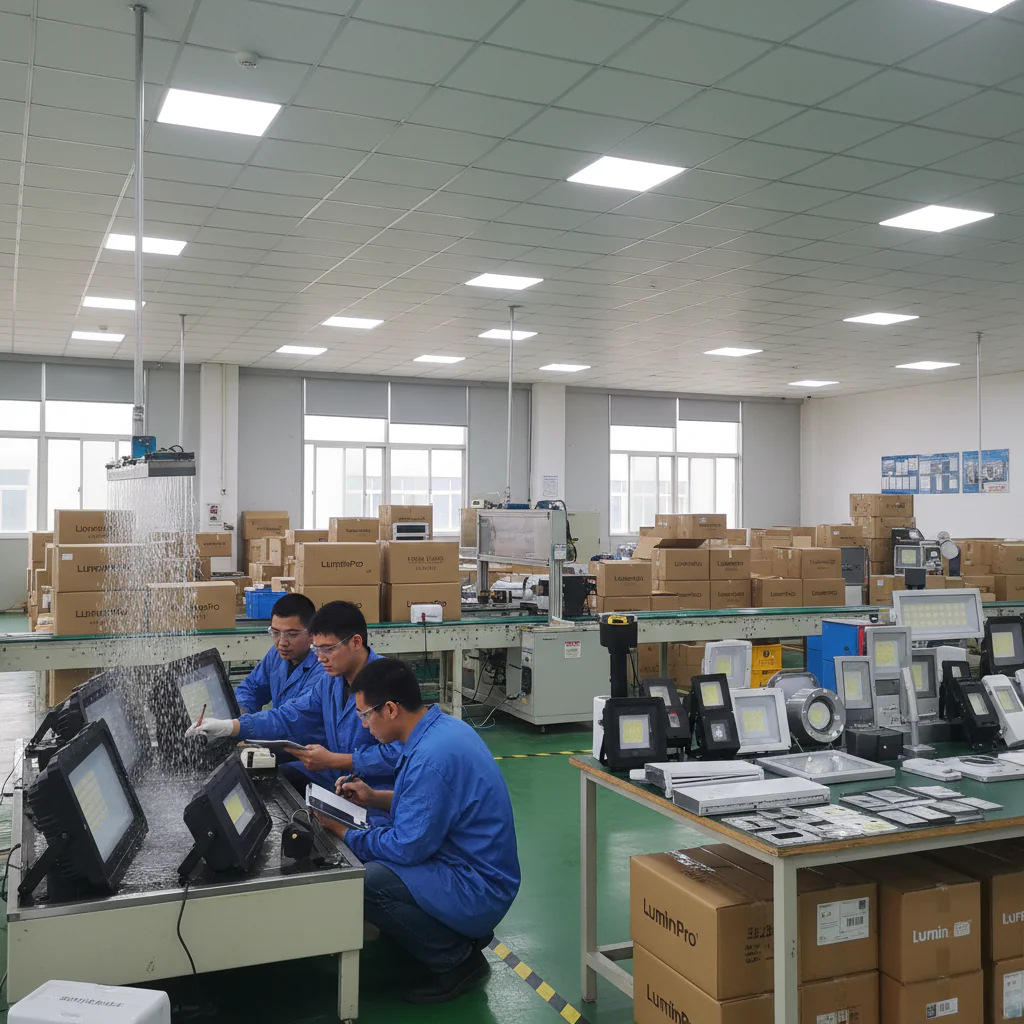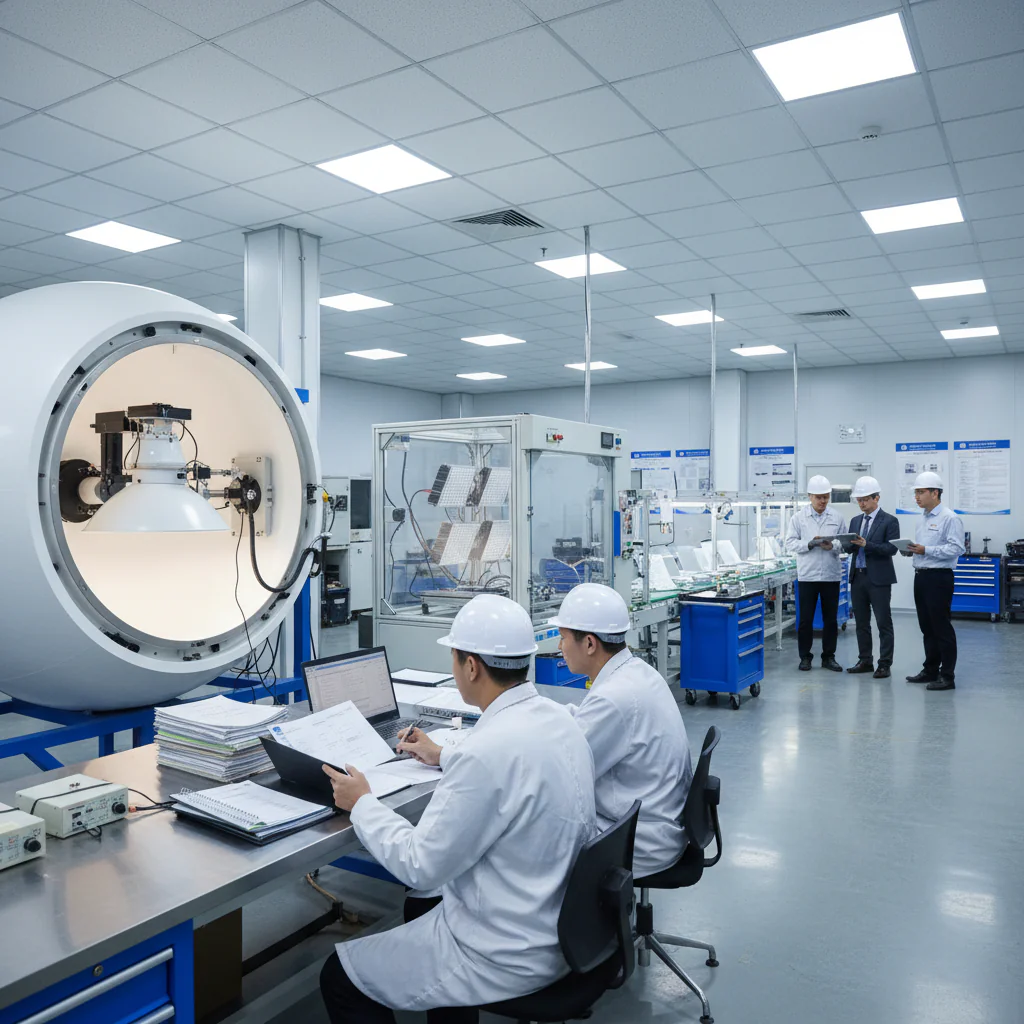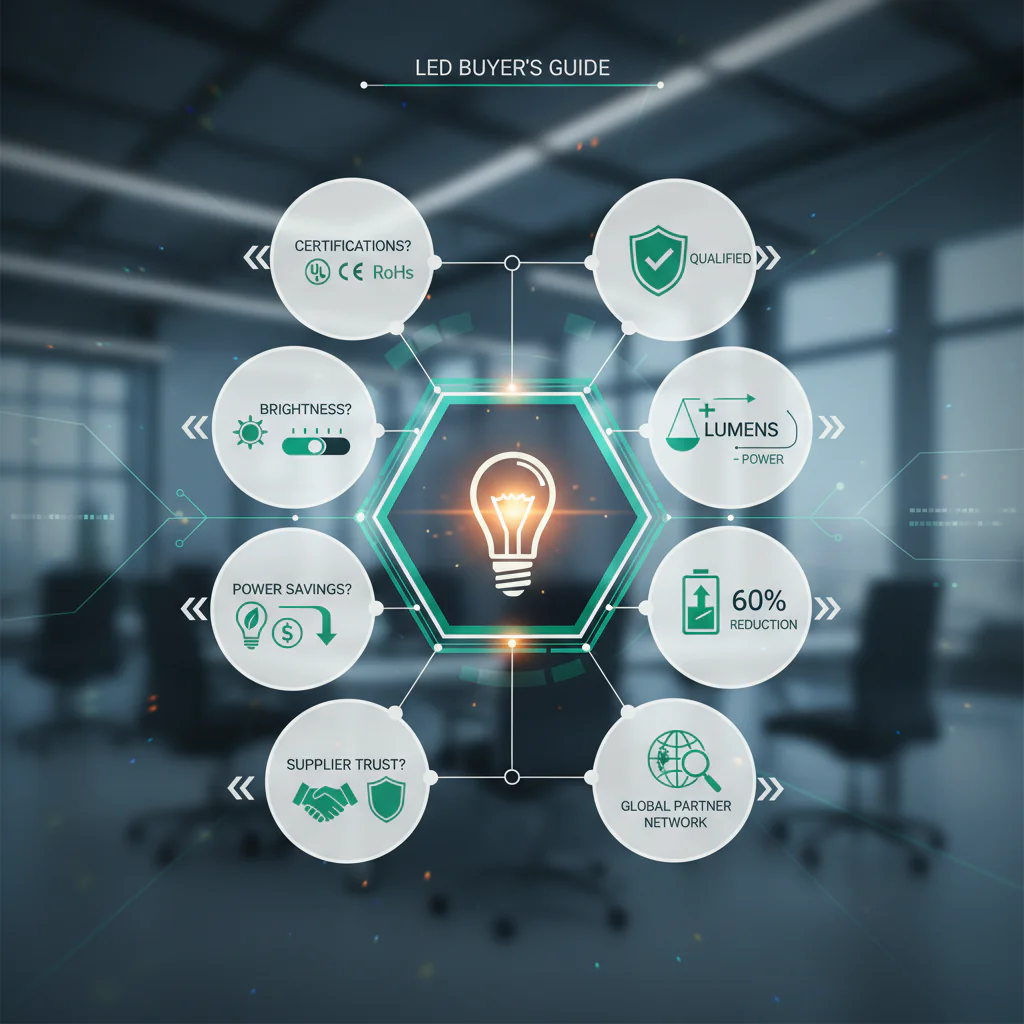

Are you ready to brighten your projects with lovely, budget-friendly lights from China? Explore my journey of importing and uncover the best tips together!
To import lights from China well, find trustworthy suppliers, learn shipping details, understand customs rules and plan for expenses. This method really helps in having a smooth importing process. It also really increases your investment returns.
I remember the first time I chose to import lighting systems from China. The task seemed really intimidating - like entering unknown territory. Over the years, I discovered that finding trustworthy suppliers, understanding shipping logistics and dealing with customs rules turns fear into excitement. Planning for expenses is also very important, so you don’t end up in financial trouble. Following these steps has not only made the process simple but also increased my profits!
Reputable suppliers are essential for importing lights from China.True
Finding reputable suppliers ensures product quality and reliability in your imports, which is crucial for success in the lighting industry.
Understanding shipping logistics is unnecessary for importing lights.False
Shipping logistics are critical to ensure timely delivery and cost-effectiveness when importing products from abroad, including lights.
What Are the Key Steps in Finding Reliable Suppliers?
Locating trustworthy suppliers seems like a difficult job, yet it is vital for having your business operate without issues. Here are the main steps that directed my path in searching for suppliers.
To locate trustworthy suppliers, define your needs clearly. Conduct thorough research on the market. Assess the suppliers' abilities carefully. Request samples to test their quality. Establish open communication with them. Negotiate terms that suit both parties. Monitor their performance consistently. Reliable suppliers are essential for success.

To find reliable suppliers, one must follow a structured approach. This process not only helps in identifying potential partners but also ensures that the selected suppliers align with your business needs and standards. Let's break down the key steps:
1. Define Your Requirements
Clearly outline what you need from a supplier. This includes product specifications, quality standards, and delivery timelines. Having a detailed list helps in evaluating potential suppliers effectively.
For example:
| Requirement Type | Specifics |
|---|---|
| Product Type | LED Lighting Systems |
| Quality Standards | ISO 9001 certified |
| Delivery Timeline | Within 4 weeks |
This clarity aids in streamlining the supplier search process. For more on creating effective requirements, check out how to define sourcing requirements1.
2. Conduct Market Research
Leverage platforms like LinkedIn and Alibaba to gather information on potential suppliers. Look for those with a solid reputation and extensive experience in your industry. Attending international exhibitions can also provide insights into leading suppliers.
Consider these aspects while researching:
- Company history and experience in your sector
- Reviews and ratings from other customers
- Compliance with industry standards
For tips on effective market research, read strategies for supplier research2.
3. Evaluate Supplier Capabilities
Assess suppliers based on their ability to meet your specific requirements. This can involve reviewing their production capacity, technology, and quality assurance processes. Ask for documentation such as certifications and case studies to validate their claims.
An evaluation checklist might include:
| Evaluation Criteria | Yes/No |
|---|---|
| Capacity to meet demand | |
| Quality control measures | |
| Customer service support |
Understanding their capabilities is crucial for making an informed choice. For further guidance, explore how to assess supplier capabilities3.
4. Request Samples and Prototypes
Before committing to a supplier, request samples or prototypes of their products. This allows you to assess quality firsthand and ensure that their offerings meet your standards.
When evaluating samples, consider:
- Quality of materials used
- Compliance with specifications
- Performance testing results
For a deeper dive into product evaluation, see evaluating supplier samples4.
5. Establish Communication Channels
Effective communication is vital for a successful supplier relationship. Ensure that you have clear lines of communication with potential suppliers to discuss expectations and resolve issues promptly.
Key communication aspects include:
- Regular updates on production status
- Availability for discussions and feedback
- Clarity in contractual obligations
Learn more about fostering good communication with suppliers in best practices for supplier communication5.
6. Negotiate Terms and Conditions
When I find a suitable supplier, negotiation is the next step. It’s about finding a balance where both parties feel secure and valued.
Here’s a quick checklist I refer to during negotiations:
| Negotiation Point | Details |
|---|---|
| Price per unit | |
| Payment terms | |
| Lead time for delivery |
Effective negotiation often leads to great agreements. For tips, refer to negotiation tactics with suppliers6.
7. Monitor Supplier Performance
The journey doesn’t end when the supplier is onboarded. Monitoring their performance is crucial for continuing success.
Regular assessments often help catch issues before they become big problems.
Performance metrics to track:
| Metric | Frequency |
|---|---|
| On-time delivery rate | Monthly |
| Product quality ratings | Quarterly |
| Responsiveness | Ongoing |
Monitoring is essential for long-term success in supplier relationships. To learn more about performance monitoring, visit how to monitor supplier performance7.
Defining requirements is crucial for supplier selection.True
Clearly outlining your needs aids in effectively evaluating potential suppliers and ensures alignment with business standards.
Requesting samples helps assess product quality.True
Obtaining samples allows for firsthand evaluation of materials, compliance, and performance before finalizing a supplier.
Have you ever felt confused by the complicated details of shipping lights from another country? I understand that feeling. We should simplify it to make things easier together.
Understanding shipping logistics for bringing in lights really needs a good knowledge of shipping methods and customs rules. Building a strong bond with suppliers is very crucial. Using risk management strategies helps to keep the import process smooth and avoid problems. Risk management is really important to prevent issues.

Understanding the Shipping Process
Navigating shipping logistics for imported lights involves several key steps. Firstly, you need to choose the right shipping method. Options include air freight for speed and sea freight for cost-effectiveness.
Key Shipping Methods
| Method | Pros | Cons |
|---|---|---|
| Air Freight | Fast delivery, less risk of damage | Higher costs |
| Sea Freight | Cost-effective for large volumes | Longer transit times |
For businesses like Michael's, where timely delivery can impact project timelines, weighing these options is crucial.
Customs Regulations
Understanding customs regulations in your target country is essential. You must ensure compliance with local laws to avoid delays or fines. This often involves:
- Harmonized System Codes: Classifying your goods correctly to determine duties and taxes.
- Import Licenses: Obtaining necessary permits for certain types of lighting products.
- Documentation: Preparing invoices, bills of lading, and packing lists accurately.
Failing to adhere to these regulations can lead to significant disruptions in your supply chain. Learn more about customs regulations8.
Working with Suppliers
Establishing a strong relationship with suppliers can simplify logistics. Communication is key to overcoming challenges such as quality inconsistencies or delays. Tips include:
- Clear Agreements: Define quality standards and delivery timelines in contracts.
- Regular Updates: Maintain open lines of communication to track orders and resolve issues swiftly.
- Visit Suppliers: Whenever possible, visit the production facilities to foster trust and understanding.
Risk Management Strategies
Identifying potential risks in shipping logistics is vital for successful importation. Consider:
- Insurance: Insure your shipments against loss or damage during transit.
- Backup Suppliers: Having alternative suppliers can mitigate risks of shortages or delays.
- Customs Brokers: Hiring experts can ease the burden of navigating complex import regulations.
Conclusion: Ensuring Smooth Import Logistics
By focusing on these aspects, businesses like Michael’s can better navigate the complexities of shipping logistics when importing lights. For a deeper dive into optimizing your shipping strategy, check out this insightful article9.
Air freight is the cheapest option for importing lights.False
This claim is false; air freight is typically more expensive than sea freight, especially for large volumes.
Customs regulations are crucial for successful light imports.True
True, understanding customs regulations helps avoid delays and fines during the import process.
What Customs Regulations Should You Be Aware Of?
Customs rules often seem like a maze. I remember my first trip abroad; I felt totally lost. Knowing what is allowed, what requires declaring and any limits truly saves travelers from annoying problems. This knowledge really helps.
Learn the rules about what you cannot bring, tax-free limits and what you must declare before you travel. This knowledge helps you avoid fines. Enjoy your trip more.
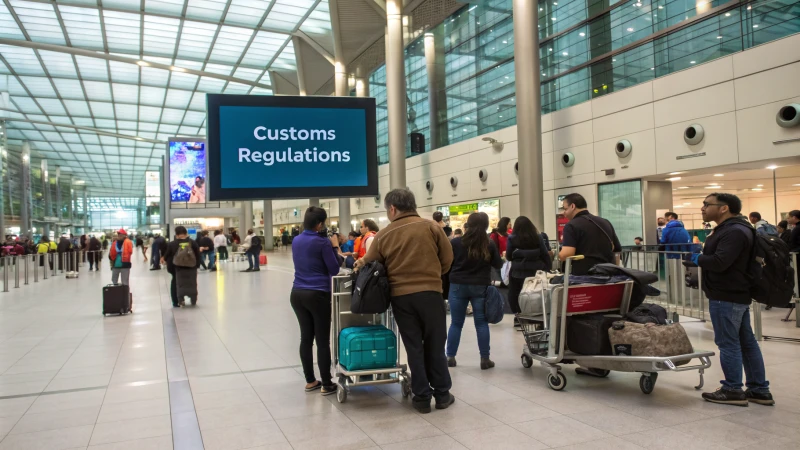
Understanding Customs Regulations
When traveling to other countries, remembering customs rules is very important. Understanding what you cannot bring, how much you may bring without paying extra taxes and what you need to declare is key. This knowledge really marks the line between a smooth trip and a difficult one with fines and delays. Let's talk more about what you need to know.
What Can You Bring?
Different countries have varying regulations regarding items you can bring across borders. Common categories include:
| Item Type | Allowed/Restricted |
|---|---|
| Food items | Often restricted, check local rules |
| Electronics | Generally allowed, but declare expensive items |
| Alcohol | Limited quantities allowed |
| Medicines | Must carry prescriptions |
For more specific guidance, refer to customs allowances10.
Declaring Items
It’s vital to declare items that exceed the duty-free allowance or are restricted. Not declaring can lead to hefty fines or confiscation. For example:
- Duty-free allowances vary by country.
- Common threshold is up to $800 worth of goods.
Always keep receipts for high-value items to facilitate declaration.
Prohibited Items
Many countries have a list of prohibited items that cannot be brought in. These may include:
- Certain agricultural products
- Weapons and explosives
- Counterfeit goods
Checking the prohibited items list11 of your destination country is crucial before traveling.
Taxes and Duties
In addition to customs regulations, be aware of taxes and duties that may apply to your goods. Each country has its own policy on:
- Import taxes based on value.
- Value-added tax (VAT) on certain items.
To get a clearer understanding of potential costs, check out import tax regulations12.
Tips for Smooth Customs Processing
- Research ahead: Understand the specific customs rules of your destination.
- Keep documents handy: Have your passport, travel itinerary, and any required permits ready for inspection.
- Be honest: Declare all items truthfully to avoid penalties.
- Use a customs broker: If you are importing goods for business, a broker can assist with the process.
For more insights, visit customs processing tips13.
All food items are allowed across international borders.False
This claim is false as many countries restrict food items to prevent pests and diseases.
You must declare high-value electronics when traveling.True
This claim is true; expensive electronics often require declaration to avoid fines or confiscation.
What Costs Should You Consider When Importing Lighting Products?
Importing lighting products may seem confusing, but it is not impossible! Let's work through the costs so you feel confident when planning your next project.
When importing lighting products, people need to think about import duties. Shipping fees are also important. Supplier quotations play a role as well. Regulatory compliance costs are involved. Coordination charges for logistics are another factor. Understanding these costs helps with budgeting. This understanding keeps the project on track. It also helps keep the project within budget.

Understanding Import Duties and Taxes
When I first began bringing in lighting products, surprises appeared with unexpected costs everywhere. It seemed like a puzzle going on and on forever! Understand these important costs so you do not face the same situation. These costs can vary significantly depending on the country of origin, the product type, and the destination country's regulations.
For instance, many countries classify lighting products under specific tariff codes, which determine the applicable duty rates. It's essential to check the customs duty rates14 for your specific lighting products in Canada to avoid unexpected costs.
Shipping Costs
Shipping costs can be one of the most significant expenses when importing products. Factors influencing shipping costs include:
- Shipping Method: Air freight is faster but more expensive than ocean freight.
- Volume and Weight: Heavier and larger shipments will incur higher fees.
- Insurance: Protecting your shipment against loss or damage can add to the cost.
| Shipping Method | Estimated Cost | Transit Time |
|---|---|---|
| Air Freight | High | 3-7 Days |
| Ocean Freight | Low | 15-30 Days |
Understanding these elements can help you choose the most cost-effective shipping strategy.
Supplier Quotations
Obtaining accurate quotations from suppliers is vital for budgeting your project. When requesting quotes, consider asking for:
- Unit Price: The price per item.
- Minimum Order Quantity (MOQ): The smallest number of units you can order.
- Payment Terms: Conditions under which payments are made.
Always compare multiple supplier quotes to ensure you're getting the best deal. You can use platforms like Alibaba15 to facilitate this process.
Regulatory Compliance Costs
Importing lighting products often comes with regulatory compliance costs. These may include:
- Certification Fees: Costs associated with ensuring products meet local safety and quality standards.
- Testing Fees: Expenses related to testing products for compliance with energy efficiency standards.
Make sure to research the specific regulations that apply to lighting products in your market to anticipate these costs effectively.
Logistics Coordination Expenses
Coordinating logistics for importing can involve various costs that are often overlooked. These include:
- Warehousing: Storing goods until they are distributed can incur additional charges.
- Handling Fees: Charges for loading and unloading shipments at ports or warehouses.
Having a clear logistics plan can help mitigate these costs. Consider using a logistics partner who specializes in international shipping to streamline this process. You can explore options through logistics networks16 that offer comprehensive solutions.
Import duties vary based on product type and origin country.True
The duty rates for lighting products differ depending on their classification and the country from which they are imported, impacting overall costs.
Air freight is always cheaper than ocean freight for shipping.False
Contrary to this claim, air freight is typically more expensive than ocean freight, especially for heavier shipments, affecting shipping cost decisions.
Conclusion
Learn effective strategies for importing lighting products from China, including supplier selection, shipping logistics, customs compliance, and budgeting for costs.
- Explore this link to discover effective strategies that can simplify your supplier search process and ensure you find trustworthy partners. ↩
- This resource offers insights into conducting market research effectively, crucial for identifying potential suppliers. ↩
- Learn how to assess supplier capabilities through this guide, ensuring you make informed decisions based on their strengths. ↩
- Discover best practices for evaluating product samples from suppliers, ensuring quality assurance before procurement. ↩
- Understand the importance of effective communication with suppliers through this insightful article. ↩
- This guide provides valuable tips on negotiating favorable terms with your suppliers for better partnerships. ↩
- Find out how to monitor supplier performance effectively and maintain quality standards over time. ↩
- This link will provide you with comprehensive insights into customs regulations that every importer should know. ↩
- Explore strategies to optimize your shipping process and mitigate risks while importing lights. ↩
- This link provides comprehensive details on what you can and cannot bring when traveling internationally, helping you plan effectively. ↩
- Check this link for an exhaustive list of prohibited items that you should avoid bringing into your destination country. ↩
- Understanding import taxes is crucial for travelers; this link helps clarify what you might need to pay. ↩
- These tips will guide you through the customs process, ensuring you have a hassle-free experience when entering a new country. ↩
- Clicking this link will provide you with up-to-date information on customs duties specific to lighting products, ensuring you budget accurately. ↩
- Explore various shipping methods and their associated costs to choose the best option for your import needs. ↩
- Discover reliable logistics partners that can help you streamline your shipping and handling processes when importing lighting products. ↩
Topic cluster context
How Can You Import Lights from China Effectively?
This guide supports the End-to-End Project Support hub. Product, protocol, certification, ranking and performance claims remain subject to the evidence and compatibility checks stated in the article governance record.