
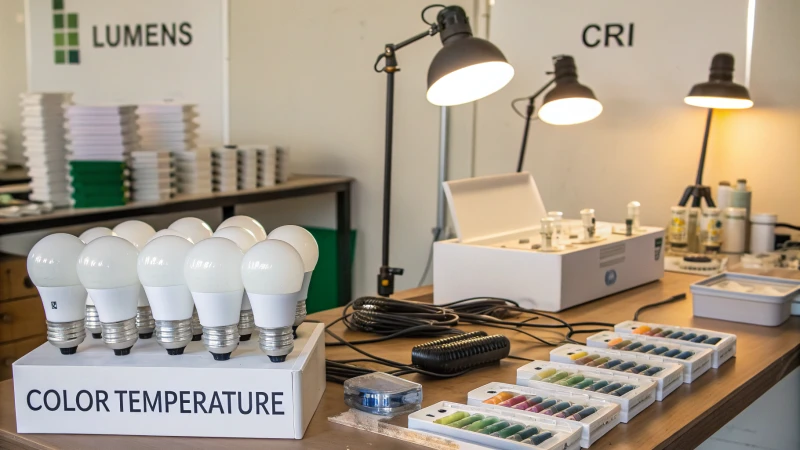
Starting in the lighting world feels like entering a maze. Confusing words make it easy to get lost. My first project was overwhelming. The terms were hard to understand. However, learning the key words was my hidden strength. It really helped me a lot!
Essential lighting terminology includes terms such as lumens, color temperature and CRI. These are very important for anyone working with lighting design or implementation. Learning these definitions helps you decide wisely. Knowing these terms is key. Clear communication in your projects depends on understanding these terms.
This guide shares my journey through complicated terms in lighting design. It explores ideas that changed how I work. Lumens have a magical effect. Color temperature and CRI have subtle nuances. Knowing these definitions increased my confidence. Confidence helped me talk clearly with my team and clients. Mastering this vocabulary opens doors to creativity. Innovation probably follows in every project.
Lumens measure the brightness of a light source.True
Lumens quantify the amount of visible light emitted, indicating brightness levels for effective lighting design.
Color temperature is irrelevant in lighting design.False
Color temperature affects the appearance of light; understanding it is crucial for achieving desired ambiance and functionality.
What Are Lumens and Why Do They Matter?
Did you ever stand in a room and feel that the light lifted your mood or maybe made you feel down? Lumens work like magic. Knowing what lumens are is your secret tool. You really create the perfect atmosphere with them in any place.
Lumens show how bright a light is. This measure is very important for judging lighting options. Brighter lights have higher lumens. Brighter lights might be better for certain places.

Understanding Lumens
I remember when I started learning about lighting. I was confused by words like lumens, wattage and color temperature. Later, I understood how important these words are for creating our surroundings. Lumens measure the amount of visible light from a source. They show how bright the light is.
Think about a 60-watt incandescent bulb. It gives about 800 lumens, which provides a warm light suitable for most household environments. This light feels warm and cozy in many homes. When I switched to LED bulbs, I was surprised. They needed much less wattage to give the same light. Knowing lumens is key to understanding brightness; wattage is less important for this.
Why Lumens Matter in Lighting Decisions
Right lumens change how a space looks and works. In my office, dim lighting hurt my productivity. Proper lumens stop eye strain and improve focus.
In big areas like warehouses, high lumens are important for safety and efficiency in large spaces. In stores, clever lighting makes products easy to see and find, attracting customers. Matching lumens to the space and purpose is very useful; it really helps lighting work better.
| Environment | Recommended Lumens per Square Foot |
|---|---|
| Residential | 10-20 lm/sq ft |
| Office | 30-50 lm/sq ft |
| Retail | 50-100 lm/sq ft |
| Warehouse | 100-300 lm/sq ft |
Evaluating Your Lighting Options
While looking at lighting options, focusing on lumens helps clarify the choices. Here’s what I consider:
- Energy efficiency: I search for LEDs with high lumens and low wattage; this saves money over time.
- Color temperature: Light warmth or coolness changes how bright it looks; this is measured in Kelvin (K).
- Application requirements: Each activity needs a certain light level; understanding needs guides decisions.
To get the most from your lighting options, this guide1 might help.
Conclusion: The Importance of Lumens in Energy-Saving Solutions
Focusing on lumens helps pick the best lighting while supporting energy savings too. Energy-efficient lighting saves money and improves performance. Using smart control systems with the right lumens changes energy use without sacrificing brightness. To find out more about energy-saving lighting, you may explore our solutions2.
Lumens measure the brightness of a light source.True
Lumens quantify visible light output, making them essential for evaluating brightness in various lighting applications.
Higher wattage always means higher lumens.False
This claim is false; energy-efficient bulbs like LEDs provide high lumens with lower wattage, proving wattage isn't the only indicator of brightness.
How Does Color Temperature Affect Lighting Quality?
Do you know the experience of entering a room and immediately feeling comfortable or perhaps a little uneasy? Light holds the intriguing ability to influence our emotions and energy levels. Let's delve into how the warmth or coolness of light affects our mood!
Color temperature affects lighting quality and influences mood and productivity. Warmer colors create a cozy and welcoming atmosphere. Cooler colors improve focus and increase brightness. Selecting the right color temperature is important for functional spaces.
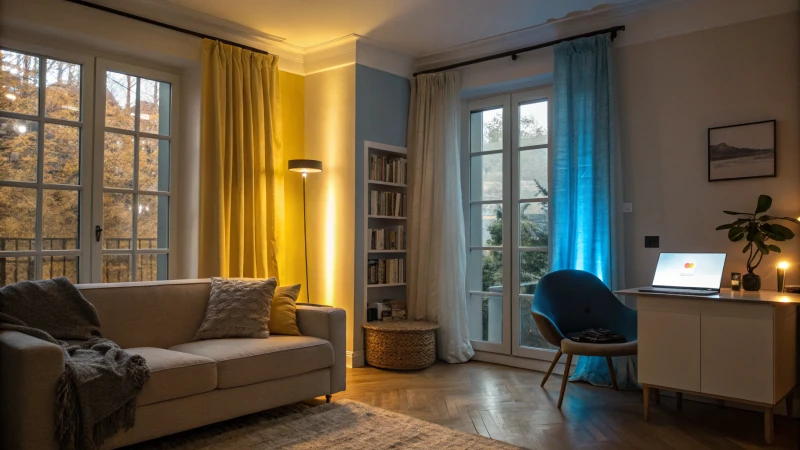
Understanding Color Temperature
Color temperature, measured in Kelvin (K), describes the appearance of light emitted by a source. It ranges from warm yellows (around 2700K) to cool blues (up to 6500K). Each temperature impacts how we perceive our environment.
For instance, a warm color temperature (below 3000K) creates a cozy, inviting atmosphere, ideal for relaxation areas like living rooms and bedrooms. On the other hand, a cool color temperature (above 5000K) fosters alertness and concentration, making it perfect for workspaces and reading areas.
Effects on Mood and Productivity
The relationship between color temperature and mood is significant. Warm lighting can enhance feelings of comfort and intimacy, while cooler temperatures can improve focus and productivity. Here’s a brief overview:
| Color Temperature (K) | Mood Effect | Recommended Use Cases |
|---|---|---|
| 2700 - 3000 | Cozy, Relaxing | Living Rooms, Bedrooms |
| 3500 - 4100 | Neutral, Balanced | Offices, Kitchens |
| 5000 - 6500 | Alert, Energizing | Task-oriented Spaces, Workshops |
Understanding these effects is crucial for creating spaces that suit various activities. For example, using warm lighting3 in a restaurant can enhance the dining experience, while cooler lighting in a conference room can keep attendees alert.
Impact on Perceived Brightness
Color temperature also influences perceived brightness. Cool light is often perceived as brighter than warm light, even at the same wattage. This means that higher Kelvin ratings can effectively illuminate larger areas without needing more fixtures.
Additionally, when choosing lighting for specific tasks, it's essential to consider how color temperature affects visibility. For intricate work such as crafting or reading, cooler light can help reduce eye strain and enhance detail perception.
Application in Smart Lighting Solutions
With the rise of smart lighting systems, controlling color temperature has become easier. Many smart bulbs allow users to adjust their settings according to activity or time of day. For instance:
- Morning: Cool white light to energize myself for the day.
- Afternoon: Neutral light keeps my focus sharp.
- Evening: Warm light helps me relax as I wind down.
This adaptability not only enhances comfort but also aligns with energy-saving practices beautifully. If interested explore smart lighting systems4. They're real game-changers for any space!
Warm color temperatures create cozy atmospheres for relaxation.True
Warm color temperatures (below 3000K) are known to enhance comfort, making spaces like living rooms and bedrooms feel more inviting.
Cool color temperatures improve focus and productivity in workspaces.True
Cool color temperatures (above 5000K) foster alertness, making them ideal for task-oriented environments like offices and workshops.
Why Should You Care About Color Rendering Index (CRI)?
Did you ever enter a room and notice the colors didn't stand out? The Color Rendering Index (CRI) probably explains this. CRI measures more than just brightness. It shows how light helps colors look vibrant.
The Color Rendering Index (CRI) shows how well light shows colors compared to natural sunlight. Light with a higher CRI value showcases colors accurately. This is very important for photography. It's also really important for retail and art displays.

Understanding Color Rendering Index (CRI)
I've worked in the lighting industry for over 13 years. The Color Rendering Index (CRI) is not just a technical term - it's a real game changer. Picture walking into an art gallery where a painting's colors dance under the light. High CRI lighting creates that vibrant experience. CRI measures how well a light source shows colors compared to natural daylight. It truly matters.
When I first learned about CRI, I saw its direct impact on professional fields. In photography, a shoot with low CRI lighting made the models' skin tones look strange. The clothing colors appeared dull. It was frustrating and I learned that photographers and videographers need high CRI for true colors.
Impact on Various Settings
- Photography and Videography: CRI hugely affects these creative fields. Switching to lights with CRI above 95 made my photos more vibrant. It's crucial for capturing realistic colors, especially in post-production. High CRI improves skin tones and other colors.
-
Retail Environments: I tell retailers that high CRI lighting makes products more visible. Customers naturally like products that look appealing under good light. If you've ever wanted to buy something because of how it looked in the store, you know what I mean.
CRI Level Description Recommended Use 100 Excellent color reproduction Art galleries, museums 90-99 Very good color reproduction High-end retail 80-89 Good color reproduction General retail Below 80 Poor color reproduction Warehouses, industrial use - Art Displays: High CRI lights in museums show artworks authentically. They enhance textures and details, allowing deeper appreciation of the artist's work.
Choosing the Right Lighting Based on CRI
When picking lighting systems, think about the CRI ratings for your needs. Here are some tips:
- For a photography studio5, go for lights with CRI above 95.
- In retail, choose CRI of at least 90 for maximum product appeal.
- For general office lighting, a CRI around 80 is enough unless specific tasks need accurate colors.
Conclusion
Knowing about CRI changes how you see lighting. It improves aesthetics in art galleries and customer satisfaction in stores. Understanding CRI helps make smart lighting choices for both personal and professional spaces. When you see what high-quality lighting does, you'll probably see light in a new way.
A CRI of 90 or above is excellent for color accuracy.True
CRI values of 90 and above are ideal for environments requiring precise color representation, like galleries and fashion retail, enhancing visual appeal and accuracy.
Low CRI lighting is suitable for art displays.False
Lighting with low CRI values can distort colors, making it unsuitable for art displays that require accurate color reproduction to appreciate artworks fully.
How Do Different Lighting Techniques Influence Design Choices?
Did you ever walk into a room and feel calm right away or maybe really stressed? Lighting probably holds the secret. Let's explore how different lighting styles influence design and the mood of a space. Lighting truly affects how a room feels.
Ambient, task and accent lighting really impact design decisions. These techniques influence how a place looks. They also change how it works and feels. Lighting affects the mood of any space. Lighting is very important in design.
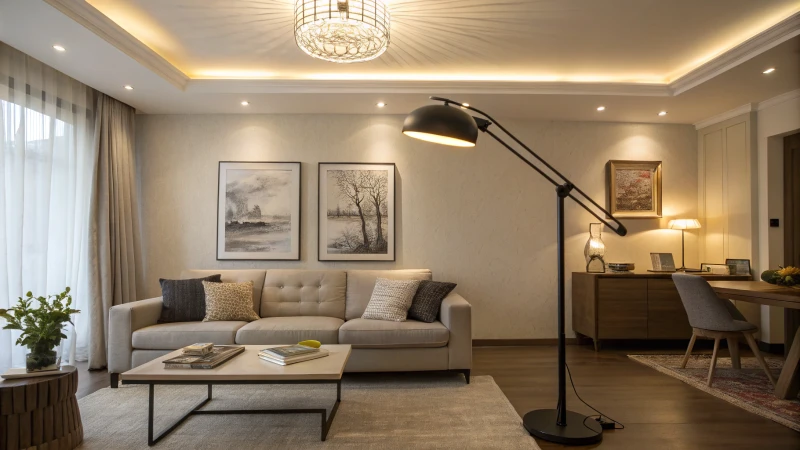
Understanding Lighting Techniques
Lighting techniques play a crucial role in design choices, significantly influencing the ambiance and functionality of a space. Different types of lighting serve various purposes:
- Ambient Lighting: This lighting is like the base of a house. It gives the light we need to move around and feel safe.
- Task Lighting: This lighting is like a helpful friend. It focuses on areas where we do activities like reading or cooking.
- Accent Lighting: This lighting adds magic. It highlights features or art, bringing depth and personality to a design.
Each technique affects how we see things and sets the mood, creating spaces that touch us emotionally.
The Impact of Ambient Lighting
I remember entering a warm coffee shop and feeling at home because of its soft ambient lighting. Ambient lighting is the foundation of any effective lighting design. It creates a warm, inviting atmosphere and ensures that spaces feel open and welcoming. For example:
| Type | Description | Use Case |
|---|---|---|
| Ceiling Fixtures | Fixtures that provide widespread illumination | Living rooms, offices |
| Recessed Lights | Installed in ceilings to provide unobtrusive light | Hallways, kitchens |
| Natural Light | Utilizing windows for daylight to enhance mood | Any space |
Utilizing ambient light effectively can lead to improved mood and productivity in both residential and commercial environments.
The Role of Task Lighting
Setting up my home office taught me the importance of task lighting. Task lighting complements ambient lighting by providing focused illumination where it is needed most. This type of lighting is essential for tasks that require concentration and precision:
- Desk Lamps: These lamps are our allies in workspaces. They light up our tasks.
- Under-Cabinet Lights: These brighten kitchen counters and turn cooking into a joy.
Incorporating task lighting can significantly enhance functionality in various settings, making activities more efficient and enjoyable.
Enhancing Design with Accent Lighting
Accent lighting injects drama and style into a room. I've witnessed its power to change spaces by highlighting structures or artwork:
- Wall Sconces: These lights draw the eye to walls or art, sparking interest.
- Spotlights: They shine on objects, creating a gripping glow.
By strategically placing accent lights, designers can create focal points that enhance the overall design narrative of the space.
Conclusion: A Holistic Approach to Lighting Design
In my view, it is very important to see how these lighting types can harmonize. By mixing ambient, task, and accent lighting, we fashion spaces that are beautiful and useful. If you want to learn more about effective lighting strategies for your projects, explore our resources on smart lighting solutions6 and energy-efficient designs7. A thoughtful approach helps create places that look and feel amazing.
Ambient lighting enhances mood and productivity in spaces.True
Effective ambient lighting creates a warm atmosphere, improving mood and productivity in both residential and commercial environments.
Task lighting is unnecessary for focused activities.False
Task lighting is crucial for providing focused illumination, enhancing efficiency and enjoyment during activities that require concentration.
Conclusion
This guide demystifies key lighting terms such as lumens, color temperature, and CRI, enhancing understanding for better decision-making in lighting design.
- This link provides an in-depth understanding of lumens, helping you make better lighting choices that align with your needs. ↩
- Discover energy-efficient lighting options and learn how to optimize brightness with lower wattage through this resource. ↩
- Learn how different color temperatures can transform your space and influence your well-being. Explore insights on lighting quality improvements. ↩
- Discover smart solutions for controlling color temperature in your home or office. This can lead to better ambiance and energy efficiency. ↩
- Explore this link to uncover in-depth insights about CRI's role in lighting and its significance across various industries. ↩
- Discover innovative lighting strategies to elevate your design projects with effective techniques. ↩
- Find out how to create a balanced lighting plan that enhances both beauty and function. ↩