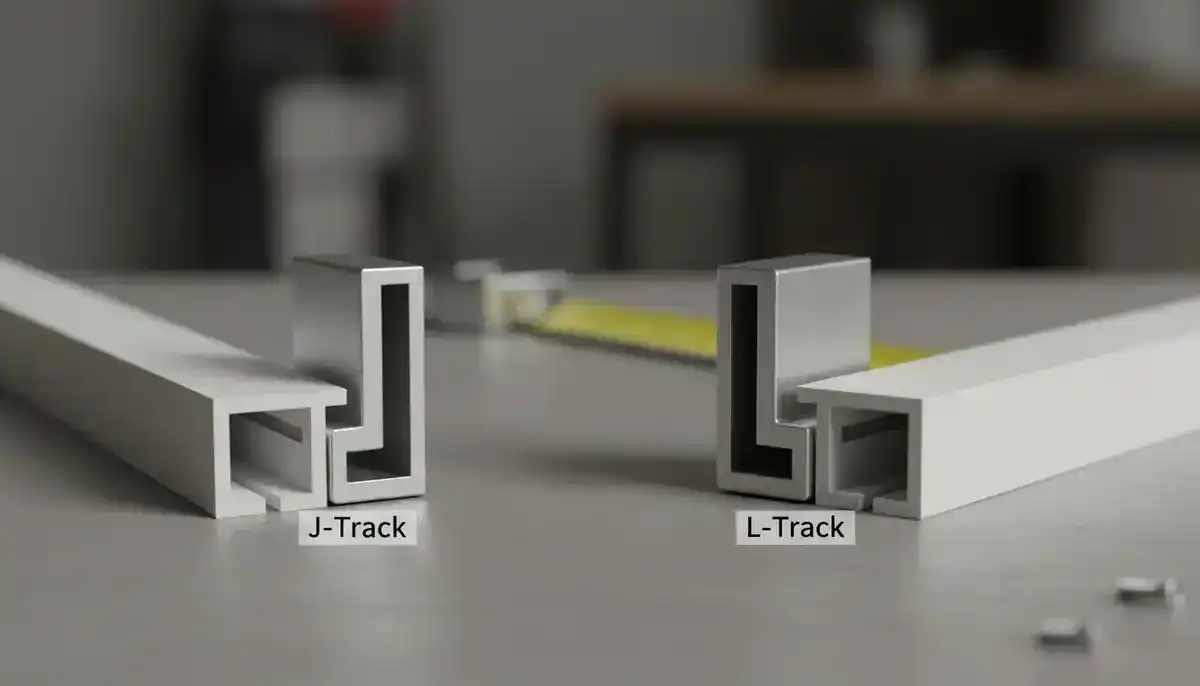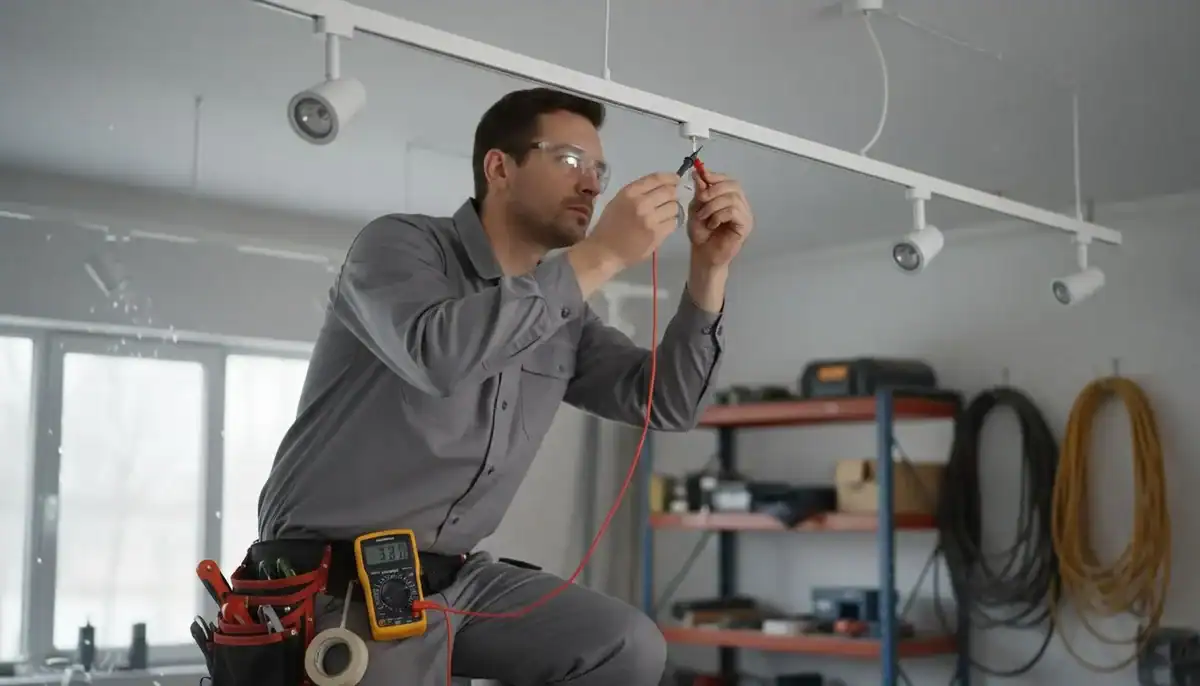

Choosing the perfect magnetic track light is like finding the right mood setter for your room—it can transform everything.
To choose the best magnetic track light, start by understanding your space’s lighting needs. Consider load capacity and power ratings, decide between low-voltage or line-voltage systems, and ensure fixture compatibility. Opt for energy-efficient LED options to enhance performance and sustainability.
Every time I step into a room, I instantly feel the atmosphere set by the lighting. It’s incredible how just a few tweaks can change everything. Whether it’s a cozy glow for a living room or bright, focused beams for a workspace, selecting the right magnetic track lighting is crucial. Let me take you through the essentials to make sure you pick the right one for your space.
First, think about what you want to achieve—do you need ambient lighting to create a warm atmosphere, or are you looking for task lighting to help focus on work? If it's for a larger commercial area, adjustable wattage with long track lengths might be ideal. On the other hand, smaller spaces benefit from compact systems with targeted light output.
Next up is considering the load capacity and power rating. This is where it can get a bit technical. Imagine you're hosting a party; too many appliances plugged into one outlet could trip the circuit. The same goes for lighting. Ensuring that your track system can handle the combined wattage of all fixtures is key to safety and flexibility.
You’ll also want to decide between low-voltage or line-voltage systems. Think of it like choosing between a sports car or an SUV—each has its own perks. Low-voltage systems require transformers but are more energy-efficient, while line-voltage systems are simpler to install and can handle higher loads, making them perfect for larger spaces.
Compatibility is another aspect you can't overlook. It's like pairing wine with dinner—everything must go well together. Make sure your fixtures are compatible with the track system to ensure seamless performance.
Finally, always opt for energy-efficient LED lights. Not only do they save energy, but they also last longer and require less maintenance, much like investing in a durable piece of furniture that withstands the test of time.
LED magnetic track lights are energy-efficient.True
LED lights consume less energy than traditional bulbs, reducing costs.
Line-voltage systems are less compatible with fixtures.False
Line-voltage systems are generally more compatible with various fixtures.
What Are the Key Lighting Needs of Your Space?
Lighting can make or break a room. Discover how the right setup can revolutionize your space, making it both functional and inviting.
The essential lighting needs for any space include ambient, task, and accent lighting, tailored to the room’s size, purpose, and style. This combination ensures the space is both functional and aesthetically pleasing.
Determine the Purpose & Space Requirements
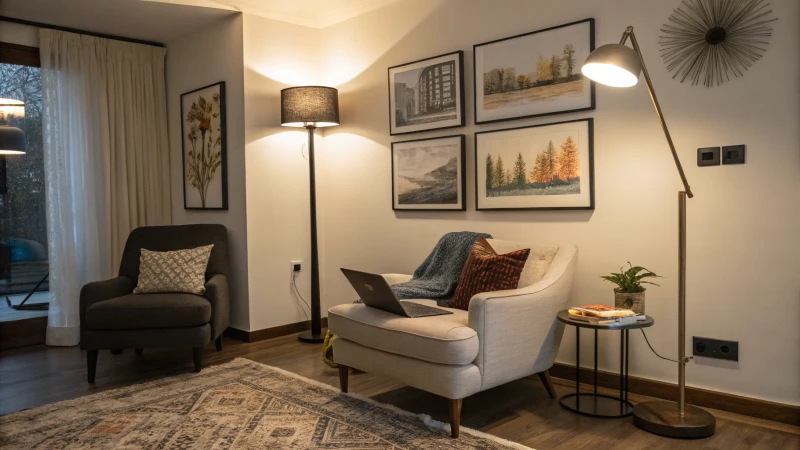
When I first considered revamping my home's lighting, I quickly learned that understanding the purpose of each room was essential. In my living room, for instance, I aimed to create a cozy environment for family gatherings while also needing brighter task lighting for my reading nook. By blending ambient lighting5 for overall warmth with task lights for specific activities, I could easily transition the room's mood from lively to relaxing.
| Room | Lighting Type | Purpose |
|---|---|---|
| Living Room | Ambient, Task | Relaxation, Reading |
Consider Load Capacity & Power Rating
Planning your lighting system feels like a puzzle sometimes. I remember when I was so eager to install those fancy new fixtures that I nearly overloaded our circuit! Thankfully, a friend in the know advised me to check the load capacity, ensuring everything was safe and sound. It's crucial to choose fixtures that won't stress your circuits—especially in commercial settings where you might need up to 600W per circuit. A general guideline is to select a system6 that accommodates at least 600W per circuit.
Choose Between Low-Voltage or Line-Voltage Systems
Deciding between low-voltage and line-voltage systems might sound technical, but it's all about efficiency and need. In my experience with small projects, low-voltage systems are perfect for feature lighting7 because of their energy efficiency. For larger spaces that demand more power, line-voltage systems have been the go-to choice due to their simplicity and capability to handle higher loads.
Fixture Compatibility & Adjustability
Once I was set on magnetic track lighting for my office, it dawned on me that not all fixtures are compatible with these systems. It's like trying to fit a square peg into a round hole! Ensuring compatibility means you can adjust your setup as needed without fuss—just like rearranging furniture for a fresh look without having to buy new pieces. Always opt for compatible systems8 to keep things flexible and user-friendly.
Energy Efficiency with LED Options
Switching to LED was one of the best decisions I made—it’s like getting a smaller electricity bill as a reward for being eco-friendly! LEDs offer up to 80% savings on energy usage compared to traditional lighting options. Plus, with integrated dimming capabilities, they give you control over the ambiance while saving energy. It's a win-win!
Aesthetics and Design Flexibility
Magnetic track lighting systems offer endless design possibilities—it's like having a blank canvas where you can play with different colors and temperatures to set the right mood. Whether you need a focused spotlight for artwork or softer lighting for relaxation, these systems adapt effortlessly. It's perfect for spaces that need frequent layout changes.
LED lights can save up to 80% energy costs.True
LEDs are energy-efficient, reducing energy usage by up to 80%.
Magnetic track lighting is not adjustable.False
Magnetic track lighting is adjustable and offers design flexibility.
How Do Load Capacity and Power Rating Affect Your Choice?
Ever found yourself staring at a row of light fixtures, unsure of what all those numbers mean? You're not alone. Let's break down load capacity and power rating in a way that's as illuminating as the lights themselves.
Load capacity tells you how many fixtures your system can handle without a meltdown, while power rating reveals the energy consumption. Together, they ensure your setup is both safe and efficient, making them crucial for informed lighting choices.
Understanding Load Capacity
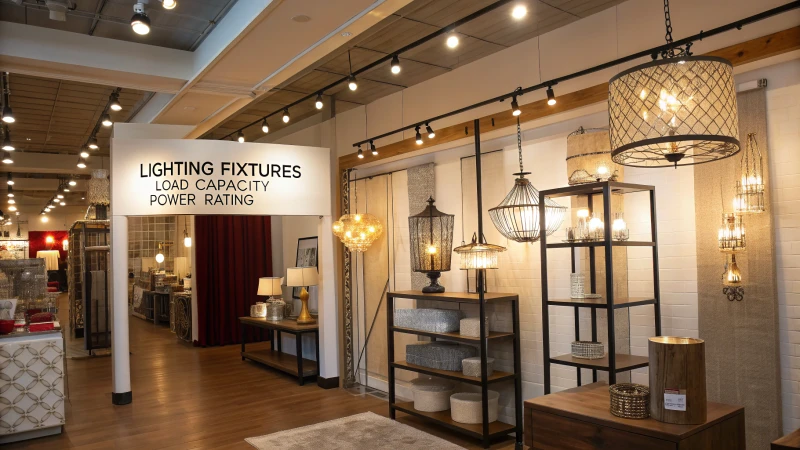
I remember the first time I tried setting up a lighting system for my living room. I wanted it to be just right—bright enough for family game nights but cozy for movie marathons. That's when I learned about load capacity, which is basically how much electrical load a system can safely manage. Imagine throwing a party and realizing halfway through that your speakers can't handle the volume—that's what exceeding load capacity feels like!
- Benefits of Adequate Load Capacity:
- Prevents circuit overload
- Ensures optimal performance
- Supports future expansions
Decoding Power Rating
Power rating was another lesson learned from experience. I had this fantastic idea of installing some chic, high-power lights—until I got the electricity bill. That's when I realized power rating indicates how much energy a device uses at its best. A higher power rating can mean more money out of your pocket if you're not careful.
| Feature | Low Power Rating | High Power Rating |
|---|---|---|
| Energy Cost | Low | High |
| Efficiency | High | Variable |
| Heat Output | Low | High |
Why Balance Both?
It's like trying to balance work and life—both load capacity and power rating need to align to keep things running smoothly. If they're out of sync, you might face increased energy use or even safety issues. When working on commercial spaces, I've found that systems with clear load and power ratings make planning so much easier.
- Factors to Consider:
- Combined wattage of all fixtures
- Manufacturer’s load specifications
- Energy efficiency9
Real-World Application
Picture this: a sprawling commercial building with diverse lighting demands. By opting for a track system boasting high load capacity coupled with low power-rated fixtures, building managers can maintain bright spaces without the hefty bills. It's all about mapping out the needs precisely and sometimes, seeking expert advice to select the perfect track system10.
Setting up an efficient lighting system doesn't just cut costs; it boosts the longevity and reliability of your setup. Grasping these concepts helps make choices that better align with both project goals and budgets.
Higher load capacity prevents circuit overload.True
A higher load capacity can handle more devices without tripping circuits.
Low power rating increases energy costs.False
A low power rating typically reduces energy costs by consuming less power.
Should You Choose Low-Voltage or Line-Voltage Systems?
Ever felt stuck deciding between low-voltage and line-voltage systems? I’ve been there, too. Both options have their perks, so let me share what I’ve learned to help you make the best choice.
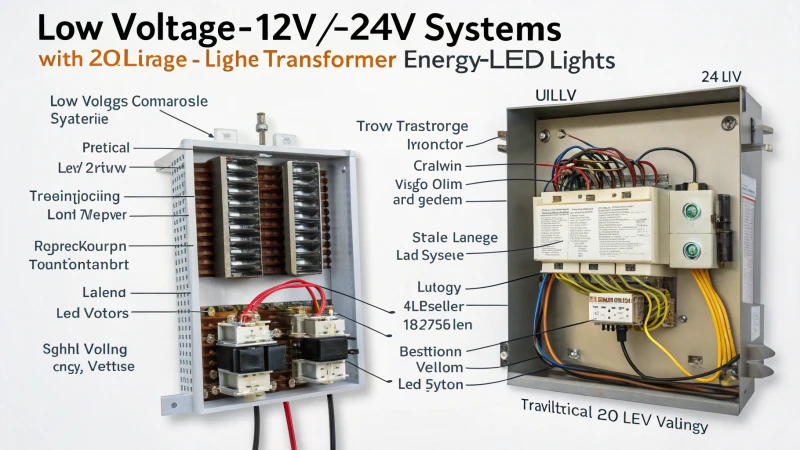
Low-voltage systems, using 12V or 24V with a transformer, are perfect for energy-efficient and feature lighting. Line-voltage systems, at 120V or 240V, are easier to install and handle larger loads, ideal for big applications.
Understanding Voltage Systems
I've often found myself staring at a tangled web of electrical wires, trying to figure out the best system for my projects. Low-voltage systems operate at 12V or 24V and need a transformer to convert the standard line voltage (usually 120V) into the lower voltage required. It’s a bit more setup initially, but the energy efficiency and flexibility it offers for feature lighting11 are worth it, especially since I love working with LEDs.
On the flip side, line-voltage systems work directly at 120V or 240V without needing any transformers. I’ve always appreciated how straightforward these are to install, mainly because they fit right in with existing electrical setups. They’re my go-to for larger projects that need to handle hefty electrical loads.
| Voltage Type | Ideal For | Key Characteristics |
|---|---|---|
| Low-Voltage | Feature lighting, energy efficiency | Requires transformers, flexible for LED use |
| Line-Voltage | Large-scale applications | No transformers needed, high power capacity |
Energy Efficiency Considerations
Energy efficiency is a big deal for me, especially when I’m designing spaces where every bit of power savings counts. Low-voltage systems shine in these scenarios. They often use LEDs that consume far less power and have an impressive lifespan, which is a big plus in reducing maintenance hassles. Plus, they offer sophisticated dimming capabilities that can really tweak the ambiance and save more energy.
Conversely, line-voltage systems might gobble up more energy but deliver the oomph needed when high illumination is essential. This makes them perfect for commercial and industrial settings where vast areas demand bright lighting.
Installation and Maintenance
When I first dabbled in low-voltage systems, the installation was admittedly more complex due to transformers and potential wiring tweaks. However, once everything was up and running, I noticed that they required less upkeep thanks to the durable nature of LEDs. In contrast, line-voltage systems are a breeze to set up but can lead to higher operational costs over time due to their energy appetite.
It’s crucial to weigh the long-term maintenance demands and costs of each system. The right choice hinges on your specific project needs and lighting goals12.
Safety and Suitability
Safety is another area where low-voltage systems excel. Operating at a much lower voltage means fewer safety risks—a comforting thought if your lighting frequently interacts with people or if you're dealing with damp conditions.
However, line-voltage systems might need extra safety precautions due to their higher voltage levels. They're less suitable for some environments but can be highly effective in controlled commercial spaces.
Choosing between these two systems boils down to balancing initial installation challenges against long-term benefits and suitability for your specific application13.
Low-voltage systems require a transformer.True
Low-voltage systems need a transformer to convert standard voltage to 12V or 24V.
Line-voltage systems are more energy efficient.False
Low-voltage systems are more energy efficient, especially with LED use.
Why is Fixture Compatibility Important?
Ever tried assembling IKEA furniture without the right screws? Fixture compatibility in lighting and plumbing is kind of like that, but with more at stake.
Fixture compatibility is the secret sauce that ensures all your lighting and plumbing components work together without a hitch. It guarantees everything functions smoothly, safely, and looks great, preventing costly malfunctions and ensuring your spaces shine both functionally and aesthetically.

The Role of Fixture Compatibility in Lighting Systems
I remember the time I decided to revamp my office lighting. Excitedly, I picked out some sleek, modern fixtures that I thought would transform the room. But, to my dismay, they didn't work with my existing track system. That’s when I learned about fixture compatibility—it was crucial for achieving not just the look, but also the efficiency and functionality I wanted.
When you're diving into lighting projects14, whether for a cozy living room or a bustling office space, ensuring fixture compatibility is key. Imagine setting up a magnetic track lighting system; the track and fixtures need to be compatible to avoid issues like flickering or power outages.
Fixture Compatibility in Plumbing
Plumbing mishaps can be a nightmare. I once installed a beautiful new faucet only to find it dribbled pathetically due to compatibility issues with my sink's setup. It was frustrating, but it taught me the importance of matching plumbing fixtures15 precisely with existing systems.
If you've ever had water pressure issues or unexpected leaks, you know how important it is to get this right. Compatibility ensures everything flows smoothly—quite literally.
Safety and Efficiency Considerations
Safety is another biggie. Incompatible bulbs and fixtures can lead to overheating and potential fire hazards. Not to mention, mismatched plumbing parts might spring leaks that could damage your home.
And let’s talk energy efficiency! By ensuring fixtures are compatible, you’re not only preventing potential hazards but also maximizing energy savings. Opting for LED-compatible fixtures, for instance, can significantly cut down on electricity use as highlighted in many energy-saving studies16.
Ensuring Aesthetic Coherence
Finally, we can’t ignore how everything looks. You wouldn’t want a mishmash of styles that disrupts the flow of your space, right? Choosing fixtures that align in style and finish keeps everything looking coherent and beautiful.
| Fixture Type | Compatibility Considerations |
|---|---|
| Lighting | Manufacturer alignment, energy efficiency |
| Plumbing | Pipe size, water pressure, style |
Practical Steps for Achieving Compatibility
Here are some steps I follow to avoid those awkward "oops" moments:
- Research: Always start by checking what manufacturers recommend in terms of compatibility.
- Consult Experts: When in doubt, talk to the pros. They’ve saved me from many headaches.
- Test: Before you commit fully, test your chosen fixtures together to ensure they operate seamlessly.
Focusing on fixture compatibility saves you from future stress and guarantees your projects meet both your practical needs and aesthetic desires.
Incompatible lighting fixtures cause flickering lights.True
Incompatible fixtures can lead to poor electrical connections, causing flickering.
All plumbing fixtures fit any pipe size.False
Plumbing fixtures must match pipe sizes to ensure proper water flow and avoid leaks.
Conclusion
Learn how to choose the best magnetic track lighting by assessing your space's needs, considering load capacity, voltage systems, fixture compatibility, and opting for energy-efficient LED options.
Explore various ambient lighting options to enhance your living room's atmosphere and functionality. ↩
Discover optimal circuit load capacities to ensure safety and performance in commercial lighting systems. ↩
Learn why low-voltage systems are energy-efficient and ideal for specific lighting applications. ↩
Understand which fixtures are compatible with magnetic track systems to maintain flexibility and performance. ↩
Explore how energy-efficient lighting can significantly reduce operational costs and contribute to sustainable building practices. ↩
Understand the criteria for selecting a suitable track lighting system that meets the demands of commercial applications. ↩
Discover how low-voltage systems enhance feature lighting with energy-efficient options. ↩
Learn how different lighting goals influence your choice between low-voltage and line-voltage systems. ↩
Understand the safety implications of choosing between low-voltage and line-voltage systems. ↩
Explore how magnetic track lighting systems enhance flexibility and design possibilities in modern spaces. ↩
Learn effective strategies for matching plumbing fixtures to ensure seamless integration and functionality. ↩
Discover how LED lighting significantly reduces energy consumption and operational costs. ↩