
You know, flexible track lighting has become the chameleon of home design, adapting to every nook and cranny with style and grace.
In 2024, flexible track lighting trends are all about minimalist elegance, smart tech integration, and energy efficiency. These lights not only beautify spaces but also blend seamlessly with diverse decor styles, making them a top pick for both homes and businesses.
As someone who loves playing around with home decor, I find these trends particularly exciting. Imagine a sleek light system that not only looks good but also saves energy and adapts to your mood or task at hand. It's like having a personal lighting designer at your fingertips! Let's explore how these innovations can transform your spaces into stunning, well-lit havens.
Flexible track lighting integrates smart technology in 2024.True
Smart technology integration is a key trend in 2024 flexible track lighting.
Minimalist designs are unpopular in 2024 flexible track lighting.False
Minimalist designs are emphasized as a trend in 2024 flexible track lighting.
How Is Smart Technology Influencing Track Lighting?
Have you ever wondered how smart technology is changing the way we light up our spaces?
Smart technology is transforming track lighting by enabling remote management, boosting energy efficiency, and offering personalized settings. Users can now easily adjust their lighting to fit their lifestyle and environmental goals, enhancing both convenience and sustainability.
The Advent of Automation
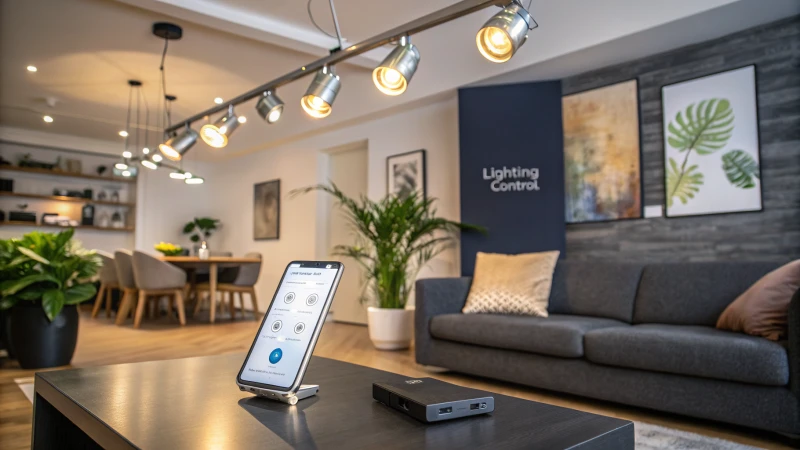
It's like having a personal assistant for your lights. With smart track lighting, I've found that creating the perfect ambiance at home or in the office is as easy as saying, "Hey Google, dim the lights." Imagine walking into a room and having the lights adjust automatically to your preferred setting without lifting a finger—pure magic! Smart track lighting allows users to automate lighting sequences through mobile apps or voice-activated assistants like Alexa or Google Home. This automation enables homeowners and businesses to create tailored lighting atmospheres1 that adapt to different times of the day or specific tasks.
Energy Efficiency and Sustainability
I remember the first time I saw smart lighting systems in action during a visit to a friend's eco-friendly home. Sensors adjusted the lights based on the sunlight streaming through the windows and how many people were in the room. It was incredible to see energy savings in real-time while contributing to a greener planet. I left inspired, knowing that integrating energy-efficient technologies2 into track lighting isn't just a trend—it's a necessity. Smart systems incorporate sensors that adjust lighting based on natural light availability or room occupancy, significantly reducing energy consumption.
| Feature | Benefit |
|---|---|
| Automated Control | Saves time and adds convenience |
| Energy Monitoring | Reduces utility expenses |
| Customizable Settings | Enhances user experience |
These features align with sustainable practices, a priority for both residential and commercial projects.
Advanced Customization
Personalization is key when it comes to lighting. Whether you're throwing a party or settling down for a cozy movie night, being able to tweak brightness, color, and temperature settings is a game-changer. Users can customize their track lighting through smart apps, adjusting brightness, color, and temperature to suit various moods or settings. This functionality is particularly appealing in commercial spaces where ambiance plays a significant role in consumer engagement. The ability to customize lighting environments3 allows for dynamic settings that can transform spaces efficiently.
Integration with Other Systems
Have you ever imagined controlling all aspects of your home's environment from a single app? Smart track lighting seamlessly integrates with other systems, allowing for holistic management of energy consumption. This kind of synergy not only adds value but also elevates the living experience to new heights. Developers are increasingly adopting such holistic building management4 solutions.
Market Implications
It's fascinating to see how quickly the demand for smart lighting technology is growing. More industries are jumping on board, recognizing benefits from efficiency to user experience enhancements. As I see it, smart track lighting isn't just about keeping up with modern architecture—it's about leading it. The demand for smart technology in track lighting is growing as more industries recognize its potential benefits—from enhanced efficiency to improved user experiences—and supports the trend towards smart building solutions5, which are anticipated to dominate future construction and real estate development.
Smart track lighting can be voice-controlled.True
Smart track lighting integrates with voice assistants like Alexa.
Smart track lighting increases energy consumption.False
Smart systems reduce energy use by adjusting to natural light.
Why Choose Eco-Friendly Track Lighting?
Ever considered how your lighting choices affect the planet? Embrace eco-friendly track lighting to brighten up your life while caring for the environment.
Eco-friendly track lighting, especially LED options, significantly cut energy use, lower carbon emissions, and reduce costs. They last longer and have a smaller environmental footprint than traditional lights.
%[A modern living room with eco-friendly track lighting and stylish furniture]
Energy Efficiency and Cost Savings
I still remember the first time I swapped out my old incandescent bulbs for LED track lights. The difference in my electricity bill was like night and day! It's not just about saving money, though. Using eco-friendly track lighting means consuming less energy overall, which helps reduce our carbon footprint.
| Feature | Traditional Lighting | Eco-Friendly Track Lighting |
|---|---|---|
| Energy Usage | High | Low |
| Lifespan | Short | Long |
| Maintenance Cost | High | Low |
Environmental Impact
Switching to LED technology isn’t just a choice; it’s a statement. I felt like I was genuinely contributing to a healthier planet by choosing lights free from harmful chemicals like mercury. This decision aligns perfectly with the sustainable building projects6 I champion. Every small change adds up to a big impact.
Versatility and Flexibility
When I first installed eco-friendly track lights in my own home office, I was amazed by their versatility. The adjustable fixtures allowed me to highlight my favorite art pieces, and the customizable designs let me play with the ambiance. In business settings, they do wonders for product displays and creating the perfect mood for customers.
Longevity and Durability
With an expected lifespan of over 50,000 hours, these lights are the epitome of durability. This means fewer replacements and less waste—a win-win! From my experience, they withstand different temperatures and conditions, making them a reliable choice for various projects.
Integration with Smart Systems
I love technology that makes life easier. That's why the integration of eco-friendly track lighting with smart controls7 is such a game-changer. Imagine adjusting your lighting from your phone or with a simple voice command! It’s like having complete control at your fingertips while also enhancing energy efficiency.
Choosing eco-friendly track lighting isn't just about getting good lighting; it's about making a commitment to sustainability. It's about stepping into a future where style, functionality, and environmental consciousness go hand in hand. Why not be part of that change?
LED track lights reduce carbon emissions significantly.True
LED lights consume less energy and contain no toxic materials, lowering emissions.
Eco-friendly track lighting has higher maintenance costs.False
These lights have long lifespans and durability, reducing maintenance costs.
How Do I Choose the Right Track Lighting for My Space?
Choosing the right track lighting is like picking the perfect outfit—it should fit your space's personality and illuminate it beautifully.
To choose the right track lighting, assess your room's layout and lighting needs. Consider track types, bulb options, and how the style integrates with your decor for the perfect blend of function and aesthetics.
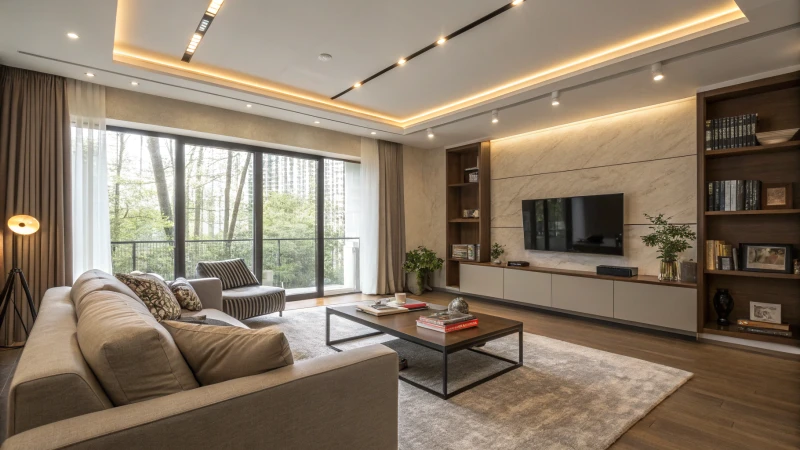
Understanding Different Types of Track Lighting
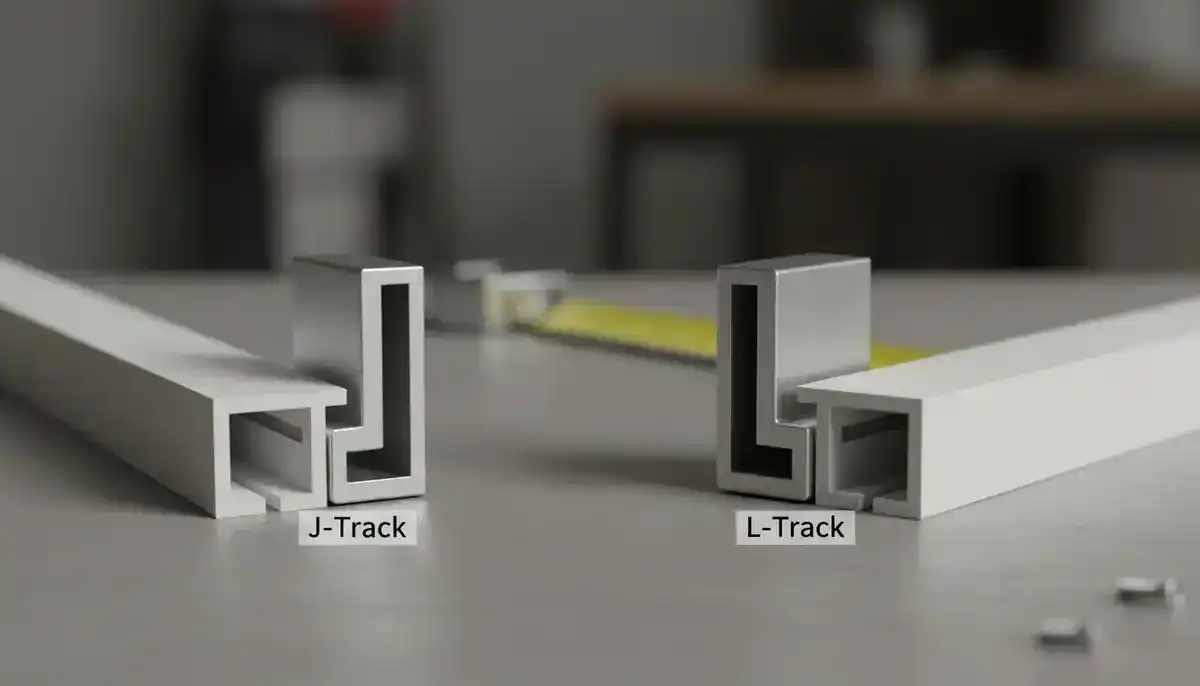
I remember when I first decided to redo my living room lighting. It was like walking into a hardware store with a blindfold on. There are so many options! But here's what I learned about the three main types of track lighting systems: fixed, flexible, and monorail. Fixed tracks are great if you're into clean lines and simplicity—they're all about straightforward layouts. Flexible tracks, on the other hand, are fantastic if your space is as unpredictable as my old apartment with its quirky corners. And if you want that sleek, modern vibe, monorail systems are your go-to.
Assessing Your Space's Requirements
Think about what each room is for—like my kitchen, which is a flurry of activity and needs bright task lighting to keep me from burning dinner. On the flip side, my living room is more about unwinding with some ambient light while I binge-watch my favorite shows. Measure your room, look at your furniture placement, and don't forget those special spots like that piece of art you love or an interesting architectural feature.
| Space Type | Recommended Lighting |
|---|---|
| Kitchen | Focused task lighting |
| Living Room | Ambient and accent lighting |
| Home Office | Task and ambient combination |
Choosing the Right Bulbs and Luminaires
There was a time when I thought a bulb was just a bulb. But choosing between LED, halogen, and incandescent can really change the feel of a room. LEDs are super energy-efficient and last forever, which is great for saving money in the long run. Halogens give off a warm glow that's nice for cozy spaces. And incandescents? They're classic but not the best for energy savings.
- LEDs: Long-lasting and efficient
- Halogens: Provide warm light
- Incandescents: Classic feel but less efficient
Arranging Your Track Lighting Effectively
Planning your track layout feels like solving a puzzle. I found that using T-connectors or joiners can help create a setup that complements your room's architecture. Keep lights evenly spaced to avoid any weird shadows—it's like making sure every guest at a party has enough room to dance. Dimmers are a lifesaver too, letting you switch from bright work mode to chill-out mode at the flick of a switch.
Balancing Aesthetics with Functionality
Finally, make sure your track lighting looks as good as it functions. Whether your style is industrial, modern, or traditional, there’s a finish out there that will match perfectly with your decor. I’ve mixed different fixture designs before to add some depth and character to my space—kind of like adding accessories to an outfit.
LED bulbs are the most energy-efficient option for track lighting.True
LEDs consume less energy and have a longer lifespan than other bulb types.
Monorail systems are best for traditional decor styles.False
Monorail systems typically suit modern aesthetics due to their sleek design.
What are the potential drawbacks of flexible track lighting?
You know that moment when you fall in love with the look of something, only to find out it’s not all sunshine and rainbows? That’s how I felt about flexible track lighting.
Despite its versatility, flexible track lighting can come with higher installation costs, limited fixture options, and ongoing maintenance needs. Weigh these against its adaptability and modern appeal to make an informed choice.
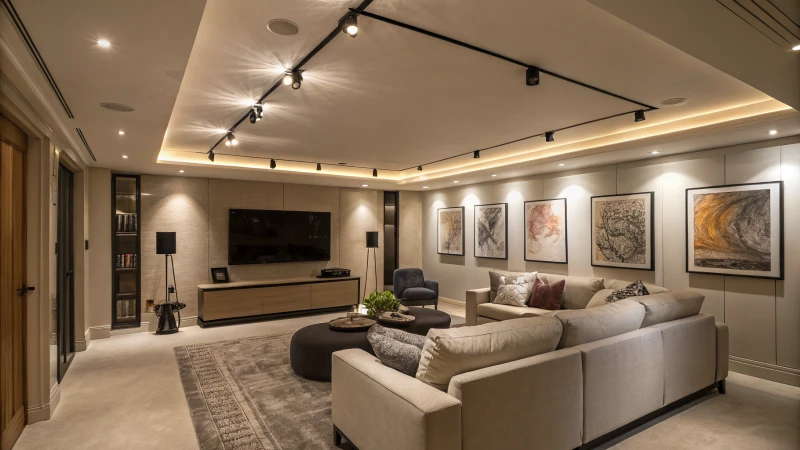
Installation Costs and Complexity
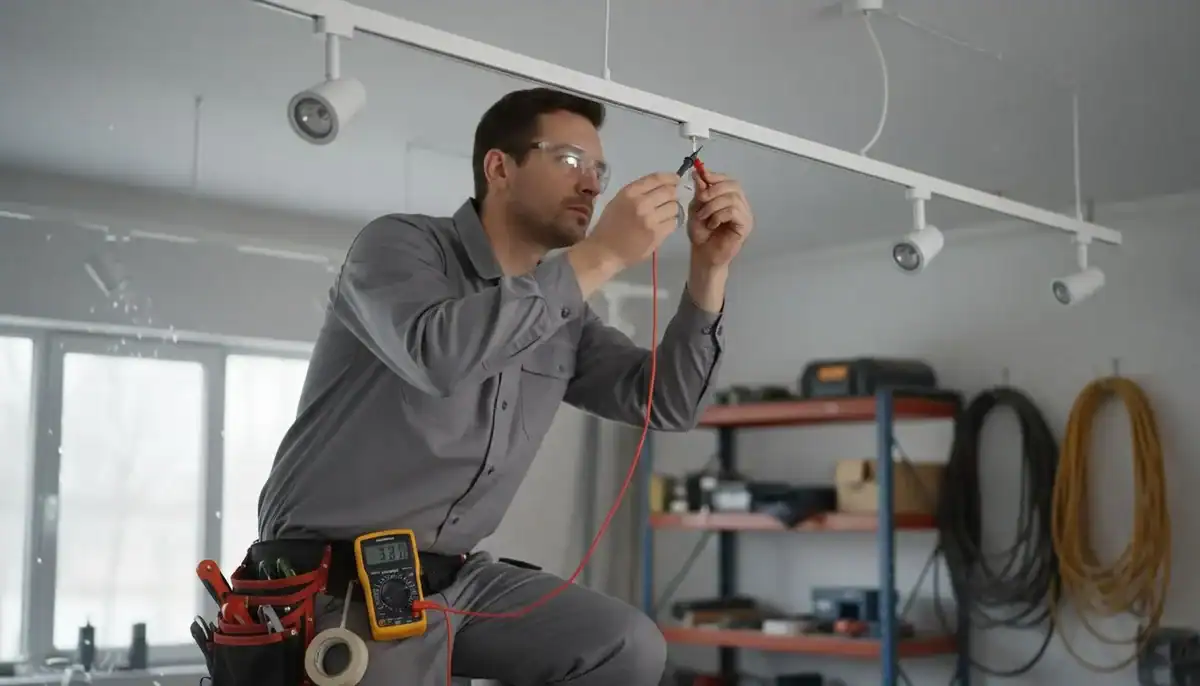
When I first considered flexible track lighting, I was enchanted by its sleek, modern design. But then reality hit during the installation process. The complexity of these systems often means higher initial costs compared to your standard lighting options. There's intricate wiring and mounting involved—it's not just a simple plug-and-play situation. I quickly realized that professional installation was a necessity, which added a significant chunk to my total project costs8. And while I enjoy a good DIY challenge, this wasn't something I could tackle without specialized knowledge.
Compatibility Issues
I remember picking out a fixture that I thought would look amazing, only to discover it wasn't compatible with my track system. The design variety of flexible tracks can be both a blessing and a curse. It limits the choice of bulbs or fixtures you can use, which can be frustrating if you have a specific aesthetic in mind. Before making any purchase, I learned the hard way to double-check if my preferred fixtures were compatible with the system9.
Maintenance Challenges
Flexible tracks seemed perfect at first, but maintenance became a bit of a hassle. Adjusting or replacing bulbs often required repositioning the tracks or altering their configuration, which wasn’t as easy as it sounds. Over time, I noticed that joints and connectors might loosen, needing periodic tightening or adjustments to keep everything stable and functional.
Energy Efficiency Concerns
While it's great that flexible track lighting can incorporate energy-saving LEDs, not all systems are created equal in terms of efficiency. I made sure to check the system's energy ratings thoroughly to ensure they aligned with my energy efficiency goals10. This is crucial, especially in commercial settings where energy costs can make a big impact on the budget.
| Potential Drawbacks | Details |
|---|---|
| Installation Costs | Higher costs due to complexity and potential need for professional help. |
| Compatibility Limitations | Limited fixture options that fit specific track designs. |
| Maintenance Requirements | Potentially frequent adjustments for stability and functionality. |
| Energy Efficiency Variability | Not all systems are optimized; check ratings for specific needs. |
Taking these aspects into account helped me decide if flexible track lighting really fit my specific needs and conditions. Consulting with professionals or diving into more reading on smart control installations11 proved invaluable for enhancing functionality and efficiency in my lighting projects.
Flexible track lighting requires professional installation.True
Due to complex wiring and mounting, professional help is often needed.
All flexible track lighting systems are energy efficient.False
Not all systems are optimized for energy efficiency; check ratings.
Conclusion
Explore the latest trends in flexible track lighting for 2024, focusing on minimalist designs, smart technology integration, energy efficiency, and customization to enhance both residential and commercial spaces.
- Explore how smart technology enables personalized lighting setups for various environments. ↩
- Learn about the latest innovations in energy-saving features for smart track lighting. ↩
- Discover how smart apps allow users to personalize their lighting settings. ↩
- Understand how integrating lighting systems with building management improves efficiency. ↩
- Find out why smart solutions are essential for future-proofing construction projects. ↩
- Discover projects that have successfully incorporated LED lighting to achieve sustainability goals. ↩
- Explore how integrating smart controls enhances the functionality and efficiency of track lighting systems. ↩
- Discover comprehensive insights into the complete expenses involved in setting up flexible track lighting. ↩
- Learn about which fixtures work best with flexible track lighting systems. ↩
- Understand how different systems measure up in terms of energy consumption. ↩
- Explore advanced options to improve the functionality of your lighting system. ↩