
![Comparative illustration of blue light and white light therapy devices for SAD treatment]
As the sun sets earlier each day, I often find myself grappling with those familiar feelings of heaviness and melancholy that come with Seasonal Affective Disorder (SAD).
Both blue light and white light therapy have been shown to alleviate symptoms of SAD by mimicking natural sunlight, thereby adjusting the body's circadian rhythms and boosting mood. However, evidence suggests blue light may be more effective due to its wavelength, which more closely aligns with the peak sensitivity of photoreceptors involved in mood regulation.
But this is just the tip of the iceberg! To truly understand how these therapies can work for you, let's dive deeper into the science behind them, share some real user experiences, and explore expert recommendations.
Blue light is more effective for SAD than white light.True
Blue light aligns with peak photoreceptor sensitivity, enhancing mood.
How Does Light Therapy Work for SAD?
Light therapy is a powerful tool for combating Seasonal Affective Disorder by mimicking natural sunlight.
Light therapy treats SAD by simulating sunlight exposure, thereby resetting circadian rhythms and boosting serotonin levels. Patients typically use a light box emitting 10,000 lux for about 30 minutes daily. This exposure helps regulate the body's internal clock and improves mood, effectively reducing SAD symptoms.
%[Person using light therapy box for SAD treatment]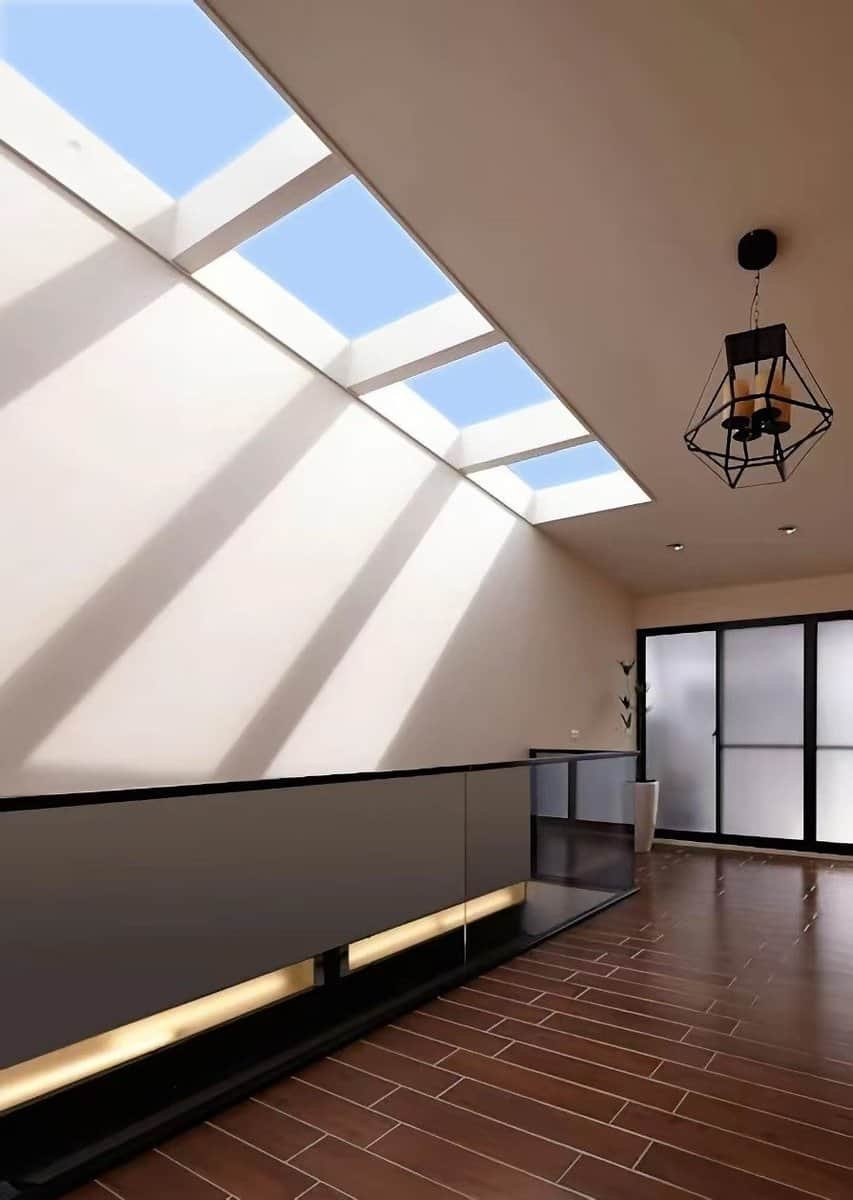
Understanding the Basics of Light Therapy
Light therapy, also known as phototherapy, involves exposure to artificial light designed to replicate natural daylight. It is most effective in the morning to help reset your biological clock. Using a light box emitting 10,000 lux1 is the standard recommendation.
The light box should be positioned at eye level or slightly above, approximately 16-24 inches away from your face. Importantly, while receiving light therapy, you should keep your eyes open but avoid staring directly into the light.
The Science Behind Light Therapy
The primary goal of light therapy is to influence the body's production of melatonin and serotonin—hormones responsible for sleep regulation and mood enhancement.
Melatonin Suppression: By providing bright light exposure, light therapy helps suppress melatonin production in the morning, leading to improved alertness and wakefulness during the day.
Serotonin Boost: Exposure to bright light increases serotonin levels, which can help elevate mood and alleviate depressive symptoms.
Clinical Evidence Supporting Light Therapy
Numerous studies suggest that light therapy effectively reduces symptoms of SAD. Research has shown that consistent daily sessions can lead to significant improvements in mood and energy levels. For instance, a study found that over 50% of participants experienced relief from SAD symptoms within just one week of starting treatment.
| Study Focus | Key Findings |
|---|---|
| Morning Light Exposure | Faster symptom relief in SAD patients |
| Light Intensity | Higher lux leads to better outcomes |
| Duration of Treatment | Consistent use over several weeks necessary |
Considerations and Precautions
While generally safe, light therapy isn't suitable for everyone. Individuals with eye conditions or those taking medications that increase light sensitivity should consult with a healthcare provider before beginning treatment.
For people with bipolar disorder, light therapy should be approached with caution as it can trigger manic episodes. Consulting a mental health professional is recommended to avoid adverse effects.
Real-World User Experiences
Many users report significant improvement in their symptoms after starting light therapy. One user noted, "I feel more awake and less depressed after just a few days." However, responses can vary, with some individuals needing adjustments in duration or timing to achieve optimal results.
Understanding these aspects of light therapy can guide you in making informed decisions about incorporating it into your routine. For detailed comparisons between different light spectrums, continue reading the following sections.
Light therapy suppresses melatonin production.True
Bright light exposure in the morning reduces melatonin, improving wakefulness.
A 5,000 lux light box is standard for SAD treatment.False
A 10,000 lux light box is the recommended standard for treating SAD.
What Are the Differences Between Blue Light and White Light?
Understanding the distinctions between blue and white light can optimize your approach to light therapy.
Blue light consists of shorter wavelengths that are more effective in influencing circadian rhythms and mood regulation. White light, a combination of all visible light colors, is less targeted but still beneficial for general illumination and mood enhancement. Choosing between them depends on specific therapeutic goals.
%[Comparison of blue light and white light]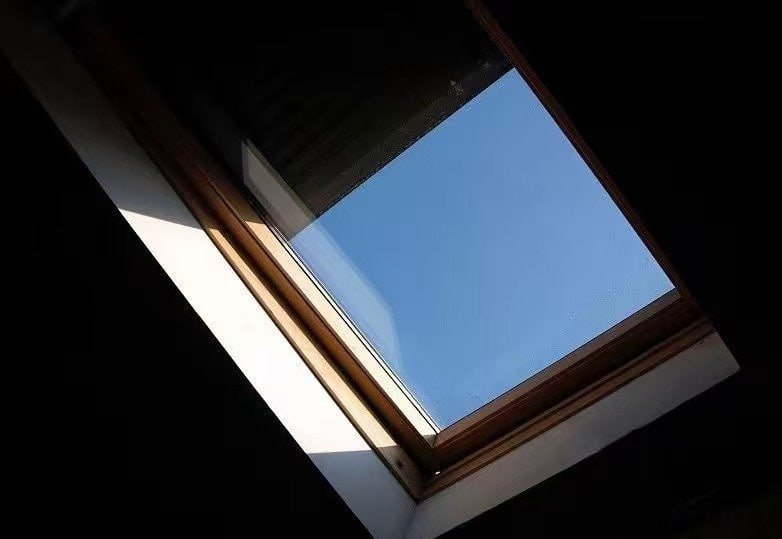
Understanding Light Wavelengths
The fundamental difference between blue and white light lies in their wavelengths2. Blue light operates at a wavelength of approximately 450-495 nanometers, while white light encompasses the full spectrum of visible light, including all colors. This difference is crucial because the shorter wavelengths of blue light are more effective at impacting our body's internal clock, known as the circadian rhythm.
Biological Impact of Blue Light
Blue light has a strong effect on the circadian rhythm by influencing the production of melatonin, a hormone responsible for sleep regulation. By suppressing melatonin production during the day, blue light can help improve mood and alertness. This is particularly important for individuals suffering from SAD, as their circadian rhythms are often disrupted.
The Role of White Light in Therapy
While blue light specifically targets mood regulation and circadian alignment, white light offers broader benefits. As a mixture of all visible light colors, white light provides a balanced spectrum that mimics natural sunlight. This makes it effective for overall mood enhancement and can be particularly beneficial when combined with daily activities such as reading or working.
| Light Type | Wavelength Range | Primary Benefit |
|---|---|---|
| Blue Light | 450-495 nanometers | Enhanced circadian alignment |
| White Light | Full spectrum | General mood improvement |
User Experiences and Preferences
When choosing between blue and white light for therapy, user preference plays a significant role. Some users report feeling more energized and alert after exposure to blue light, while others prefer the softer illumination provided by white light. Personal comfort and the specific symptoms of SAD being addressed should guide the choice.
Expert Recommendations
Experts suggest that while blue light may be more efficient for individuals targeting specific circadian disruptions or mood imbalances, white light remains a versatile option. It's important to consider consulting with a healthcare professional3 when deciding which type of light therapy is best suited for your needs.
Blue light has shorter wavelengths than white light.True
Blue light operates at 450-495 nm, shorter than white light's full spectrum.
White light is more effective for circadian rhythm alignment.False
Blue light better influences circadian rhythms due to its specific wavelength.
Are There Any Risks Associated with Light Therapy?
Light therapy offers hope for those with Seasonal Affective Disorder, but are there hidden risks?
While light therapy is generally safe, potential risks include eye strain, headaches, and potential mania in those with bipolar disorder. Consulting a healthcare professional can mitigate these risks.
Understanding Potential Side Effects
Light therapy is praised for its non-invasive approach to treating conditions like Seasonal Affective Disorder (SAD). However, it's essential to understand the potential side effects that may accompany its use. The most common adverse effects include eye strain, headaches, and sleep disturbances. These usually subside as the body adjusts to the therapy.
Light Sensitivity and Eye Health
Individuals with heightened sensitivity to light might experience discomfort or eye strain. It's crucial to follow guidelines on maintaining a safe distance from the light source and avoiding direct gaze into the light box. The American Academy of Ophthalmology recommends consulting an eye specialist if any persistent discomfort occurs during light therapy sessions.
Risk of Mania in Bipolar Disorder
For individuals with bipolar disorder, light therapy can trigger manic episodes. This is a significant concern, as noted by Dr. Schwartz4. Before starting light therapy, people with bipolar disorder should have a detailed discussion with their mental health professional to weigh the benefits against potential risks.
Impact on Circadian Rhythms
While adjusting circadian rhythms is a primary benefit of light therapy, improper usage can lead to disruptions. For instance, using light therapy too late in the day may interfere with nighttime sleep patterns. It's advisable to use light therapy in the morning to align better with natural daylight cycles.
Safety Precautions and Professional Guidance
To mitigate risks, adhering to recommended usage times and intensities is crucial. Experts suggest starting with shorter sessions and gradually increasing exposure as your body adapts. Seeking professional advice before beginning treatment can help tailor the approach to individual needs and conditions.
By acknowledging these potential risks5 and consulting healthcare providers, users can safely incorporate light therapy into their wellness routine.
Light therapy can cause eye strain.True
Eye strain is a common side effect of light therapy, especially for those sensitive to light.
Light therapy has no impact on circadian rhythms.False
Improper use of light therapy can disrupt circadian rhythms, affecting sleep patterns.
How to Choose the Right Light Therapy for You?
Selecting the ideal light therapy involves understanding your personal needs and preferences.
Choosing the right light therapy depends on individual factors such as the severity of symptoms, lifestyle, and potential medical concerns. Consider consulting with a healthcare provider to evaluate options like blue or white light, intensity levels, and duration of exposure to tailor the therapy to your unique needs.
Understanding Your Symptoms
Before selecting a light therapy device6, it's crucial to identify your symptoms' severity and patterns. For instance, if your mood significantly dips during shorter days, light intensity and exposure duration become vital considerations.
Evaluating Light Intensity
Most light therapy boxes offer around 10,000 lux, but some individuals may require more or less depending on their sensitivity. A lower lux may suffice if you are sensitive to bright light, whereas higher intensity might be necessary for those with severe symptoms.
| Light Box Feature | Description |
|---|---|
| Lux Level | Measures light intensity |
| Timer | Sets duration of exposure |
| Adjustability | Allows modification of angles |
Blue Light vs. White Light
While both types help in mood enhancement, research7 shows blue light may be more effective due to its shorter wavelength. Yet, white light remains a popular choice for those who prefer a broader spectrum that feels closer to natural sunlight.
Assessing Health Considerations
Individuals with eye conditions or skin sensitivity should opt for devices that emit minimal UV light. Those with bipolar disorder should consult their healthcare provider before beginning therapy due to the risk of manic episodes.
Lifestyle and Convenience
If you lead a busy life, consider a compact, portable light box that fits your schedule. Some models come with built-in timers and adjustable angles for flexibility.
By evaluating these factors, you can make an informed decision that best suits your lifestyle and health needs.
Blue light is more effective than white light for SAD.True
Research shows blue light's shorter wavelength enhances mood more effectively.
All light therapy boxes offer 10,000 lux intensity.False
Light therapy boxes vary in lux levels; not all provide 10,000 lux.
Conclusion
Understanding the nuances between blue and white light therapy can empower you to make informed decisions about managing your SAD.
Learn how to properly use a 10,000 lux light box for effectiveness.: These instructions are for light boxes that emit 10,000 lux light (lux is a measurement of light intensity). Light boxes with lower lux rating usually require ... ↩
Learn how different wavelengths affect mood and circadian rhythms.: Blue light has shorter waves, with wavelengths between about 450 and 495 nanometers. Red light has longer waves, with wavelengths around 620 to ... ↩
Find professional guidance tailored to your specific needs.: Get tips for choosing a light box that's similar to outdoor light to help ease your mood and reduce symptoms of SAD. ↩
Learn how bipolar disorder patients can safely use light therapy.: Light therapy also appears to have low risk for treatment-emergent affective switch, as indicated by low switch rates with no significant differences between ... ↩
Discover expert-recommended safety practices for effective light therapy.: While LED light therapy is generally safe, consult your dermatologist before trying this treatment. LED light therapy isn't appropriate for everyone, and ... ↩
Learn about key features to look for in a light therapy box.: Key factors to consider when choosing a red light therapy device: · 1. Irradiance · 2. Frequency · 3. Treatment coverage area · 4. Quality of the product · 5. ↩
Discover scientific evidence comparing blue and white light effectiveness.: Blue light (468 nm) was superior in treating SAD sufferers when compared to dim red light (654 nm) (Glickman et al., 2006). Although the short wavelength light ... ↩