
Skylights are wonderful windows that let sunlight enter directly into your living room. However, they often cost a lot of money. Why are they so expensive?
Skylights often have a high price. Expensive materials add to the cost. Installing them is complicated. This makes things even pricier. Some skylights include features like ventilation. Energy-saving options are also possible. Custom designs might be available. People usually need experts to put them in. Professional help is necessary. All these reasons increase their price.
I recall when I first thought about putting in a skylight, attracted by the idea of enjoying natural light with my morning coffee. Costs really stopped me for a bit. Knowing about the price factors - such as high-quality materials and complex installations - helped balance the investment with the happiness of a bright home. Looking into specifics, like energy-saving designs that reduce long-term energy bills, really clarified the choice. If you're considering this too, understanding these points probably guides you to budget wisely and decide if this bright feature is worth it.
Skylights use premium materials.True
Premium materials enhance durability and insulation, raising costs.
Skylights are easy to install.False
Complex installation requires professional skills, increasing expenses.
How Do Materials Impact Skylight Costs?
Picking the correct skylight material truly transforms your budget and the entire project atmosphere. The right choice significantly impacts both cost and feel. It really matters.
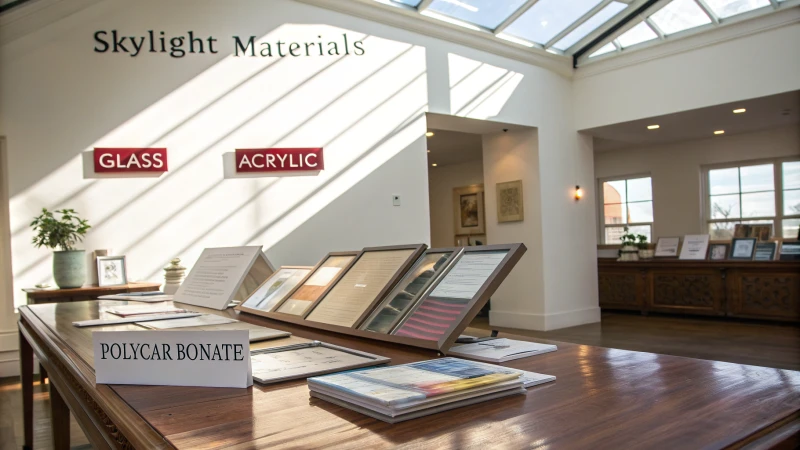
Materials influence skylight prices because they change durability, energy efficiency and how hard it is to install them. Glass, acrylic and polycarbonate are frequent choices. Each has unique benefits and costs.
Understanding Material Choices
At first, exploring skylights caught my interest because they use different materials like glass, acrylic, and polycarbonate. Each one feels like choosing a story character.
Glass Skylights: Glass attracts some people with its classic beauty. Glass skylights offer a clear view and strong durability. I had a project where the client insisted on using glass despite its higher price. It transformed their area, bringing natural light and better insulation. They were very happy.
Acrylic Skylights: Acrylic resembles a hero who doesn't get a lot of attention. It is light and affordable, perfect for saving money on projects. However, it might turn yellow with time. On a project with a tight budget, we picked acrylic - it worked well, though it needed some care later.
Polycarbonate Skylights: Polycarbonate shines in harsh weather. It stands strong and keeps you safe in storms, like a trusty friend who always supports you. It may not be as beautiful as glass, but its toughness is unmatched.
Cost-Benefit Analysis
| Material | Initial Cost | Durability | Energy Efficiency | Aesthetic Appeal |
|---|---|---|---|---|
| Glass | High | High | High | High |
| Acrylic | Medium | Medium | Medium | Medium |
| Polycarbonate | Low | High | Medium | Low |
Installation Complexity
Picking your skylight isn't just about style or price; you need to think about how to put it up there.
Glass Installation: Glass needs skilled workers because it is heavy and can break easily, raising installation costs. I learned this lesson on a project by not planning enough for labor—important lesson: always think about installation problems first!
Acrylic & Polycarbonate Installation: Acrylic and polycarbonate are simpler to install, great for quick or low-cost projects.
Having a skilled installer1 who knows about your material can really save you stress—and money—over time. Choosing material that fits your budget while meeting needs is all about balance.
Glass skylights are the most expensive option.True
Glass skylights have high material and installation costs.
Polycarbonate skylights offer the best aesthetic appeal.False
Glass offers better aesthetics; polycarbonate is more durable.
What Is Involved in Skylight Installation?
Do you know how natural light through a skylight changes a room? It's wonderful! Reaching this moment involves an exciting process.
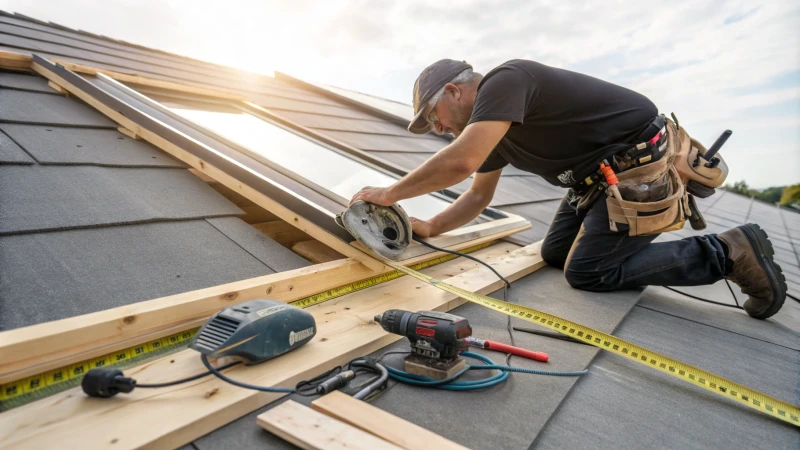
Installing a skylight starts with picking the correct type. You must prepare the roof first. Then, cut an opening. Proper sealing prevents leaks. Structural support is important. Professional help is often very useful.
Choosing the Right Skylight
The first time a skylight was considered, many choices surprised me. Did a fixed one suit my needs or should it open for fresh air? Options like fixed skylights kept everything sealed, ventilating ones brought a breeze into stuffy kitchens and small tubular skylights brightened narrow hallways. Each option offers benefits depending on what you need in your space.
| Type | Features | Ideal For |
|---|---|---|
| Fixed | Stationary, weather-tight | Living rooms, attics |
| Ventilating | Can be opened, offers fresh air | Kitchens, bathrooms |
| Tubular | Compact, great for small spaces | Hallways, closets |
Preparing the Roof
Preparation felt like planning an adventure. It began with a careful roof inspection, checking its condition and finding the best spot for sunlight while avoiding harm to the structure. Watching out for beams or rafters2 was crucial. It was like solving a puzzle where each piece needed to fit perfectly.
Cutting the Opening
Cutting into the roof can be stressful. Precision mattered; it was not just about the hole but doing it neatly and safely. With proper tools, the process felt like craftsmanship, setting up a good base for a leak-free installation.
Ensuring Proper Sealing
I learned sealing is vital for skylights. Installing a waterproof membrane and flashing around edges needed great care. Don't skip this step. Professional help greatly benefits here, focusing on the best materials and techniques for your specific roof type.
Considering Structural Support
Finally, ensuring that the roof can support the added weight of a skylight required assurance. Sometimes extra framing is necessary to maintain stability and avoid sagging over time. Consulting with a structural engineer or professional installer provided comfort that everything was secure and followed regulations.
Understanding these steps not only clarified skylight installation but also guided better decisions whether you're planning a DIY project or hiring experts. This knowledge helps fully appreciate the new skylight’s beauty and purpose.
Fixed skylights are ideal for kitchens.False
Fixed skylights are best for living rooms and attics, not kitchens.
Ventilating skylights can be opened for fresh air.True
Ventilating skylights are designed to open, providing ventilation.
Are Additional Features Worth the Extra Cost?
Have you ever wondered if the newest gadget accessories are really worth their high cost? Let's solve this modern puzzle together.
Extra features add great value if they fit your specific needs. These features improve how things work. Careful thinking is needed to see if they are worth the money. It's crucial to compare benefits with costs.

Understanding the Value Proposition
I remember when I had to decide on upgrading my lighting systems for a big project. It felt like being a kid in a candy shop, unsure of what to pick from so many choices. Adding new features must suit your specific needs3. For example, in lighting systems, smart controls really help save energy and lower costs.
Evaluating Cost-Benefit Ratio
Balancing cost and benefits can feel tricky. I see cost-benefit analysis like creating a beautiful painting. Consider not just the initial cost but also what benefits come later. In commercial lighting, savings on energy and better productivity can turn higher costs into little concerns over time. Here’s a simple comparison table:
| Feature | Cost Increase | Potential Benefit |
|---|---|---|
| Smart Controls | 20% | 30% energy savings |
| Eco-Friendly LEDs | 15% | Extended lifespan by 5 years |
Overall, it often saves money.
Impact on Overall Functionality
Adding extra features often feels like putting spices in a stew. Will they make it better or worse? Understanding how these features affect a product's functionality is very important. With smart lighting, correct integration with building systems can work wonders. Evaluate if the features will simplify operations or add unnecessary complexity.
Market and Industry Trends
Being aware of industry trends is like having an extra sense in a fast world. New standard features really help with meeting rules and selling more. I've used sites like LinkedIn and Alibaba to learn about these trends, gaining very useful knowledge on industry changes.
Supplier Reliability and Support
Choosing the right supplier is sometimes like searching for a needle in a haystack. Their support and reliability are key for adding new features without problems. Suppliers offering complete solutions have been very helpful, reducing work on my side and making transitions smooth. This approach is particularly beneficial for businesses focusing on sustainable construction4 practices.
Considering these points really shows when extra features bring value or just increase costs. Achieving the best outcomes means balancing innovation, practicality, and budget wisely.
Smart controls reduce energy costs by 30%.True
Smart controls optimize energy use, leading to significant savings.
Eco-friendly LEDs last 5 years longer.True
LEDs have an extended lifespan due to their efficient design.
How Can You Budget for a Skylight Project?
Did you ever dream of enjoying sunshine inside your home? Skylights bring that dream to life, but let's discuss the cost first.
Start by looking at the type of skylight. Check the costs of the materials. Think about the fees for the workers. Consider the potential energy savings from the skylight. Professional installation helps prevent surprise costs. It often means good quality, too.

Understanding Skylight Types and Costs
The first time I thought about adding a skylight to my home, I felt excited about waking up to natural light. Choosing the right type is important for looks and budget. There are fixed, vented, tubular, and custom skylights. Each one has its own price and fits different roofs.
| Skylight Type | Average Cost |
|---|---|
| Fixed | $150 - $1,500 |
| Vented | $300 - $2,500 |
| Tubular | $200 - $1,000 |
| Custom | Varies |
Research taught me a lot. I figured out what skylight fits best and how to set a realistic budget. Exploring energy-efficient skylights5 can also lead to long-term savings.
Calculating Material Costs
Material costs differ based on glass or acrylic. At first, I liked acrylic because it was cheaper. Then I found out glass insulates better, which is key in my cold hometown winters. Features like UV protection or solar blinds might also change the price. Think about what matters most to you.
Estimating Labor and Installation Fees
A helpful tip: let experts install your skylight. Cutting a roof is tricky unless you are very skilled. A seasoned contractor seals everything well to stop leaks. Installation prices fall between $500 and $3,000 depending on the location and roof type.
Factoring in Energy Savings
Saving on electricity bills with natural light was very motivating for me. Choose energy-efficient skylights with low U-values and high R-values for good insulation. I used energy savings calculators6 to see how much I could save on bills.
Planning for Additional Expenses
Remember possible extra costs like permits or roof reinforcement. I had to call my local building authority for permits—they were needed! Keeping structural integrity is crucial, especially for older homes or in areas with harsh weather.
Informed Decisions
In the end, getting quotes from several contractors balanced cost and quality for me. Using online tools or asking professionals gave a full view of project costs. If you love detail like I do, checking out helpful budgeting tips7 truly helps.
Fixed skylights are the cheapest option available.False
Tubular skylights have a lower starting cost than fixed skylights.
Professional installation can cost up to $3,000.True
Installation costs vary but can reach $3,000 depending on factors.
Conclusion
Skylights are costly due to expensive materials, complex installations, and additional features like ventilation. Understanding these factors helps in budgeting for this bright home enhancement.
Besen led is a leader of LED skylight manufacturer


With Besenled, you’re not just getting superior lighting products—you’re gaining a reliable partner that values efficiency, transparency, and customer satisfaction.
Ready to transform your lighting projects?
Click Here Today! To discover how Besenled can illuminate your busines success!
Discover local installers who specialize in your chosen skylight material to ensure proper installation and cost savings. ↩
Learn essential roof inspection steps to ensure a safe and effective skylight installation process. ↩
Understanding your specific needs helps in determining the real value of additional features. ↩
Sustainable practices offer long-term environmental and economic benefits. ↩
Learn how energy-efficient skylights can lower your energy bills and increase comfort in your home. ↩
Find out how much you can save on energy bills with an energy-efficient skylight using online calculators. ↩
Explore useful tips to effectively budget for home improvement projects like skylight installations. ↩