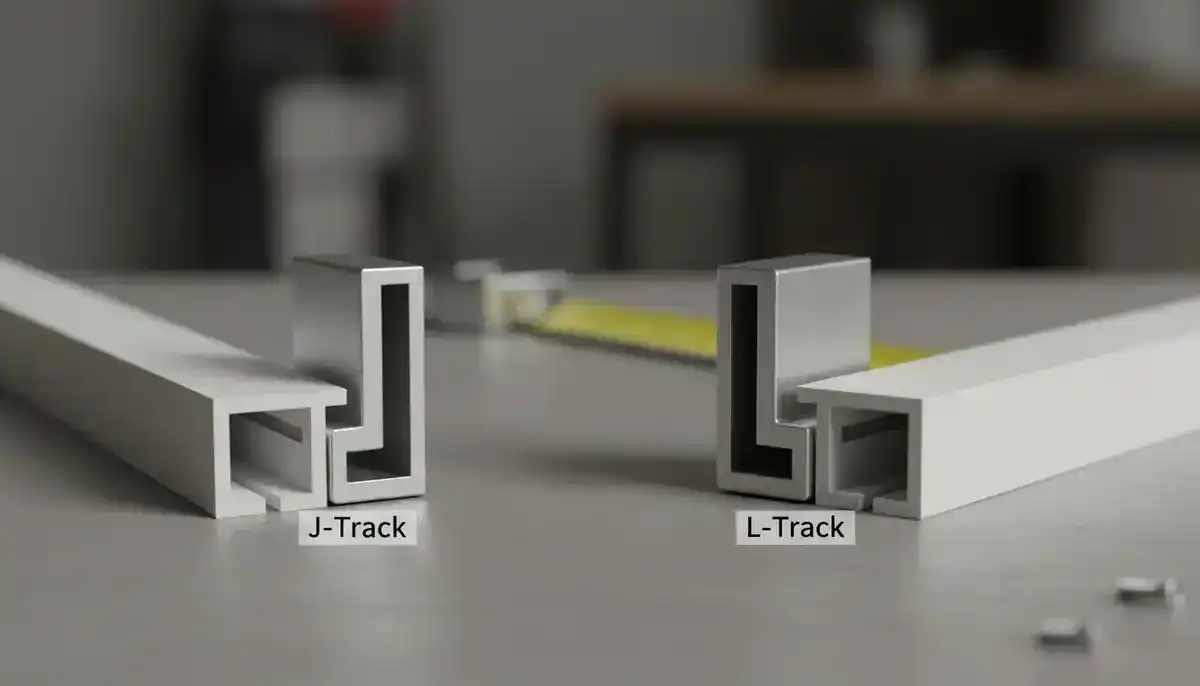

Featured image:

leading paragraph:
Confused by the technical specs of new lighting systems? Choosing the wrong voltage can lead to safety risks and angry customers. Here is the clear answer you need for your business.
snippet paragraph:
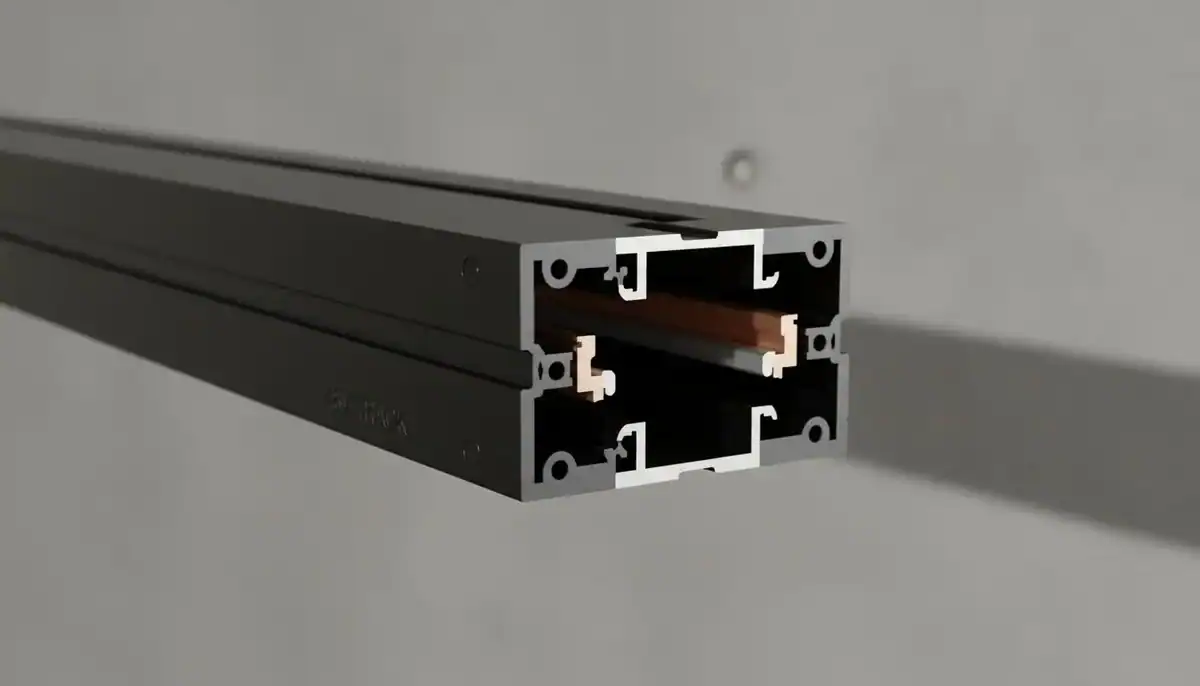
Magnetic track lighting typically operates on 48V DC17. This low voltage ensures the system is safe to touch while providing enough power for long track runs without voltage drop. While some older or specific systems use 24V DC, 48V is the modern industry standard for commercial and residential projects.
Transition Paragraph:
You might wonder why the industry shifted specifically to 48V. I have seen many clients in Mexico struggle with this choice when importing goods. Let me explain why this voltage standard protects your reputation and boosts your profits.
Generate Claims
Magnetic track lighting is most commonly 48V DC.True
48V DC is the industry standard for magnetic tracks to balance safety and power efficiency.
You can connect magnetic tracks directly to 110V or 220V AC power.False
Magnetic tracks require an external or integrated driver to step down high voltage AC to low voltage DC (48V or 24V).
LOOP START
Why does 48V DC dominate magnetic tracks?
leading paragraph:
High voltage creates safety risks for installers and end-users. Are you worried about liability issues with the products you distribute? 48V DC solves this safety problem immediately.
snippet paragraph:
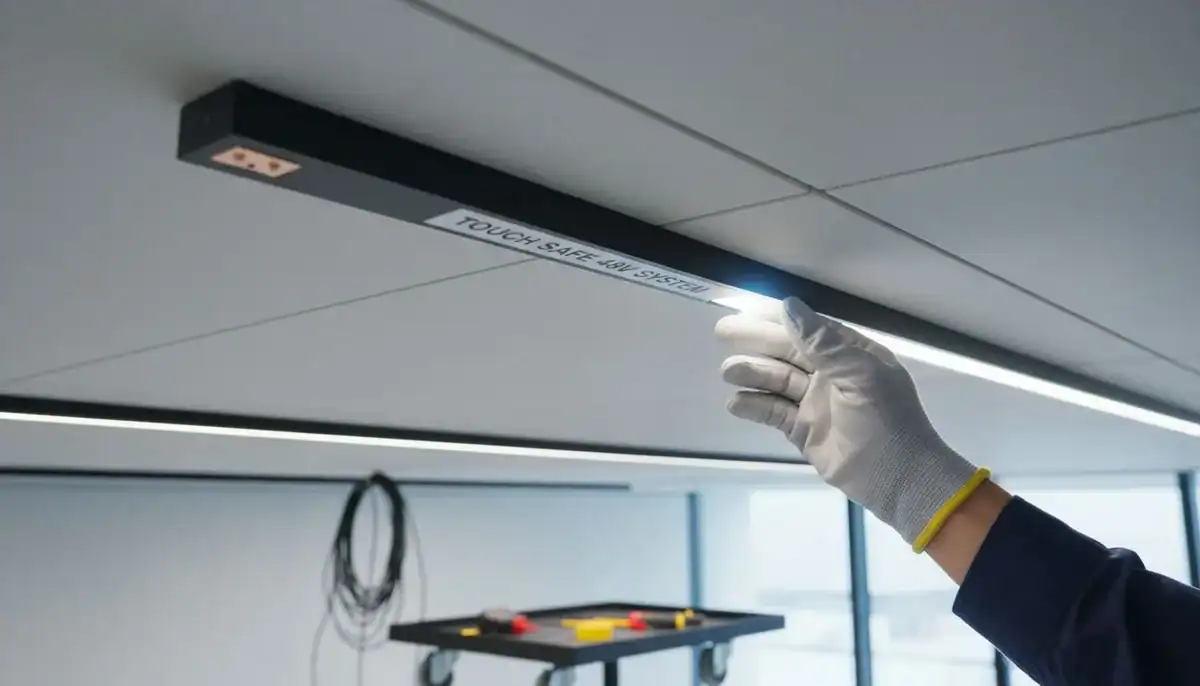
48V DC dominates because it is "Touch Safe18." Installers can touch the live track without any risk of electric shock. It also carries power much further than 12V or 24V systems, meaning you need fewer power supplies for long linear designs in large rooms.
Dive deeper Paragraph:
When we talk about "Touch Safe" voltage, we refer to Safety Extra Low Voltage (SELV). For a distributor like you, this is a major selling point. It means your customers do not need special protective gear to adjust the lights. In my factory at Besenled, we test this rigorously. If a client in a retail store wants to move a spotlight, they can do it while the power is on. This is impossible with old 220V tracks.
There is also the issue of voltage drop19. This is a common headache in large projects. If you use 12V or 24V, the lights at the end of a 10-meter run will look dimmer than the lights at the start. This looks unprofessional. 48V pushes the current with more pressure. You can run tracks up to 20 meters or more with consistent brightness. This reduces the number of drivers you need to buy and hide in the ceiling.
Voltage Drop Comparison
| Voltage System | Max Run Length (Approx) | Safety Level | Common Application |
|---|---|---|---|
| 12V DC | 5 Meters | Safe | LED Strips (Cabinet) |
| 24V DC | 10 Meters | Safe | LED Strips (Cove) |
| 48V DC | 20+ Meters | Safe | Magnetic Track Systems |
| 110/220V AC | Unlimited | Dangerous | Traditional Track |
Generate Claims
48V systems allow for longer track runs than 24V systems.True
Higher voltage results in less current for the same power, reducing voltage drop over distance.
48V magnetic tracks are dangerous to touch when turned on.False
48V is considered low voltage and is safe to touch, allowing for hot-swapping of fixtures.
LOOP END
LOOP START
How do modular heads snap, aim, and scale?
leading paragraph:
Fixed lighting limits your customers' creativity and makes renovations difficult. Do you lose sales because clients want flexibility? Magnetic systems offer instant changes without calling an electrician.
snippet paragraph:
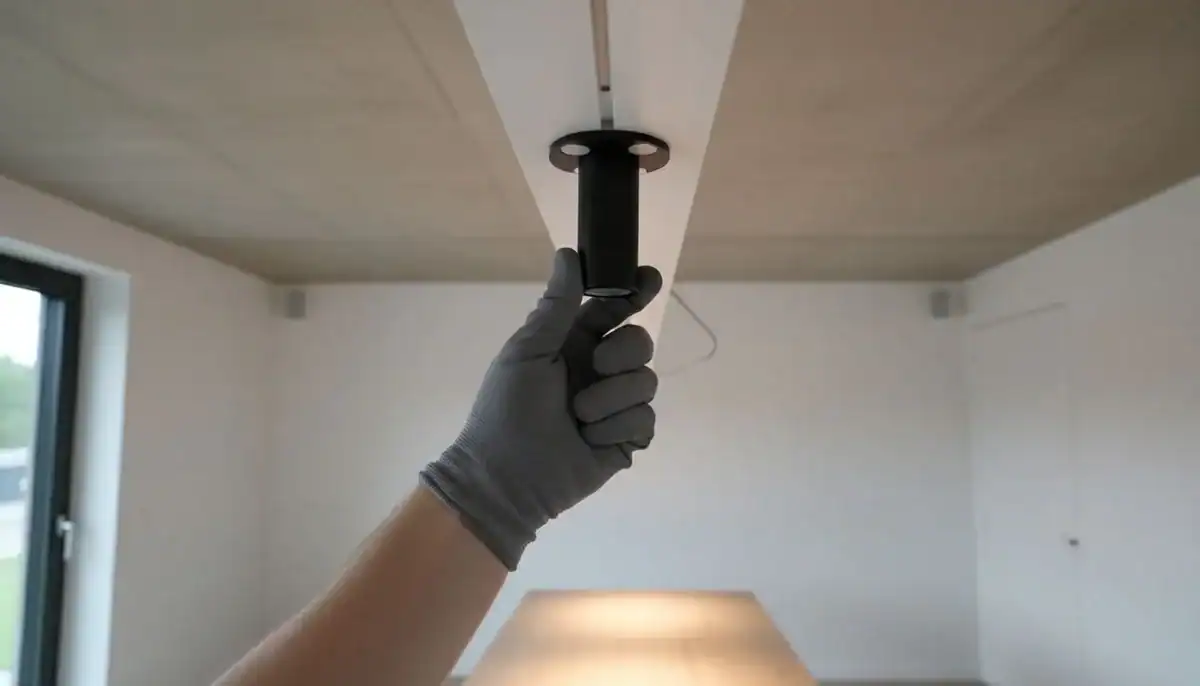
The 48V magnetic system allows users to snap fixtures in and out without tools. The voltage is safe, so adjustments happen while the power is on. This flexibility is perfect for retail spaces, galleries, or homes that change displays or furniture layouts often.
Dive deeper Paragraph:
The magic of the 48V system is the mechanical and electrical connection. In the products we manufacture, we use strong magnets combined with a mechanical locking clip. This ensures the light does not fall, even if there is a vibration. For your buyers in Mexico, this "click" sound is a sign of quality. It feels premium.
Because the track is 48V, we call the installation process "Hot-Swapping20." This means you can take a light out and put it back in a different spot without turning off the wall switch. This is very important for commercial clients. Imagine a clothing store owner. They get new mannequins and need to move the light to focus on the new dress. With 48V magnetic tracks, they do it themselves in seconds. They do not pay for a service call. This innovation makes the product very easy to sell compared to traditional fixed downlights.
Types of Modular Heads
| Fixture Type | Purpose | Best Location |
|---|---|---|
| Linear Flood | General Lighting | Offices, Living Rooms |
| Spotlight | Accent Lighting | Art, Retail Displays |
| Pendant | Decorative/Task | Dining Tables, Counters |
| Foldable Grille | Low Glare Focus | Reading Areas |
Generate Claims
You must turn off the power before moving magnetic track lights.False
Because 48V is safe, you can move lights while the system is powered on (Hot-Swapping).
Magnetic tracks rely solely on magnets to hold heavy lights.False
Most high-quality systems use magnets plus a mechanical safety clip to prevent falling.
LOOP END
LOOP START
What data regarding efficiency and compliance matters?
leading paragraph:
Vague specifications lead to customs delays and rejected shipments. Do you fear your goods getting stuck at the border? You need precise technical data to ensure smooth importing.
snippet paragraph:
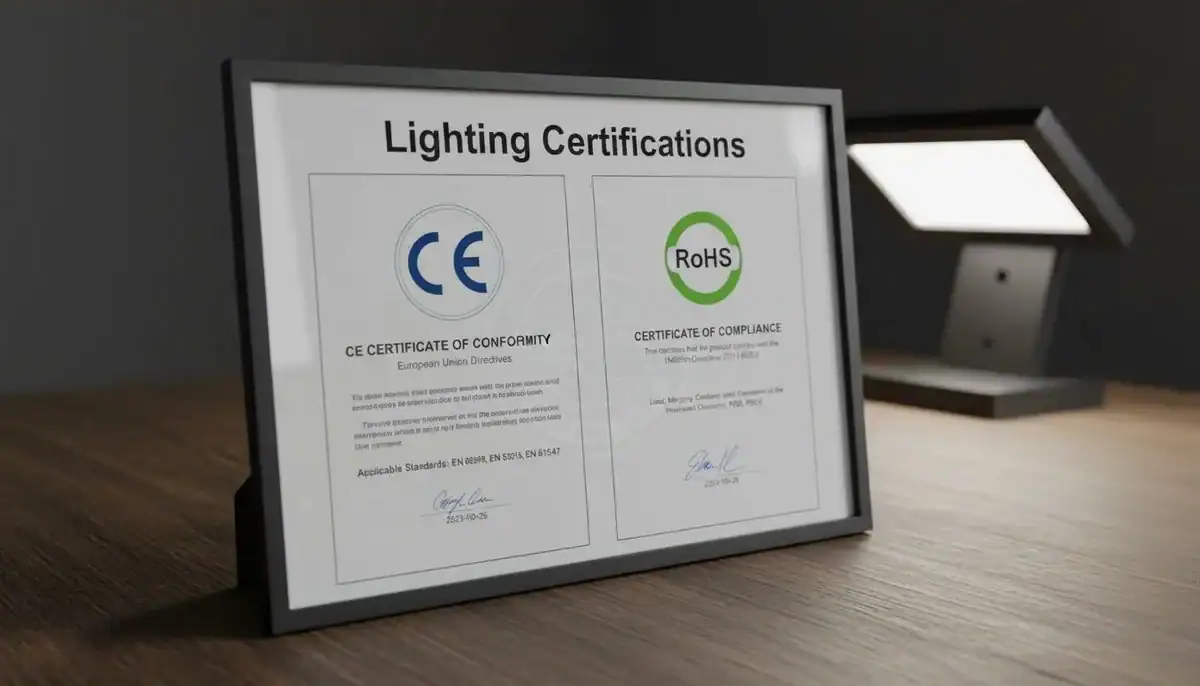
Focus on efficiency (lumens per watt) and certifications21. A 48V system usually offers better driver efficiency than lower voltages. Ensure your supplier provides CE, RoHS, and UL/ETL data to clear customs smoothly and prove quality to your buyers.
Dive deeper Paragraph:
As a factory owner, I know that paperwork is just as important as the product. When you import to Mexico, you need to prove the safety of the electronics. 48V systems use external or internal drivers. These drivers must meet strict standards. At Besenled, we ensure our drivers have high power factors (PF>0.9). This means they waste less electricity.
efficiency22 is also about heat. 48V currents are lower than 12V currents for the same wattage. Lower current means less heat in the copper conductors of the track. Heat is the enemy of LED life. A cooler track means the LEDs last longer, often exceeding 50,000 hours. When you sell this to a building manager, you are selling them lower maintenance costs. Always ask your supplier for the LM-80 report for the LED chips and the safety certificates for the drivers. This protects your business from claims later.
Key Specifications to Check
| Spec | Good Value | Why it Matters |
|---|---|---|
| Voltage | 48V DC | Safety & Run Length |
| CRI | >90 | True Color Representation |
| Efficiency | >90 lm/W | Energy Saving |
| Certificates | CE, RoHS, NOM | Customs Clearance |
Generate Claims
48V systems generate more heat than 12V systems.False
48V systems use lower current, which generates less heat in the conductors compared to 12V.
Certifications like CE and RoHS are optional for importing.False
Most countries require safety and environmental certifications to clear customs legally.
LOOP END
LOOP START
Should you choose 12V, 24V, 48V, or 240V?
leading paragraph:
Wrong voltage choices cause installation nightmares and dim lights. Do you want to avoid angry calls from electricians? Let’s compare the options side-by-side to find the winner.
snippet paragraph:
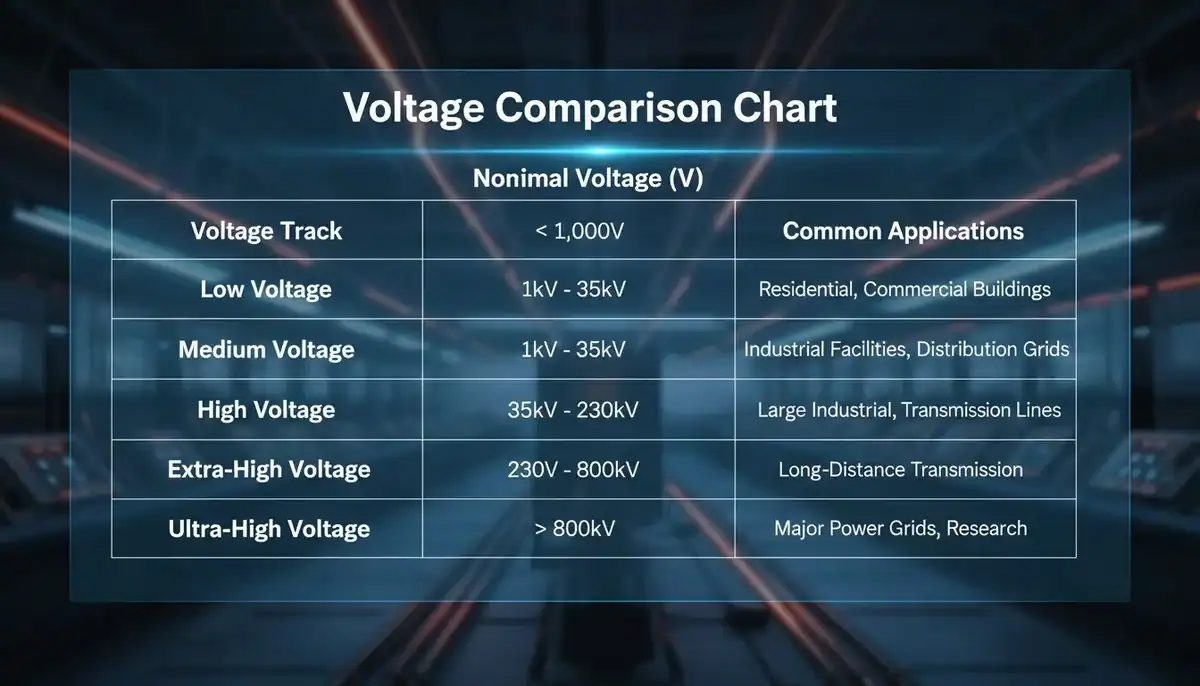
12V and 24V are best for short LED strips. 240V is for old, bulky track systems. 48V is the sweet spot: it combines the safety of low voltage with the power capacity of high voltage systems, making it ideal for modern architecture.
Dive deeper Paragraph:
Let's break this down simply. If you choose 12V for a track system, the copper wires inside the track need to be very thick to carry the current. This makes the track heavy and ugly. If you use 240V (mains voltage), the track must be insulated heavily to prevent shock. This also makes the track bulky.
48V allows the track to be slim and minimalist. Architects love this. It looks like a thin black line in the ceiling. It has enough power to light up a whole room but is small enough to look elegant. Also, 240V tracks are harder to dim. 48V systems work very well with modern smart dimming systems. If your client wants a "smart home," 48V is the only logical choice. It bridges the gap between the raw power of 240V and the safety of 12V.
Pros and Cons Overview
| Voltage | Pros | Cons | Best Use |
|---|---|---|---|
| 12V | Very Safe, Cheap | High Voltage Drop | Short LED Strips |
| 24V | Standard for Strips | Limited Run Length | Cove Lighting |
| 48V | Safe, Long Runs, Slim | Requires driver23 | Magnetic Track |
| 240V | No Driver Needed | Shock Risk, Bulky | Old Retail Stores |
Generate Claims
240V tracks are slimmer than 48V tracks.False
240V tracks require heavy insulation for safety, making them bulkier than 48V tracks.
48V is the best balance for smart home integration.True
48V DC is easily controlled by digital protocols like DALI and Zigbee for smart dimming.
LOOP END
LOOP START
What are the most common questions about magnetic track voltage?
leading paragraph:
Answering client questions takes up your valuable time and energy. Do you want a quick cheat sheet for your sales team? Here are the top answers to the most frequent questions.
snippet paragraph:
Not all magnetic tracks are 48V, but most are. You always need a driver to step down AC power. Yes, these systems are smart-home compatible (DALI, Zigbee). Always check for safety certifications before buying to ensure the system is legal and safe.
Dive deeper Paragraph:
I get these questions every day from distributors. First, "Do I need a transformer?" Yes. You cannot wire 48V track directly to the mains. The driver can be hidden in the ceiling (remote) or plugged directly into the track (integrated). Integrated drivers are easier for renovations because you don't need to cut the drywall.
Second, "Are they dimmable?" This is a huge trend. 48V tracks are perfect for dimming. You can use 0-10V, DALI, Tuya, or Zigbee. Because it is DC power, the dimming is smooth and does not flicker. This is vital for high-end hotels or luxury homes. If you sell a system that flickers, the client will return it.
Third, "Why choose 48V over 24V?" As I mentioned, it is about distance. If you have a big showroom, 24V will fail to push power to the end. 48V is the professional choice for any space larger than a small bedroom.
Quick Answer Guide
| Question | Short Answer |
|---|---|
| Is it always 48V? | Mostly yes, sometimes 24V. |
| Need a driver? | Yes, AC to DC is required. |
| Smart compatible? | Yes (DALI, Zigbee, Tuya). |
| Can I cut the track? | Yes, anywhere along the rail. |
Generate Claims
Magnetic track lighting cannot be dimmed.False
48V systems are highly compatible with dimming protocols like DALI, 0-10V, and Zigbee.
Integrated drivers allow for installation without remote transformers.True
Integrated drivers plug into the track, converting power right at the fixture source.
LOOP END
Conclusion
48V DC is the superior choice for magnetic lighting. It offers safety, design flexibility, and efficiency. For reliable, certified 48V systems that boost your business, contact Besenled today.
References
Explore how 48V DC enhances safety and efficiency in modern lighting solutions. ↩
Learn about the importance of Touch Safe technology in reducing electrical hazards. ↩
Understand the impact of voltage drop on lighting quality and efficiency. ↩
Discover the advantages of Hot-Swapping for easy fixture adjustments. ↩
Find out how certifications ensure safety and compliance in lighting systems. ↩
Understand the key elements that determine the efficiency of lighting systems. ↩
Discover the critical function of drivers in converting AC to DC for lighting.