
What certifications are required to import LED lighting products into the U.S.?

Navigating U.S. import rules can be confusing. A simple mistake with certifications can get your entire shipment stuck at customs, costing you time and money.
To import LED lighting into the U.S., you primarily need safety certification (UL or ETL) and an FCC1 declaration for electromagnetic interference. For market access and rebates, you often need performance listings like DLC or Energy Star. Each product SKU needs its own specific documentation.
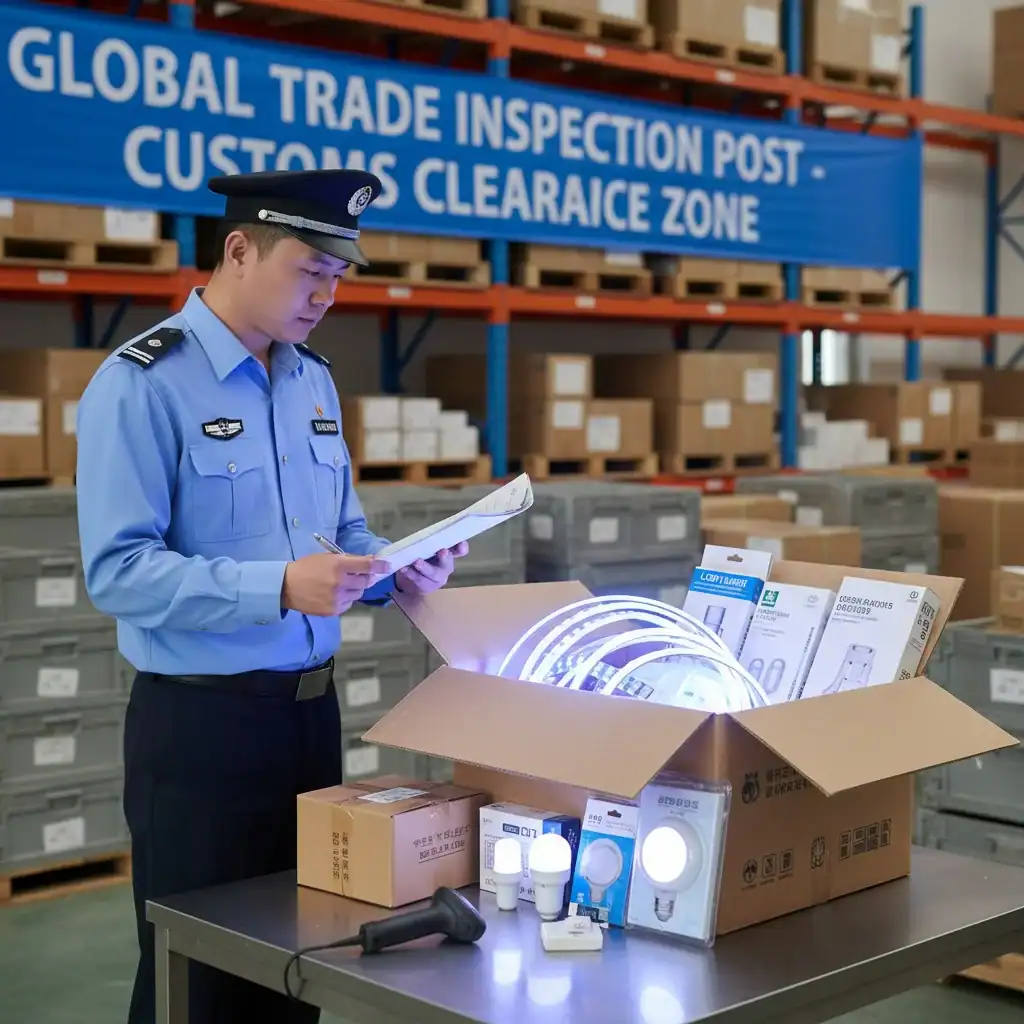
Getting your products into the U.S. market is a big step. But it can also be a big headache if you are not prepared. I have seen many distributors, a lot like my client Jose from Mexico, get frustrated by delays. They find a great product, place an order, and then find out the paperwork is wrong. The shipment gets held up, and they miss their selling window.
The key is to understand that certifications are not just a single piece of paper. They are a detailed package of documents tied to each specific product model you sell. Let's break down exactly what you need so you can avoid these problems and get your products to your customers smoothly.
All LED lights sold in the U.S. must be UL certified by law.False
The law requires products to be safe, but it doesn't mandate a specific mark like UL. ETL is an equivalent and accepted alternative. The requirement comes from the National Electrical Code and OSHA for workplace safety.
FCC certification is only for products with Wi-Fi or Bluetooth.False
FCC Part 15 applies to almost all electronic devices, including LED drivers, because they can create unintentional electromagnetic interference that disrupts radio communications.
U.S. certification checklist: UL/ETL, DLC, FCC, EPA/DOE and labeling?
Are you worried about missing a critical certificate for your U.S. shipment? This oversight can lead to rejected containers and angry customers, damaging your reputation and your bottom line.
Your essential U.S. checklist includes UL/ETL2 for safety, FCC for electronic emissions, and often DLC for commercial rebates. You also need correct labeling for the Department of Energy (DOE) and sometimes the EPA. Think of these as per-SKU deliverables, not generic company certificates.

When you import LED lighting, you need to think about different types of compliance. It's not just one certificate. It's a group of them, and each one has a different job. Some are required by law, while others are required by the market to be competitive. I always tell my clients to treat this like a passport for each product model.
Here is a simple breakdown:
Key Certification Categories
| Certification | Purpose | Is it Mandatory? | Who Requires It? |
|---|---|---|---|
| UL/ETL | Electrical Safety | Yes (de facto) | National Electrical Code, inspectors, insurers |
| FCC | Electronic Interference | Yes | Federal Communications Commission |
| DLC3 | Energy Efficiency & Quality | No | Utility companies for rebates, large tenders |
| Energy Star4 | Energy Efficiency (Consumer) | No | EPA, for consumer market access |
| DOE Labeling5 | Performance & Energy Use | Yes | Department of Energy |
For a distributor like Jose, this table is his starting point. Safety (UL/ETL) and emissions (FCC) are non-negotiable. But to win big projects or get his products into rebate programs6, he absolutely needs to look for products with a DLC listing.
A CE mark is sufficient for selling LED lights in the United States.False
The CE mark is a self-declaration for the European market. It is not recognized or accepted in the United States, which requires safety certification from a Nationally Recognized Testing Laboratory (NRTL) like UL or ETL.
The Department of Energy (DOE) requires all light bulbs to have a 'Lighting Facts' label.True
The DOE mandates this label for most general service lamps. It provides consumers with standardized metrics like brightness (lumens), energy cost, lifespan, and color temperature.
Which UL standards apply to my product? UL 1598, UL 8750, UL 2108, UL 1993?
Confused by all the different UL numbers? Applying the wrong standard means your product will fail testing, forcing you to start the expensive and time-consuming process all over again.
The UL standard you need depends on your product type. UL 1598 is for general luminaires, UL 8750 is for LED components like drivers, UL 2108 is for low-voltage lighting systems, and UL 1993 is for self-ballasted lamps.
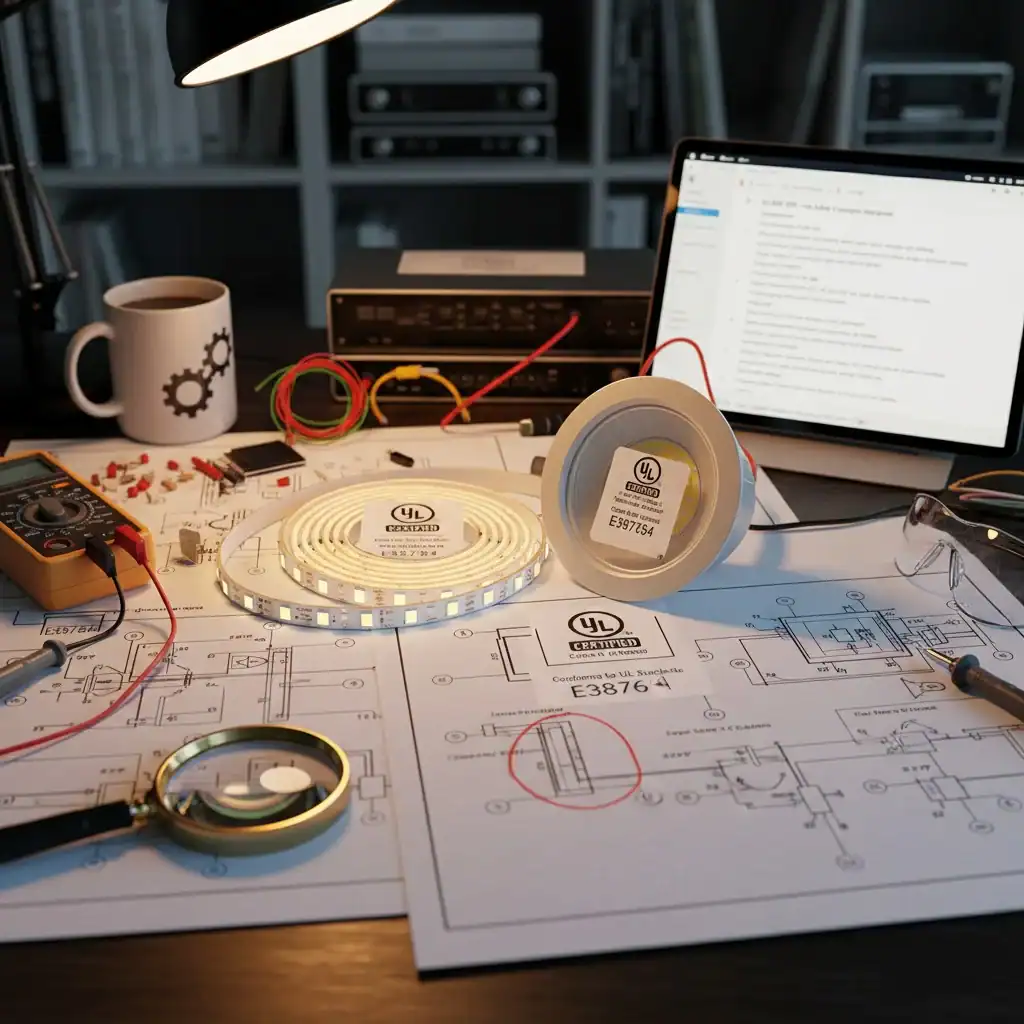
UL (Underwriters Laboratories) is all about safety. But they don't have just one test for "LED lights." They have many different standards for different kinds of products. As a factory, we have to know exactly which one applies to the product we are making for you. If we test a linear high bay under the wrong standard, the certification is useless.
It's important for you, the buyer, to know the basics too. This helps you check if your supplier has the right documents.
Common UL Standards for LED Lighting
-
UL 1598: The Standard for Luminaires
This is the main standard for most complete lighting fixtures. Think of high bay lights, troffers, and wall packs. It tests the entire product for electrical, mechanical, and thermal safety. -
UL 8750: The Standard for LED Equipment
This standard is for the components inside a luminaire. This includes LED drivers, modules, and controllers. Often, a luminaire certified under UL 1598 will contain components that are individually certified under UL 8750. -
UL 2108: The Standard for Low Voltage Lighting Systems
This is for systems like our LED strip lights or magnetic track lights. It covers the power supply and the lights themselves, ensuring the whole system is safe to install and operate. -
UL 1993: The Standard for Self-Ballasted Lamps and Lamp Adapters
This applies to products designed to replace traditional light bulbs, like screw-in LED bulbs.
When you ask us for a UL certificate, we provide the one for the specific standard that matches your product.
UL 8750 is the only standard needed for an LED strip light.False
UL 8750 covers the LED components, but a complete low-voltage system with a power supply, like an LED strip light kit, is typically certified under UL 2108.
ETL certification is a cheaper, lower-quality alternative to UL.False
ETL (Intertek) is another NRTL, just like UL. It tests products to the exact same safety standards (e.g., UL 1598). The mark is legally equivalent, and the choice between them is often a business decision based on cost, speed, and lab availability.
DLC listing requirements: efficacy, glare reporting, and documentation for rebates?
Do you want your products to be eligible for lucrative U.S. energy rebates? Without a DLC listing, your commercial customers can't get these rebates, and they will likely choose a competitor's product over yours.
To get a DLC listing, your product must meet high standards for efficacy (lumens per watt), longevity (L70), and quality, including new requirements for glare reporting. You also need complete photometric test data from an accredited lab.
The DesignLights Consortium (DLC) is not a government agency. It's a group of utility companies and energy efficiency organizations. They created a list of high-quality, high-efficiency LED products. Why? So they know which products to give rebates for. For commercial buyers, these rebates can cut the project cost by 30-50%. If your product isn't on the DLC list, you can't compete for these jobs.
Getting on the list is tough. The standards get stricter every year.
Key DLC Requirements (V5.1)
- Efficacy (Lumens per Watt - LPW): This is the most important metric. It measures how much light the product produces for each watt of energy it consumes. The DLC has minimum LPW requirements for every product category, and they are high.
- Longevity & Warranty: The product must be tested to show it maintains its light output for a long time (e.g., L90 at 36,000 hours). It must also be backed by a 5-year warranty.
- Glare Reporting (UGR): To improve visual comfort, the DLC now requires manufacturers to report the Unified Glare Rating (UGR). This shows how likely the light is to cause discomfort for people working under it.
- Full Documentation: You need to submit a lot of paperwork. This includes IES files, TM-30 reports for color quality, and safety certificates (UL/ETL).
At Besenled, we work hard to engineer products that meet these tough standards because we know it's what our distributors need to win in the U.S. market.
DLC is a mandatory federal requirement for all commercial lighting.False
DLC is a voluntary, market-driven program. It is not required by law, but it is often required by utility companies to qualify for energy efficiency rebates, making it a commercial necessity for many projects.
A product with a high Lumen output is always better.False
High lumens can be good, but efficacy (lumens per watt) is a better measure of performance. A very bright light that uses a lot of energy is inefficient. Furthermore, factors like glare (UGR) and color quality (CRI, TM-30) are critical for user comfort and are part of the DLC's quality standards.
FCC Part 15 for LED lighting: Class A vs Class B, labeling, and SDoC?
Do you think FCC rules are only for radios and phones? The electronics in your LED lights can interfere with other devices, and if they aren't compliant, the FCC can stop your sales and issue fines.
All LED products sold in the U.S. must comply with FCC Part 15. You must determine if your product is Class A (commercial) or Class B (residential), perform testing, and apply the correct label and compliance statement using the Supplier's Declaration of Conformity (SDoC) process.
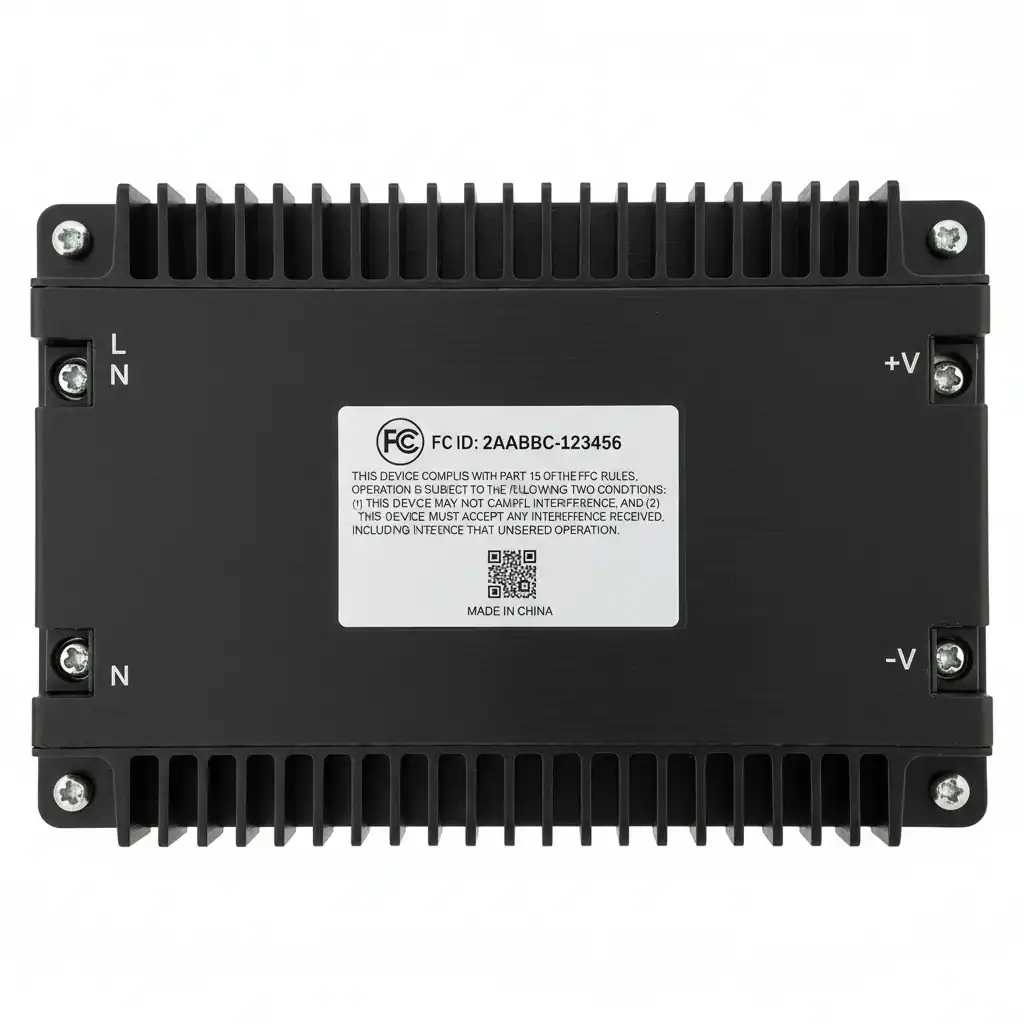
Every LED light has a driver, which is an electronic device. Like any electronic device, it can create "noise" or electromagnetic interference. This interference can disrupt Wi-Fi, radio, and other communication signals. The Federal Communications Commission (FCC) has rules to prevent this.
This is a legal requirement. I've seen importers get in trouble because the FCC label was missing or the wrong one was used. It's a simple thing to get right, but it's often overlooked.
Understanding FCC Part 15 Compliance
-
Class A vs. Class B:
- Class A: For products used in commercial, industrial, or business environments. The limits for emissions are less strict.
- Class B: For products used in residential environments. The limits are stricter because there are more devices to interfere with in a home. Most of our versatile products, like LED strips, are tested to Class B standards.
-
Supplier's Declaration of Conformity (SDoC):
This is the most common way to comply. It means the manufacturer (or the responsible party in the U.S.) has tested the product, confirmed it meets the standards, and created a compliance statement. You don't need to file anything with the FCC, but you must have the test report ready if they ask for it. -
Labeling:
The product must have a label. For SDoC, it doesn't have to be the FCC logo, but it's good practice. More importantly, the user manual or packaging must contain specific warning text. For example, Class B devices need a statement that says the device complies with Part 15 and won't cause harmful interference.
If my LED driver is FCC certified, my entire luminaire is automatically compliant.False
While using a compliant driver is a critical first step, the FCC tests the final product as a whole system. The interaction between the driver, the LED module, and the housing can create new emissions. The complete luminaire must be tested.
The FCC requires you to submit your test reports for approval before selling your product.False
For most LED lighting under the SDoC procedure, you do not need to submit reports to the FCC for pre-approval. However, you must have the full test report on file and be able to provide it immediately if the FCC requests it.
Photometry and data packages: IES files, TM‑30, warranties, and controls?
Is your product data sheet just a list of claims? Serious buyers, especially for large projects, need verifiable data to trust your product's performance, or they will move on to a supplier who provides it.
A professional data package must include photometric files (IES) for lighting design software, color rendition data (TM-30), detailed warranty information, and specifications for any integrated controls. This proves your product performs as advertised.
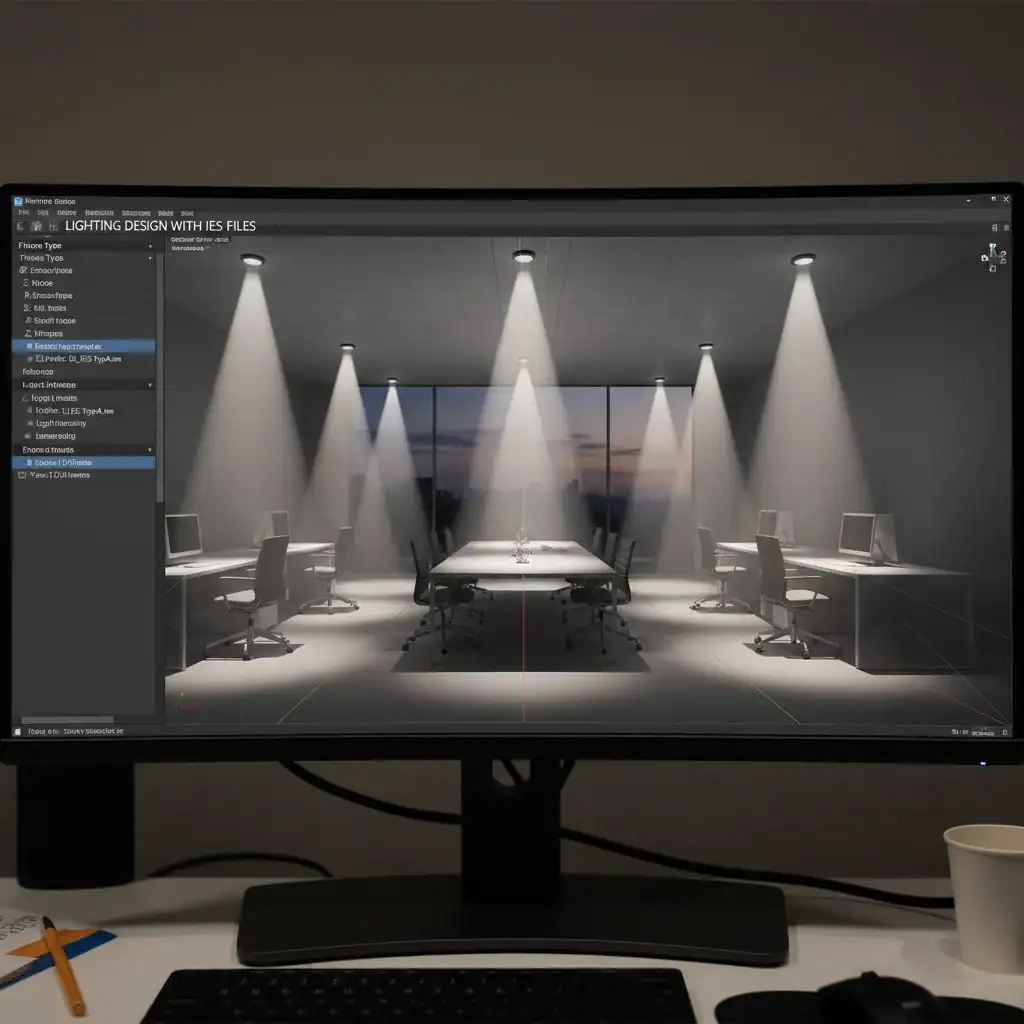
When you are selling to a small shop, a simple spec sheet might be enough. But when you are selling to architects, lighting designers, or large corporate buyers, they need much more. They are not just buying a light; they are designing a system. They need technical data to do their job. Providing a complete data package shows that you are a professional and trustworthy partner.
I remember working with a large distributor who was trying to win a contract for a new office building. The lighting designer on the project wouldn't even consider their products without the IES files. We provided them overnight, and it helped our client secure the deal.
What's in a Professional Data Package?
- IES Files: This is a standardized digital file that describes how a light fixture distributes light. Lighting designers import this file into their software (like DIALux or AGi32) to accurately model how a space will look with your lights. Without it, they can't specify your product.
- TM-30-18 Reports: The old Color Rendering Index (CRI) is a simple metric. TM-30 is a much more detailed and accurate way to measure color rendition. It shows how faithfully the light shows a full range of colors. For retail or museum projects, this is critical.
- Warranty Documents: A clear, detailed warranty that explains what is covered and for how long. It should cover things like lumen depreciation (L70/L90), color shift, and driver failure.
- Controls Information: If your light has dimming, color tuning, or smart controls, you need to provide detailed specs on the protocol (e.g., 0-10V, DALI, Zigbee) and compatibility.
An IES file is just a picture of the light beam.False
An IES file is a complex text file containing photometric data measured in a goniophotometer. It provides a 3D map of the light's intensity in every direction, allowing software to perform accurate lighting calculations.
A 90 CRI light is always better than an 80 CRI light.True
Generally, yes. A higher CRI means the light source renders colors more accurately compared to a natural light source. For most applications, 80 CRI is good, but for color-critical tasks in retail, art galleries, or printing, 90+ CRI is essential.
State and utility overlays: rebate qualification and tender expectations?
You have your federal certifications, so you're ready to sell anywhere in the U.S., right? Not so fast. Many states and even individual utility companies have their own rules that can block your product from major projects.
To succeed, you must be aware of state-level energy codes, like California's Title 24, and local utility rebate programs, which almost always require a DLC listing. These "overlays" often dictate the real-world product requirements.
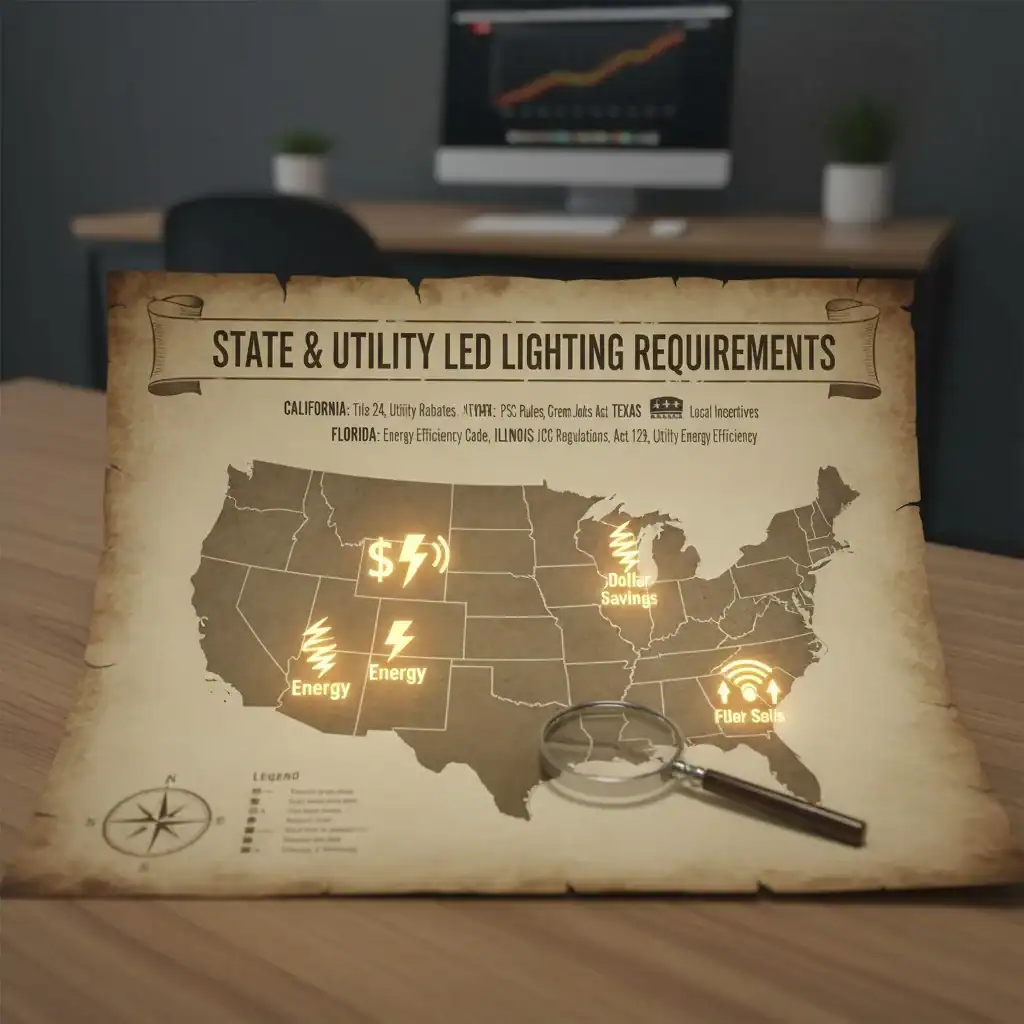
The United States is not one single market. It's 50 different states, each with its own rules. On top of that, thousands of local utility companies manage the power grid and offer rebates. This creates a complex web of requirements that I call "overlays." A product that is perfectly fine to sell in Texas might not be compliant in California.
For my clients who distribute across the country, understanding these local differences is key to their success. They can't just have one "U.S. product." They need to know which products are right for which markets.
Examples of Overlays
- California Title 247: California has the strictest energy efficiency building code in the country. For lighting, it has specific requirements for efficacy, controls (like dimmers and vacancy sensors), and light quality (requiring high CRI in homes). If your product doesn't meet Title 24, you can't sell it for new construction or major renovations in California.
- Utility Rebate Programs: Let's say a utility in Ohio, AEP Ohio, offers a rebate for high bay lights. Their program will state that to qualify, the light must be on the DLC Premium list and have an efficacy of at least 150 LPW. If your product is only on the standard DLC list or has an efficacy of 140 LPW, your customer can't get the rebate. They will buy from someone else.
This is why we at Besenled offer a range of products. We have options that meet the toughest standards so our distributors can compete and win in any U.S. market.
California's Title 24 only applies to residential buildings.False
Title 24 sets energy standards for all new construction, additions, and alterations for both residential and nonresidential buildings throughout California, with specific lighting requirements for each.
All U.S. utility companies offer the same rebates for DLC-listed products.False
Rebate programs are highly localized. Each utility company (or state program) sets its own rebate amounts, qualification criteria (e.g., DLC Standard vs. Premium), and application process. There is no national standard for rebates.
OEM/ODM workflow: compressing certification timelines and avoiding retests?
Are you frustrated by the 6-month wait for certifications on your new product? These long delays mean you miss market trends and lose sales to faster competitors.
A smart OEM/ODM workflow can cut certification time in half. By using pre-certified critical components (like UL-recognized drivers and modules) and a lab partner with experience, you can often avoid full retests and get to market faster.
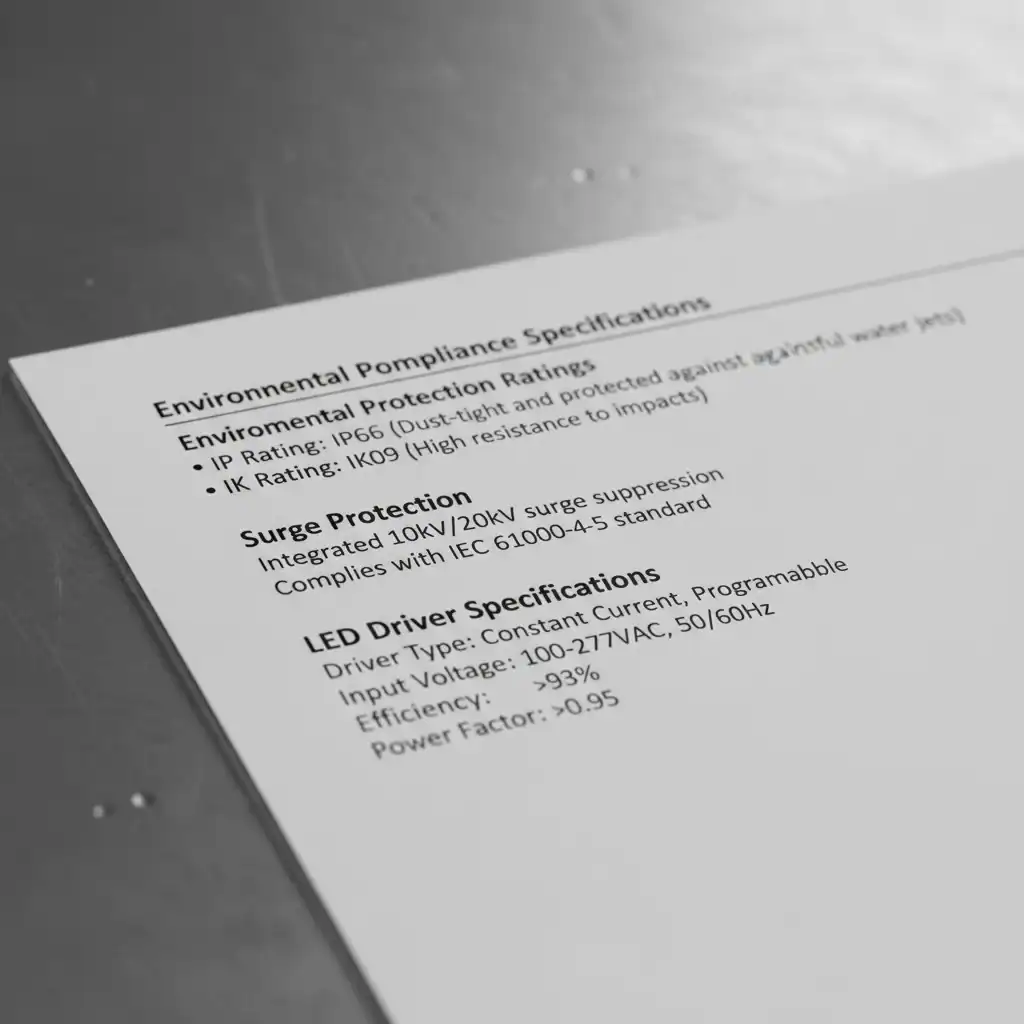
As a factory, one of our biggest challenges is speed. Our clients, like Jose, want new and innovative products, but they can't wait a year for them. The longest part of developing a new product is often the certification process. A full UL certification from scratch can take many months and cost tens of thousands of dollars.
But there is a smarter way. We use an OEM/ODM workflow that focuses on speed. The secret is to build new products using components that are already certified.
How to Speed Up Certification
- Use Pre-Certified Components: We select LED drivers that are already "UL Recognized" under UL 8750. We use LED modules that have also been tested. This is like having the engine and transmission of a car already approved for safety. The lab doesn't have to re-test them from zero.
- Focus on System Integration: The lab's job is now easier. They just need to test how these pre-certified parts work together in our new housing. They focus on thermal management (making sure it doesn't overheat) and electrical construction. This is a much faster and cheaper process.
- Model-Level Listings: This is the most important part. We don't just get a generic certificate. We get a specific UL or ETL number for each final model (SKU). This means the certificate you receive from us has the exact model number you are selling. This avoids any confusion with customs or project managers. As my insight says, treat certifications as per-SKU deliverables.
This process allows us to bring a new, fully certified luminaire to market in as little as 2-3 months, not 6-9.
Using a UL-Recognized driver means my fixture doesn't need any more testing.False
It's a huge head start, but the final product (the luminaire) must still be tested as a complete system. The UL-Recognized component simplifies the process, but doesn't eliminate it. Safety depends on how the components are integrated.
An ODM can list my brand name directly on the UL certificate.True
Yes, this is a common and valuable service. Through a process called a 'Multiple Listing' or 'Private Labeling,' the factory (ODM) can authorize the testing lab (UL/ETL) to issue a separate certificate with your brand name and model number, linked to their original test report.
Common failure points that derail U.S. imports—and how to prevent them?
Are you worried that a small, overlooked detail could cause your entire shipment to be rejected? These simple mistakes happen all the time, leading to costly delays, storage fees, and even re-exporting the goods.
The most common failures are mismatched model numbers between documents and products, incomplete or missing FCC labeling, and trying to use a supplier's generic certificate for your private-labeled product. Prevent this by demanding per-SKU precision.
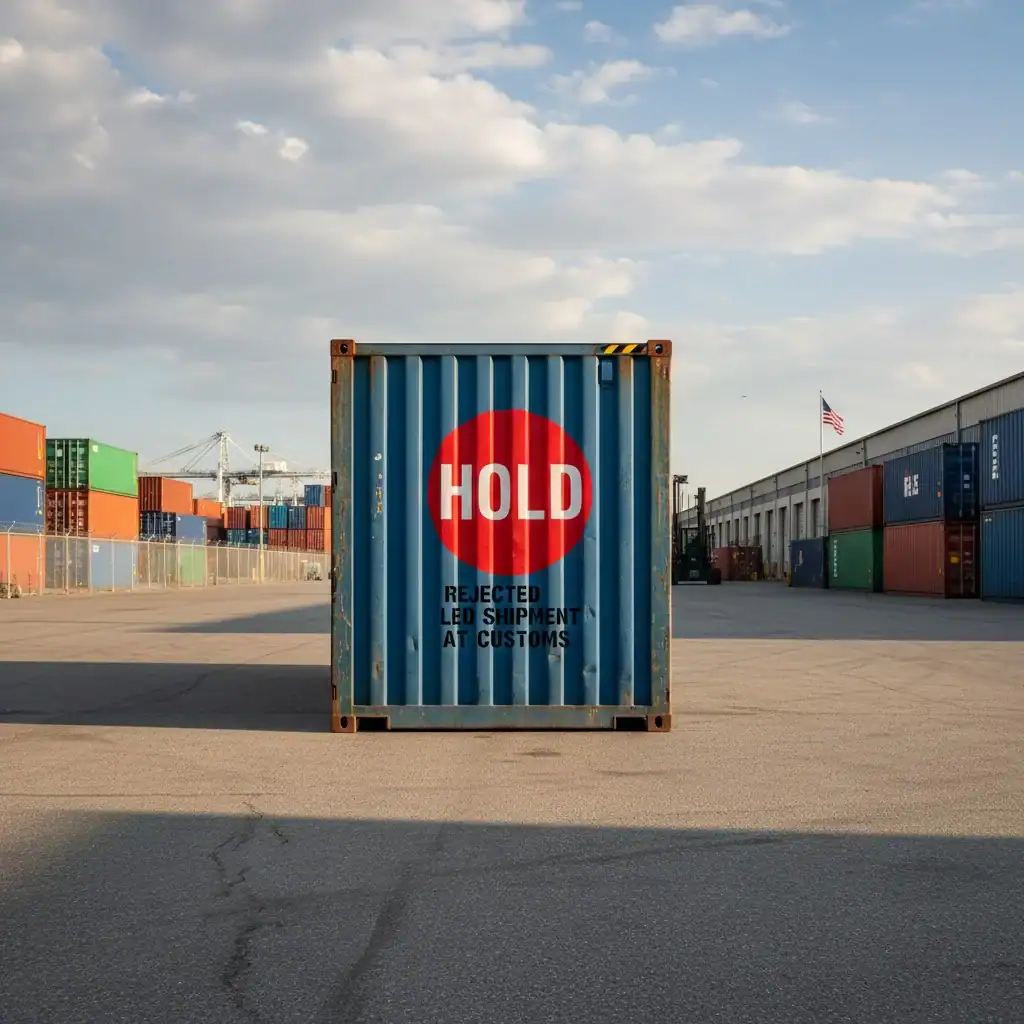
I've been exporting lights for over 10 years. In that time, I've seen almost every mistake that can be made. It's heartbreaking to see a client's order get stuck for weeks because of a simple paperwork error. The good news is that these problems are 100% preventable with a little bit of attention to detail.
Here are the top three failure points I see and how we help our clients avoid them:
1. Mismatched SKUs
- The Problem: The invoice says "Model 123-A," the UL certificate says "Model 123," and the box says "Linear Light." A customs agent sees this and immediately flags the shipment for inspection. They can't confirm that the certified product is the one in the box.
- The Prevention: We treat certifications as a deliverable for each specific SKU. Before we ship, we create a documentation package where the model number is identical on the proforma invoice, the packing list, the safety certificate, and the label on the product itself. No ambiguity, no problems.
2. Incomplete Labeling
- The Problem: The product has a UL mark, but the required FCC compliance statement is missing from the product or the manual. Or, the DOE Lighting Facts label is not on the packaging. These are legal requirements and easy for inspectors to spot.
- The Prevention: We have a pre-shipment quality check specifically for labeling. We ensure every product has all the required marks and text for its destination market. For the U.S., this always includes safety marks, country of origin, and FCC information.
3. Invalid Certificate Use
- The Problem: A distributor like Jose buys a product and rebrands it with his own logo and model number. He then tries to use our original Besenled UL certificate. This is not allowed. The certificate is only valid for the brand and model number printed on it.
- The Prevention: We offer a "Private Labeling" service. We work with UL or ETL to issue a new, official certificate in our client's name, with their model number. It costs a little extra, but it's the only correct and legal way to do it.
Customs agents don't have time to check every product's certification details.False
While they don't check every single item, customs systems are programmed to flag inconsistencies. Mismatched numbers or missing information on shipping documents are major red flags that trigger manual inspections and holds.
As long as the product is certified, the label on the box doesn't matter.False
The labeling on the product, the box, and the documentation must all match. This chain of evidence is what allows an inspector to quickly verify compliance. Any break in the chain can lead to a rejection.
FAQ: Your top certification questions answered?
Still have questions about the certification process? Getting clear, simple answers can be difficult, leaving you uncertain about your import strategy and exposing you to risk.
Here are direct answers to the most common questions. UL/ETL is a must for safety. FCC is mandatory. DLC/Energy Star are for market access. Performance is proven with photometric tests.

After discussing certifications with hundreds of clients, I find that the same few questions come up again and again. It's easy to get lost in the details, so let's clear up the most important points with some straightforward answers. Think of this as the final checklist for your peace of mind.
Your Questions, Answered
-
Do I need UL for U.S. imports?
Technically, no federal law says "you must have UL." However, the National Electrical Code (NEC), which is law in all 50 states, requires products to be approved by a Nationally Recognized Testing Laboratory (NRTL). UL and ETL are the two most common NRTLs for lighting. So, in practice, yes, you need a UL or ETL mark to pass electrical inspections and for insurance purposes. It is a non-negotiable market requirement. -
Is FCC mandatory for LED luminaires?
Yes, it is absolutely mandatory. Every LED luminaire contains electronics (the driver) that can cause electromagnetic interference. FCC Part 15 regulates this. Your product must be tested and labeled according to FCC rules. Not complying is breaking federal law. -
Are DLC or Energy Star required by law?
No, neither DLC nor Energy Star are required by law. They are voluntary programs. However, they are often required by the market. DLC is essential for accessing commercial rebates from utility companies. Energy Star is essential for selling to consumers through major retail channels. Without them, your sales potential is very limited. -
What tests prove performance?
Performance is proven with photometric testing8 done in an accredited lab. The key documents are the IES file, which shows light distribution, and the LM-79 report, which details metrics like lumens, wattage, efficacy (LPW), CRI, and CCT. For advanced color quality, you need a TM-30 report. -
What labels must be on the product?
At a minimum, the product itself must have:- The NRTL mark (UL or ETL).
- The manufacturer's name or brand.
- The model number (matching the certificate).
- Basic electrical ratings (Voltage, Wattage).
- "Made in China" or the country of origin.
The packaging often requires additional labels, like the DOE Lighting Facts label.
An ETL mark is not as widely accepted as a UL mark in the U.S.False
This is a common misconception. ETL is an NRTL accredited by OSHA and is legally equivalent to UL. Both marks signify that the product has been tested to the same safety standards. All electrical inspectors and authorities accept both.
You only need to label the outer shipping carton, not the individual product.False
The final product that will be installed must bear the permanent certification marks. The outer carton and individual product boxes also have their own labeling requirements (like country of origin and sometimes performance labels), but they don't replace the marks on the luminaire itself.
Conclusion
Navigating U.S. certifications requires treating each product's compliance as a specific deliverable. Focus on per-SKU safety, FCC, and market-driven listings like DLC to ensure smooth, successful imports.
References
- Learn about FCC compliance to ensure your LED products meet necessary regulations and avoid legal issues. ↩
- Understanding the differences between UL and ETL certifications can help you choose the right safety certification for your products. ↩
- Discover how a DLC listing can enhance your product's marketability and access to energy rebates. ↩
- Explore the importance of Energy Star certification for consumer access and competitive advantage in the market. ↩
- Understanding DOE labeling can help ensure your products meet federal energy efficiency standards. ↩
- Explore various rebate programs to maximize your product's appeal and financial incentives for customers. ↩
- Familiarize yourself with Title 24 to ensure compliance in one of the strictest energy efficiency markets. ↩
- Learn about photometric testing to validate your product's performance and gain customer trust. ↩
Topic cluster context
What certifications are required to import LED lighting products into the U.S.?
This guide supports the Certification & Trust hub. Product, protocol, certification, ranking and performance claims remain subject to the evidence and compatibility checks stated in the article governance record.