
Ever wondered what keeps those magnetic track lights shining bright in your favorite spaces?
Magnetic track lighting systems generally run on 120V in North America, making them compatible with most homes and businesses. However, some systems, especially those featuring LED technology, might require lower voltages like 48V or 24V, using a transformer to adjust from the standard supply.
Now, let's take a closer look at how these voltage differences can affect your installation and overall lighting performance. I remember when I first installed my magnetic track lighting—juggling between voltage requirements felt like a puzzle. But once I got it right, the ambiance was worth every bit of effort. Understanding these nuances ensures you get the best out of your lighting system, maximizing efficiency and effectiveness. So, why is voltage selection so crucial? Well, the right choice not only optimizes energy use but also enhances the longevity and safety of your setup. Let’s dive into how you can make informed decisions and get the most out of your lighting projects.
Magnetic track lights in North America use 120V standard voltage.True
In North America, the standard operating voltage for most systems is 120V.
All magnetic track lighting systems require a transformer.False
Only systems using lower voltages like 48V or 24V need transformers.
Why Do Voltage Specifications Matter for Magnetic Track Lighting?
Imagine trying to fit a square peg into a round hole—that's what mismatched voltage can do to your lighting project.
Voltage specifications are crucial for magnetic track lighting because they ensure the system's performance and safety. They dictate compatibility with power supplies, impact energy efficiency, and guide installation choices, essential for any successful lighting project.

Understanding Voltage Standards
I remember when I first got into lighting systems, it was like deciphering a new language. But understanding voltage specs was non-negotiable. In North America, 120V is the go-to for residential and commercial setups, fitting seamlessly with our standard power systems. Now, if you’re dealing with LEDs or accent lighting, you might need a transformer to shift from 120V to a lower voltage like 48V or 24V.
| Voltage | Application |
|---|---|
| 120V | Standard residential/commercial in North America |
| 48V | LED or accent lighting requiring transformer |
| 24V | Special low-voltage applications |
International Voltage Variations
On my first big international project, I learned the hard way about regional voltage differences. While setting up in Europe, I realized their systems run on 220-240V. Without the right voltage converter, I was facing potential power mishaps. It’s crucial to align with local standards to avoid energy efficiency1 issues.
Importance of Energy Efficiency
I’ve always prioritized sustainability, which is why modern magnetic track lighting's low voltage appeal speaks to me. Lowering voltage means less electrical resistance—saving energy and boosting the lifespan of your lights. This is especially vital when you're working on sustainable construction2 projects.
Critical Considerations for Installation
Once, I made the mistake of not double-checking voltage compatibility before an installation, resulting in inefficiencies and even damage. Properly understanding these specifications means you’re selecting the right transformers or converters, ensuring your setup is both safe and functional. Always verify against your local power supply and specific needs before diving into installation.
Practical Examples
Take this: a project in Canada running smoothly at 120V, but importing European lights without a converter could spell disaster due to different power standards. Grasping voltage specs is your safeguard against disruptions, ensuring your lighting solutions integrate seamlessly.
By focusing on these factors, you'll achieve not just efficient but also safe installations of magnetic track lighting systems tailored perfectly to your needs and context. For deeper insights, examining regional electrical standards3 can be invaluable. Understanding these intricacies transforms a simple project into a lighting masterpiece.
Magnetic track lighting in North America operates at 220V.False
North American systems typically use 120V, not 220V.
Voltage mismatches can damage magnetic track lighting systems.True
Incorrect voltage can cause inefficiencies or damage to the system.
Why Does Voltage Vary Between Regions for Magnetic Track Lighting?
Have you ever wondered why your magnetic track lighting seems a little out of sync when you travel? It’s all about voltage differences! Let’s dive into why this matters.
Voltage for magnetic track lighting varies by region: North America uses 120V, while Europe and Asia employ 220-240V systems. This affects installation and may require transformers for compatibility.

Regional Voltage Standards
I remember the first time I tried to install magnetic track lighting in a friend's European vacation home. Coming from Canada, I was used to the straightforward 120V setup. But to my surprise, Europe dances to a different tune with a 220-240V system. This regional variance is crucial because it determines how our lighting systems are designed and installed.
| Region | Standard Voltage | Low Voltage Systems |
|---|---|---|
| North America | 120V | 48V/24V |
| Europe | 220-240V | Often include converters |
Low Voltage Options
On one project, I had to work with a low-voltage setup, using sleek LED lights that operated on 48V. It felt like working with a secret sauce that made the lights more efficient and less likely to overheat. Of course, this meant introducing a transformer to bridge the gap between the standard 120V and the low-voltage requirements. It's fascinating how these components ensure everything functions smoothly and safely.
International Variations
My work often takes me to regions with varied voltage standards. In Europe, for example, the higher standard voltage means that many magnetic track lighting systems can skip additional converters. This isn't the case back home in North America4, where we often need converters for international compatibility.
Energy Efficiency Considerations
With a growing focus on sustainability, many of my projects now lean towards LED-powered lighting systems. These aren't just about saving energy; they're about reducing heat output and extending the system's lifespan. By understanding how these systems adapt to different voltage standards, I can help clients save on operational costs and support their sustainability goals.
Exploring energy-efficient lighting5 options isn't just a professional duty—it's a personal passion that aligns with my commitment to eco-friendly practices. Understanding these voltage differences helps me make informed decisions about purchasing and installing magnetic track lighting, ensuring they meet regional standards and personal efficiency goals.
North America uses 120V for magnetic track lighting.True
North America's standard voltage for residential and commercial use is 120V.
Europe requires transformers for 120V lighting systems.True
Europe's standard voltage is 220-240V, needing converters for 120V systems.
Why Choose Low Voltage Magnetic Track Lighting for Energy Efficiency?
Ever wondered why low voltage magnetic track lighting is becoming a go-to for energy-conscious folks?
Low voltage magnetic track lighting works wonders by using reduced voltages like 48V or 24V, slashing energy use and heat output. The result? Lower electricity bills and longer-lasting lights, especially when teamed up with LEDs.

Understanding Low Voltage Systems
I remember the first time I swapped out my old high-voltage lights for a low voltage magnetic track system—it was like getting a new pair of glasses. Suddenly, everything was clearer, and my electricity bill was no longer something I dreaded each month. Operating at 48V or 24V instead of the standard 120V, these systems drastically cut the amount of electricity needed without sacrificing brightness. It felt like discovering a cheat code for my electric bill!
| Voltage | Typical Application |
|---|---|
| 120V | Standard household |
| 48V | LED and accent |
| 24V | Specialized lighting |
This decrease in energy use is a primary driver of energy efficiency6.
Reduced Heat Generation
Another pleasant surprise was how much cooler my space felt. I hadn’t realized how much heat those old lights were kicking off until they were gone. Low voltage systems like mine produce less heat, which means I run my air conditioning less often—a win for both my wallet and the planet. It’s like having a naturally cooler home without cranking up the A/C.
One of the major benefits of low voltage magnetic track lighting is reduced heat output. High-voltage systems often generate excessive heat, leading to more energy consumption and potential cooling needs. In contrast, low voltage lighting7 generates less heat, reducing the need for air conditioning and enhancing the lifespan of the lighting components.
Enhanced Lifespan of LED Components
Pairing my low voltage setup with LEDs was a game-changer. I used to dread changing bulbs, but now it feels like ages since I last replaced one. LEDs thrive on lower voltage power, extending their lifespan and performance. So now, not only do I save on my energy bill, but I also cut down on maintenance and replacement costs.
When integrated with LED technology, low voltage systems further extend their energy efficiency. LEDs are naturally efficient but perform even better with low voltage power sources. By minimizing voltage levels, these systems can maximize LED longevity8 and performance.
Cost Savings
At first glance, the setup seemed pricier because of the transformers and specialized parts required. But over time, I saw how the savings on energy and maintenance made this investment worthwhile. It’s like buying quality running shoes—they may cost more upfront, but they save you from blisters and last way longer.
While initial costs for low voltage magnetic track lighting systems can be higher due to the need for transformers and specialized components, the long-term savings on energy bills and maintenance make them a cost-effective choice.
Eco-Friendly Solutions
And perhaps most importantly, choosing low voltage magnetic track lighting was my way of taking a small step toward sustainability. Using less energy and creating less waste aligns with eco-friendly practices, contributing to green building initiatives.
For anyone interested in sustainable living or green certifications,
these systems are worth considering as part of a broader sustainability strategy.
For detailed insights on eco-friendly lighting solutions9, these systems support eco-friendly building initiatives.
Low voltage lighting generates less heat than high-voltage systems.True
Low voltage systems produce less heat, reducing cooling needs.
Low voltage magnetic track lighting is more expensive long-term.False
Initial costs are higher, but long-term savings outweigh them.
How do I pick the right voltage for my magnetic track lighting installation?
Navigating the voltage options for magnetic track lighting can be like trying to find the perfect pair of shoes. It needs to fit just right! Let me guide you through making the best choice for your space.
To choose the right voltage for your magnetic track lighting, think about your local voltage standards, the type of lighting (like LED or incandescent), and how much you value energy efficiency. Usually, homes stick with 120V, while commercial projects might need something different.
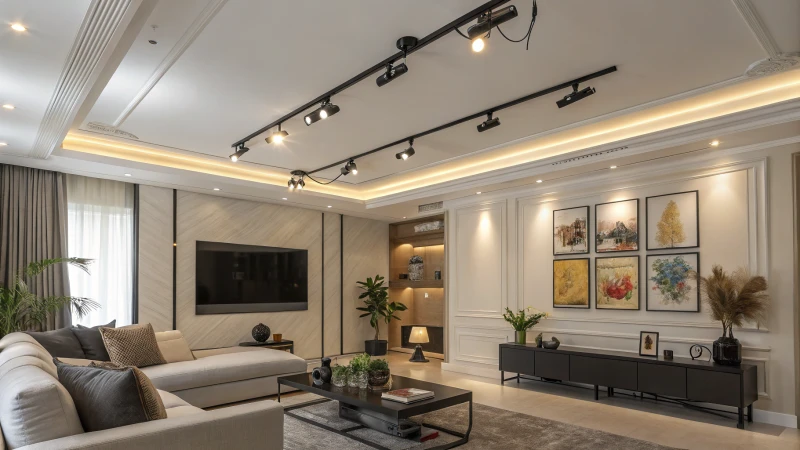
Understanding Voltage Requirements for Magnetic Track Lighting
When planning a magnetic track lighting installation, understanding the voltage requirements10 is essential. In North America, 120V is common for residential applications, whereas commercial projects might need adjustments.
| Voltage Type | Typical Use | Notes |
|---|---|---|
| 120V | Residential installations | Standard in North America |
| 48V/24V | LED/accent lighting | Requires transformers |
| 220-240V | International locations | May need converters |
Low Voltage Options and Their Benefits
I've always been a fan of low voltage options, particularly for LED setups. Not only do they save energy, but they also keep things cooler—literally! These systems usually require a transformer to step down from 120V AC, which can enhance energy efficiency11 and minimize heat output.
- LED Efficiency: Lower voltages pair wonderfully with LED technology, helping you cut down on power use without losing any brightness.
- Safety: Lower voltage setups tend to be safer and easier to work with, which is a huge plus.
Regional Voltage Variations
If you're like me and sometimes work on international projects, knowing local power standards is key. Many countries in Europe and Asia operate on a 220-240V system. If your project is there, you might need a voltage converter12 to ensure everything runs smoothly.
Practical Considerations for Voltage Selection
Before making your final choice, here are a few things I've learned to keep in mind:
- Type of Light Bulbs: Each bulb type has its own voltage needs. LEDs are pretty versatile, but traditional bulbs can be more finicky.
- Energy Efficiency Goals: If saving energy is high on your list, lean towards lower voltage systems.
- Future Expansion: Plan ahead! Make sure whatever system you choose can handle future growth without requiring major rewiring.
By weighing these factors carefully, you'll be set to choose the perfect voltage for your magnetic track lighting system. This ensures not just great performance but also longevity. And don't forget to check how it fits with your existing electrical setup13.
120V is standard for residential lighting in North America.True
In North America, 120V is commonly used for residential lighting installations.
LED lighting requires a voltage converter in North America.False
LEDs can use 120V directly but may require a transformer for lower voltages like 48V or 24V.
Conclusion
Magnetic track lighting typically operates at 120V in North America, with low-voltage options like 48V or 24V for LEDs, requiring transformers for compatibility and energy efficiency.
Learn how voltage levels impact energy consumption and efficiency in lighting systems, crucial for sustainable designs. ↩
Discover how low-voltage lighting contributes to sustainable construction practices and reduces environmental impact. ↩
Understand regional electrical standards crucial for successful installation of magnetic track lighting systems. ↩
Learn about the standard voltage requirements in North America to ensure your lighting system complies with local electrical codes. ↩
Discover how energy-efficient lighting options can reduce costs and support sustainability initiatives. ↩
Understanding how low voltage systems function can provide insights into their efficiency benefits. ↩
Discover why low voltage lighting is ideal for residential use, focusing on efficiency and cost-effectiveness. ↩
Learn how low voltage power sources enhance the lifespan and performance of LED lights. ↩
Explore eco-friendly lighting options that contribute to sustainable building practices. ↩
This link provides detailed guidelines on determining voltage needs based on lighting type and location. ↩
Explore how low voltage options enhance energy savings and improve lighting performance. ↩
Learn about the use of voltage converters in regions with different power standards. ↩
Understand how to assess your current setup to ensure new installations are compatible. ↩