
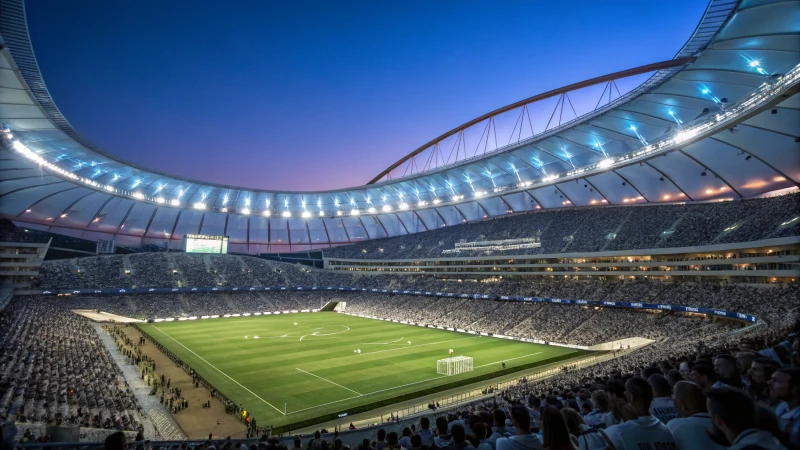
There's something magical about stadiums coming alive under the night sky, transforming into dazzling spectacles. Ever wondered what makes these nocturnal transformations possible?
Stadiums typically use LED lights for energy efficiency and long lifespan, with metal halide and HPS lights used less frequently. Tungsten halogen and RGB LEDs are also used for focused lighting and special events.
Growing up, I always found night games to be the most thrilling. The crisp air, the electric atmosphere—it's all magnified under the brilliant glow of the stadium lights. While LED lights now lead the charge in lighting up these iconic venues due to their efficiency and brightness, older stadiums sometimes still rely on metal halide lights. These have a nostalgic charm but are slowly giving way to modern solutions. Exploring different lighting technologies reveals how each type caters to various needs, whether it's for a cozy local stadium or an international arena. Let's explore what makes each lighting type special.
LED lights are the most energy-efficient for stadiums.True
LED lights consume less power and have a longer lifespan than others.
Tungsten halogen lights last longer than LED lights.False
LED lights have a significantly longer lifespan compared to tungsten halogen.
Why Are LED Lights the Best Choice for Modern Stadiums?
Imagine stepping into a stadium where the lights perfectly mimic the excitement of the crowd. That's the magic of LED technology.
LED lights are perfect for modern stadiums because they're incredibly energy-efficient, last ages, and light up everything brilliantly. This means lower costs and better visibility for everyone involved, from players to fans.
Energy Efficiency and Environmental Impact
I remember the first time I saw the energy bill after we switched to LEDs. It was like night and day—pun intended! LEDs consume far less power than the old metal halide monsters we used before. Not only did this slash our electricity costs, but it also felt great knowing we were doing our bit for the planet by reducing our carbon footprint.
The sheer lumens per watt1 that LEDs deliver are impressive. Imagine lighting up an entire stadium with minimal energy—it's like having a high-performance sports car that runs on fumes.
Longevity and Durability
When it comes to longevity, LEDs are in a league of their own. I once joked with a colleague that we'd need to pass down the maintenance manual to the next generation because these lights last so long—up to 100,000 hours! This durability means fewer replacements and more time enjoying the game rather than fussing over burnt-out bulbs.
Plus, LEDs are built tough. Whether it's sweltering heat or freezing cold, these lights just keep going, making them perfect for both indoor and outdoor arenas.
Superior Lighting Quality
Picture this: you're at a crucial match, the kind where every play counts. Thanks to the uniform brightness of LEDs, you won't miss a thing. Unlike those old sodium lights that bathe everything in yellow, LEDs offer fantastic color rendering, making every moment clearer and more vivid.
And for those of us managing stadiums, the ability to tweak color temperature2 and brightness means we can set just the right mood for any event.
| Feature | LED Lights | Traditional Lights |
|---|---|---|
| Energy Consumption | Low | High |
| Lifespan | Up to 100,000 hours | 10,000 - 20,000 hours |
| Warm-up Time | Instant | Several minutes |
| Maintenance Costs | Low | High |
Versatility and Special Effects
One of my favorite parts about LEDs is their versatility. For special events, RGB LEDs can put on a light show that's as much a part of the experience as the game itself. Picture team colors lighting up the stands or special effects that amplify the excitement—it's all possible with these dynamic lights.
And with smart controls, adjusting lighting conditions is a breeze. This technology not only optimizes energy use but also enhances overall functionality, making stadium lighting as innovative as the events they illuminate.
LED lights reduce stadium energy costs by 50%.False
LEDs reduce energy costs significantly, but the exact percentage can vary.
LED lights last up to 100,000 hours in stadiums.True
LEDs have a lifespan of up to 100,000 hours, reducing replacements.
Why Are Metal Halide Lights Still Used in Some Venues?
Ever wonder why some venues still cling to metal halide lights despite the LED craze?
Metal halide lights are still used in certain venues because they deliver high-intensity, crisp white light that enhances visibility and color accuracy, crucial for sports and artistic events.

The Unique Benefits of Metal Halide Lights
I remember walking into a stadium for a night game, and the field was lit up with a sharp, white light that seemed to bring every blade of grass into focus. That's the magic of metal halide lights. They're known for their high luminous efficacy3, which means they can flood large spaces with bright and intense light efficiently—just what you need when illuminating vast arenas or auditoriums.
But it’s not just about brightness. These lights have a high color rendering index (CRI), which means colors appear natural and vibrant under them. This is crucial when you're at a sporting event or an art exhibition where accurate visual representation matters.
| Feature | Metal Halide Lights | LED Lights |
|---|---|---|
| Luminous Efficacy | High | Variable |
| Color Rendering | Excellent | Good |
| Warm-Up Time | Slow | Instant |
| Lifespan | 6,000 - 15,000 hrs | Up to 100,000 hrs |
Cost and Operational Considerations
When I was first considering lighting options for a project, the budget was always top of mind. LEDs, while fantastic in the long run with lower operational costs and longer lifespans, demand a hefty initial investment. Metal halide lights offer a more wallet-friendly upfront cost. For venues that have sporadic usage or aren’t focused on energy savings, sticking with metal halide systems is often more economical.
Retrofitting old metal halide setups with LEDs can be pricey too. Sometimes, existing infrastructure can’t support the new tech without costly upgrades. For many older venues, this makes the transition less appealing.
Applications Beyond Sports
Metal halide lights have found their niche outside sports venues as well. I’ve seen them lighting up parking lots4 and warehouses, where their strong light output is a boon for safety and security. Plus, in environments where visual clarity is essential, like in photography or film production, their daylight-like quality provides a neutral base for color correction.
Environmental and Technological Shifts
The environmental benefits of LEDs are pushing many to switch over. Yet, for some applications or regions, this change isn’t happening overnight due to cost and regulatory hurdles. While LED technology keeps evolving and might eventually outshine metal halides entirely, these older systems still hold their ground in certain scenarios due to their unique attributes.
Metal halide lights have a higher CRI than LED lights.True
Metal halide lights are known for their excellent color rendering index.
LED lights have a longer lifespan than metal halide lights.True
LEDs can last up to 100,000 hours, surpassing metal halides' 15,000 hours.
How Do High-Pressure Sodium Lights Compare to LEDs?
Remember those old streetlights casting a warm yellow glow? Let's explore how they measure up against modern LEDs.
High-pressure sodium (HPS) lights deliver intense, yellowish light but fall short in color rendering and lifespan compared to LEDs. LEDs shine with energy efficiency, better color accuracy, and longer lifespans, making them the go-to choice for today's lighting needs.

Energy Efficiency and Cost
Back when I was first exploring lighting options for my projects, I quickly realized that energy efficiency could make or break a budget. Imagine saving money while being kinder to the planet! LEDs use significantly less power than HPS lights. A study on energy consumption5 showed that switching to LEDs could slash electricity use by up to 50%. That’s not just a win for my wallet—it’s a win for sustainability.
| Lighting Type | Energy Usage (Watts) | Cost Savings Over 10 Years |
|---|---|---|
| HPS Lights | 1000 | Low |
| LED Lights | 500 | High |
Lifespan and Maintenance
Thinking back to countless site visits, one thing I always dreaded was the constant maintenance of outdated lighting systems. HPS lights, with lifespans ranging from 15,000 to 24,000 hours, were like a ticking clock. In contrast, LEDs can last up to 100,000 hours, which means fewer replacements and less hassle. This longevity is not just convenient; it’s a strategic move towards more sustainable practices.
Color Rendering and Application Suitability
One of my most vivid memories is walking into a space lit by HPS lights and feeling like I was in a sepia-toned photo. The yellowish glow can distort colors, making it tough to appreciate true hues. LEDs, however, bring a full spectrum of light, ensuring vibrant and accurate color representation. This is crucial in places like retail spaces and galleries where color accuracy6 counts.
Environmental Impact
There’s something deeply satisfying about knowing my choices can help the environment. Unlike HPS lights, LEDs contain no harmful substances like mercury and contribute less to light pollution due to their focused lighting capabilities. Opting for LEDs supports sustainable practices7 by minimizing waste and reducing carbon emissions.
Technological Advancements
The pace of LED technology development is exhilarating. With features like smart controls and dimming capabilities, LEDs integrate seamlessly with building management systems. This adaptability enhances energy efficiency even further. I’m always on the lookout for the latest smart lighting solutions8, as they offer innovative opportunities that traditional HPS setups simply can't match.
LEDs consume less energy than HPS lights.True
LEDs use up to 50% less electricity, reducing costs significantly.
HPS lights have a longer lifespan than LEDs.False
LEDs last up to 100,000 hours, far exceeding HPS's 24,000 hours.
Why Choose RGB LED Lights for Your Next Event?
Imagine transforming any event space into a dazzling spectacle with just the right lighting.
RGB LED lights are a fantastic choice for events because they offer energy efficiency, a wide range of colors, and the ability to create stunning lighting effects. They enhance the atmosphere, align with event themes, and help cut down on energy costs.

Transformative Ambiance
I remember planning my sister's wedding, where the challenge was turning a simple barn into a fairytale setting. RGB LED lights came to the rescue, creating a magical atmosphere that perfectly matched her dream theme. By tweaking the light colors9 and brightness, we were able to shift from a serene, romantic ceremony to a vibrant dance floor party in seconds.
| Mood | Color Examples |
|---|---|
| Romantic | Pink, Lavender |
| Vibrant | Red, Yellow |
Versatile Color Options
One of the coolest things about RGB LED lights is their chameleon-like ability to produce a spectrum of colors. Whether it's a corporate event where you want to showcase brand colors or a wedding with pastel or bold decor, these lights can seamlessly fit into any event theme10.
- Corporate Events: Syncing lights with company colors was a game-changer for a recent product launch I attended.
- Weddings: At my friend's reception, the soft pastels perfectly complemented her floral arrangements.
Energy Efficiency
In my experience, using RGB LEDs at large events drastically cut down on energy consumption compared to traditional lighting. They provide bright illumination while being kind to the wallet, especially crucial when you're lighting up huge spaces with multiple fixtures.
Customization and Control
Thanks to smart technology, controlling RGB LED lights has become as easy as pie. Imagine adjusting the lighting via an app or remote during your event. I once synced the lights to the DJ's playlist at a concert, and it was amazing how they pulsed with every beat.
- Dynamic Lighting: Perfect for concerts or lively parties.
- Zoning: Create distinct areas within your event space with varied lighting settings.
Environmental Impact
Using RGB LEDs isn't just about great looks and savings; it's also about being eco-friendly. They last much longer than traditional bulbs, reducing waste and frequent replacements, which is a huge win for sustainability enthusiasts like me.
- Lifespan: Up to 50,000 hours.
- Material: Made with recyclable components.
By opting for RGB LED lights, you're not only elevating your event's visual appeal but also making an environmentally conscious choice. Dive deeper into sustainable lighting11 options to make informed decisions for your next grand affair.
RGB LED lights offer a wide range of color options.True
RGB LEDs can produce millions of colors by mixing red, green, and blue.
Traditional lights are more energy-efficient than RGB LEDs.False
RGB LEDs consume less power and provide brighter illumination than traditional lights.
Conclusion
Stadiums are primarily illuminated by LED lights for their energy efficiency and longevity, while metal halide, high-pressure sodium, and tungsten halogen lights serve specific needs in various venues.
Discover how LEDs deliver brighter light with less energy through enhanced lumens per watt efficiency. ↩
Learn about the flexibility of LEDs in adjusting color temperature for different event atmospheres. ↩
Understanding luminous efficacy helps readers grasp why metal halide lights are efficient for large areas. ↩
Explores how metal halide lights benefit non-sports environments through effective illumination. ↩
Discover how much energy you can save by switching from HPS to LED lighting. ↩
Understand why color rendering is crucial for certain applications. ↩
Explore how LEDs contribute to sustainability efforts. ↩
Stay updated on cutting-edge features available in LED technology. ↩
Discover creative ways to set different moods at events using RGB LED lights for enhanced ambiance. ↩
Learn how RGB LED lights can complement various event themes and add a visual flair to celebrations. ↩
Understand the benefits of sustainable lighting options like RGB LEDs in minimizing environmental impact. ↩