
Finding the perfect lighting for your commercial space might seem like solving a tricky puzzle.
Commercial lighting fixtures consist of LED panels, track lighting, pendant lights and recessed lighting. Each type has specific uses in business settings. The correct fixture relies on the space's purpose, the mood you want and energy-saving targets. Planning matters.
I remember stepping into a newly updated office. The place had changed completely with new pendant lights. Light affects more than just sight; it changes a room's mood too. Want to grasp fixtures better? Look deeper.
Every fixture type is different. LED panels are really good for saving energy and money in the long run. Track lighting gives a modern feel and lets you choose what to focus on. Pendant lights catch the eye and set the room's tone. Recessed lights, in contrast, offer a neat and simple style. They open up spaces.
Matching lighting to your needs is vital. Want more work done in an office? Pick bright LED panels. Want to showcase items in a store? Track lighting probably helps best.
It’s truly about creating the right vibe. Your space should reflect your brand and save energy too. As I learn more about commercial lighting, I realize how this knowledge leads to smart choices. New lighting ideas also come.
Understanding light isn't just practical. It inspires more appealing designs.
LED panels are the most energy-efficient option.True
LED panels consume less energy and have a longer lifespan than other fixtures.
Pendant lights are unsuitable for office environments.False
Pendant lights can be used in offices to create focused lighting and aesthetics.
How Do LED Panels Enhance Energy Efficiency in Commercial Spaces?
Changing to LED panels really transformed our office.
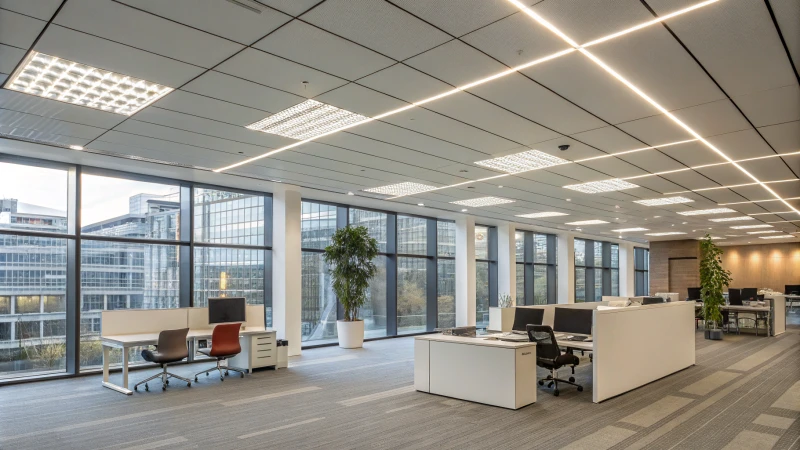
LED panels use less electricity in business areas. They last longer than many other lights. People can adjust them in different ways. Smart systems with these panels help use energy better. Costs go down.
Understanding LED Technology
Traditional bulbs heat up quickly and can burn your fingers. They turn much energy into heat instead of light. LEDs work differently. They use semiconductors to create light, not heat. LED panels stay cool and efficient. Our office stays bright without getting too warm.
| Traditional Lighting | LED Panels |
|---|---|
| High energy wastage | Low energy use |
| Short lifespan | Extended lifespan |
Customization and Control
Good lighting changes how a space looks and feels. Playing with LED panel settings showed me this. Adjusting light intensity and color is easy. By using smart control systems1, businesses can adjust lighting based on occupancy and time of day, ensuring that lights are only used when needed.
Integration with Smart Systems
Lights that switch off when I leave surprised me. It felt like a sci-fi story. When integrated with intelligent systems like motion sensors and daylight harvesting technology, LED panels can further enhance energy savings. These systems adjust lighting automatically, reducing unnecessary power consumption and adapting to the building's natural light.
Consider the following benefits of smart integration:
- Motion Sensors: Automatically turn off lights when rooms are unoccupied.
- Daylight Harvesting: Adjust lighting based on available natural light.
Long-term Cost Benefits
At first, LED panels seemed expensive. But real savings came from lower electricity bills. Though the initial cost of LED panels may be higher than traditional bulbs, their long lifespan and low energy consumption lead to significant long-term savings. Soon, the initial cost was covered by reduced electricity bills over time, which impresses eco-friendly clients.
- Initial Cost: Higher than old-style lights.
- Operational Savings: Lower energy expenses later.
- Sustainability: Better for the planet.
Choosing the right LED system requires understanding the specific needs of your commercial space—it's like choosing a perfect pair of jeans; it's about the right fit. Engaging with professional lighting manufacturers can help design a tailored lighting solution2 that maximizes efficiency and complements your business operations.
LED panels generate more heat than traditional lighting.False
LED panels produce minimal heat, conserving energy compared to traditional lighting.
Motion sensors can reduce energy usage in commercial spaces.True
Motion sensors turn off lights when rooms are unoccupied, saving energy.
What Are the Best Lighting Options for Retail Stores?
Have you ever entered a store and felt relaxed, almost as if the lights were creating a perfect mood for your shopping journey? That's the beauty of smart lighting design.
The best lighting options for retail stores use a mix of ambient, accent and task lighting. LED lights with adjustable color temperatures and smart controls help save energy. They also improve the shopping experience.

Understanding Different Types of Retail Lighting
When exploring lighting options for retail spaces, the effect on a store's vibe really surprised me. In a small boutique, gentle, warm lights made me feel very welcome. It felt like entering a cozy living room.
Ambient Lighting: This is the main light source. It sets the mood for everything in the room. Think of it as the room's background music - soft and vital. Ceiling fixtures provide a gentle glow that fills the space without overwhelming it.
Accent Lighting: I once saw a shop window with stunning displays, thanks to accent lighting. This lighting acts like a spotlight on star products, ensuring they stand out. Track lighting and spotlights create these amazing moments.
Task Lighting: This is key in areas like checkout counters or fitting rooms, where detailed work occurs. From my experience, good task lighting helps operations run smoothly and can prevent awkward mistakes.
| Lighting Type | Purpose | Example Fixtures |
|---|---|---|
| Ambient | Overall illumination | Ceiling fixtures |
| Accent | Highlight products | Track lights, Spotlights |
| Task | Specific area focus | Desk lamps, Pendants |
Choosing LED Lighting for Retail Stores
Switching to LED lights on my store projects was among the best choices due to their energy efficiency3 and longevity. They offer wonderful flexibility in color settings:
- Adjustable Color Temperatures: They help control the space's mood, which is very useful during sales events or special promotions.
- Smart Controls: Adding smart systems changed everything by adjusting lighting automatically based on time of day or store crowd size, saving energy and greatly improving customer experiences.
Implementing Smart Lighting Solutions
In one project, I linked smart lighting with natural daylight levels. This change cut down energy costs and also created a welcoming vibe all day long.
- Integration with Other Systems: It amazed me to see smart lighting work smoothly with security and HVAC systems for a seamless management system.
Impact of Color Temperature on Customer Behavior
In one project, I tried different color temperatures and discovered their effect on customer moods:
- Warm Lights (2700K-3000K): Create a cozy feeling ideal for fashion boutiques.
- Cool Lights (4000K-5000K): Make grocery stores feel fresh and lively.
| Color Temperature | Typical Use | Effect on Customers |
|---|---|---|
| Warm (2700K-3000K) | Fashion boutiques | Cozy, Inviting |
| Cool (4000K-5000K) | Grocery stores | Clean, Alert |
Correct lighting can probably transform retail space into an attractive destination that draws people in and makes them stay—and buy! Learn how these elements fit into a complete store design strategy4.
LED lights are energy efficient for retail stores.True
LED lights consume less power and have a longer lifespan, saving energy.
Warm lights are ideal for grocery stores.False
Cool lights are preferred in grocery stores for a clean, alert feel.
How Can Smart Lighting Solutions Benefit Your Business?
Do you ever think about how a simple shift in lighting might transform your business?
Smart lighting solutions bring businesses better energy savings, lower operational costs and more productive employees. Automated controls and adaptive lighting allow businesses to create the best working conditions. They promote sustainability.
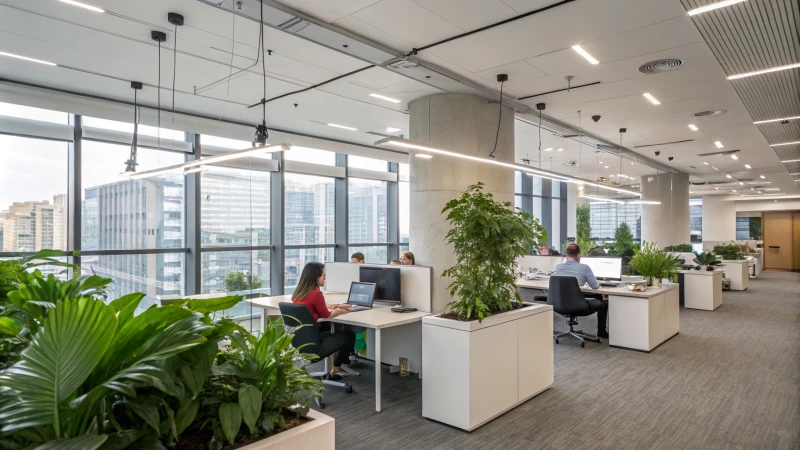
Better Energy Use
I remember when I first used smart lighting in my office. Seeing the monthly energy bill go down felt magical. Smart lighting is more than just saving energy; it really changes the game. LED bulbs, motion sensors, and daylight harvesting do not just save money. They create an environment that fits your needs perfectly.
| Feature | Description |
|---|---|
| Motion Sensors | Automatically turns off lights when not needed. |
| Daylight Harvesting | Adjusts brightness based on natural light levels. |
| Energy Monitoring | Provides insights into energy usage. |
These features reduced our extra electricity usage, giving us extra money for important things. Discover energy-saving tips5 to get the most out of these changes.
Better Work Output
The right lighting turns a boring workspace into a lively and exciting place. I remember putting smart lighting in our office that copied natural light cycles. It was amazing to see how it lifted our team’s mood and focus.
Lighting tones changed during the day, moving from warm lights in the morning to cooler ones at midday. This cut down on afternoon drowsiness significantly, like giving everyone a bit of sunshine—even on gray days.
More Control and Automation
Picture controlling all your building's lights using your phone. Smart lighting systems give you this power, saving time while ensuring our lighting is always just right for any task.
Scheduling changes and linking with other systems let us shape our environment easily. Interested in how smart lighting can fit with your building management? Look into the possibilities6.
Caring for Nature
People who care about reducing their impact on the planet find smart lighting a clear choice. Using less energy and picking durable materials saves money and helps our earth.
I feel proud knowing that avoiding even one bulb replacement cuts down on waste in landfills. Using eco-friendly ways isn’t just smart for business; it is crucial for our future.
Choosing smart lighting has been a major step for us—it saves money right away, boosts productivity, and helps us reach our long-term eco-friendly goals.
Smart lighting reduces energy costs by 50%.False
Smart lighting significantly cuts energy costs, but not typically by 50%.
Motion sensors in smart lighting save energy.True
Motion sensors turn off lights when not needed, reducing energy waste.
Why Is Choosing the Right Color Temperature Important for Offices?
Have you ever stepped inside an office and suddenly felt full of energy or strangely tired? Lighting often holds the secret.
Picking the right color temperature for office lights really helps people work better, feel happier and stay healthier. Such light looks like natural daylight and often falls between 4000K to 5000K. It promotes alertness and concentration.
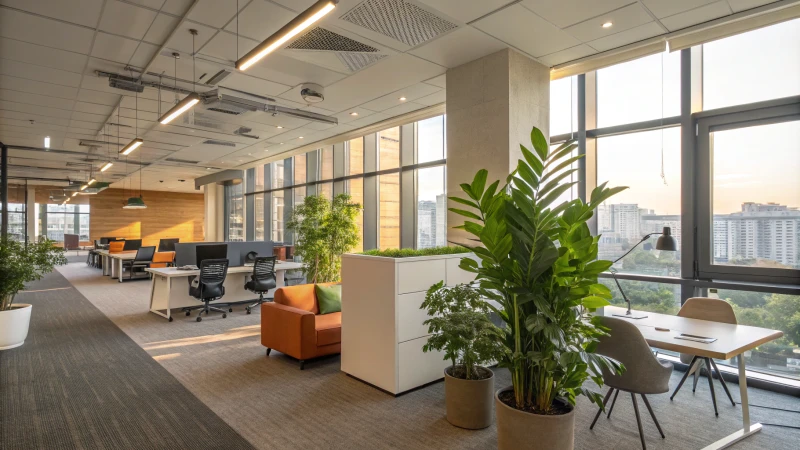
Understanding Color Temperature Basics
I remember learning about color temperature for the first time. It felt like I discovered a secret way humans experience the world. Color temperature acts like a mood ring for your office. Light color is measured in Kelvin (K). Warm, cozy candlelight is around 2700K. Bright, lively daylight is about 6500K. This range can turn a dull office into an exciting place.
Effects on Productivity and Mood
Amazing how simple light changes affect our work day. When lighting in my office is perfect, my focus improves and work flows smoothly. Cooler light, usually between 4000K to 5000K7, wakes the brain like strong coffee, keeping you very alert and ready to work. Research shows people concentrate better with this lighting.
Balancing Comfort and Efficiency
Finding harmony between comfort and efficiency is tricky. Very bright light feels harsh; very dim light feels sleepy. Dimmable LED lights or smart systems8 help me change lighting for different times and tasks, creating a welcoming yet focused space.
| Color Temperature | Typical Use Case |
|---|---|
| 2700K-3000K | Relaxation areas |
| 3500K-4000K | General office tasks |
| 4000K-5000K | Meeting rooms, labs |
Leveraging Technology in Lighting Design
Today, technology greatly influences lighting design. Modern systems change during the day to copy natural sunlight, matching our body’s natural cycles. This is not just about seeing better but feeling better too. Positive effects include higher energy levels and good mental health in office settings9.
Designing for Different Workspaces
Every office area has a different vibe, needing its own lighting style. Creative zones enjoy warmer tones10 that spark new ideas and brainstorming. Areas for precise work need cooler light for accuracy. Knowing these differences helps me design lighting plans that probably increase each workspace's potential.
Cooler lights enhance office productivity.True
Cooler lights (4000K-5000K) mimic daylight, boosting alertness.
2700K lighting is ideal for office tasks.False
2700K is too warm for tasks; it's better for relaxation areas.
Besen led is a leader of LED commercial light manufacturer
At Besenled, we specialize in delivering top-tier LED lighting solutions, including LED strip lights, linear lights, neon lights, and innovative mosquito killer lights. With our cutting-edge factory featuring 5 advanced production lines, we ensure high-quality products tailored to meet your unique needs.
As a trusted B2B wholesale supplier, we proudly serve clients across Central Asia, North America, South America, Europe, and beyond. Our dedication to custom design, quality assurance, and brand identity makes us the go-to partner for large corporate buyers, construction firms, and LED distributors.


With Besenled, you’re not just getting superior lighting products—you’re gaining a reliable partner that values efficiency, transparency, and customer satisfaction.
Ready to transform your lighting projects?
Click Here Today! To discover how Besenled can illuminate your busines success!
Conclusion
Explore various commercial lighting fixtures like LED panels, track lighting, and pendant lights. Each type enhances space functionality, mood, and energy efficiency tailored to specific business needs.
Explore how smart systems optimize LED usage for maximum energy efficiency and cost savings. ↩
Discover how custom LED solutions can meet unique business needs for improved performance. ↩
Learn why LED lighting is preferred in retail settings for its energy efficiency and long lifespan. ↩
Understand how effective lighting integration can elevate your overall store design strategy. ↩
Discover effective strategies to maximize energy savings with smart lighting technologies. ↩
Learn how integrating smart lighting can enhance your building's overall management efficiency. ↩
Discover research on how specific color temperatures can enhance focus and efficiency in work settings. ↩
Explore advanced lighting systems that offer customization and energy efficiency in professional settings. ↩
Learn about how adjustable lighting systems can improve employee well-being and productivity. ↩
Understand how warmer light tones can foster creativity and brainstorming in workspaces. ↩