
Remember the time you spent ages choosing the perfect track lighting for your living room? Let's make sure it's not just stylish, but safe too!
Track lights can indeed pose a fire hazard if not installed properly or if the wrong bulbs are used. Ensuring correct installation, opting for energy-efficient LED bulbs, and respecting circuit limits are essential steps to mitigate fire risks associated with track lighting.
I recall my own experience of finally picking out the perfect track lights for my space. It felt like such a triumph to see them up and illuminating the room just right. But I quickly realized that ensuring they were safely installed was just as crucial. As I dived into the world of lighting safety, I learned how vital it was to use the right bulbs and avoid overloading the system. Those extra steps gave me peace of mind, knowing that my aesthetic upgrade wasn't secretly a fire hazard in disguise. Let's explore how you can keep your track lighting both beautiful and safe.
Incorrect installation of track lights can cause fires.True
Improper setup may lead to overheating and electrical faults.
Using LED bulbs in track lights increases fire risk.False
LEDs generate less heat, reducing the likelihood of overheating.
How Does Proper Installation Prevent Fire Hazards?
I've seen firsthand how a little extra care during installation can prevent major fire disasters.
Proper installation prevents fire hazards by ensuring secure electrical connections, using appropriate materials, and adhering to safety standards. This reduces risks associated with overheating, short circuits, and faulty wiring.
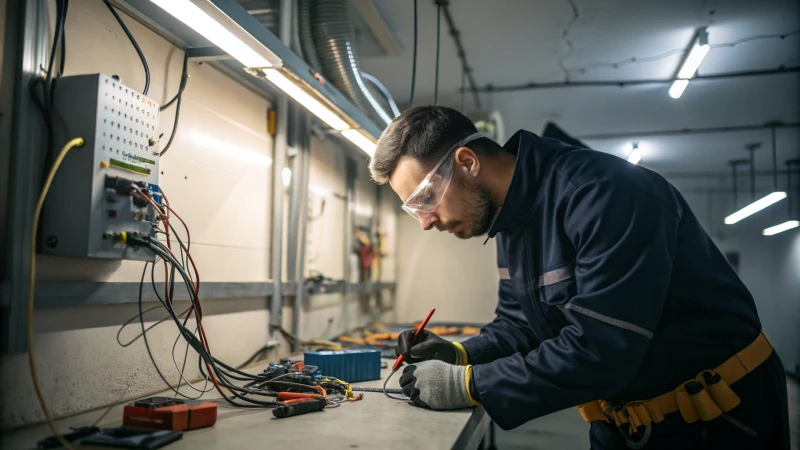
The Importance of Secure Electrical Connections
I remember the first time I realized the true power of secure electrical connections. It was during a project where, despite the stress and deadlines, we took the time to double-check every wire and connection. Loose or faulty connections can lead to overheating and fires, and it's scary how easily they can be overlooked. Since then, I've made it a rule to ensure that all connections are as tight as they can be. Whether it's installing track lighting or wiring up a new office space, these precautions can save a lot of trouble.
Ensuring secure electrical connections is paramount in reducing fire risks. Loose or faulty connections can lead to overheating, sparking, and eventually fires. Installers must double-check all connections and use proper connectors that match the system's requirements. For example, track lighting should not be overloaded with high-wattage bulbs. This simple check helps in preventing electrical fires1.
Selecting Appropriate Materials
Choosing the right materials isn't just about compliance; it's about peace of mind. Once, we swapped out traditional incandescent bulbs for energy-efficient LED bulbs in a client's office building. Not only did it reduce heat and therefore fire risks, but it also cut down their energy bills significantly. Seeing the positive impact on both safety and cost was like hitting two birds with one stone.
Using appropriate materials during installation is another critical factor. Materials such as wires and insulation should be rated for the specific electrical load they will carry.
| Material Type | Benefit |
|---|---|
| LED Bulbs | Lower heat emission |
| Fire-Resistant Wiring | Minimizes ignition risk |
| Proper Insulation | Reduces overheating chances |
Opting for energy-efficient LED bulbs reduces heat generation significantly compared to traditional incandescent bulbs. This not only lowers fire risks but also contributes to energy savings2.
Adhering to Safety Standards
Compliance with safety standards is something I can't stress enough. These standards are like the unsung heroes of our projects. They dictate the methods and materials we use, ensuring that each installation meets a basic safety threshold.
Compliance with safety standards ensures that installations are up to code, which is essential for preventing fire hazards. These codes dictate the proper methods and materials to use.
Regular inspections are also crucial, especially in large-scale projects where components might wear down over time—it's like taking your car in for regular maintenance—catching potential issues before they escalate into something much worse.
Installers should also conduct periodic inspections, especially in large-scale projects where wear and tear on components might introduce risks over time. This proactive approach ensures that any potential issues are identified and addressed before they can escalate into fire hazards.
If you're curious about how these standards impact electrical installations, here's a bit more about safety standards3 and why they matter.
Loose connections can cause electrical fires.True
Loose connections lead to overheating and sparking, causing fires.
LED bulbs increase fire risks compared to incandescent bulbs.False
LED bulbs emit less heat, reducing fire risks compared to incandescent ones.
Why Are LED Bulbs Safer for Track Lighting?
Ever had that uneasy feeling about your old track lights getting too hot? Let me tell you why switching to LED bulbs might just ease your worries.
LED bulbs are safer for track lighting because they produce significantly less heat, reducing fire risks. Their energy efficiency and lack of harmful substances make them a healthier, eco-friendly choice.
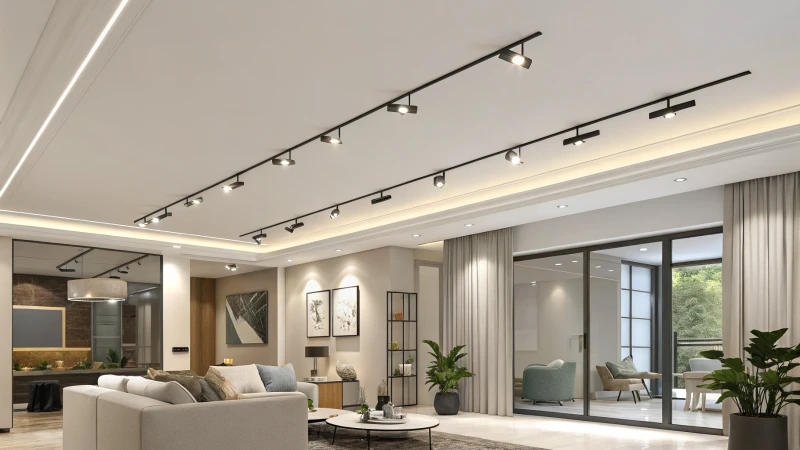
Energy Efficiency and Heat Emission
I remember the first time I swapped out my old halogen bulbs for LEDs; it was like night and day. The room stayed comfortably cool, and I no longer worried about things getting too hot overhead. LED bulbs are incredibly energy-efficient4. They transform most of their energy into light rather than wasting it as heat. This feature is a game-changer in track lighting systems, where multiple bulbs can quickly become a heat issue.
Absence of Harmful Substances
Have you ever thought about what's inside those old bulbs? I did some digging and was relieved to find that LEDs don't contain mercury or other toxic substances often found in traditional lighting solutions. It's reassuring to know that I'm not exposing my family or workplace to potentially dangerous chemicals.
Long Lifespan Reduces Maintenance Risks
The lifespan of LEDs was another pleasant surprise. I've found myself on a ladder less often, changing out bulbs, which is both a time-saver and a safety win. LEDs can last up to 50,000 hours, which means fewer replacements and less risk of accidents during maintenance.
Below is a table comparing LED with traditional bulbs:
| Feature | LED Bulbs | Traditional Bulbs |
|---|---|---|
| Heat Emission | Low | High |
| Toxic Substances | None | Possible (e.g., mercury) |
| Lifespan | Up to 50,000 hours | Often less than 2,000 hours |
Compatibility with Smart Systems
I'm all about smart tech, and LEDs fit perfectly into that world. They integrate seamlessly with smart control systems5, allowing me to manage energy use and lighting conditions effortlessly. These systems can adjust lighting automatically based on my usage patterns, further enhancing safety by preventing overuse or overheating.
Regular Inspection and Maintenance
While LEDs are low maintenance, I still make it a point to check the wiring and fixtures regularly. It's a small task that ensures everything stays safe and sound. I've found resources on track lighting maintenance6 incredibly useful for staying on top of best practices. Knowing that everything is in tip-top shape gives me peace of mind.
LED bulbs emit less heat than traditional bulbs.True
LEDs convert energy into light, not heat, reducing fire risks.
Traditional bulbs last longer than LED bulbs.False
LEDs last up to 50,000 hours, outliving traditional bulbs.
What Happens If You Overload Your Track Lighting Circuit?
Have you ever felt the frustration of flickering lights or a breaker that keeps tripping?
When you overload a track lighting circuit, you're essentially asking it to carry more electrical current than it's designed for. This can lead to overheating, which might damage wire insulation or even cause fires. You'll often notice breakers tripping as a protective measure against this excess load.

Understanding Electrical Load Limits
Every electrical circuit has its breaking point, much like how I feel after a long workday without coffee. When we pile on too many fixtures or use bulbs with higher wattages, we're pushing those circuits to their limits. The wires, like us, can only handle so much before they start to heat up dangerously.
This is where energy-efficient options, like LED bulbs7, come in handy. They consume less power, easing the burden on our circuits just like a good night's sleep can recharge us for another day.
Signs of an Overloaded Circuit
Recognizing the signs of an overloaded circuit is crucial. It's akin to noticing when your friend is about to lose their cool. Frequent circuit breaker trips, flickering lights, and warm switch plates or plugs are your circuit's way of waving the white flag.
If these symptoms sound familiar, it's time to reassess the situation. Redistributing some fixtures to different circuits might be necessary to keep things running smoothly.
Preventive Measures to Avoid Overloading
Calculate Your Load: Just like counting calories for a healthier diet, ensure the total wattage of all your fixtures stays under 80% of the circuit's capacity.
Use Energy-Efficient Bulbs: Swapping out traditional bulbs for LEDs can be a game-changer, much like switching from sugary drinks to water can improve your health.
Regular Inspections: Make it a habit to check wiring and connections for wear and tear. This is just like checking your car's oil—necessary maintenance to avoid bigger issues down the road.
Example Load Calculation Table:
| Fixture Type | Wattage | Quantity | Total Wattage |
|---|---|---|---|
| LED Spotlights | 10W | 10 | 100W |
| LED Floodlights | 15W | 5 | 75W |
| Total | 175W |
By sticking to these guidelines, you can keep your lighting system as reliable and efficient as that favorite pair of jeans that always fits just right. Avoiding overload not only preserves the system but also ensures safety and functionality in your lighting setup8.
LED bulbs reduce track lighting circuit load.True
LEDs use less power, decreasing the overall electrical load.
Overloaded circuits never cause flickering lights.False
Flickering lights can indicate an overloaded circuit.
How Often Should Track Lighting Systems Be Inspected?
Ever wondered if your track lighting system is up to par? Regular inspections are key to keeping things safe and shining bright.
Inspect your track lighting systems every six months to a year to ensure safety, efficiency, and compliance with safety standards.
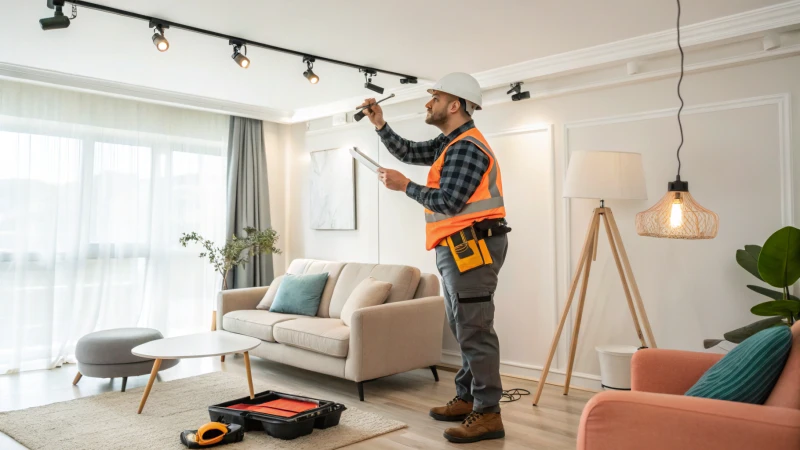
I remember the time when I first installed track lighting in my office. It was a game changer, illuminating every corner with a sleek, modern touch. But I quickly realized that maintaining this beauty required regular check-ups.
Importance of Regular Inspections
Ensuring my track lighting stays safe and functional means sticking to a routine. Every six months or so, I schedule an inspection to catch any frayed wires or loose connections before they become headaches.
Factors Influencing Inspection Frequency
Usage Intensity: If the lights are on more often than not, like in a bustling office or showroom, I find it best to inspect them more frequently.
Environmental Conditions: I’ve noticed that environments with a lot of dust or moisture can wear down the system faster.
System Complexity: The more intricate my setup, the more I need to check it out. Multiple fixtures and controls mean more chances for things to go awry.
What to Look for During Inspections
| Component | Common Issues | Suggested Actions |
|---|---|---|
| Wiring | Fraying, overheating | Replace or repair immediately |
| Connectors | Loose connections | Tighten or replace |
| Bulbs | Flickering, burnout | Use energy-efficient LEDs9 |
Professional vs. DIY Inspections
While I do some basic checks myself—like making sure the lights aren’t flickering too much—I always call in a pro for a deep dive. They can spot things I might miss and make sure everything’s running smoothly.
For those opting for DIY inspections, ensure you are familiar with basic electrical safety practices and use appropriate tools.
Scheduling Inspections
For my home office, every six months works just fine. But when I’m dealing with commercial projects, I aim for quarterly checks. Keeping a log of these inspections helps me stay organized and ensures everything remains compliant10. It’s like having a little diary for my lights, tracking their health and maintenance over time.
Track lighting inspections should be done every six months.True
Regular six-month inspections help maintain safety and efficiency.
DIY inspections are sufficient for complex lighting systems.False
Professional inspections are recommended for complex systems.
Conclusion
Track lights can pose fire hazards if improperly installed or overloaded. Using LED bulbs, ensuring secure connections, and regular inspections help mitigate these risks effectively.
Learn about the significance of secure electrical connections in preventing fires, ensuring safety in residential and commercial setups. ↩
Explore how energy-efficient lighting not only saves on electricity bills but also reduces the risk of fire hazards. ↩
Discover why following electrical safety standards is crucial for preventing hazards and ensuring safe installations. ↩
Understanding LED efficiency helps in recognizing their cost-saving and safety benefits. ↩
Explore how smart systems work with LEDs to optimize safety and energy use. ↩
Learn essential tips to maintain track lighting safely and effectively. ↩
Discover how LED bulbs can significantly lower energy usage and prevent electrical overloads. ↩
Learn about essential guidelines for safe installation and maintenance of track lighting systems. ↩
Discover why switching to LED bulbs can enhance your lighting system's efficiency and safety. ↩
Learn about essential compliance standards for maintaining safe lighting systems. ↩