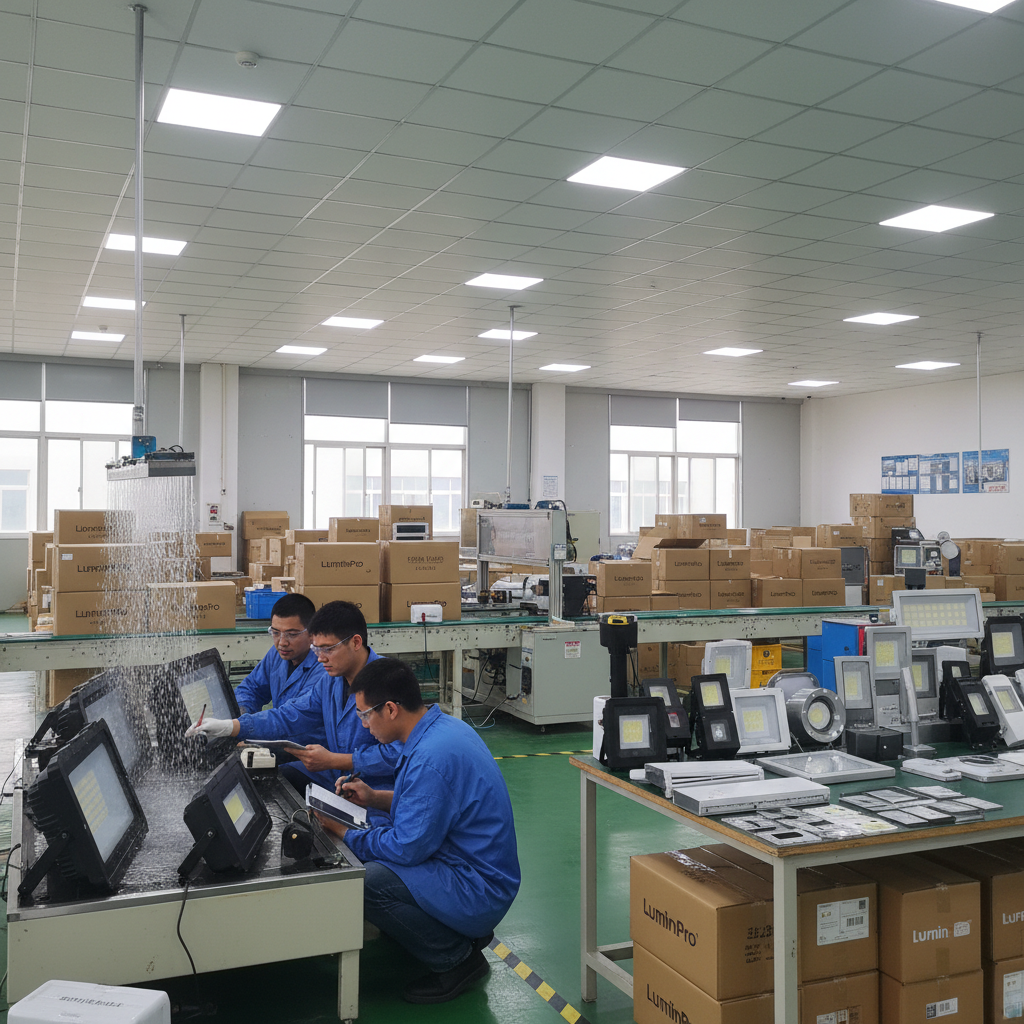

Navigating the vast LED lighting landscape in China can feel overwhelming, but finding the right partner can illuminate your projects like never before.
The top 10 LED linear lighting manufacturers in China include leaders like Besenled, known for pioneering smart lighting solutions and prioritizing sustainability. These companies offer a mix of quality, energy efficiency, and tech-forward innovations.
I've always believed that choosing the right manufacturer is about more than just their ranking. It's about understanding what they stand for and how they align with my values and project needs. For instance, when I first started exploring partnerships, I learned that a company's commitment to sustainable practices and innovation could make all the difference. So, while Besenled's reputation caught my eye, their dedication to eco-friendly solutions really sealed the deal for me. Let's take a closer look at what sets these industry leaders apart—beyond just their names—whether it's their cutting-edge technology or their green initiatives.
Besenled is a top LED linear lighting manufacturer in China.True
Besenled is mentioned as a leading company in the provided context.
All top Chinese LED manufacturers focus solely on cost-effectiveness.False
They also emphasize quality, energy efficiency, and technology.
What Makes These Manufacturers Stand Out?
Ever wondered why some manufacturers shine brighter than the rest? Let's uncover the secrets behind their success.
Manufacturers distinguish themselves through innovation, unwavering quality, customer focus, and sustainability. By embracing the latest technologies and prioritizing customer needs, they craft unique value propositions that deliver competitive advantages.
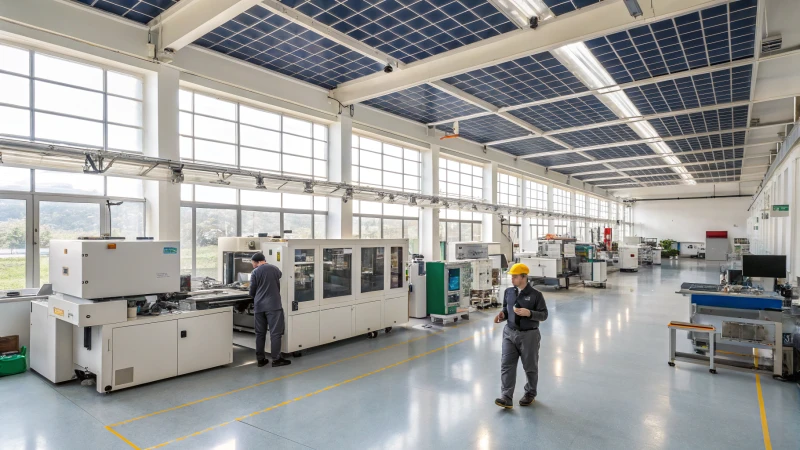
When I think about what makes certain manufacturers truly stand out, it often reminds me of a story from when I first started my own journey in the industry. Back then, I remember attending a trade show where one booth had this incredible display of smart lighting systems. It wasn't just the sleek designs or the energy-saving promises that caught my attention—it was their approach to innovation and how they seemed to anticipate exactly what customers like me were searching for.
Innovation and Technology Integration
I've seen firsthand how leading manufacturers pour resources into research and development1, staying ahead of technological trends. It's like how smart lighting has evolved—incorporating IoT technology to provide enhanced control and efficiency. It's exciting to watch these innovations unfold and consider how they can be applied in my projects.
Quality Assurance and Consistency
Maintaining high standards of quality is something I really value. It's akin to a moment I had with a supplier who ensured their products were top-notch through advanced testing methods. This dedication to quality helped build trust, which is crucial in my line of work.
Customer-Centric Approaches
Understanding customer needs is at the heart of great service. I've always appreciated manufacturers who actively seek feedback, much like I do when gathering insights from clients. It not only boosts satisfaction but also cultivates loyalty—a key lesson I've embraced over the years.
| Key Factors | Examples |
|---|---|
| Innovation | Smart controls |
| Quality | Rigorous testing |
| Customer Focus | Tailored solutions |
Sustainability and Eco-Friendliness
Sustainability isn't just a buzzword; it's a commitment I've noticed more companies making. Using green materials2 and eco-friendly processes aligns with both consumer preferences and global goals—a practice I've integrated into my projects as well.
Strategic Partnerships and Collaboration
Collaborations can transform operations. I remember working with a local partner that helped streamline our distribution, making our solutions more comprehensive. These partnerships often lead to better logistics and reduced costs.
Global Reach and Localization
Balancing global ambitions with local adaptation is a dance many manufacturers perform well. Tailoring products for regional markets has been crucial in my experiences, enabling deeper market penetration.
By diving into these factors, I’ve learned how manufacturers gain that elusive competitive edge, and I’m excited to continue exploring these strategies further.
Smart lighting systems use IoT for enhanced control.True
Smart lighting systems integrate IoT to improve control and efficiency.
Manufacturers rarely focus on customer feedback.False
Leading manufacturers prioritize customer feedback to tailor products.
How do companies ensure quality and compliance?
When it comes to ensuring quality and compliance, businesses like mine can't afford to cut corners. So, what are the secrets to maintaining these standards while juggling suppliers from around the globe?
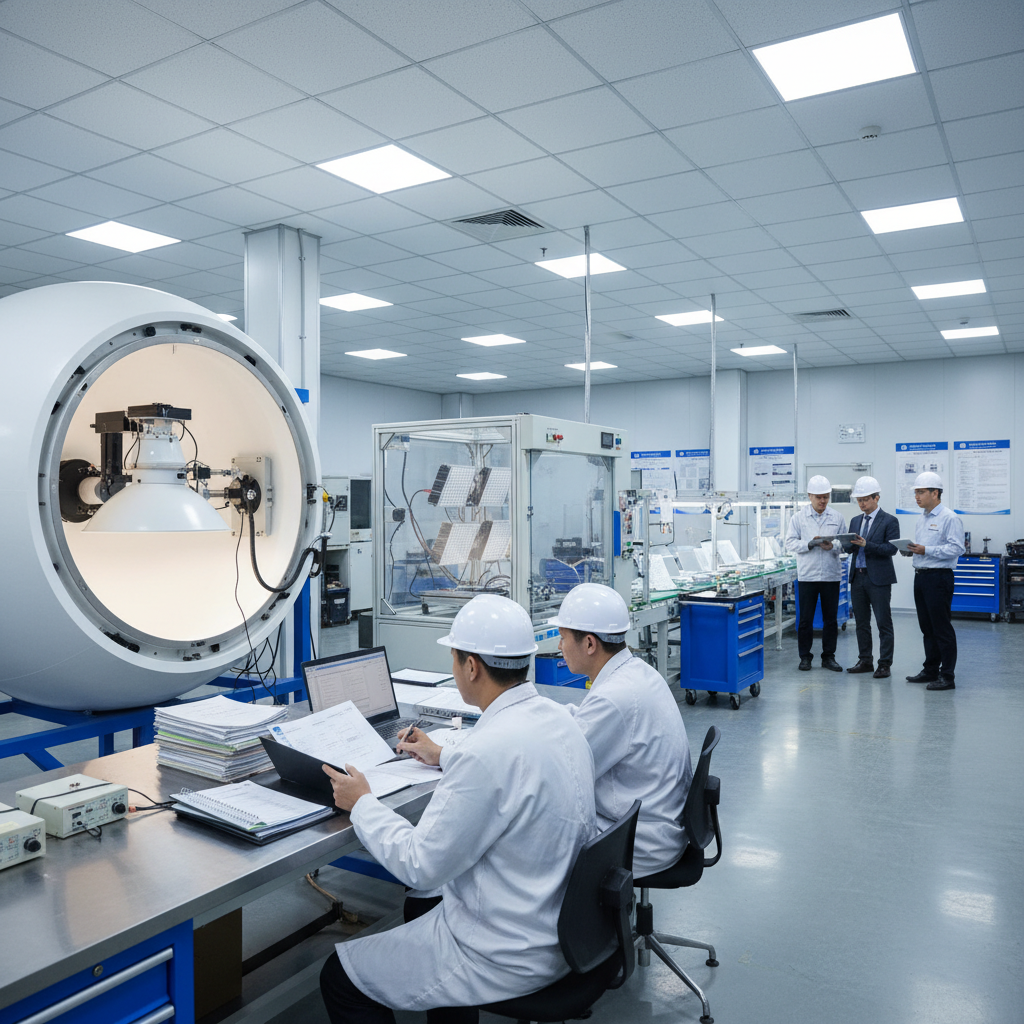
Companies ensure quality and compliance by building strong quality control frameworks, following international standards, and fostering open communication with suppliers. They frequently conduct third-party audits to confirm adherence to these standards.

Implementing Robust Quality Control Systems
I've learned that keeping the bar high in quality control is essential. In my journey, I've realized that a strong quality management system3 is my best ally. It tracks product quality at every stage, like a guardian angel watching over the entire process. Setting clear benchmarks and conducting inspections have saved me from those dreaded surprise defects.
| Quality Control Method | Benefits |
|---|---|
| Statistical Process Control | Reduces variations in production |
| Six Sigma | Improves efficiency and quality |
| Total Quality Management | Encourages continuous improvement |
Adhering to International Standards
Complying with international standards like ISO 9001 is like having a global passport for my products. It not only enhances credibility but also makes crossing borders with my offerings a smoother ride. Training my team on these standards has been crucial, ensuring everyone stays on the same page.
Maintaining Clear Communication with Suppliers
I've found that clear communication with suppliers can make or break compliance efforts. Establishing transparent guidelines and expectations early on has been key. Using supply chain management software4 helps streamline these interactions, making sure we're all aligned and moving forward together.
Employing Third-Party Audits
Bringing in third-party auditors has provided me with an objective view of our compliance status. These audits are like health checks for our processes, keeping us alert and ready. Whether they're planned or surprise visits, they ensure we remain vigilant.
Leveraging Technology for Compliance Monitoring
Technology has become my secret weapon in monitoring compliance. With tools like IoT and AI, I can keep an eye on things in real-time. Blockchain technology5 offers transparency in tracking the supply chain, reducing the risk of slipping up on compliance.
These strategies have helped me maintain high quality and compliance standards, safeguarding both my reputation and the trust of my clients. It's an ongoing journey, but one that I'm committed to mastering.
ISO 9001 is an international quality standard.True
ISO 9001 sets global benchmarks for quality management systems.
Third-party audits are only conducted annually.False
Audits can be scheduled regularly or randomly, not just annually.
What are the latest trends in LED linear lighting?
Ever wondered how LED linear lighting can transform your space? Let me take you on a journey through the latest trends that are changing the game in lighting design.
The latest trends in LED linear lighting revolve around energy efficiency, modular designs, and smart technology integration, making these lights perfect for enhancing both functionality and aesthetics in any setting.
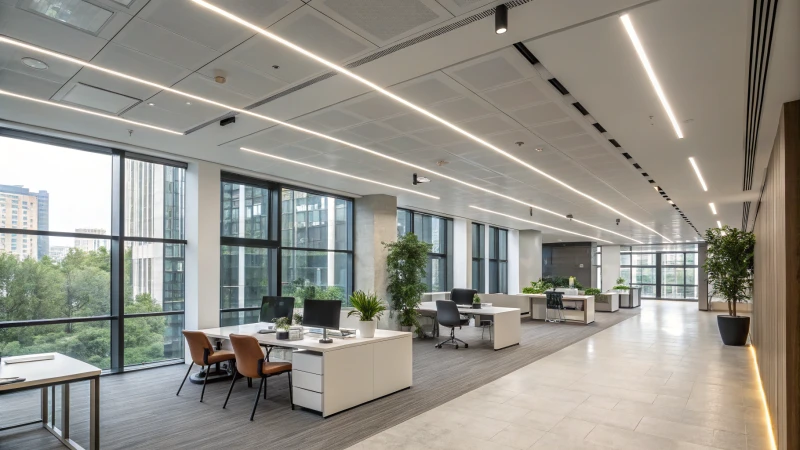
Modular and Customizable Designs
I remember when I first discovered the power of modular LED designs; it was like unlocking a new level of creativity for my projects. These lights can be tailored to fit any architectural structure, allowing for endless possibilities in design. Imagine being able to rearrange your lighting layout as easily as playing with building blocks! This flexibility is not just fun but also practical, especially for commercial applications6 where space and functionality are key.
Benefits:
- Flexible installation
- Cost-effective upgrades
Smart Lighting Integration
The IoT revolution has taken lighting to a whole new level. I was amazed the first time I adjusted my office lights from my phone while sitting at my favorite coffee shop. With smart LED linear lighting, you can automate and control your lighting remotely. It's all about convenience and efficiency, adjusting to your needs without you lifting a finger.
| Feature | Description |
|---|---|
| Remote Control | Operate lights via apps |
| Automation | Adjust lighting automatically |
| Energy Savings | Reduce unnecessary usage |
Enhanced Aesthetic Appeal
LED linear lighting isn't just about functionality; it's about creating an atmosphere. I vividly recall a project where the sleek, slim profiles of these lights transformed an ordinary room into a masterpiece of modern design. With various color temperatures and minimalistic frames, designers can craft the perfect ambiance, turning any space into a visual delight.
Explore creative designs7 that bring out the best in any environment.
Advanced Energy Efficiency
Energy efficiency is a topic close to my heart, and LED technology is leading the charge. With each advancement, these lights become more powerful and consume less energy. It's incredible how much they've evolved, reducing both energy bills and carbon footprints while offering longer lifespans.
Key Features:
- Lower energy bills
- Reduced carbon footprint
- Longer lifespan
Keeping up with energy-efficient technologies8 means making informed choices that benefit both our wallets and the planet.
By embracing these trends, I've seen firsthand how projects can not only perform better but also look stunning and remain sustainable. Whether you're working on a grand commercial space or a cozy personal project, these innovations offer endless possibilities.
Modular LED designs support sustainability.True
Modular designs allow easy upgrades, reducing waste and supporting sustainability.
Smart lighting lacks energy efficiency benefits.False
Smart lighting optimizes usage based on occupancy, enhancing energy efficiency.
How do I choose the right manufacturer for my needs?
Choosing the right manufacturer feels a lot like finding the perfect partner—it's all about alignment and trust. Here's how I've learned to navigate this crucial decision.
When choosing a manufacturer, I focus on their production capabilities, quality control measures, and how well we communicate. It's also important to check their experience with similar products and read customer reviews to gauge reliability.

Evaluating Production Capabilities
In my journey of sourcing the best manufacturers9, I remember standing in a bustling factory for the first time, trying to envision if they could handle my project's scale. It's not just about their facility size or machinery; it's about imagining my product being crafted there. Assessing their workforce's skills and capabilities gives a clearer picture of whether they can meet my expectations.
| Criteria | Key Considerations |
|---|---|
| Capacity | Can they scale production to meet demand? |
| Technology | Do they use advanced, efficient machinery? |
| Experience | Have they produced similar products? |
Assessing Quality Control Measures
Once, I had an enlightening conversation with a manufacturer's quality assurance team. It was like peeling back the layers of an onion, revealing how robust their processes were—or weren't. Learning about their ISO certifications10 and quality audits helps me understand how committed they are to maintaining high standards.
- ISO Certification: Indicates adherence to international standards.
- Quality Audits: Regular checks for compliance.
Analyzing Pricing and Cost Efficiency
I've always believed that pricing is just the tip of the iceberg. Digging deeper into quotes from various manufacturers often reveals hidden gems—or pitfalls. It's essential to consider shipping, taxes, and any unforeseen costs that might arise, ensuring that my profit margins11 remain intact without compromising on quality.
Communication and Responsiveness
I once found myself in a tight spot because of a communication lapse with a supplier. It taught me the importance of assessing how responsive a manufacturer is from the get-go. They should be transparent, offering clear timelines and updates while being receptive to feedback12, much like any good relationship.
- Timeliness: Are they prompt in responding to queries?
- Transparency: Is information readily available?
Checking Customer Reviews and Testimonials
In this digital age, checking reviews is akin to reading a modern-day word-of-mouth recommendation. I scour platforms like LinkedIn13 to hear firsthand from others who have walked this path before me. Positive testimonials about reliability and product quality are reassuring signs that I'm heading in the right direction.
Ultimately, the right manufacturer should feel like an extension of your team, aligning perfectly with your business goals while providing unwavering support throughout the production cycle.
Manufacturers must have ISO certification.True
ISO certification ensures adherence to international quality standards.
Base price is the only cost to consider in manufacturing.False
Consider shipping, taxes, and hidden costs beyond base price.
Conclusion
Explore the top 10 LED linear lighting manufacturers in China, focusing on innovation, sustainability, and quality to enhance your projects with energy-efficient solutions.
Learn about the latest innovations driving change in manufacturing, helping companies remain competitive and efficient. ↩
Discover how green materials contribute to sustainable production, meeting consumer demand for eco-friendly products. ↩
Explores how quality management systems enhance consistency and reliability in production. ↩
Learn how these tools facilitate better communication between companies and their suppliers. ↩
Discover how blockchain technology offers transparency and security in supply chains. ↩
Discover how modular designs enhance flexibility and adaptability in lighting installations. ↩
Learn about design innovations that improve the visual appeal of spaces with LED linear lights. ↩
Find out how new technologies are driving energy efficiency in LED lighting solutions. ↩
Evaluating production capabilities ensures the manufacturer can meet your demands effectively. ↩
Understanding ISO certification helps you gauge a manufacturer's commitment to quality standards. ↩
Learn to calculate profit margins accurately for better financial planning. ↩
Clear communication ensures smooth project execution and minimizes delays. ↩
Finding reviews on LinkedIn provides genuine feedback from other businesses. ↩