
Picture yourself navigating the bustling world of LED lighting, where innovation meets sustainability.
The top 15 LED downlight manufacturers in China for 2025 are trailblazers known for their cutting-edge technology, superior quality, and dedication to eco-friendly practices. These companies provide an array of advanced lighting solutions for both domestic and international markets.
I remember when I first delved into the LED lighting industry, feeling overwhelmed by the sheer number of options. But over time, I found that some manufacturers stood out due to their unwavering commitment to quality and innovation. In this post, I'll share insights into these leading companies and what sets them apart. Whether you're like me, constantly seeking reliable suppliers, or conducting market analysis, this guide will be your beacon in the vast sea of lighting options.
China leads in global LED downlight production by 2025.True
China's focus on energy-efficient lighting and advanced technology supports this claim.
All top 15 manufacturers in China focus on domestic markets only.False
These manufacturers cater to both domestic and international markets.
What Makes an LED Downlight Manufacturer Stand Out?
Every time I step into a room lit by beautifully designed LED downlights, I’m reminded of the subtle yet powerful impact they have. Discover what makes certain manufacturers shine brighter than the rest.
An LED downlight manufacturer stands out by offering high-quality products, exceptional energy efficiency, innovative smart technology, and comprehensive end-to-end solutions. These features ensure value and reliability for customers.

Quality and Compliance Standards
When I first started exploring the world of LED downlights, it was clear that quality was non-negotiable. I remember walking into a project site and seeing the difference a good light makes—not just in brightness, but in how it transforms a space. A reputable manufacturer is committed to this level of excellence, ensuring their products meet international certification compliance1 like ISO or CE standards. This dedication not only guarantees safety but also assures us that their downlights are built to last, saving us the headache of frequent replacements.
Energy Efficiency and Sustainability
In my journey towards more sustainable projects, energy efficiency has become a key focus. I’ve noticed that manufacturers who champion energy-saving solutions2 make a real difference—not just for our electricity bills, but for the planet too. These manufacturers often use recyclable materials, which fits perfectly with green building initiatives that many of us strive to incorporate. It’s about creating a brighter future without burning through resources.
Innovation Through Smart Technology
I’ve always been fascinated by how smart technology can change the game in lighting. Imagine controlling your lights remotely or adjusting them to match your mood with just a swipe on your phone—now that’s innovation! Manufacturers who integrate smart features like remote control, dimming options, and system compatibility offer not just convenience but an entirely new level of user experience.
| Feature | Benefit |
|---|---|
| Remote Control | Adjust lighting remotely for convenience |
| Dimming Options | Customize brightness for energy savings |
| System Compatibility | Seamless integration with existing systems |
Comprehensive End-to-End Solutions
I can’t stress enough the importance of manufacturers who provide end-to-end solutions. Working on projects from design to implementation becomes so much easier when you have a partner who takes care of everything. This holistic approach reduces our workload and ensures things run smoothly from start to finish. Collaborating with local installation partners3 also means we get reliable on-site support, which is a lifesaver during crunch time.
Global Reach and Customization
Having a manufacturer that understands diverse needs is crucial for international projects. I’ve worked on projects across different continents, and those manufacturers who can tailor their products to specific requirements always stand out. Their ability to customize solutions not only boosts customer satisfaction but also expands their market reach, making them the go-to choice for large-scale projects.
ISO certification ensures LED downlight reliability.True
ISO certification indicates adherence to international standards, ensuring product reliability.
Smart technology in LED downlights reduces energy costs.True
Smart technology allows for features like dimming, reducing energy consumption.
How Does the Chinese LED Downlight Market Compare Globally?
When it comes to LED downlights, China is a powerhouse. But how does it really fare on the global stage? Let’s dive into the details and see how it compares to other heavyweights in the industry.
China's LED downlight market excels globally thanks to its cost-effectiveness, vast production scale, and innovations in energy efficiency. However, nations like Germany and Japan offer stiff competition through superior quality and cutting-edge innovation.

Production Capacity and Cost-Effectiveness
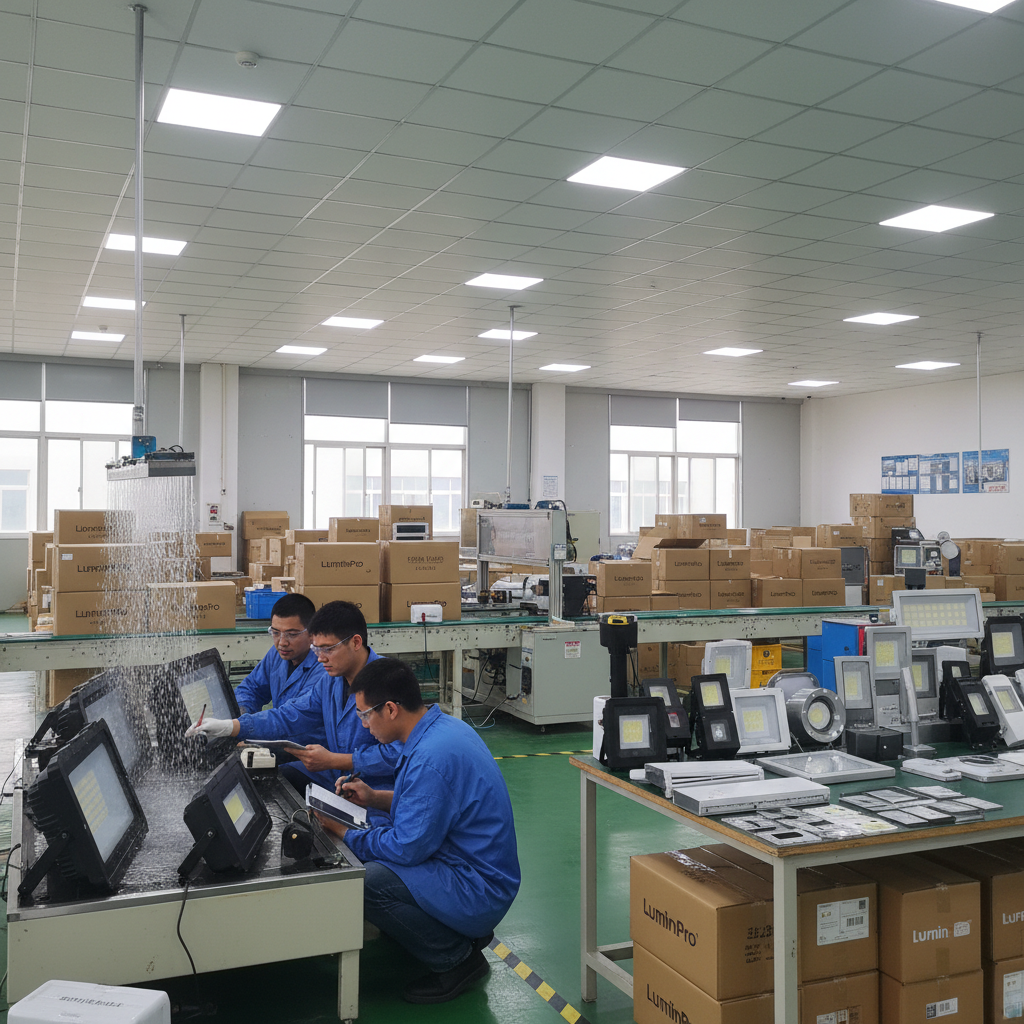
Imagine walking into a bustling factory, machines humming and workers diligently piecing together LED downlights at an impressive pace. This scene captures the essence of China's massive production capacity4 in the LED market. The sheer scale of manufacturing in China means costs are lower, which in turn attracts buyers from around the globe looking for affordable bulk purchases. I’ve seen firsthand how this cost advantage can make all the difference when planning large-scale projects.
However, it’s not all smooth sailing. I've encountered moments where this cost-saving benefit left me questioning the quality of the products I received. While China offers unmatched pricing, countries like Germany bring precision and quality to the table, something I've admired when scouting for premium products.
Innovation in Energy Efficiency
When I think of innovation in lighting, my mind often drifts to China's advancements in energy efficiency. The market is rapidly evolving with smart lighting systems that seamlessly integrate with building management systems. But then there’s Japan, which always seems to take things a step further with its user-centric designs and eco-friendly materials.
Market Dynamics and Growth Potential
The global LED lighting market5 is on a growth trajectory, with China leading the charge. The country's influence is not just confined to exporting to developed nations; it's also making significant inroads into emerging markets hungry for cost-effective lighting solutions. I’ve watched Chinese companies expand their reach and adapt to meet diverse market needs.
| Country | Market Share (%) | Key Strengths |
|---|---|---|
| China | 40 | Cost, Scale |
| Germany | 15 | Quality |
| Japan | 10 | Innovation |
Competitive Challenges
Of course, no leader goes unchallenged. The intense competition6 from established markets like the US keeps China on its toes. The US invests heavily in R&D for superior LED technologies, creating a compelling competitive landscape. Meanwhile, South Korea pushes forward with smart city projects that rival even China's innovative offerings.
For China to maintain its edge, continuous innovation is crucial. Addressing quality concerns and ensuring compliance with international certifications are steps that can bolster its global appeal and reassure detail-oriented buyers like myself who are keen on high standards and reliability.
China leads in LED downlight production capacity globally.True
China's extensive manufacturing infrastructure allows it to produce LED products on a massive scale, making it a global leader.
German LED downlights are more cost-effective than Chinese ones.False
German manufacturers focus on quality and precision, often resulting in higher costs compared to China's cost-effective production.
What are the Key Trends in LED Downlighting for 2025?
As 2025 approaches, LED downlighting is all set to reshape the way we illuminate our spaces. Think smarter, more efficient, and stylish solutions that not only light up rooms but also transform them.
Key trends in LED downlighting for 2025 revolve around smart lighting technology, enhanced energy efficiency, and sustainable materials. These advancements promise to elevate both functionality and aesthetics in various settings.

Advancements in Smart Lighting Systems
Imagine controlling every light in your house with just a tap on your phone or a simple voice command. That's where smart lighting systems7 are headed in 2025! I remember the first time I saw this tech in action at a friend’s house. The convenience was mind-blowing. These smart systems allow users like us to remotely control lighting, tweak brightness levels, and even play around with colors. Integration with home automation systems is becoming a game-changer, making it easier than ever to save energy and customize our living spaces.
Energy Efficiency Redefined
LEDs have always been champions of energy efficiency, but just when you think they can't get better, they do! By 2025, we'll see LEDs that consume even less power while shining brighter. I often joke about how my electric bill will finally be less scary, thanks to these innovations. Experts predict that improvements in lumens per watt8 will make LED downlights the go-to option for lighting vast commercial areas—talk about getting more bang for your buck!
Sustainable and Recyclable Materials
Our planet needs us to make eco-friendly choices, and LED manufacturers are stepping up. By 2025, expect to see more LED downlights made from recyclable materials and produced through sustainable methods. This aligns perfectly with the global push towards green buildings. I’ve always been passionate about leaving a lighter footprint on the earth, so seeing this trend grow makes me hopeful for the future.
| Trend | Benefit |
|---|---|
| Smart Lighting Systems | Remote control, customizable settings |
| Energy Efficiency | Lower electricity bills, longer lifespan |
| Sustainable Materials | Reduced environmental impact, compliance with standards |
Innovative Design and Aesthetics
If you're like me and love clean, minimalist designs, you're in luck! LED downlights are trending towards sleek and adjustable designs by 2025. This means you can have lighting that not only fits your style but also enhances it. Plus, color temperature adaptability9 is becoming standard, offering everything from warm to cool tones to suit any mood or occasion.
Integrated Building Solutions
For those of us involved in bigger projects, integrating LED downlights with building management systems (BMS) is becoming a must. By 2025, this trend will help optimize energy use throughout entire buildings. I’ve seen firsthand how this can lead to huge cost savings and boost efficiency for businesses and residential complexes alike.
Understanding these trends isn't just about staying current; it's about preparing to implement groundbreaking lighting solutions that can transform any project into something extraordinary.
LED downlights will integrate with smart home systems by 2025.True
Smart lighting systems enable remote control and customization, aligning with home automation.
Sustainable materials will not be used in LED downlights by 2025.False
2025 trends emphasize eco-friendly and recyclable materials for reduced environmental impact.
How do you evaluate LED downlight manufacturers?
Choosing the right LED downlight manufacturer is like finding the perfect partner for your lighting projects. It’s all about quality and innovation! So, how do you ensure you’re teaming up with the best?
To evaluate LED downlight manufacturers, focus on certifications, design innovation, customer feedback, and production capabilities. Prioritize energy efficiency and reliability in their track record.

Understanding Certifications and Standards
When I first dived into the world of LED downlights, I learned that certifications like UL, CE, and RoHS were not just fancy badges. They’re a promise of quality and safety. These certifications are like the VIP passes that ensure products meet essential safety standards10 and are often mandatory for legal compliance in various markets.
Assessing Innovation in Design
I remember the time I was on a project where the client wanted not just lights but a complete smart solution. Innovation in design became my beacon. It’s not just about making things look pretty; it’s about enhancing functionality with features like dimmable options or smart control integrations. I always look for manufacturers who invest in R&D efforts11 to stay ahead of industry trends because it’s these innovations that transform a simple lighting system into something extraordinary.
| Feature | Description |
|---|---|
| Dimmable Options | Adjust brightness levels for energy efficiency |
| Smart Controls | Integrate with home automation systems |
| Custom Designs | Offer bespoke solutions tailored to specific needs |
Evaluating Customer Feedback
There was this one time when a string of negative reviews saved me from a potential disaster. Customer reviews are like whispers of truth amidst marketing noise. They provide insights into real-world performance. I make it a point to look for patterns in feedback regarding product reliability, customer service, and post-purchase support. A high volume of positive reviews12 can be a good indicator of consistent quality.
Analyzing Production Capabilities
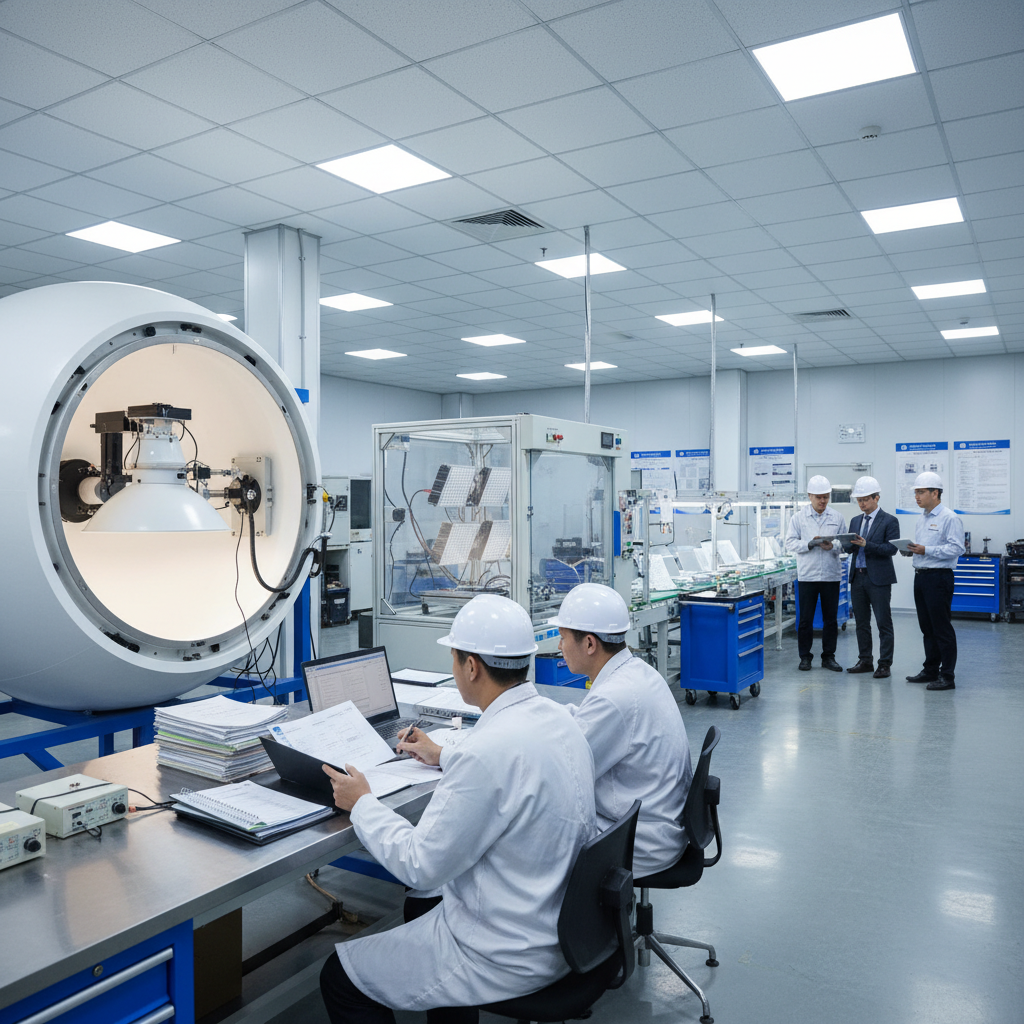
I’ve found that manufacturers with advanced production lines and green manufacturing processes tend to be more reliable. They deliver consistent quality while contributing to sustainability through eco-friendly practices.
- High-quality production lines ensure minimal defects.
- Sustainable practices reflect a commitment to the environment.
Comparing Energy Efficiency Solutions
Energy efficiency isn’t just a buzzword; it’s a necessity. I learned early on that energy-efficient products not only reduce costs but also contribute to sustainability goals. When evaluating manufacturers, I always consider their energy-saving technologies and how well they align with green initiatives13. It’s these little steps that help illuminate our projects without dimming the future.
UL certification is mandatory for LED downlights.False
UL certification is not mandatory but indicates quality and safety.
Smart control integration is a sign of innovation.True
Smart controls enhance functionality, showing a manufacturer's innovation.
Conclusion
Explore the top 15 LED downlight manufacturers in China for 2025, focusing on innovation, energy efficiency, and sustainability to meet global lighting demands.
Understand the importance of ISO certification in ensuring quality and safety standards in LED lighting products. ↩
Explore innovative energy-saving solutions that manufacturers offer to enhance sustainability and reduce costs. ↩
Discover how local installation partners contribute to efficient project execution and support. ↩
Explore how China's massive production capabilities influence global LED lighting market dynamics. ↩
Discover current trends and future projections in the global LED lighting market. ↩
Understand the key competitors in the global LED market and their strategies. ↩
Explore how smart lighting systems offer convenience and energy savings through remote control features. ↩
Discover how improving lumens per watt can reduce costs and enhance efficiency. ↩
Learn how adaptable color temperatures offer aesthetic flexibility in lighting. ↩
Understand the importance of these certifications in ensuring product safety and quality. ↩
Explore how R&D efforts lead to innovative lighting solutions that enhance functionality. ↩
Discover reliable sources for customer reviews to evaluate product performance. ↩
Learn about cutting-edge technologies that improve energy efficiency in LED lighting. ↩