
In the world of commercial spaces, lighting plays a crucial role in enhancing both functionality and aesthetics.
Top commercial lighting solutions include primary lighting for overall illumination, auxiliary lighting for highlighting specific areas, and decorative lighting to enhance ambiance. Opt for energy-efficient technologies to reduce costs and choose reputable brands for quality assurance.
While understanding these basic types of lighting is essential, selecting the right solutions involves a deeper dive into efficiency, technology advancements, and brand reputation. Read on to uncover expert recommendations and tips for choosing the best commercial lighting.
Energy-efficient lighting reduces operational costs.True
Energy-efficient lighting, like LEDs, lowers electricity bills and maintenance costs.
How Does Primary Lighting Impact Commercial Spaces?
Discover how primary lighting shapes the atmosphere and efficiency of commercial spaces.
Primary lighting ensures an evenly lit environment, crucial for safety, productivity, and customer experience in commercial spaces. It forms the foundation of any lighting strategy, impacting overall ambiance and operational efficiency.
The Role of Primary Lighting in Commercial Environments
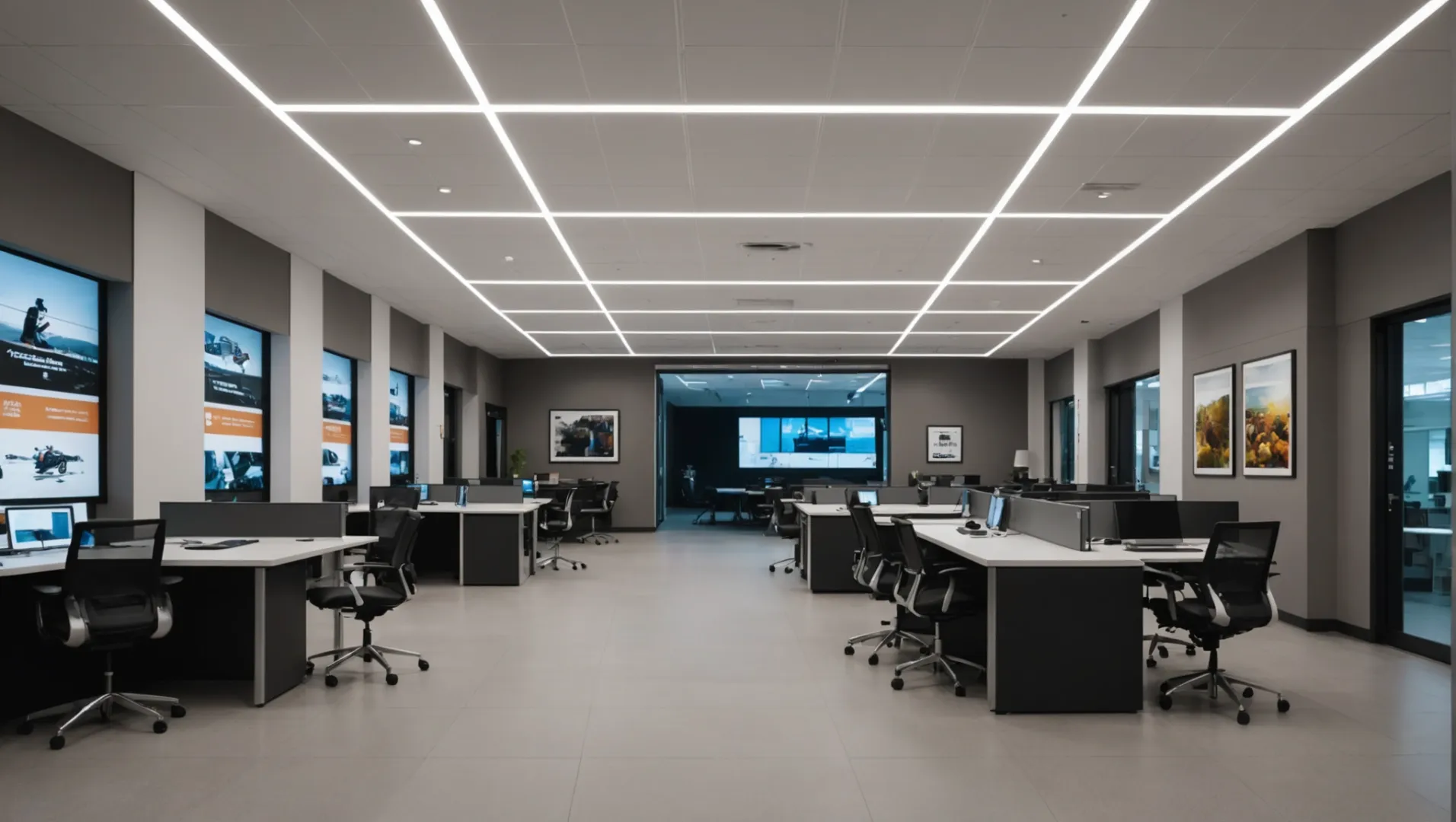
Primary lighting serves as the backbone of any commercial space's lighting design. This foundational layer ensures adequate illumination across the entire area, eliminating shadows and creating a uniform environment. It is typically achieved using ceiling lights or downlights, strategically placed to cover large areas without leaving dark spots.
Enhancing Safety and Productivity
A well-lit environment is essential for both safety and productivity. Proper primary lighting reduces the risk of accidents by illuminating potential hazards. For employees, it creates a conducive environment that minimizes eye strain and fatigue, thus enhancing productivity. In retail settings, for instance, bright, consistent lighting can improve customer experience by making products more visible and appealing.
Supporting Auxiliary and Decorative Lighting
Primary lighting provides the necessary groundwork upon which auxiliary and decorative lighting build. While auxiliary lighting focuses on specific areas like display cases, decorative lighting adds character. Without a solid base of primary lighting, these additional layers may fail to achieve their intended effects.
| Lighting Type | Purpose | Example |
|---|---|---|
| Primary Lighting | Overall illumination | Ceiling lights |
| Auxiliary Lighting | Highlighting specific areas | Spotlights |
| Decorative Lighting | Creating ambiance and character | Chandeliers |
Energy Efficiency and Cost Considerations
Incorporating energy-efficient technologies such as LED lights can significantly reduce energy consumption while maintaining high-quality illumination. These solutions offer long-term savings on electricity bills and reduce environmental impact. Businesses should prioritize energy efficiency when planning their primary lighting systems.
Selecting the Right Solutions
Choosing appropriate primary lighting involves considering factors like ceiling height, room dimensions, and the nature of the business. For example, industrial spaces may require high-intensity fixtures, whereas office environments benefit from softer, glare-free options.
To achieve optimal results, consulting with lighting professionals can provide insights tailored to specific business needs. They can recommend solutions that align with both functional requirements and aesthetic goals.
Explore more about energy-efficient commercial lighting solutions1 to enhance your space's performance.
Primary lighting is only for aesthetic purposes.False
Primary lighting is essential for safety and productivity, not just aesthetics.
LED lights enhance energy efficiency in commercial spaces.True
LED lights reduce energy consumption and offer long-term savings.
What Are the Benefits of Auxiliary Lighting?
Explore how auxiliary lighting can transform commercial spaces by spotlighting key areas and enhancing the overall ambiance.
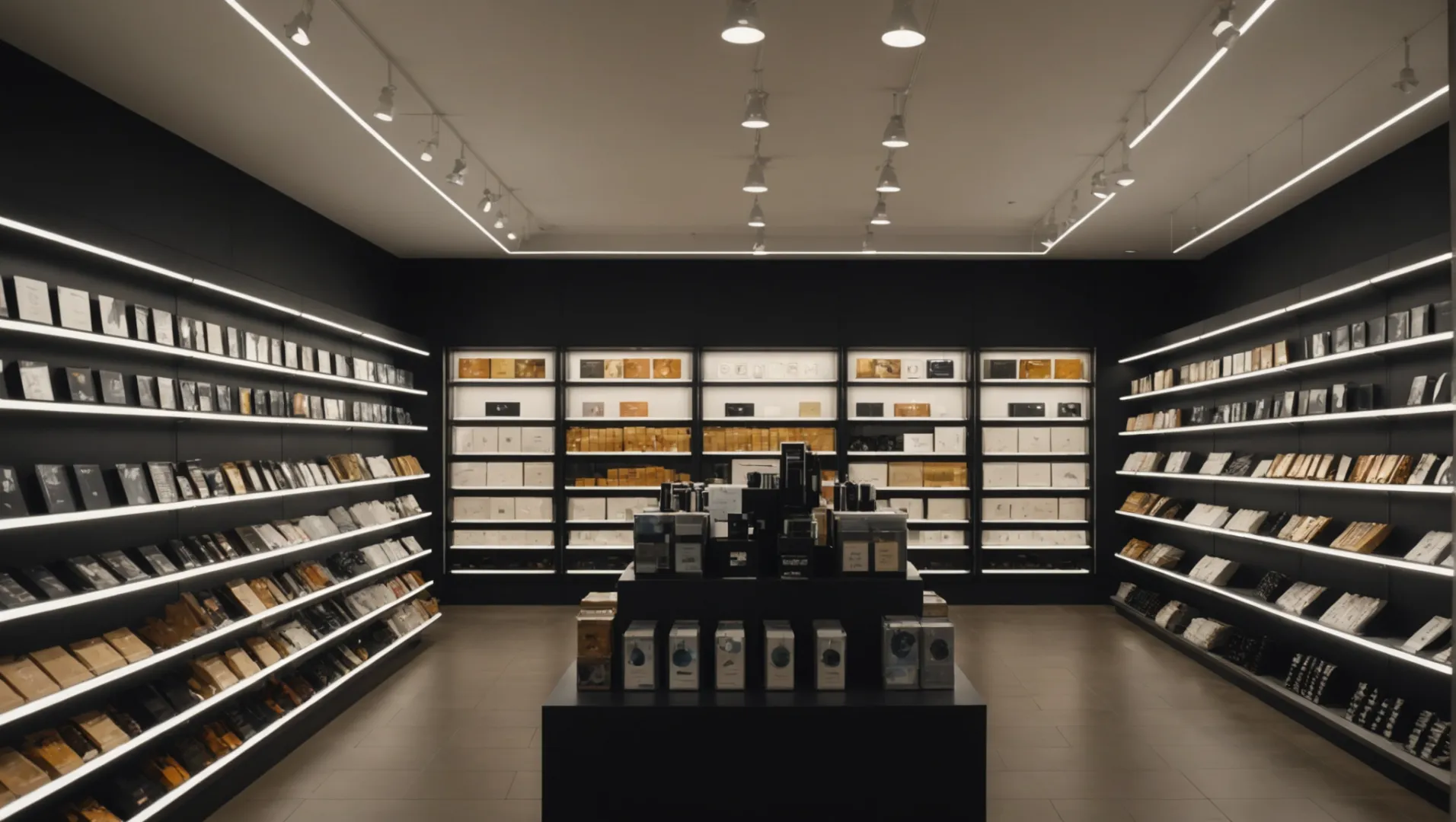
Auxiliary lighting enhances visibility, highlights specific features, and improves the ambiance in commercial spaces, drawing customer attention and boosting sales.
Enhancing Visibility and Safety
Auxiliary lighting plays a crucial role in improving visibility within commercial spaces. By using strategically placed spotlights, business owners can ensure that specific areas2 such as walkways and stairs are well-lit, thus enhancing safety for both customers and employees. This can be particularly beneficial in environments where precise tasks are performed, like retail stores or art galleries, where detail is key.
Highlighting Key Features
Auxiliary lighting is also indispensable for highlighting key features within a space. Whether it's accentuating a new product line or drawing attention to a promotional display, auxiliary lighting such as spotlights or track lighting can guide customer focus exactly where you want it. This targeted illumination not only makes specific items more visually appealing but also promotes higher engagement with the products on display.
Creating a Dynamic Ambiance
Beyond functional benefits, auxiliary lighting contributes significantly to the ambiance of a commercial space. By using different types of fixtures and adjusting light levels, business owners can create a dynamic environment that resonates with their brand identity. For instance, softer auxiliary lights can evoke a warm, inviting atmosphere in cafes, while brighter lights can create a vibrant, energetic setting in retail stores.
Energy Efficiency and Cost-Effectiveness
Modern auxiliary lighting solutions often include energy-efficient options like LED lights, which consume less power and have a longer lifespan than traditional bulbs. This not only reduces operational costs but also aligns with sustainable business practices. Additionally, many auxiliary lighting systems come with dimming capabilities, allowing businesses to adjust lighting levels according to need, further conserving energy.
By integrating auxiliary lighting into your commercial space's design, you can create an inviting and efficient environment that attracts customers and enhances their experience.
Auxiliary lighting boosts sales in commercial spaces.True
It enhances visibility and highlights products, drawing customer attention.
Auxiliary lighting increases energy costs significantly.False
Modern solutions like LEDs are energy-efficient, reducing costs.
How Can Decorative Lighting Enhance Your Brand Image?
Lighting isn't just functional; it's a powerful tool for shaping your brand's identity.
Decorative lighting enhances brand image by creating a unique atmosphere that reflects your brand's identity, attracts customers, and leaves a lasting impression. It communicates brand values through design and ambiance.

The Role of Decorative Lighting in Branding
Decorative lighting serves more than just the purpose of illumination; it's a critical element in conveying your brand's personality. By strategically placing elements like chandeliers or custom wall fixtures, you can create an atmosphere that mirrors your brand ethos. For instance, a luxury boutique might use ornate chandeliers to exude sophistication and elegance, thereby attracting its target clientele.
Psychological Impact of Lighting
Lighting impacts how customers perceive and interact with a space. Warm, soft lighting can make an environment feel welcoming and cozy, encouraging customers to linger longer. In contrast, bright and vibrant lighting can energize a space, making it feel dynamic and bustling. Understanding the psychology of lighting3 allows businesses to tailor their environments to fit their brand narratives effectively.
| Lighting Style | Brand Perception | Example Scenarios |
|---|---|---|
| Warm and Cozy | Inviting, Comfortable | Coffee shops, Bookstores |
| Bright and Vibrant | Energetic, Exciting | Tech stores, Fitness centers |
| Elegant and Ornate | Luxurious, Exclusive | High-end boutiques, Fine dining |
Integrating Technology with Decorative Lighting
Modern decorative lighting doesn't just stop at aesthetics; it integrates smart technology for added functionality. Smart bulbs and systems allow businesses to adjust lighting remotely, offering flexibility in atmosphere settings for different times or events. Embracing technology in lighting solutions can enhance energy efficiency4 while keeping the brand image sharp and modern.
Case Studies: Success Stories
Several brands have mastered the art of using decorative lighting to their advantage. For example, a popular retail chain revamped its store lighting with a focus on unique pendant lamps that align with its eco-friendly brand message. This not only improved customer experience but also strengthened its market position as a sustainable leader.
Decorative lighting is indeed an investment that pays off by reinforcing brand loyalty and creating memorable experiences.
Decorative lighting only serves aesthetic purposes.False
Decorative lighting also conveys brand personality and values.
Smart lighting can enhance a brand's modern image.True
Smart lighting integrates technology, reflecting modernity and innovation.
Which Brands Offer the Most Reliable Commercial Lighting Solutions?
Choosing reliable commercial lighting brands ensures longevity, efficiency, and enhanced aesthetics for your space.
Leading brands like Philips, Cree, and GE are renowned for their innovative and energy-efficient commercial lighting solutions. They offer a variety of options tailored to different business needs, ensuring reliability and sustainability.

Understanding the Market Leaders
When it comes to reliable commercial lighting, certain brands stand out due to their commitment to quality5 and innovation. These companies often lead the industry by setting standards in energy efficiency, durability, and design.
Philips Lighting
Philips Lighting, now known as Signify, has been at the forefront of lighting technology for decades. They offer a wide range of products catering to various commercial needs, from smart lighting systems to efficient LED solutions. Their focus on sustainability and smart technology makes them a top choice for businesses looking to reduce energy consumption and improve lighting control.
Cree Lighting
Cree is another industry leader known for its cutting-edge LED technology. Their products are designed to deliver high performance while minimizing energy costs. Cree's reputation for durability and efficiency makes them a preferred brand for businesses that require robust lighting solutions in demanding environments.
General Electric (GE)
GE Lighting provides an extensive array of commercial lighting options that combine reliability with advanced technology. They are known for their innovative lighting solutions6 that enhance energy savings and offer customization options to fit specific commercial needs.
Factors to Consider When Choosing a Brand
Energy Efficiency: Opt for brands that provide energy-saving options, such as LED lighting, which can significantly reduce electricity bills.
Durability: Reliable brands offer products that withstand the test of time and external conditions, essential for both indoor and outdoor commercial spaces.
Technological Innovation: Look for brands investing in smart lighting technologies that allow remote control and automation, enhancing both convenience and efficiency.
Brand Reputation: Research customer reviews and industry ratings to gauge a brand's reliability and customer satisfaction levels.
Making an Informed Decision
When selecting a brand, consider both the specific needs of your commercial space and the advantages offered7 by each company's product line. Consulting with lighting experts or conducting a thorough market analysis can also guide you in making an informed choice.
Philips Lighting is now known as Signify.True
Philips Lighting rebranded to Signify in 2018, maintaining its focus on innovation.
Cree Lighting primarily focuses on incandescent lighting.False
Cree specializes in LED technology, not incandescent lighting, for efficiency.
Conclusion
By evaluating your specific needs and exploring advanced options, you can select lighting solutions that enhance both the functionality and appeal of your commercial space.
Learn how to save costs with sustainable lighting technologies.: Light Emitting Diodes, or LEDs to you and me, are one of the most energy-efficient forms of lighting. They can light up anything from a small workshop to a huge ... ↩
Learn how strategic lighting placement enhances safety and product visibility.: The strategic placement of lights can transform any commercial space, making it more functional, safe, and inviting. ↩
Learn how different lighting styles influence customer emotions.: Lighting designs can both attract consumers' attention and interest in the merchandise and positively affect consumers' behavioral intentions. ... ↩
Discover how smart technologies can optimize energy use.: If you choose smart lighting that has earned the ENERGY STAR, it's using less energy when it's on and in standby. ↩
Explore Philips' sustainable lighting technologies for efficient commercial use.: Philips is a world-leading lighting brand that provides sustainable commercial lighting solutions. Efficient, high quality LED lamps, tubes, controls and ... ↩
Discover GE's latest innovations in energy-efficient commercial lighting.: With smart bulbs, light strips, and bendable neon lights, our new premium smart product family delivers vibe‑enhancing features like light shows, music sync, ... ↩
Learn how smart lighting enhances efficiency and convenience in commercial spaces.: Top 5 benefits of smart lighting · 1. Convenience · 2. Saving energy · 3. Oh, so many colors! · 4. Sync the lights with entertainment · 5. ↩