

Finding a trustworthy LED supplier1 in China feels overwhelming. You worry about quality, delays, and communication. This guide will help you find a reliable partner for your business's growth.
The top LED lighting manufacturers in China include large brands like Opple, NVC, and Yankon for general lighting, and specialized factories like us, Besenled, for custom LED strips and linear lights. The best choice depends on your specific needs for quality, customization, and scale.
I talk to buyers like you every day. I'm Rain Cai from Besenled, and I've been in the LED lighting industry for over 10 years. I know the challenges you face. You need more than just a list of names. You need to know how to tell a great supplier from a bad one. A good partner can make your business successful. A bad one can cause huge headaches with delayed shipments and poor-quality products that damage your reputation. This guide is based on my experience helping clients from Mexico to Europe find success. Let's walk through the process together so you can source with confidence and avoid the common pitfalls.
China is the world's largest producer and exporter of LED lighting products.True
China's manufacturing capabilities, supply chain, and government support have made it the global leader in LED production, accounting for over 50% of the world's output.
All LED manufacturers in China offer the same level of quality and certification.False
Quality and compliance vary significantly. Top-tier factories invest heavily in R&D and international certifications, while smaller, less reputable ones may cut corners, leading to inconsistent quality and fake documents.
How can you choose a reliable LED lighting manufacturer in China?
Sifting through thousands of suppliers online is confusing. Choosing the wrong one means wasting money on bad products and missing your sales targets. Here’s how to focus on what truly matters.
To choose a reliable manufacturer, verify their business license to confirm they are a factory, check for key certifications like CE and RoHS, evaluate their communication responsiveness, and ask about their quality control process2. This ensures they are a legitimate and capable partner.
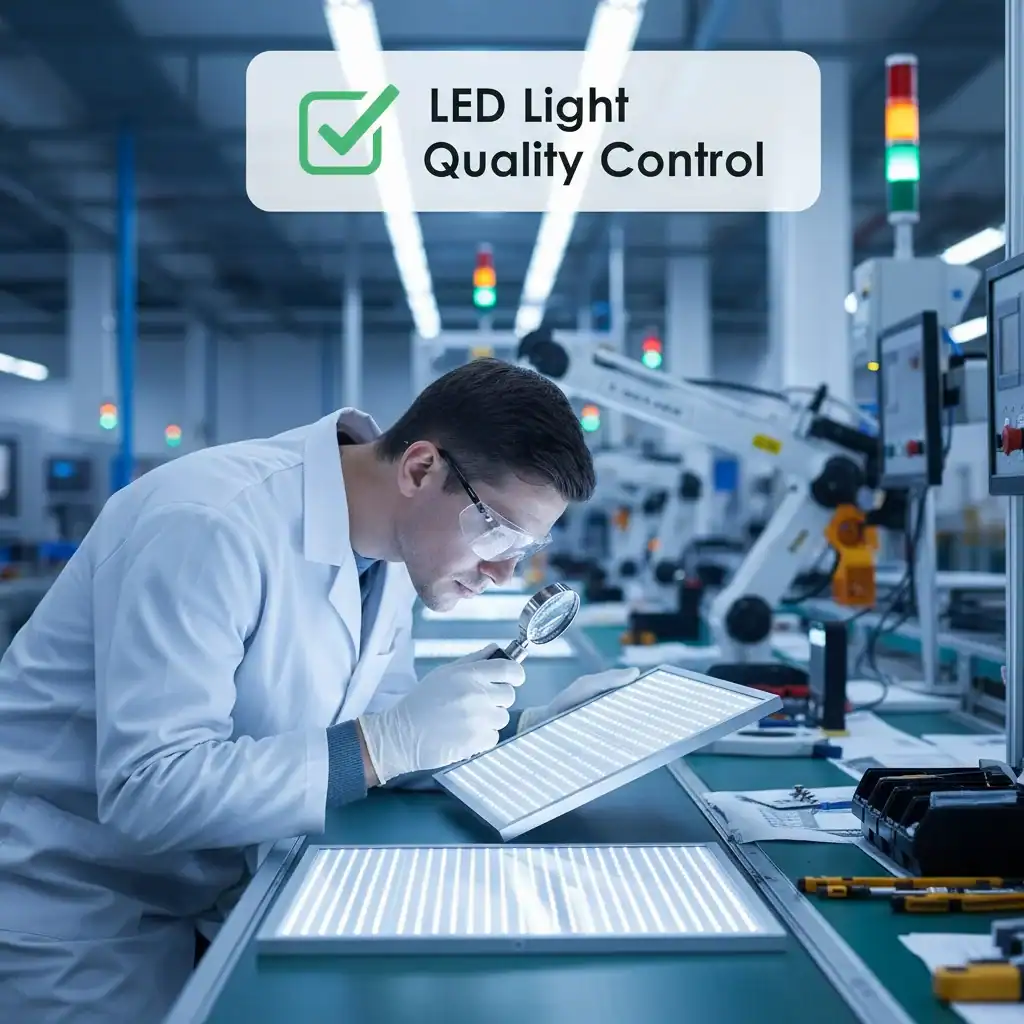
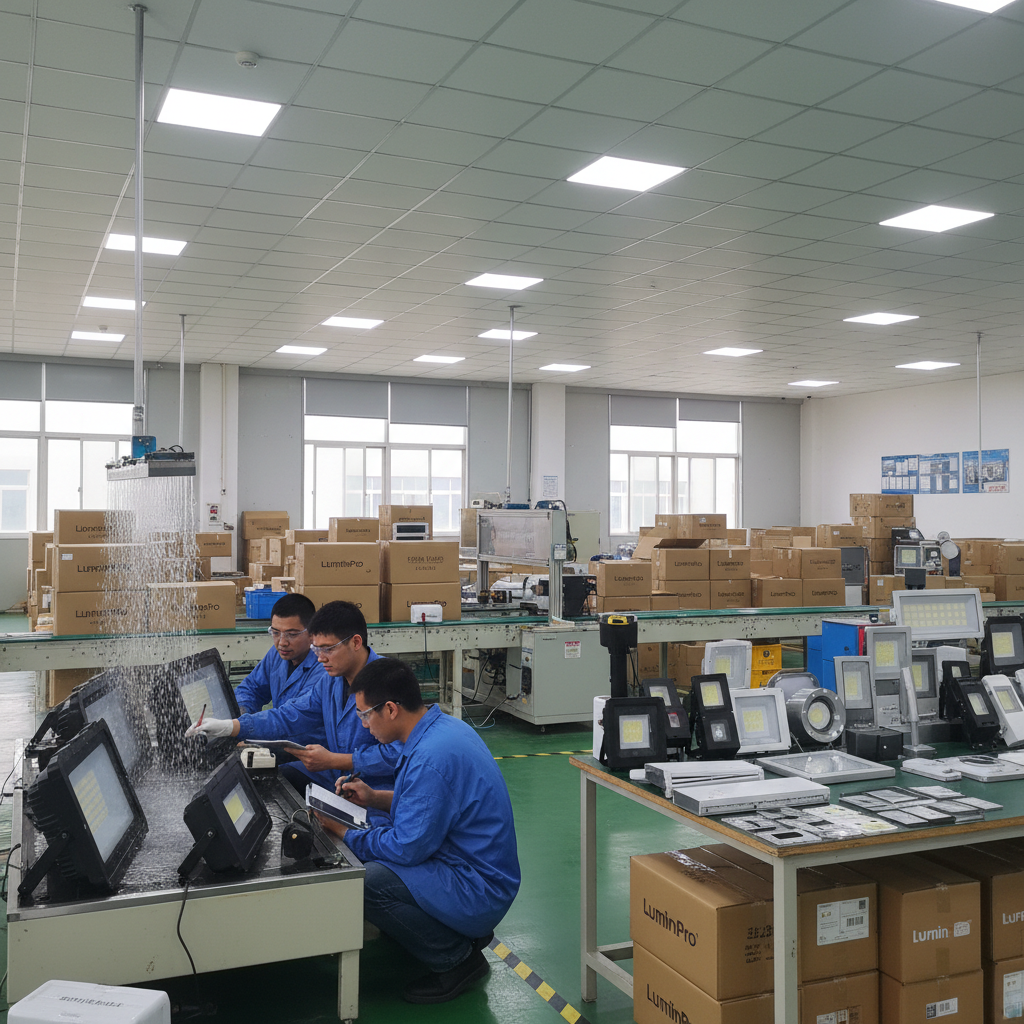
I once worked with a new client from Mexico, let's call him Jose. He was cautious because a previous supplier sent him products with fake certificates. The shipment was held at customs, and he lost an entire selling season. He was frustrated and losing trust. We took a different approach. I showed him our factory through a live video call, walked him through our 5 production lines, and sent him copies of our CE and RoHS certificates with the official verification numbers. This transparency is what builds a real partnership. You need to find a supplier who is willing to do the same for you.
Here are the key things to check:
Key Evaluation Criteria
| Criteria | What to Look For | Why It Matters |
|---|---|---|
| Factory vs. Trader | Ask for their business license3 and photos/videos of their factory. A real factory has more control over quality and lead times. | Trading companies add a markup and have less control over production, which can lead to delays and quality issues. |
| Communication | Are their sales reps responsive, knowledgeable, and fluent in your language? Do they understand your technical needs? | Poor communication is a major pain point. It leads to misunderstandings, incorrect orders, and frustration. |
| Certifications | Request copies of essential certifications like CE, RoHS, and FCC. For performance, ask for LM-80 and IES files. | This proves their products meet international safety and performance standards, avoiding customs issues and ensuring quality. |
| Customization (OEM/ODM) | Can they customize products with your logo, specific color temperatures, or unique designs? | This is crucial for distributors who want to build their own brand. It shows the factory has strong R&D capabilities. |
| lead time4 & Logistics | Ask for their standard production lead time (ours is 3-15 days) and if they have experience shipping to your country. | Reliable logistics and short lead times prevent stockouts and help you meet market demand quickly. |
A factory's ability to offer customized designs (OEM/ODM) is a strong indicator of its technical expertise.True
Customization requires a dedicated R&D team and flexible production lines, which are hallmarks of a capable and established manufacturer, not just a simple assembler.
Video calls are not an effective way to verify a factory's operations.False
A live video tour of the factory floor, production lines, and QC department is a highly effective and low-cost way to get a real sense of the supplier's scale and professionalism without traveling.
Who are the top 10 LED lighting manufacturers in China?
You need a list of trusted names to start your search. But a random Google search gives you thousands of options, making it hard to know who is legitimate. Here is a curated list.
China's top LED manufacturers include giants like Opple, NVC, and MLS for broad commercial use. For specialized needs like high-quality LED strips, linear lights, and custom projects, factories like Besenled offer focused expertise, better customization, and direct-from-factory service.
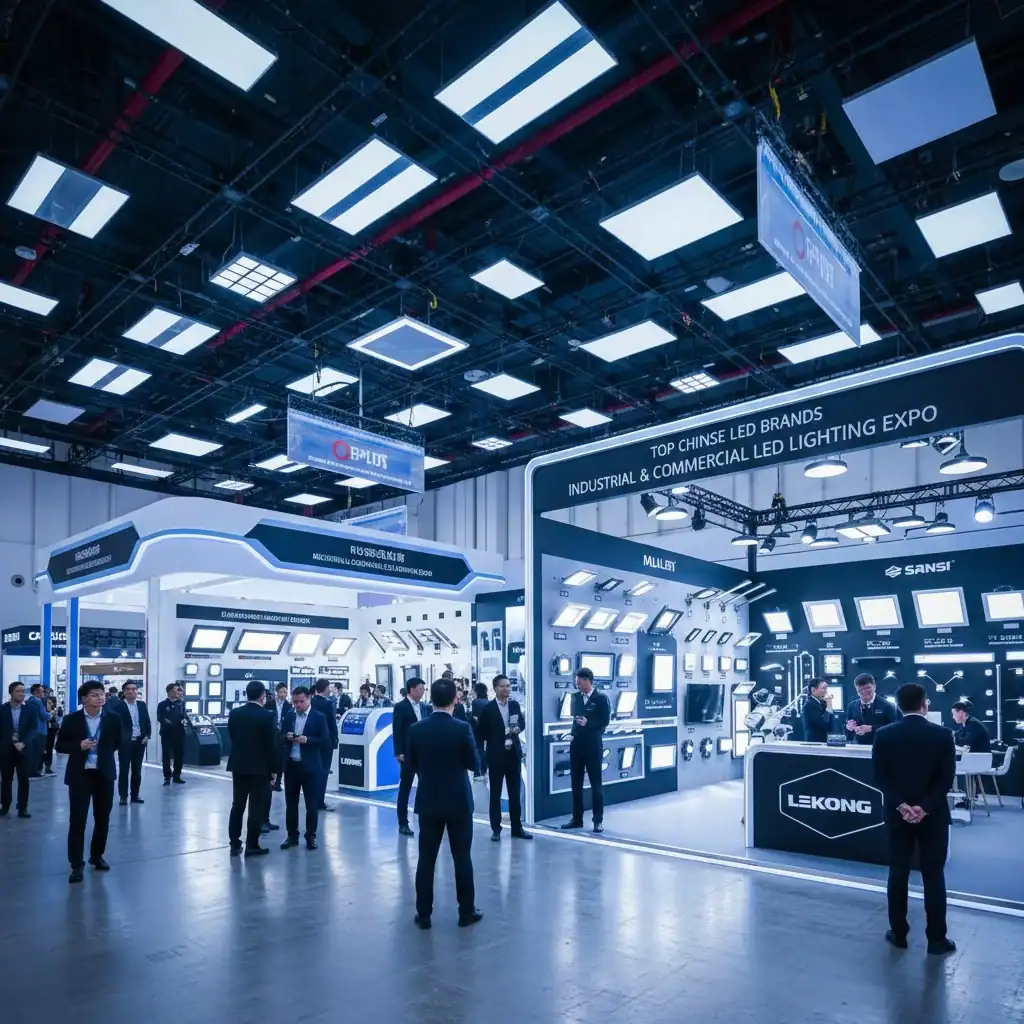
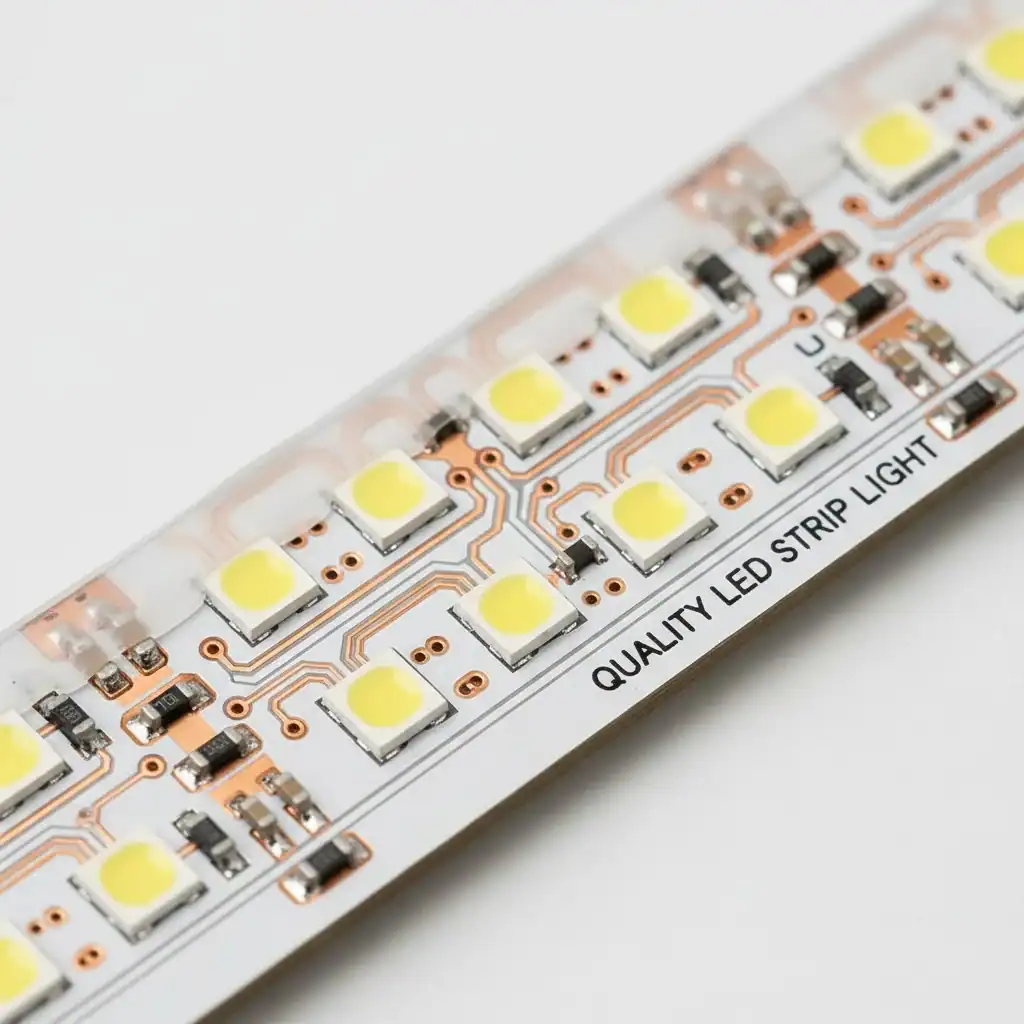
When you look for suppliers, you will see big, famous brands and also smaller, specialized factories. Both have their advantages. The big brands are great for standard, high-volume products. They have massive production capacity. But sometimes, for buyers like Jose who need custom branding and flexible service, a specialized factory is a better fit. We at Besenled, for example, focus only on certain product categories like LED strips and linear lights. This allows us to offer deep expertise, superior quality control on those specific products, and the flexibility to create custom designs for our clients. The right choice depends on your business model.
Here is a list to help you understand the landscape:
Top Commercial & Industrial LED Manufacturers
| Manufacturer | Specialization | Key Strengths | Best For |
|---|---|---|---|
| Opple Lighting | Commercial & Residential | Strong brand recognition in China, wide product range. | General-purpose lighting distribution. |
| NVC Lighting | Commercial & Outdoor | Extensive distribution network, strong in project lighting. | Large commercial projects and distributors. |
| MLS / Forest Lighting | LED Packaging & Lamps | One of the world's largest LED packagers, very competitive pricing. | High-volume orders for standard bulbs and tubes. |
| Yankon Lighting | Residential & Commercial | Huge production scale, focus on energy-saving lamps. | Buyers needing massive quantities of standard products. |
| FSL (Foshan Lighting) | General Lighting | Long history, state-owned background, reliable quality. | Distributors looking for a stable, traditional supplier. |
| Leedarson | IoT & smart lighting5 | A world leader in connected lighting and IoT devices. | Buyers focused on smart home and innovative products. |
| Inesa | Industrial & Outdoor | Strong in high-power industrial and explosion-proof lighting. | Heavy industrial applications and government projects. |
| Unilumin | LED Displays & Lighting | A global leader in LED displays, with a growing lighting division. | Projects requiring both lighting and large video displays. |
| King-sun | Street & Outdoor Lighting | A major player in LED street lighting and outdoor solutions. | Municipal projects and outdoor infrastructure. |
| Besenled (Our Company) | LED Strip & Linear Light | Factory-direct, high customization, fast lead times (3-15 days). | Distributors needing custom branding and specialized linear solutions. |
Opple and NVC are primarily known for their domestic market dominance in China.True
While both companies export globally, their brand recognition and market share are strongest within China, making them household names for commercial and residential lighting.
Specialized factories cannot compete with large brands on quality.False
Specialized factories often offer superior quality in their niche because their R&D, production, and QC are hyper-focused on a narrow product range, allowing for deeper expertise and better control.
What certifications and QC should you always verify?
Receiving a shipment of non-compliant products is a nightmare. They can be seized by customs or fail prematurely, destroying your reputation and profits. You must know what to ask for.
Always verify core safety certifications like CE (Europe), FCC (US), and RoHS (hazardous materials). For performance, demand LM-80 reports for LED lifespan and IES files for light distribution. Crucially, check the certificate's validity online to avoid fakes.

Verifying documents is a step many buyers skip, but it's one of the most important. A professional supplier will provide these documents without hesitation. At Besenled, we list our certifications like CE, RoHS, and FCC directly on our website and provide the full reports to any potential client. It’s about building trust. If a supplier is hesitant to share these or gives you a blurry PDF that looks fake, it is a major red flag. Don't just take their word for it. Use the certificate number and issuing lab's name to check its authenticity online. This simple step can save you from a disaster.
Here’s a breakdown of what you need to check:
Essential Documents for Global Buyers
Core Safety Certifications:
- CE: A mandatory mark for products sold in the European Economic Area. It proves the product meets health, safety, and environmental standards.
- RoHS: (Restriction of Hazardous Substances) This is crucial. It certifies that the product is free from specific hazardous materials like lead and mercury. It's required in the EU and many other regions.
- FCC: A required certification for electronic products sold in the United States. It ensures the product's electromagnetic interference is under approved limits.
Performance & Quality Test Reports:
- LM-80 Report: This is a technical test report that shows the lumen depreciation of the LED chips over time. It's the best way to verify a supplier's claims about the lifespan of their lights.
- IES Files: These are data files that describe how a light fixture distributes light. Your clients who are architects or lighting designers will need these files to create lighting simulations for their projects.
Internal Quality Control (QC) Process:
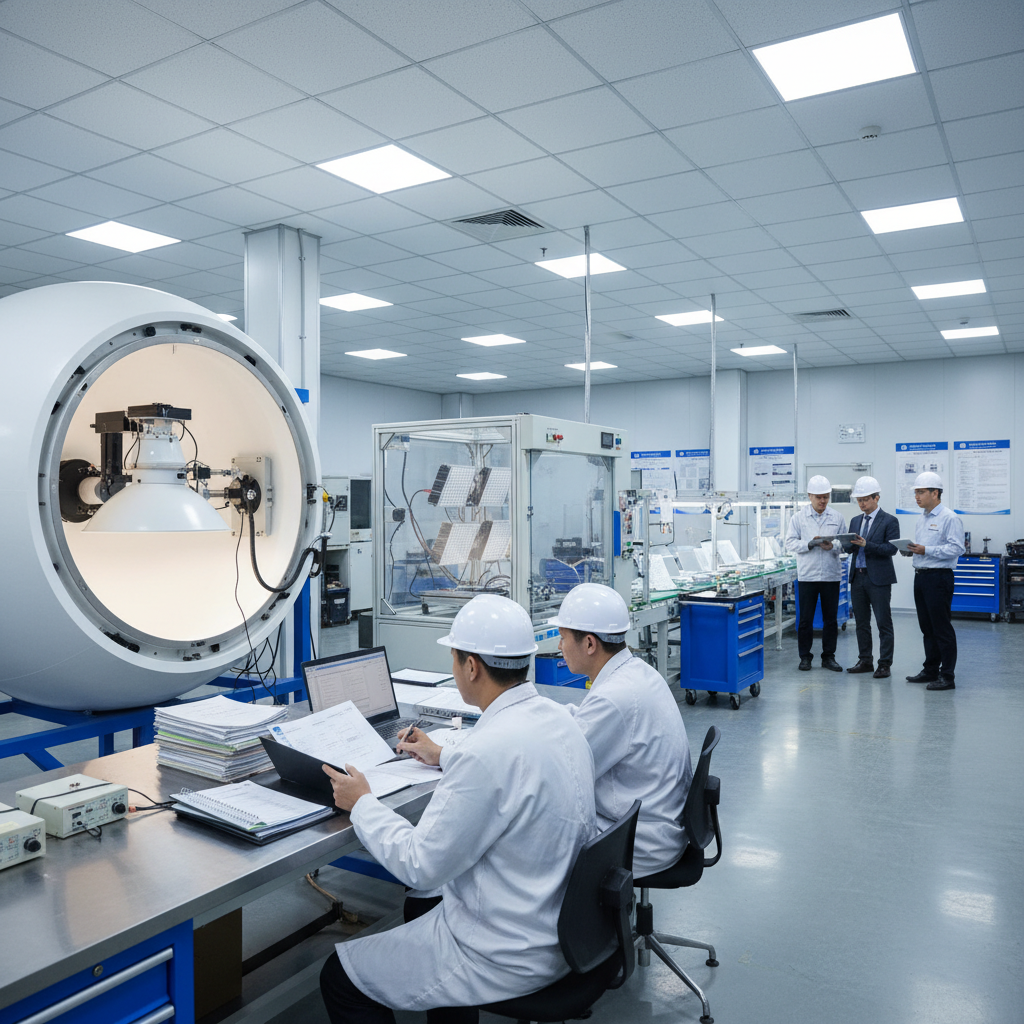
- Ask the supplier about their QC steps. A good factory will have IQC (Incoming Quality Control) for raw materials, IPQC (In-Process Quality Control) during production, and FQC (Final Quality Control) before shipment.
An LM-80 report directly states the final 'lifespan' of an LED lamp in hours.False
LM-80 is a test of the LED component (the chip) for 6,000-10,000 hours. This data is then used by another method (TM-21) to project the L70 lifetime, which is the estimated time until the light output drops to 70% of its initial level.
RoHS compliance is important for environmental reasons and for market access in many countries.True
RoHS restricts hazardous substances, which protects the environment and workers. It is also a legal requirement for selling products in the EU and is adopted by many other regions, making it essential for global distributors.
What are the current trends in China's LED market?
Sourcing products that are already outdated can hurt your business. Your customers, like Jose, are always looking for new and innovative products. Understanding market trends helps you stay competitive.
The China LED market is rapidly moving towards smart lighting (IoT controls), higher energy efficiency6 (more lumens per watt), and specialized lighting for plants (horticulture) and wellness (human-centric). Buyers now expect more than just a light source; they want intelligent solutions.
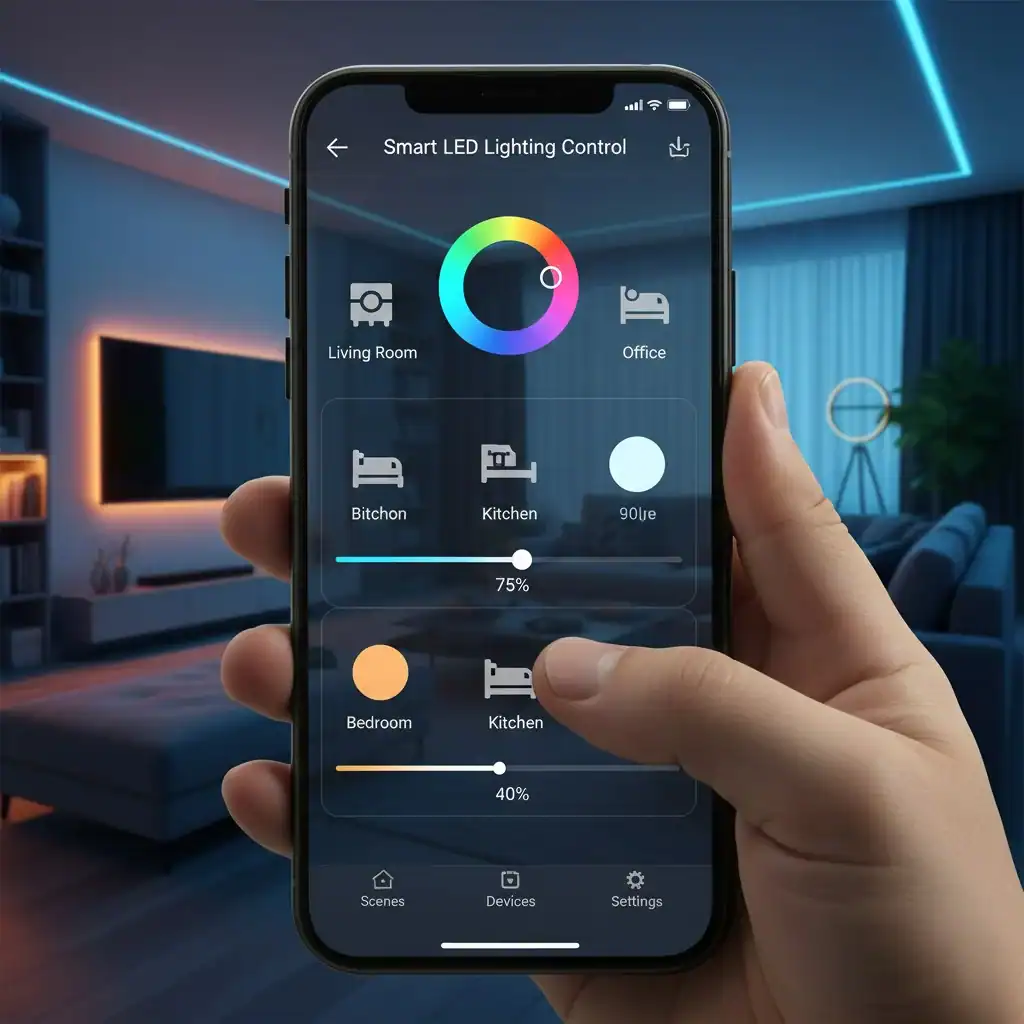
The conversation with my clients has changed over the last few years. It used to be all about price and brightness. Now, they ask me, "Can this linear light be controlled with a smart system? Can you provide a solution with a higher CRI for a retail store? Do you have options that are more energy-efficient than my last batch?" This shows that the market is maturing. End-users are more educated and demand better quality and more features. As a distributor, you need to partner with a factory that understands these trends and is already developing products to meet them. This is why our R&D at Besenled focuses heavily on improving efficiency and integrating smart control options into our LED strips and linear lights.
Here are the top trends to watch:
China LED Market: Growth and Segments
Market Size and Growth: The market continues to grow steadily. This growth is driven by government support for energy-saving technologies and the falling cost of LED components. This makes high-quality lighting more accessible than ever.
Key Trend 1: Smart Lighting and IoT: This is the biggest trend. Customers want lights they can control with their phones, voice assistants, or automated building systems. This includes changing brightness, color temperature, and setting schedules. Manufacturers are integrating technologies like Wi-Fi, Bluetooth Mesh, and Zigbee into their products.
Key Trend 2: Higher Efficacy and Sustainability: Efficacy means how much light (lumens) you get for the energy you use (watts). The push for "lumens per watt" is constant. Buyers want products that save their customers money on electricity bills. This is linked to sustainability and green building standards.
Key Trend 3: Niche and Human-Centric Lighting: The market is segmenting. There is growing demand for specialized lighting, such as horticultural lighting to grow plants indoors and human-centric lighting that adjusts color temperature during the day to support our natural body clock.
Human-Centric Lighting (HCL) is a marketing gimmick with no scientific basis.False
HCL is based on scientific research showing that the intensity and color temperature of light can affect human circadian rhythms, mood, and productivity. It is increasingly being specified in offices, schools, and healthcare facilities.
The cost of LED lighting has decreased by over 90% in the last decade.True
Technological advancements in manufacturing, materials (like GaN-on-Si), and economies of scale have led to a dramatic price reduction, making LEDs the dominant lighting technology globally.
Frequently Asked Questions:
- Who are the top LED lighting manufacturers in China? 
Blend nationally recognized brands and specialized OEM/ODM houses for commercial and industrial:
• NVC, Opple, FSL, MLS (Forest Lighting), Yankon, Leedarson, PAK: strong domestic + export presence and broad portfolios. Brand list ↗
• Specialized linear/office OEMs: COLORS Lighting, Lightstec, SignliteLED, Lumin, RC, Allway, AddLux—customization, DALI/0–10V, UGR<19, fast prototyping. Linear list ↗
What certifications and tests should B2B buyers require? 
• CE, RoHS, UL/DLC (target markets)
• LM-80/TM-21 for lumen maintenance
• Photometric IES files with UGR and beam data
• IP/IK, surge and driver specs
• ISO9001; component brands (LED chips, drivers)
This maps to featured snippet needs and accelerates vendor qualification. Standards emphasis ↗What are current LED market trends in China that impact sourcing? 
• Strong growth in industrial indoor and roadway segments drives demand for high-bay, tri-proof, and street luminaires with smart controls.
• Luminaires lead revenue; lamps fastest-growing; 8.8–9.6% CAGR to 2030. Trends and shares ↗ Revenue/CAGR ↗How to evaluate OEM/ODM capacity for custom projects? 
• In-house extrusion, PCB assembly, aging tests
• UGR control optics; DALI/0–10V
• Rapid sampling (5–7 days), 3–15 day delivery, warranty support
• Export references and compliance in target regions
SignliteLED’s criteria page mirrors buyer expectations for office and architectural projects. OEM/ODM criteria ↗
Conclusion
Choosing the right LED manufacturer in China is about finding a long-term partner, not just a supplier. Focus on verification, communication, and quality to build a successful and reliable supply chain.
References
Understanding how to find a trustworthy LED supplier can save you from costly mistakes and ensure quality products. ↩
A robust quality control process is crucial for ensuring product reliability and customer satisfaction. ↩
Verifying a business license helps ensure that you are dealing with a legitimate manufacturer. ↩
Understanding lead time helps you manage inventory and meet customer demand effectively. ↩
Staying updated on smart lighting trends can help you offer innovative solutions to your customers. ↩
Energy-efficient products not only save costs but also appeal to environmentally conscious consumers. ↩