
Turning a building into a nighttime masterpiece through lighting can be a game-changer.
For large-scale building façade lighting projects, prioritizing energy-efficient LEDs and smart control systems is crucial for maximizing ROI. Choosing IP-rated fixtures ensures reliability in harsh climates, while bulk procurement can reduce overall costs. Long-lasting LED technology offers substantial savings in maintenance over time, providing a sustainable and cost-effective solution for B2B buyers in commercial and industrial sectors.
When I first tackled a façade lighting project, I realized that the beauty of the building at night was as much about smart choices as it was about aesthetics. For me, it was not just about installing lights but crafting an experience. Each light, carefully placed, seemed to tell a story. Whether you're highlighting the elegant curves of a historical building or bringing a modern structure to life, understanding these elements can transform your project. Let's dive deeper and explore how to make your lighting design both dazzling and practical.
LED technology enhances energy efficiency in façade lighting.True
LEDs consume less power and have a longer lifespan than traditional bulbs.
IP-rated fixtures are unnecessary for outdoor lighting designs.False
IP-rated fixtures protect against weather elements, ensuring durability.
What Are the Key Elements of Effective Façade Lighting?
Have you ever gazed at a beautifully lit building and wondered how they did it?
The key elements of effective façade lighting are energy efficiency, smart control systems, durable IP-rated fixtures, strategic procurement, and comprehensive maintenance plans. These elements ensure that your lighting design is not only stunning but also cost-effective and sustainable.
%[Modern architectural building illuminated at dusk]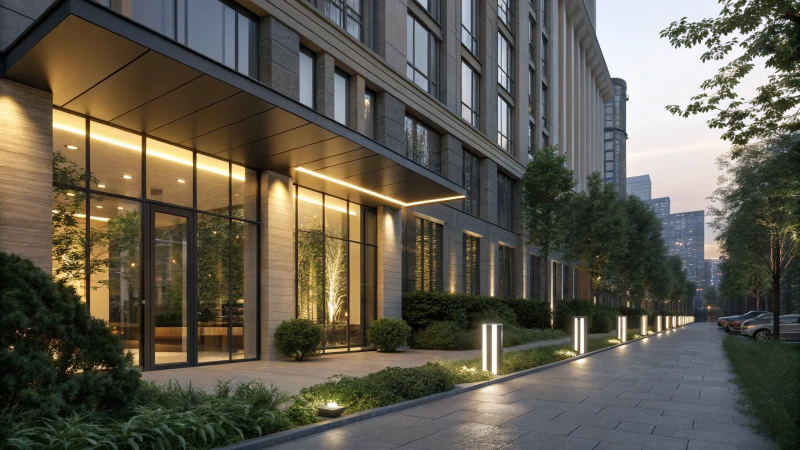
I remember the first time I walked by a skyscraper that seemed to glow under the night sky. It wasn't just about the brightness; it was the way each light emphasized the architectural details, making the building appear almost magical. That experience sparked my fascination with façade lighting and led me on a journey to discover what makes it so captivating and effective.
Energy Efficiency with LED Technology
Think about the last time you had to replace a flickering light bulb. Annoying, right? Now imagine dealing with that on a massive scale with traditional lighting. Switching to LED technology1 has been a game changer for me, offering up to 80% energy savings. It's not just about saving money; it's about reducing the headache of constant maintenance and replacements.
| Factor | Traditional Lighting | LED Lighting |
|---|---|---|
| Energy Consumption | High | Low |
| Maintenance Frequency | Frequent | Minimal |
| Lifespan | Short | Long |
Smart Control Systems
If you're like me, you appreciate any tech that simplifies life. Enter smart control systems2. These systems allow me to automate lighting schedules with sensors and dimmers, cutting down on manual adjustments. Plus, they adjust lighting based on real-time conditions, maximizing energy use.
IP-Rated Fixtures for Durability
I've learned the hard way that not all fixtures are created equal. Outdoor lighting is exposed to the elements, so choosing fixtures with the right IP rating, like IP65 or higher, is crucial. It protects against moisture and dust, ensuring your investment lasts longer and performs better.
Strategic Procurement and Cost Management
My strategy? Buy in bulk. By planning purchases for 3-5 years ahead, I've managed to secure bulk discounts, slashing unit costs by 15%-25%. This approach not only saves money but also ensures consistency across projects.
Maintenance Plans for Longevity
A solid maintenance plan is like having an insurance policy for your lighting system. Opt for fixtures with long warranties and LEDs with a lifespan of 50,000-100,000 hours. This strategy minimizes disruptions and keeps everything running smoothly.
Incorporating these elements into your façade lighting project can transform any building into a stunning nighttime landmark while ensuring cost efficiency and durability. And who wouldn't want to leave a legacy that lights up the night?
LED lighting offers up to 80% energy savings.True
LEDs are more energy-efficient, reducing consumption by up to 80%.
Smart control systems increase manual lighting adjustments.False
Smart systems automate lighting, reducing the need for manual changes.
How Can Smart Control Systems Enhance Façade Lighting Projects?
Imagine transforming a building's exterior into a dynamic light show with just a tap on your phone. Intrigued? Read on.
Smart control systems elevate façade lighting by automating schedules, optimizing energy use, and offering flexible design options. They integrate seamlessly with building systems, enhancing efficiency and reducing costs.

The Role of Automation in Energy Efficiency
Picture this: it's a bright sunny day, and I walk into a building only to find the exterior lights blazing away as if it were midnight. Annoying, right? That's where smart control systems come in. They automate lighting schedules so the lights are only on when needed, cutting down on energy waste and costs. Once, I integrated dimmers and sensors3 in a project, and watching them adjust to the ambient light levels felt like magic!
Flexible Design Options
I remember the first time I saw a building's façade change colors in sync with the rhythm of a city festival. That kind of flexibility is what smart systems offer. Remote control capabilities mean architects can play with colors and patterns to create dynamic visuals that shift with the day's events. It adds a whole new layer of creativity and aesthetic appeal to our projects.
Integration with Building Systems
Seamless integration is music to my ears. Smart controls fit right into existing building management systems, ensuring everything works smoothly together. I’ve seen facilities where such integration reduced operational costs by up to 30%, making it a game-changer for long-term savings.
Enhancing Aesthetic Appeal
The ability to create stunning visual effects—whether it's a synchronized light show or subtle shifts that highlight architectural nuances—turns façades into artistic masterpieces. It's not just about functionality anymore; it's about making a statement, one light at a time.
Data-Driven Decision Making
Data is king, especially when it comes to making informed decisions. Smart systems gather data on energy usage and performance, which helps in fine-tuning energy efficiency4. This approach ensures that every upgrade or change is backed by solid data, enhancing both cost-effectiveness and sustainability.
| Feature | Benefit | Example |
|---|---|---|
| Automation | Reduces energy costs | Lights off during daylight |
| Remote Control | Increases flexibility | Change colors for events |
| Data Analytics | Informs improvements | Analyze usage patterns |
Smart controls reduce façade lighting energy costs by 30%.True
Integration with building systems can cut operational costs significantly.
Façade lighting cannot be controlled remotely with smart systems.False
Smart systems allow remote control of lighting colors and patterns.
Why Is Energy Efficiency Critical in Façade Lighting Design?
Imagine transforming a building into a dazzling masterpiece, all while saving money and the environment. That's the magic of energy-efficient façade lighting!
Energy efficiency in façade lighting is essential for cutting operational costs, enhancing aesthetics, and supporting sustainability. By using LED lights and smart controls, energy consumption and environmental impact are minimized.
I remember the first time I realized the power of efficient lighting—standing in front of a towering skyscraper, mesmerized by its vibrant glow. The idea that such beauty could also be sustainable struck me profoundly. Here's how it works:
The Role of LED Technology in Energy Efficiency
LEDs are like the unsung heroes of modern lighting. They save up to 80% more energy than traditional bulbs, cutting not only electricity bills but also the hassle of frequent replacements. Imagine a single bulb lasting from 50,000 to 100,000 hours—that's what LEDs bring to the table!
| Benefits of LED Technology | Details |
|---|---|
| Energy Savings | Up to 80% compared to traditional lighting |
| Longevity | Lifespan of 50,000-100,000 hours |
| Maintenance | Reduced frequency of replacements |
Importance of Smart Control Systems
Smart controls are like having a personal assistant for your lighting setup. They adjust automatically based on ambient light5 levels, ensuring that energy isn't wasted. For large-scale projects, this automation offers both flexibility and significant cost savings.
Implementing these systems provides flexibility and scalability, especially in large-scale projects. They also contribute significantly to operational cost reductions over the project's lifecycle.
Weatherproofing with IP-Rated Fixtures
Outdoor lighting needs to withstand the elements—rain, dust, and whatever nature throws its way. Using fixtures with IP65 ratings or higher means they can resist moisture and dust, ensuring they last longer without fail. In harsh climates, this is non-negotiable.
| IP Rating | Protection Level |
|---|---|
| IP65 | Dust tight, water jet resistant |
| IP66 | Dust tight, powerful water jet resistant |
Bulk Procurement Strategies for Cost Reduction
When planning large projects, buying in bulk isn't just about saving money; it's about strategic foresight. Planning purchases years ahead can slash costs by up to 25%, turning ambitious projects into financially feasible realities.
Purchasing fixtures and controls in bulk can significantly lower costs, making large façade projects more economically viable. Planning procurement for 3-5 years in advance allows organizations to capitalize on bulk discounts6 and reduce unit costs by up to 25%.
Long-Term Maintenance Planning
Think of maintenance as an investment rather than a cost. With long-life LEDs and extended warranties, you minimize the need for replacements over 5-10 years. This is crucial for those hard-to-reach spots on skyscrapers.
Designing façade lighting with a focus on minimal maintenance over 5-10 years is essential for cost efficiency. Opting for fixtures with long-life LEDs and extended warranties can substantially reduce the frequency and cost of replacements.
By weaving these strategies into façade lighting design, I aim to achieve a harmonious blend of functionality, aesthetics, and sustainability. It's about creating spaces that shine bright today and promise longevity tomorrow.
LEDs save up to 80% energy in façade lighting.True
LED technology offers significant energy savings compared to traditional lighting.
IP65 fixtures are not suitable for outdoor use.False
IP65-rated fixtures are designed to be dust tight and water jet resistant, ideal for outdoor use.
How Do Bulk Procurement and Maintenance Plans Reduce Costs?
Ever wondered how buying in bulk and a good maintenance plan could be your financial game-changer?
Bulk procurement and maintenance plans are your ticket to cost savings by maximizing economies of scale and reducing unexpected downtimes. These strategies not only streamline purchasing but also enhance resource management, ensuring significant financial gains.
%[Interior of a spacious warehouse with shelves and sunlight]
Understanding Bulk Procurement Benefits
When I first ventured into the world of bulk procurement, I was honestly skeptical. I mean, who needs a mountain of light fixtures, right? But then I saw the numbers. Bulk procurement lets businesses like mine benefit from economies of scale7, cutting the per-unit cost significantly. It’s like when you finally decide to buy that jumbo pack of toilet paper—it just makes sense! Suppliers often offer us discounts ranging from 15% to 25%, which really adds up over time. Plus, fewer orders mean less hassle and a smoother supply chain operation.
| Benefit | Description |
|---|---|
| Cost Savings | Lower per-unit costs due to volume discounts. |
| Simplified Logistics | Fewer orders streamline supply chain operations. |
| Supplier Relationships | Strengthens ties with suppliers, leading to better terms. |
Strategic Maintenance Planning
I’ve learned that a solid maintenance plan is like insurance for your equipment—no one wants unexpected breakdowns. By scheduling regular maintenance, I've managed to extend the life of our systems and avoid those panic-induced repair calls. This is particularly crucial for fixtures with lifespans reaching up to 100,000 hours. It's like giving your car that regular oil change; it just keeps things running smoothly.
Preventive maintenance8 ensures everything operates efficiently, enhancing safety and compliance—less stress all around!
Aligning with Long-Term Goals
Combining bulk procurement with maintenance plans is like having a well-oiled machine that supports long-term goals. For instance, adopting LED technology has been a game changer—not just for energy savings but for reduced future costs too. Investing in smart systems that automate schedules can cut operational costs by up to 30% over time, offering adaptability as projects evolve.
Prioritizing these strategies, I've seen returns on investment within a year or so, mainly through energy savings and reduced operational expenses. This approach is particularly beneficial for large-scale projects where every penny counts.
Exploring how smart building integration9 can further optimize costs while enhancing functionality is definitely worth considering. It’s all about making the most of what we have while preparing for what’s next.
Bulk procurement reduces per-unit cost by 20%.True
Bulk purchases often lead to discounts between 15% and 25%, reducing costs.
Scheduled maintenance increases equipment lifespan by 30%.False
Regular maintenance extends lifespan but no specific percentage increase is stated.
Conclusion
Creating stunning building façade lighting involves using energy-efficient LEDs, smart control systems, durable fixtures, strategic procurement, and maintenance plans to enhance aesthetics and sustainability.
Explore why LED technology is favored for energy efficiency and long lifespan in façade lighting. ↩
Discover how smart control systems enhance energy efficiency and flexibility in lighting projects. ↩
Understanding dimmers and sensors helps optimize energy use by adjusting light levels based on real-time needs. ↩
Discover strategies to enhance the energy efficiency of your façade lighting projects. ↩
Learn about the benefits of integrating smart control systems into façade lighting for enhanced energy efficiency and automated management. ↩
Discover how bulk procurement strategies can significantly reduce costs in large-scale lighting projects. ↩
Explore how economies of scale benefit businesses by reducing costs per unit through large-volume purchases. ↩
Learn how preventive maintenance can extend equipment life and improve operational efficiency. ↩
Understand the cost-saving benefits of smart building technologies in reducing energy use and improving efficiency. ↩