
Ever wonder how tall street lights really need to be for both safety and style?
The typical height of street light poles ranges from 10 to 12 feet for residential areas, 14 to 20 feet for urban and commercial areas, and 25 to 40 feet for highways or major roads. The height depends on factors like road type, light technology, and local regulations.
When I first ventured into the world of lighting projects, I quickly realized that determining pole height isn't just about picking a number. It's influenced by factors like the type of road and local regulations. I remember a project where we had to balance practical needs with aesthetic ones, ensuring our lights met both functional and community standards. Whether it’s the softer glow needed in residential neighborhoods or the robust lighting required for busy highways, every decision can make a huge difference in safety and efficiency.
Street light poles in residential areas are 10 to 12 feet tall.True
Residential street light poles are typically 10 to 12 feet tall.
Highway street light poles are usually less than 15 feet tall.False
Highway poles range from 25 to 40 feet for optimal coverage.
How Does Road Type Influence Street Light Pole Height?
Ever wondered why street light poles change height depending on the road? It’s all about ensuring visibility and safety.
The height of street light poles is determined by the type of road, as each requires different illumination levels. Residential areas typically have shorter poles for cozy, safe lighting, while highways need taller ones to light up wider spaces effectively.
Residential Areas
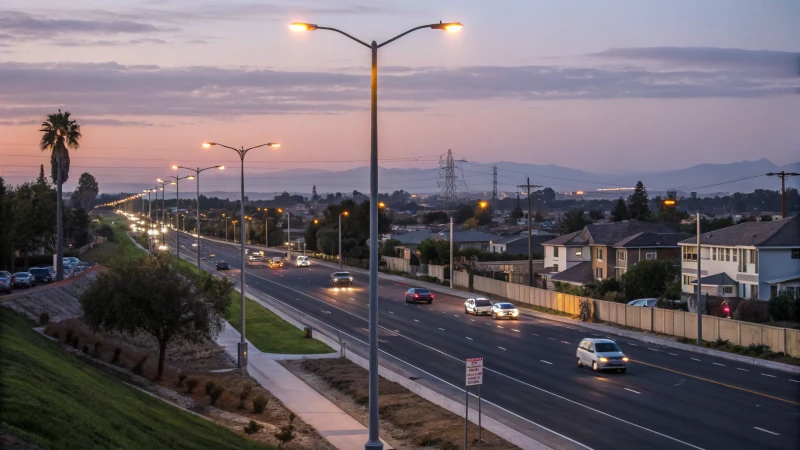
Living in a quaint neighborhood, I’ve always appreciated how the street lights make my evening walks feel safe and cozy. In these residential areas, poles are usually 10 to 12 feet tall. They perfectly illuminate our streets and sidewalks1 without casting harsh glares into our homes. It's just enough to light the way for late-night dog walkers and the occasional raccoon rummaging through trash cans.
Urban and Commercial Areas
Working in the bustling city, I've noticed the towering street lights that line the busy roads. These poles range from 14 to 20 feet high, which is essential for handling the hustle and bustle of city traffic. The height ensures that even with skyscrapers casting long shadows, the streets below are well-lit, guiding both cars and pedestrians safely through the night.
Highways and Major Roads
Driving down the highway at night, it's hard not to notice how different it feels compared to smaller roads. Here, poles reach up to 25 to 40 feet high. This extra height is crucial for lighting vast expanses, providing visibility at high speeds, and making sure you can spot those elusive highway exits in time!
| Road Type | Typical Pole Height |
|---|---|
| Residential | 10-12 feet |
| Urban/Commercial | 14-20 feet |
| Highways | 25-40 feet |
Factors Affecting Pole Height
When selecting pole heights, several factors come into play:
- Light Type: With advancements in LED technology, even lower poles can now cast a wider, more even beam. These innovations allow cities to use shorter poles without sacrificing coverage.
- Local Regulations: Some areas have specific rules based on environmental needs or traffic patterns. Understanding these can save a lot of headaches in urban planning.
- Safety Considerations: Ensuring there are no blind spots is key for keeping everyone safe on the road.
With this knowledge, urban planners can craft lighting systems that are not only efficient but also tailored to the unique needs of each road type. Incorporating smart lighting solutions2 can further enhance energy efficiency and performance, creating safer and more welcoming streets.
Residential street light poles are 10 to 12 feet tall.True
Residential areas need lower poles to cover streets and sidewalks.
Highway poles are always under 20 feet in height.False
Highway poles range from 25 to 40 feet for wide coverage.
Why Are Different Light Types Important for Pole Height?
Ever wondered why some streetlights tower like skyscrapers while others seem just a hop away?
Different light types impact pole height by affecting how light is distributed. For instance, LED lights can allow for shorter poles due to their wider beam angles, enhancing illumination coverage and efficiency.

How Light Type Influences Pole Design
I remember the first time I worked on a project involving streetlights. It was a chilly evening, and I was standing on a site, staring up at towering poles, trying to understand why they varied so much in height. Then it hit me—it wasn't just about aesthetics; it was all about efficiency and functionality.
The choice of lighting directly influences the height and design of poles. For instance, LED street lights3 with their broader beam angles require lower pole heights, offering uniform light distribution. In contrast, traditional sodium lamps may necessitate taller poles to achieve the same coverage. It's like choosing between a flashlight and a lantern—each serves its purpose but in vastly different ways.
LED vs Traditional Lighting
Imagine this: I'm at a bustling city intersection during a late-night drive. The street is aglow with LED lights that seem to bathe everything in an even, welcoming glow. This experience perfectly illustrates why LED lights allow for shorter poles—they spread light more evenly, making spaces feel safer and more inviting.
Consider the differing requirements between LED and conventional lighting:
| Lighting Type | Pole Height | Benefits |
|---|---|---|
| LED | Shorter | Uniform distribution, energy efficiency |
| Sodium | Taller | Intense light, longer reach |
Environmental and Aesthetic Considerations
There's nothing quite like walking through a beautifully lit neighborhood where each lamp post seems perfectly placed. Different environments demand specific lighting solutions. In residential areas, shorter poles with smart lighting systems4 enhance aesthetics while maintaining functionality. In contrast, urban centers often use taller poles to minimize shadowing and improve safety.
Urban areas also adopt smart lighting, integrating with building management systems for real-time adjustments based on traffic patterns or weather conditions. This flexibility helps reduce energy consumption while optimizing light output.
Regulatory Standards and Innovations
I've learned the hard way that local regulations often dictate pole height to ensure public safety and environmental compliance5. For example, highways need higher poles to illuminate vast distances without causing glare. Innovations like dimmable LEDs cater to these regulations by providing adaptable solutions that meet varying requirements.
Understanding how different light types affect pole height is crucial for maximizing efficiency and meeting regulatory standards. Tailoring solutions to specific needs ensures optimized visibility and cost-effectiveness across projects.
LED lights require shorter poles than sodium lamps.True
LEDs have wider beam angles, allowing lower pole heights for uniform light.
Traditional sodium lamps offer more energy efficiency than LEDs.False
LEDs are more energy-efficient than sodium lamps, saving power.
What Local Regulations Affect Street Light Installation?
Ever tried navigating the maze of local regulations for street light installations? It can feel like deciphering a new language! Let me share some insights to light the way.
Local regulations for street light installation can vary widely, but they usually include zoning laws, height restrictions, and environmental guidelines. Adhering to these ensures safe and efficient lighting while keeping the community happy. Always consult local authorities to make sure you're on the right path.

Zoning and Land Use Regulations
When I first dived into the world of street lighting, I was surprised by how much zoning laws dictate the process. Imagine wanting to illuminate a cozy neighborhood only to find out that your lighting plans clash with the local development goals. These laws ensure that street lights not only light up the streets but also align with the broader vision for the area. In residential zones, where families cherish their quiet nights, the regulations usually call for softer lighting. In contrast, bustling commercial zones might need brighter lights to keep things lively and safe.
| Zone Type | Typical Requirements |
|---|---|
| Residential | Lower light intensity |
| Commercial | Higher light intensity |
| Industrial | Enhanced safety standards |
Height and Placement Restrictions
Height and placement restrictions were another eye-opener for me. It's like playing a game of chess—each move is crucial. These rules aren't just bureaucratic hurdles; they're about optimizing light coverage and minimizing glare. In urban areas, higher poles are a must to spread light over large expanses without blinding drivers or pedestrians. Yet in residential streets, a lower pole works wonders in reducing unnecessary glare while still keeping everyone safe.
Consider these factors:
- Height: Impacts how far the light reaches and overall safety.
- Distance between poles: Ensures that the light is evenly distributed.
Environmental Impact Considerations
I’ve always believed in sustainable solutions, so environmental regulations were a welcome challenge. Many places now push for LED or solar-powered street lights to cut down on carbon footprints. And let's not forget about protecting local wildlife! Some areas enforce strict controls on light pollution6 to safeguard nearby natural habitats, making sure our artificial lights don't disturb the delicate balance of ecosystems.
Safety and Accessibility Standards
Safety standards are non-negotiable when it comes to public welfare. Street lights have to be bright enough to light up pathways and roads effectively. Plus, meeting accessibility standards, like those outlined by the Americans with Disabilities Act (ADA), ensures everyone can navigate the streets safely. I’ve found that working closely with local transportation departments7 can offer invaluable guidance on everything from required brightness levels to emergency protocols.
If you’re diving into this journey of street lighting like I did, remember: each regulation is there to ensure our communities remain safe, efficient, and beautifully lit.
Zoning laws affect street light intensity levels.True
Zoning laws determine light intensity based on area type, ensuring compliance.
All street lights must be solar-powered by regulation.False
Solar power is encouraged for environmental reasons but not mandatory everywhere.
How Do Smart Lighting Solutions Impact Pole Design?
When I first encountered smart lighting solutions, I couldn't help but marvel at how they revolutionize something as ordinary as a streetlight pole. Let's dive into how these innovations are reshaping urban infrastructure.
Smart lighting impacts pole design by integrating sensors and connectivity features, resulting in sleek, multifunctional poles that enhance environmental monitoring, energy efficiency, and urban aesthetics.

The Evolution of Light Poles with Smart Technology
I remember the first time I really paid attention to a streetlight; it was just there, doing its job. But now, smart lighting solutions8 have turned these humble poles into technological marvels. From merely holding up a light, they now serve multiple purposes—housing communication equipment, environmental sensors, and energy-efficient lighting systems. This isn't just a simple upgrade; it's a complete transformation of urban spaces.
Integrating Sensors and Connectivity
Imagine walking down a street where the poles around you do more than light your path. They track air quality, temperature, and even the ebb and flow of pedestrian traffic. Modern smart poles are designed to conceal these sensors within their structure while maintaining a sleek appearance. Think of them as urban multitaskers, equipped with Wi-Fi routers and 5G antennas, turning them into essential tools for connected cities.
| Features | Traditional Poles | Smart Poles |
|---|---|---|
| Lighting | Basic bulbs | LED smart lights |
| Connectivity | None | Wi-Fi/5G |
| Sensors | None | Environmental |
Enhancing Energy Efficiency
One of my favorite aspects of smart lighting systems is their energy efficiency. LED technology offers brighter illumination with less energy consumption. Picture shorter poles with more efficient lighting, reducing energy use without compromising on coverage. These systems adjust brightness in real-time based on data from their sensors, ensuring optimal energy use—a win for both the environment and the wallet.
Aesthetic and Functional Considerations
And let's not forget about aesthetics! Smart poles aren't just functional; they're designed to blend beautifully into urban landscapes. With sleek lines and modern designs, they fit right in with contemporary architecture. Plus, they can include solar panels for additional power generation—a nod to sustainable urban planning.
Smart pole designs9 are gaining traction in urban planning circles for their adaptability and functionality. They combine aesthetic appeal with cutting-edge technology, showcasing the future of urban infrastructure.
Challenges and Opportunities
While the benefits are clear, implementing smart lighting isn't without its challenges—costs can be high, installation complex, and maintenance demanding. However, as technology progresses, these hurdles will likely become less daunting.
In summary, the impact of smart lighting solutions on pole design is significant. They offer enhanced urban environments through improved energy efficiency and multifunctional infrastructure. As our cities grow and evolve, the demand for these advanced systems will only increase.
Explore how urban planners10 are leveraging smart poles to create sustainable and efficient cities.
Smart poles use LED lights for energy efficiency.True
Smart poles utilize LED technology to reduce energy consumption.
Traditional poles have built-in Wi-Fi routers.False
Traditional poles lack connectivity features like Wi-Fi routers.
Conclusion
Street light pole heights vary by area: 10-12 feet for residential, 14-20 feet for urban, and 25-40 feet for highways, influenced by road type and local regulations.
Learn about typical pole heights in residential areas and why shorter poles are adequate. ↩
Discover how smart lighting can enhance street lighting systems through energy efficiency and advanced features. ↩
Explore how LED street lights' wide beam angles influence pole design, enabling more efficient lighting solutions. ↩
Learn about smart lighting systems that enhance aesthetics and functionality in residential areas. ↩
Discover how local regulations impact street lighting design, ensuring safety and compliance. ↩
Discusses the effects of street lighting on wildlife and environmental policies. ↩
Provides guidelines from transportation departments on street light safety. ↩
Discover how integrating technology into poles transforms urban infrastructure with advanced features. ↩
Learn about cutting-edge designs that combine technology and aesthetics in urban planning. ↩
Find out how urban planners incorporate smart poles into city designs for better efficiency. ↩